


Quick take: Mild toenail fungus may be helped naturally with everyday items.
If you're tired of using harsh chemicals, try a gentler approach with remedies you can find in your kitchen. Tea tree oil, apple cider vinegar, garlic, baking soda, and coconut oil are popular choices. These ingredients may slow the fungal growth and soothe your skin. In this guide, you'll learn how they work together to clear mild fungus and restore your nail health. Follow these simple steps to bring a touch of natural care to your routine and give your nails the care they deserve.
Remember: If your nail becomes very painful, red, or swollen, contact your clinician for advice.
Comprehensive Home Remedy Solutions for Toenail Fungus
Quick take: Simple home remedies may help clear mild toenail fungus.
Triage:
- If you notice severe pain, spreading redness, swelling, or pus, call emergency services or seek urgent care right away.
Tea tree oil (Melaleuca alternifolia) naturally fights fungus and germs. Studies show that using 100% tea tree oil twice a day cleared fungus in 18% of people and improved it in 56% over 6 months. Put 2 to 3 drops on your infected nail and nearby skin every morning and night.
Apple cider vinegar makes the area too acidic for fungus to live. Mix equal parts apple cider vinegar and water and soak your nails for 15 to 20 minutes each day. For example, mix half a cup of vinegar with half a cup of water. This not only slows fungal growth but also softens your nail so the treatment works better.
Garlic contains allicin, a natural substance that fights fungus. Crush 2 to 3 cloves to release the juice and apply it directly onto your nails. Let it sit for 20 minutes and then rinse with clean water. Using garlic juice every day can help lower the amount of fungus.
Baking soda helps keep your nails dry by absorbing moisture and balancing the pH. Mix 2 tablespoons of baking soda with just enough water to make a paste. Spread this paste on the affected nail, leave it on for 10 minutes, and then rinse. This simple step can lower moisture that fungus needs to grow.
Coconut oil is rich in caprylic acid, which naturally fights fungus while keeping your nails moisturized. Gently rub a thin layer of coconut oil on your nails twice a day. With regular use, coconut oil can create a barrier against fungus and promote healthier nails.
Keep a daily log of your progress by writing down any changes in nail color or texture. Stick with these remedies consistently. If your symptoms do not improve or get worse, be sure to contact your doctor.
Understanding Toenail Fungus: Types and Causes
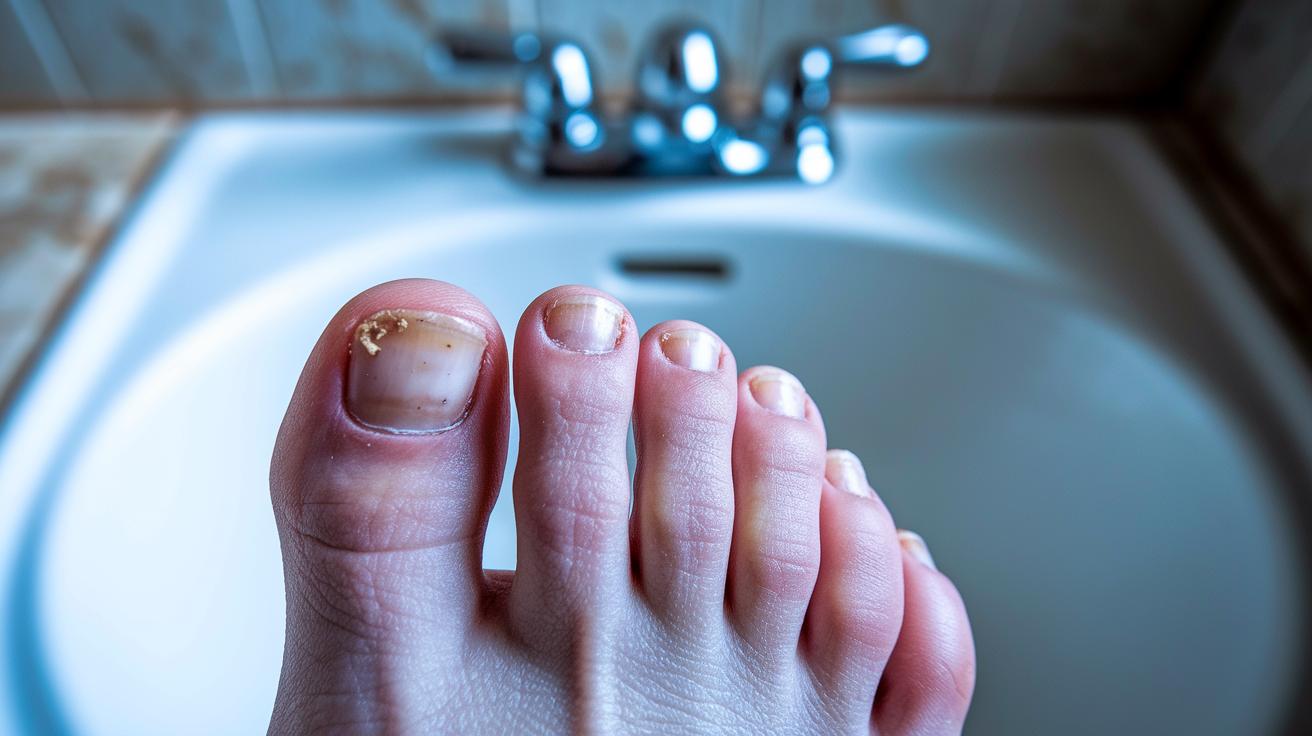
Quick take: Toenail fungus can change your nails by making them thick, discolored, and weak. If you notice your nail lifting or a lot of debris, call your doctor.
If you see these signs, do the following:
- Call emergency services only if you experience sudden, severe nail pain.
- Seek same-day advice if the nail changes quickly or causes discomfort.
- Otherwise, keep your feet dry, and monitor your nails closely.
Toenail fungus (also called onychomycosis) affects about 14% of people worldwide. It happens when fungi get into your nail. This can lead to nails that are thick, discolored, or brittle. Staying in wet and humid places can make you more likely to get it.
Subungual Toenail Fungus
Subungual fungus grows under the nail. It is usually caused by Trichophyton rubrum. You might see debris under your nail or notice the nail starting to lift from the skin. These signs make the nail weaker and open the door to more infections. This type grows slowly but will likely get worse without treatment.
White Superficial Toenail Fungus
White superficial fungus usually comes from Trichophyton mentagrophytes. It shows up as white, flaky patches on the surface of your nail. The fungus spreads quickly, affecting large areas, and can leave your nail looking weak and crumbly.
Candida-Related Nail Infection
Candida-related infections are common if you have ongoing yeast problems or spend a lot of time in moist conditions. This fungus loves moisture. It can change your nail’s color and make it soft. Knowing which type of fungus you have helps you choose the right home care steps to protect your toes naturally.
toenail fungus remedy home Brings Natural Bliss
Quick take: Using natural soaks daily can help slow fungus, ease discomfort, and support healthier nails.
Triage Box:
• If you notice severe pain, sudden nail color changes, heavy swelling, or spreading redness, contact your healthcare provider.
• If the condition worsens or lasts more than 3 weeks, seek medical advice.
Natural soaks are easy, everyday methods to manage fungal nails. They use common household items to make it hard for fungus to grow while easing discomfort. Each soak mixes specific ingredients that work together to create a hostile spot for the fungus. With daily use, these methods reduce inflammation, lessen pain, and help break down the fungal cells that keep the infection going.
Follow these step-by-step guides:
-
Listerine antifungal foot bath
Fill a basin with original Listerine. Soak your feet for 15–20 minutes every day. The ingredient thymol (an antifungal compound) helps stop fungus from growing. Consider buying Listerine in bulk if you plan to use it regularly. -
Epsom salt inflammation relief soak
Dissolve 1 cup of Epsom salt in warm water. Soak your feet for 20–30 minutes once a day. The salt helps reduce swelling and eases pain, giving you a soothing bath to help your feet recover. -
Hydrogen peroxide daily application
Use a 3% hydrogen peroxide solution with a cotton ball and apply it directly to each nail once daily. This simple step can break down fungal cells and clear any lingering infection, promoting healthier nail growth.
These at-home treatments are affordable and natural ways to address toenail fungus. Stick to the routine and keep track of any improvements in how your nails look and how your feet feel over time.
Advanced Insights on Natural Topical Treatments
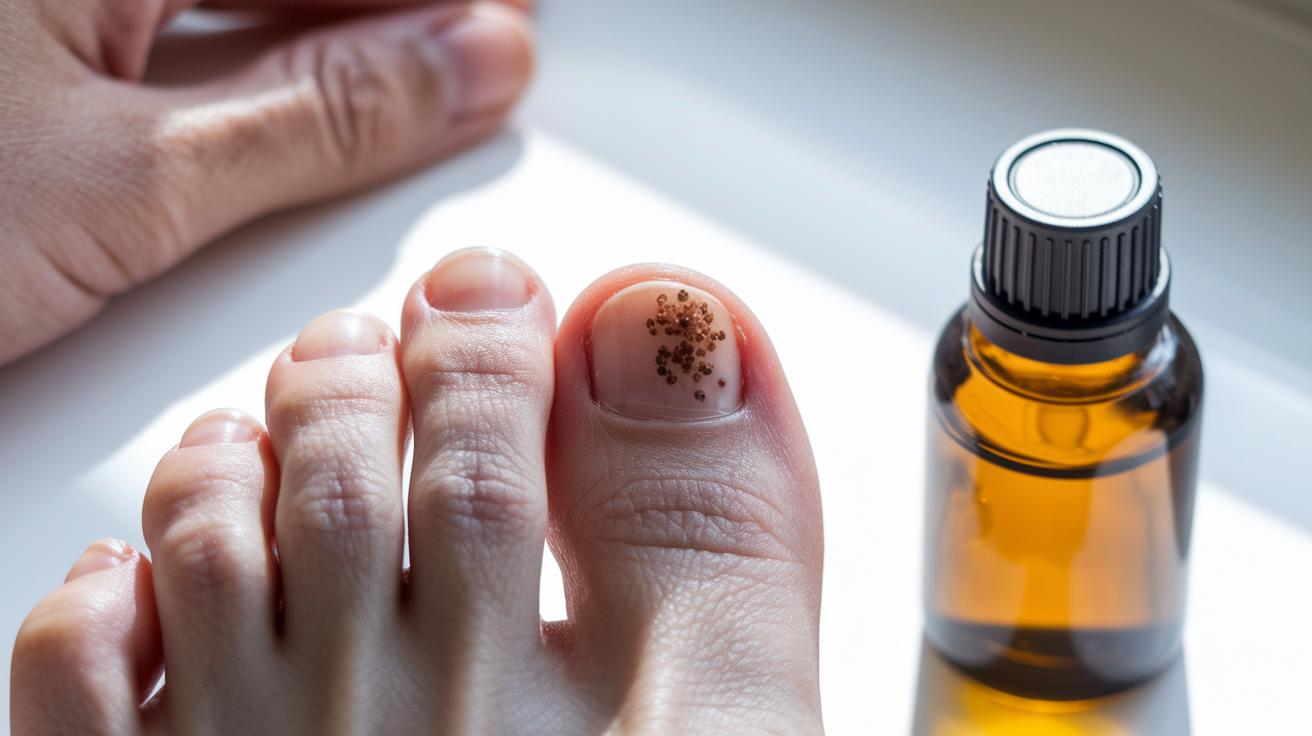
Quick Take: You can use natural oils and ingredients to soothe and fight toenail fungus at home.
If you notice increased pain, spreading redness, or worsening discomfort, stop using these remedies and talk to a clinician.
Tea tree and lavender oils work well together. Mix 2 drops tea tree oil with 2 drops lavender oil in 8 ml of a carrier oil like coconut or olive oil. Apply this blend on your toenail once each day. This mixture fights the fungus while calming the skin around it.
Try rotating treatments to make it harder for fungus to become resistant. One way is to alternate tea tree oil with oregano oil on a weekly schedule. Changing the oils means the fungus faces different natural compounds each time.
Garlic also has antifungal effects. Blend equal parts garlic juice and coconut oil. This mix helps the garlic work deeper into the nail, boosting its disease-fighting power.
Another option is Vicks VapoRub. Put a thin layer on the affected nail and cover it with a breathable sock overnight. The menthol and camphor in Vicks may help the treatment work better.
Store all your mixes in dark glass bottles at room temperature. They should be used within 2 weeks to keep their strength. Adding one drop of vitamin E oil to any blend can help your nail repair and keep the skin moisturized.
- Follow safe application practices
- Rotate treatments to reduce resistance
- Store mixtures properly to keep them effective
Daily Prevention and Management Tips for Toenail Fungus
Quick take: Dry, clean feet are your best defense against toenail fungus.
Keep your feet dry. Change your socks every day and choose shoes that wick moisture away. Trim your nails regularly and smooth any thick areas so fungus has less room to hide. Wash your feet with soap and water, and dry carefully between your toes. This steady routine helps stop fungus and supports nail healing.
Be cautious in warm, damp places like locker rooms and pool areas. When using communal showers, wear flip-flops to cut down on exposure to germs. By taking care of yourself and your surroundings, you lower your chance of reinfection.
Make these steps a daily habit. Check that you are washing, drying, and caring for your feet properly. Small, regular actions can greatly reduce the risk of fungus coming back.
When to Consult a Professional for Toenail Fungus
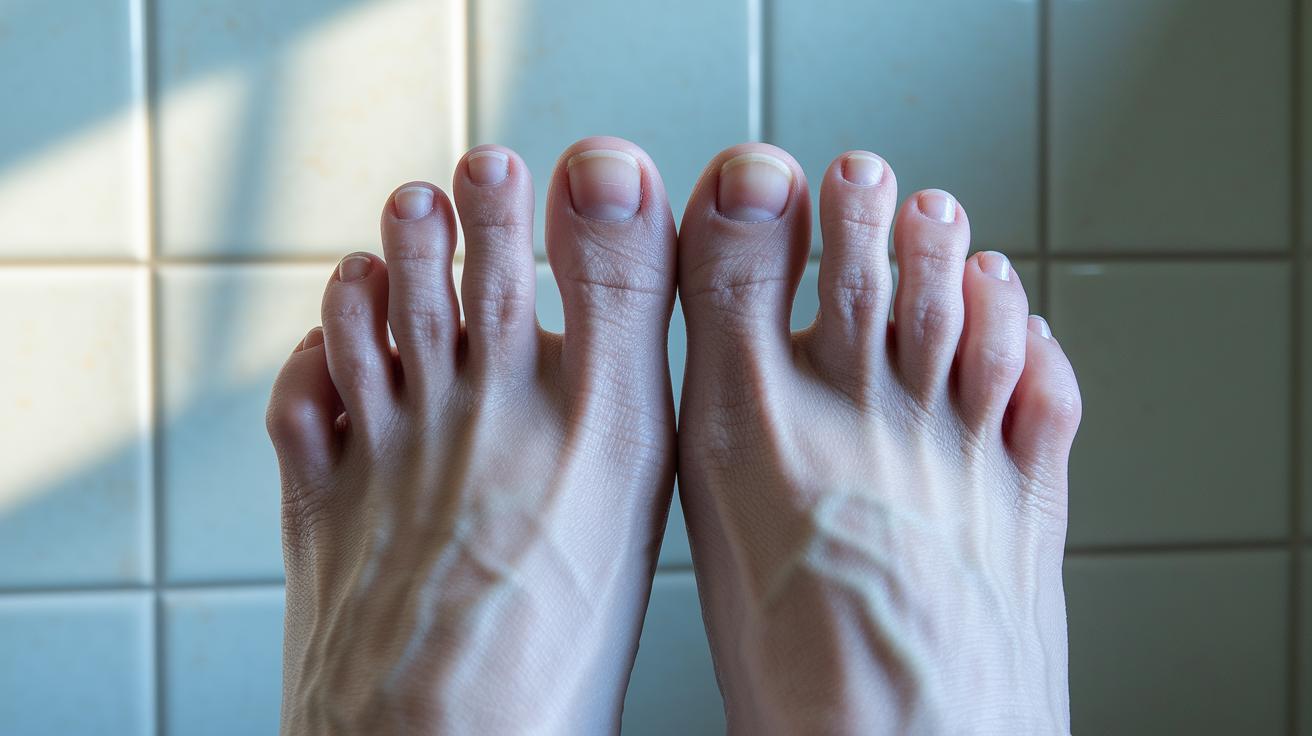
Quick take: If your home treatments show no improvement in 2–3 months or your symptoms get worse, it’s time to see a doctor.
If you notice any of these signs, seek help:
- Severe pain in or around your nail
- A nail that lifts or detaches
- Redness spreading from the affected area
- Discharge or pus coming from the nail
Using home remedies for a couple of months may not be enough if your condition doesn’t improve. Persistent toenail fungus can lead to pain, thicker nails, and even pus. These signs mean the infection could be growing, and you need professional care.
A podiatrist or doctor can check your nail and decide if you need prescription oral antifungals like terbinafine or itraconazole to tackle the fungus from inside. They might also suggest prescription topical treatments that help clear the infection.
Professional care offers several treatment options. Your healthcare provider might also recommend in-office procedures such as laser therapy. They can check if bacteria are also present and tailor a treatment plan to help restore your nail’s health.
Final Words
In the action of tackling toenail fungus, this guide delivered clear, step-by-step home treatments. We reviewed natural remedies like tea tree oil, apple cider vinegar, garlic, baking soda, and coconut oil. You also learned effective DIY soaks, advanced topical blends, and daily care tips to keep your nails healthy. We outlined signs that suggest it’s time to seek professional care. Remember, a trusted toenail fungus remedy home approach can make a difference. Stay proactive, follow safe practices, and keep moving forward with confidence.
FAQ
What kills toenail fungus instantly?
The question suggests fast action; potent antifungal treatments like tea tree oil or apple cider vinegar in home soaks may reduce fungus quickly. Yet, consistent use over weeks is essential for noticeable improvement.
What kills toenail fungus permanently?
While strong home remedies help, no treatment guarantees a permanent cure. Ongoing care or professional treatment is often needed to control the fungus long term.
How to know if toenail fungus is dying?
Signs of improvement include nails gradually losing discoloration, reduced debris, and less thickening with consistent treatment.
What is the most effective treatment for toenail fungus?
Effective treatment typically involves a combination of known remedies such as tea tree oil, apple cider vinegar soaks, and in some severe cases, prescription medications.
How to cure fingernail fungus fast at home?
Using antifungal agents like tea tree oil and crushed garlic consistently can help improve fingernail fungus; however, steady daily use is key to seeing results.
What is EmoniNail toenail fungus treatment?
EmoniNail is a product designed to manage toenail fungus. Its effectiveness may vary, so it’s recommended to review clinical advice and user feedback before use.
What is the best home remedy for toenail fungus?
Popular home remedies include tea tree oil, apple cider vinegar, or Listerine soaks. The best remedy depends on your nail condition and your commitment to consistent treatment.
How to treat nail fungus in toddlers?
Treating nail fungus in toddlers requires extra care. Always consult a pediatrician for safe and child-appropriate treatment options, as adult remedies may not be suitable.
What is better for toenail fungus, white vinegar or apple cider vinegar?
Apple cider vinegar is often favored due to its stronger acidic properties that help hinder fungal growth, though individual responses to each can vary.