
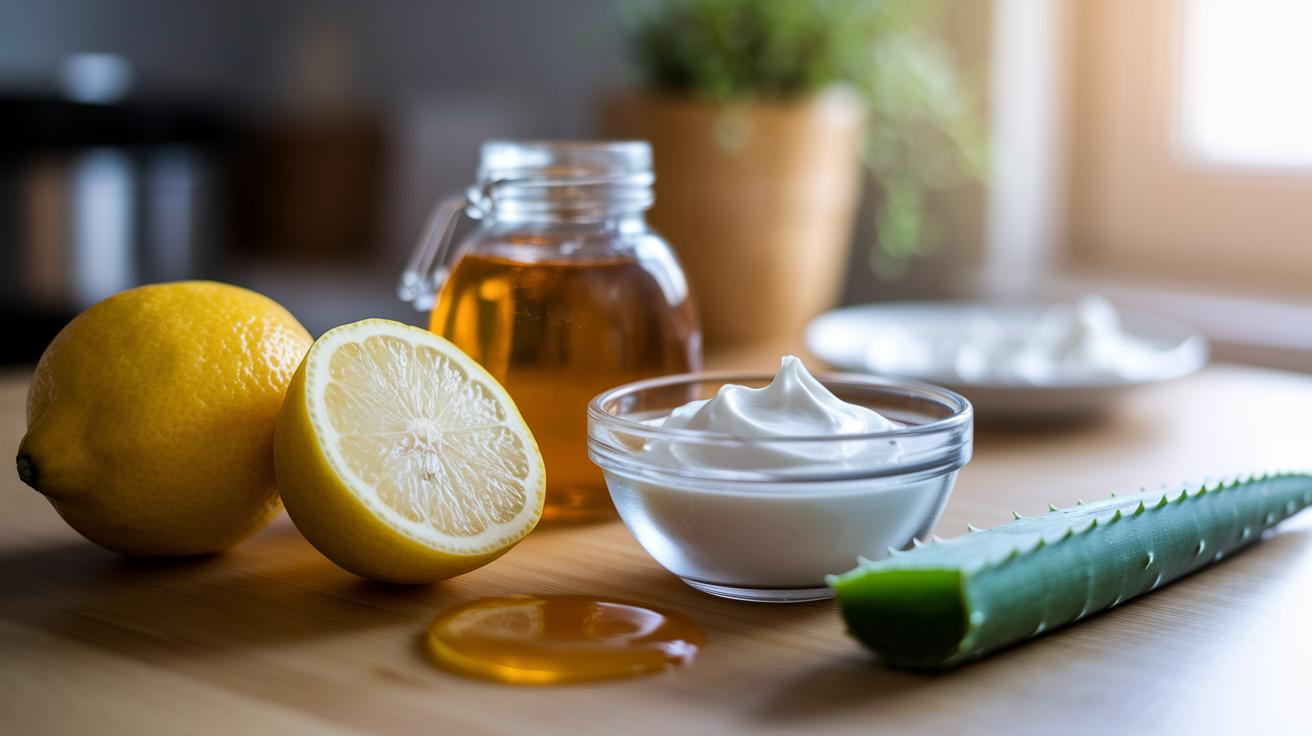

Quick take: A warm compress may help ease boil pain at home.
If you have these emergency signs, call emergency services now:
• High fever (over 102°F)
• Red streaks spreading from the boil
• Severe pain that worsens quickly
A warm compress is a simple, safe home remedy. Many people find it helps reduce swelling and brings the infection to the surface. Here’s how you can use this method:
- Heat some water until it’s warm (not hot).
- Soak a clean cloth in the warm water and wring it out gently.
- Place the cloth over the boil for about 10 minutes.
- Repeat 3-4 times daily.
That sounds like a gentle way to care for your skin, and it uses things you already have. But if the boil gets worse or you notice any red flags, talk to your doctor right away.
Warm Compress Therapy for a Fast Boil Home Remedy
Quick take: A warm compress can soothe a boil by boosting blood flow and easing pain.
If you notice any signs like worsening redness, severe pain, or rapid swelling, seek urgent care immediately.
Applying heat to a boil helps your body fight the infection. The warmth increases blood flow, which brings in white blood cells to clear the infection. It also naturally reduces swelling and eases discomfort as the boil heals.
Follow these at-home steps:
- Warm water to 104°F–110°F.
- Soak a clean cloth or gauze in the warm water.
- Place the warm cloth on the boil for 10–15 minutes.
- Repeat 3–4 times throughout the day.
- Gently pat the skin dry and apply a light antiseptic ointment.
A warm compress can soften the skin and promote the boil to come to a head, letting the pus drain naturally. You may see a decrease in swelling and tenderness within 24–48 hours.
Keep an eye on your symptoms. If your boil worsens or doesn’t improve, contact your healthcare provider for further guidance.
Herbal Poultice for a Gentle Boil Home Remedy
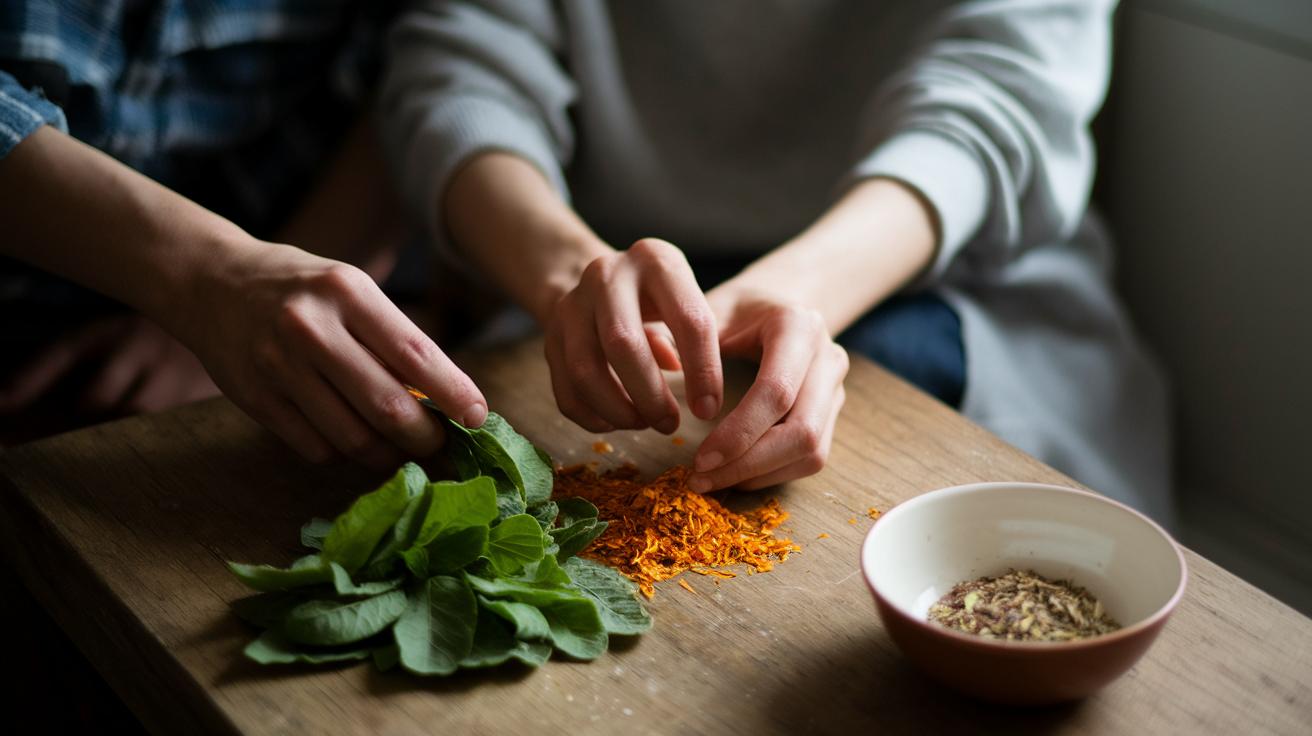
Quick take: This simple herbal paste may help soothe a boil and encourage it to drain, but watch for signs that need professional care.
If you experience any of these red flags, call your healthcare provider now:
- The boil gets bigger or more painful.
- You develop a fever (102 F or higher) or chills.
- Redness spreads around the area.
- It does not improve in 3 days.
Here’s how you can use an herbal poultice at home:
- Crush fresh plantain or calendula leaves until they form a smooth paste.
- Add a few drops of warm water to reach a thick, spreadable consistency.
- Apply the mixture generously over the boil.
- Cover the area with a clean piece of gauze.
- Leave it on for 15–20 minutes.
- Rinse the area gently with lukewarm water and pat dry with a clean towel.
- Repeat the process twice each day until you notice the boil draining and the redness or discomfort easing.
This home remedy uses natural ingredients to help draw out impurities and ease skin discomfort. Remember, if your symptoms worsen or you see any red flags, seek professional advice right away.
Turmeric and Honey Mix: A Potent Boil Home Remedy
Quick take: This remedy may help reduce boil inflammation and draw out infection.
If you notice any of these emergency signs, call emergency services now:
• The boil rapidly grows or looks very red.
• You have a fever (above 102 F) or severe pain.
• The swelling spreads quickly or you feel very unwell.
Urgent concerns:
• If the boil gets worse or does not improve after a few days, seek same-day medical attention.
Basic self-care steps:
• Try this remedy daily and keep the area clean.
• Monitor your boil. If red flags appear, stop and get help.
To make the paste, mix 1 teaspoon of turmeric powder with 1 teaspoon of raw honey until the mix is smooth and free of lumps. Turmeric has curcumin (a natural ingredient that helps reduce inflammation), and raw honey acts as a mild antiseptic to clean the boil. Stir these in a small bowl until you reach a lump-free texture.
Next, wash your hands well or use a disposable applicator to apply the paste directly on the boil. Cover the area gently with a sterile bandage. Let it sit for 15–20 minutes so the paste can work on calming the inflammation and drawing out the infection. After this time, remove the bandage and rinse the boil area with lukewarm water. Use the treatment daily to help soothe the boil and support your body’s healing process.
Mechanism of Curcumin’s Anti-Inflammatory Action
Curcumin (the active part of turmeric) helps manage swelling by blocking proteins that signal inflammation. This means it may help reduce the boil’s local swelling and ease irritation. When you apply the paste, curcumin works on calming the skin while helping to repair the tissue. Its natural anti-inflammatory effect can lessen discomfort and create a less friendly environment for bacteria. Using this remedy each day might also support your immune system to handle the infection more effectively.
Tea Tree Oil Compress in Your Boil Home Remedy Routine

Quick take: This tea tree oil compress offers a gentle natural antiseptic boost to a mild boil.
If you notice any of these signs, seek urgent care:
- Fever or worsening pain
- Red streaks or increased swelling
Here’s how to prepare your compress:
• Mix 2–3 drops of tea tree oil with each teaspoon of a carrier oil such as coconut or olive oil. This dilution helps prevent skin irritation.
• Stir the blend thoroughly so the oils mix evenly. This step ensures you get the benefits of tea tree oil without harsh concentration.
• Soak a clean cotton pad in the diluted mixture.
• Gently press the pad onto the boil for about 10 minutes, letting the antiseptic properties work on the affected area.
• Rinse the skin with water after the compress and let it air dry completely.
Remember, using a high-quality, 100% pure tea tree oil maximizes the benefits to lower the risk of infection and boost skin healing. If your symptoms worsen or the boil spreads, contact your doctor promptly.
Safety Precautions and Warning Signs in Boil Home Remedy Care
Quick Take: Clean and test your tools first, and stop treatment if warning signs appear.
Triage Box:
• If red streaks head toward your heart, call emergency services.
• If you develop a fever over 100.4°F, seek medical help immediately.
• If redness or throbbing pain worsens, stop the remedy and get care.
Before you use any home remedy for a boil, perform a patch test. Apply a tiny bit of your treatment on a small, healthy patch of skin. Watch for any reaction like redness, itching, or swelling.
Clean your hands and tools carefully. Wash cloths, gauze, and any other items with hot soapy water or alcohol before each use. Using fresh, sterilized tools every time helps keep extra bacteria away from the boil.
Keep an eye out for signs that the infection could be getting worse. Spreading redness, a fever above 100.4°F, constant throbbing pain, or red streaks moving toward your heart are serious warning signs. If you experience any of these, stop using your remedy immediately and get a medical evaluation. These steps help prevent complications and keep your at-home care safe.
Preventing Future Boils with Simple Boil Home Remedy Practices
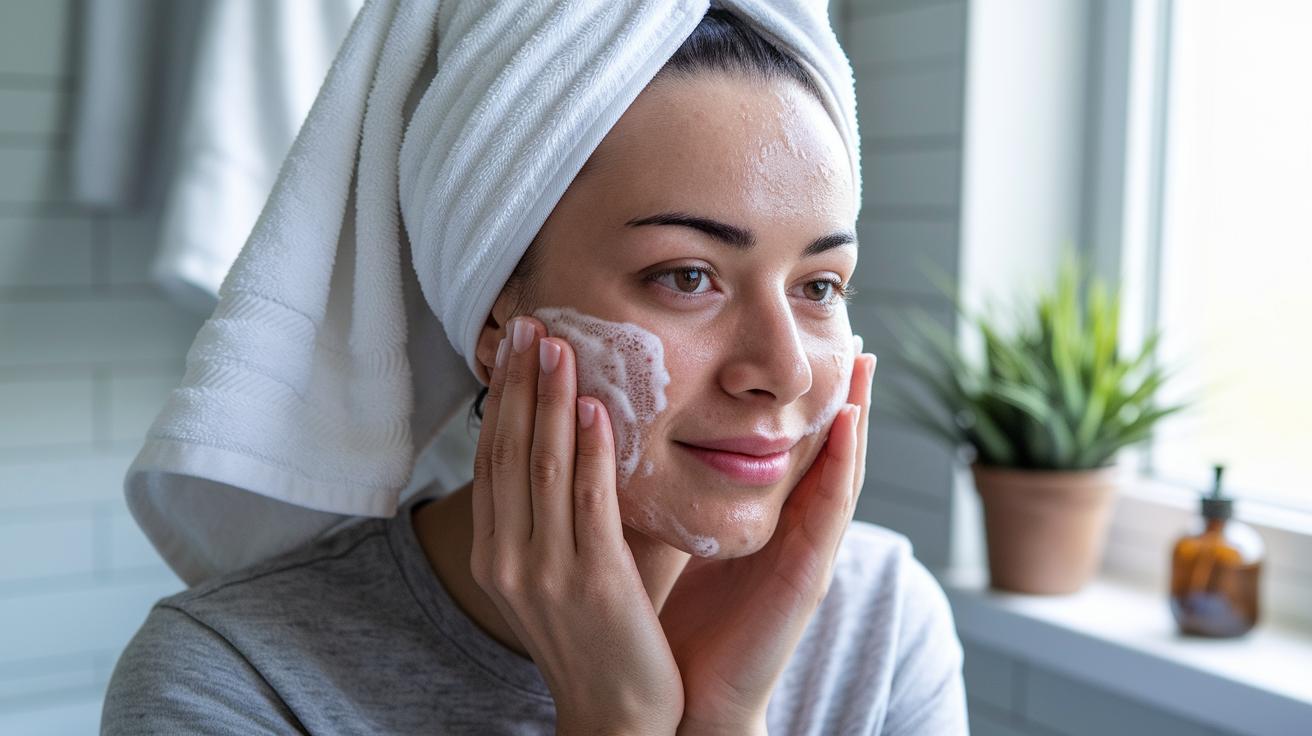
Quick take: Good skin care and a strong immune system can help you prevent future boils.
Keep Your Skin Clean:
• Wash your face and any affected areas gently with warm water and a mild cleanser at least once a day.
• Pat your skin dry with a soft towel. Avoid rubbing hard, as that can irritate your skin.
• Wear loose cotton clothes so your skin can breathe and face less friction.
These steps help keep germs away from small cuts and pores, lowering the risk of new boils.
Support Your Immune System:
• Eat a balanced diet with fruits, vegetables, and lean proteins to give your body the fuel it needs to fight infections.
• Drink at least 8 cups of water daily to stay well hydrated.
• Once a week, use a diluted tea tree oil wash (2 drops of tea tree oil per teaspoon of carrier oil) to support your skin’s natural antibacterial barrier.
Together, these actions boost your overall skin health and help prevent future boils.
Final Words
In the action, we explored warm compress therapy, an herbal poultice, a turmeric and honey mix, and a tea tree oil compress as practical boil home remedy steps. Each method helps reduce swelling naturally while easing pain. We also reviewed key safety precautions and future boil prevention techniques. Keep these clear, step-by-step guidelines in mind and monitor your progress. Stay positive and proactive about your health while following these remedies carefully.
FAQ
How does a warm compress help treat a boil?
A warm compress increases blood flow and eases pain. Heating water to 104°F–110°F, soaking a clean cloth, and applying it for 10–15 minutes 3–4 times daily helps reduce swelling and discomfort around the boil.
How do you prepare an herbal poultice for a boil?
An herbal poultice draws out infection by crushing fresh calendula or plantain leaves into a paste, adding warm water, applying it over the boil, covering with gauze, and leaving it on for 15–20 minutes before rinsing.
What is the turmeric and honey mix remedy for boils?
The turmeric and honey mix uses 1 teaspoon of turmeric powder with 1 teaspoon of raw honey to form a paste applied directly to the boil. This mix helps reduce inflammation and pain by acting against inflammatory signals in the skin.
How does a tea tree oil compress work in a boil remedy?
A tea tree oil compress uses natural antiseptic properties. Dilute 2–3 drops of tea tree oil in a teaspoon of carrier oil, soak a cotton pad, and press it gently onto the boil for 10 minutes to help minimize the infection.
What safety precautions should you take when using boil home remedies?
Safety measures include performing a patch test and sterilizing all tools. Watch for signs like spreading redness, fever above 100.4°F, persistent throbbing pain, or red streaks; seek medical help if these occur.
How can you prevent future boils with home remedy practices?
Prevent future boils by maintaining daily skin hygiene with gentle cleansers and loose cotton clothing, supporting immune health through a balanced diet and proper hydration, and using a weekly diluted tea tree oil wash to help keep skin clear.