

Quick take: Meningitis can strike suddenly and may look like a bad cold. Act fast if you see red flags.
Triage:
• Call emergency services now if you have:
- A severe headache that gets worse quickly
- A stiff neck with intense pain
- Unusual drowsiness or trouble waking
- A rash that won’t fade when pressed
• Seek urgent care if your symptoms quickly worsen.
• Monitor your signs closely. Note any changes in headache intensity, neck stiffness, or skin appearance.
Meningitis can start with common signs, like headache and neck pain. Yet when you also feel very sleepy or see a rash that sticks around, it may be more than just a rough day. These early signs are important, acting quickly could lower the chance of long-lasting problems. If you notice these red flags, call for help immediately.
Recognizing Early Indicators of Meningitis
Quick Take: Meningitis is a fast-moving infection that requires quick action if you notice warning signs.
If you have any of these emergency signs, call emergency services right away:
- Severe headache that is new or different
- Stiff neck that makes it hard to touch your chin to your chest
- Unusual drowsiness or difficulty staying awake
- A rash that does not fade under pressure (non-blanching)
- High fever with chills
Meningitis is when the layers around your brain and spinal cord (the membranes) become inflamed. It can happen quickly from either bacteria or viruses. Bacterial meningitis can hit suddenly and is very dangerous. Even viral meningitis, which is usually milder, needs attention and care.
Act fast. Early treatment can reduce the risk of brain damage or long-term problems. Keep a close eye on any changes in your body, and if you feel these symptoms, talk to a healthcare provider immediately.
Remember that signs can vary by age. Infants, children, and adults might show different symptoms. Always seek medical advice if you are worried about any sudden changes in your health.
Distinctive Meningitis Symptoms: Bacterial vs Viral
Quick take: Bacterial meningitis can hit fast and hard, while viral meningitis develops slowly and is usually milder.
If you have any of these emergency signs, call emergency services immediately:
• High fever with a sudden onset
• Stiff neck
• Severe headache that worsens quickly
• Rash with small red or purple spots
Bacterial meningitis starts in just a few hours. You might notice a very high fever, a stiff neck, an intense headache, and sometimes a rash that appears as tiny red or purple spots. This is serious and can lead to complications.
Viral meningitis builds up over a few days. It also brings fever, headache, neck stiffness, and light sensitivity, but the overall sickness is often less severe and gets better on its own.
| Meningitis Type | Onset | Severity | Key Symptoms |
|---|---|---|---|
| Bacterial | Rapid (hours) | Severe; about 10% risk of death, 20% risk of long-term issues | High fever, stiff neck, severe headache, rash with small red or purple spots |
| Viral | Gradual (days) | Mild and usually self-resolving | Headache, fever, sensitivity to light, neck stiffness |
Understanding these differences can help you decide what to do. If you notice signs that fit bacterial meningitis, seek help immediately. With viral meningitis, keep an eye on your symptoms and see a doctor if they suddenly worsen.
Meningitis Headache, Fever, and Neck Stiffness Explained
A sudden, strong headache, a fever over 101°F, and chills can be a red flag. If you notice these symptoms, seek medical help right away.
Neck stiffness is another important sign. This means your neck feels very tight when you try to move it. Doctors use simple tests, like the Kernig test and the Brudzinski test (which check for tight neck muscles), to see if your symptoms match meningitis. A positive result means you need an immediate medical evaluation.
Identifying Meningitis Rash and Skin Signs
Quick take: A red, non-fading rash can be a sign of serious meningitis that needs urgent care.
If you have any of these emergency signs, call emergency services now:
- Fever with a rash that doesn’t fade when pressed
- Severe headache or neck stiffness along with the rash
- Rapid spread of red spots on your body
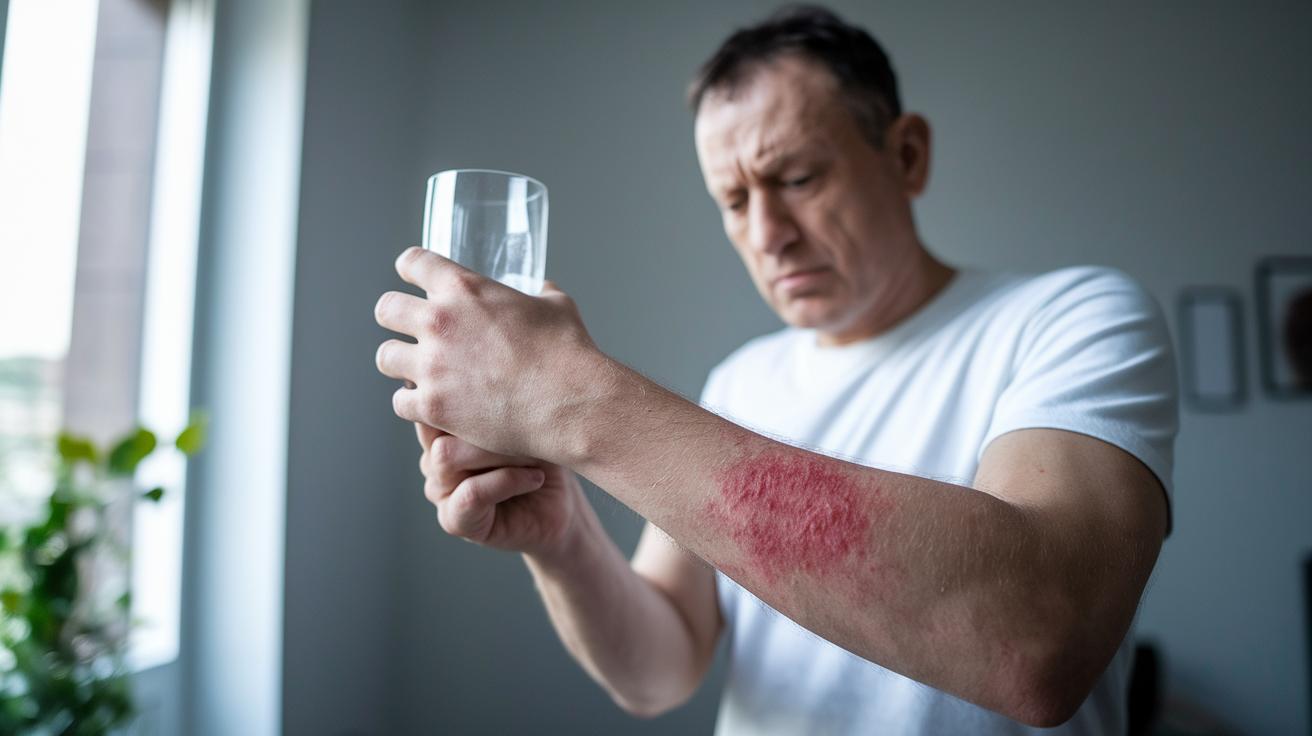
A red rash with tiny spots, known as petechiae (small red spots) or purpura (larger, clustered red spots), may be an early sign of a Neisseria meningitidis infection. The rash starts as small red marks that can quickly clump together. A simple way to check is to press a clear glass against the spots. If they do not turn white (a non-blanching rash), it could be a critical sign of meningitis.
Keep a close eye on any changes. Even a small rash may spread fast over your arms, legs, or trunk. If the rash expands quickly or comes with fever, headache, or neck stiffness, seek medical attention immediately.
sign symptom of meningitis: Stay Alert Now
Quick Take: Even mild changes in mood or behavior can be early signs of meningitis.
Triage Box:
- Call emergency services now if you see any of these:
- Severe confusion or agitation
- Unexpected drowsiness or nodding off
- Seizures
- Trouble with facial movements or hearing
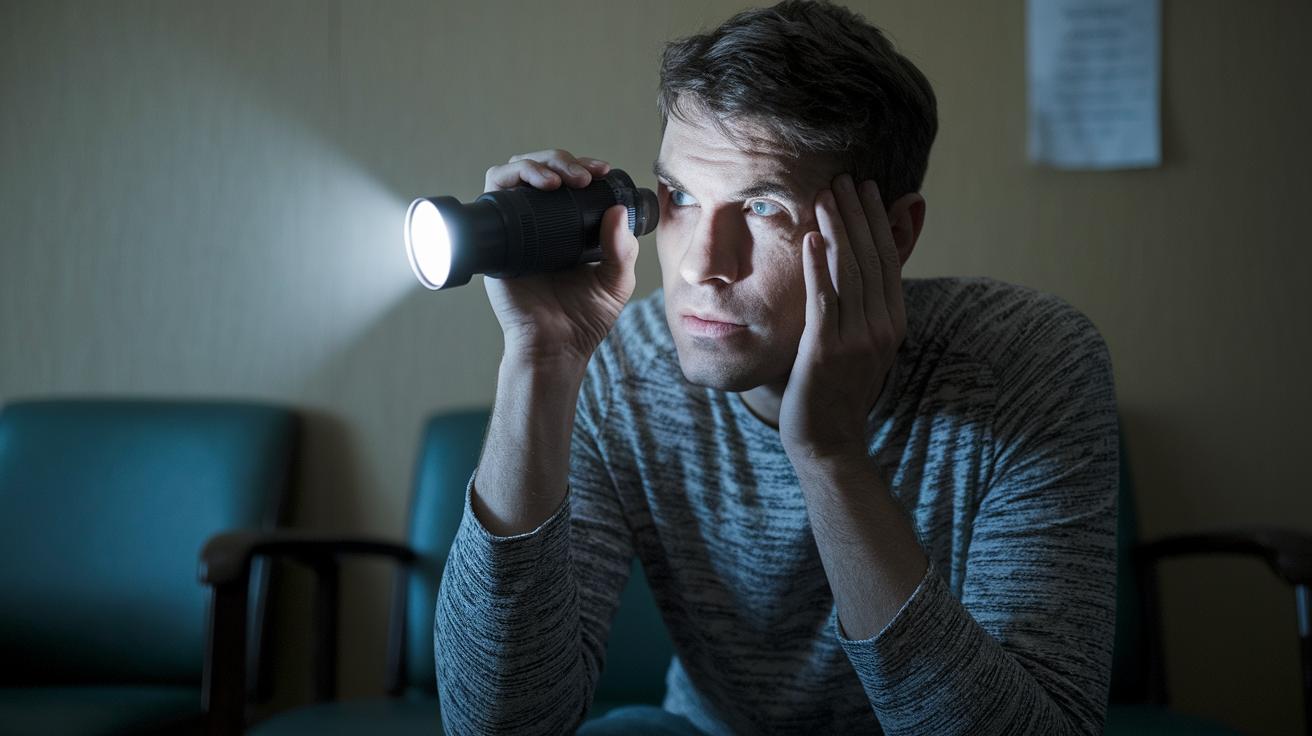
Sometimes, you might notice mild confusion, irritability, or unusual sleepiness that isn’t normal for you. Bright lights may feel extra harsh (light sensitivity). For instance, if someone squints under normal indoor lighting or seems dazed while talking, these can be early hints that the brain is affected.
Children and older adults may show these changes more clearly. It’s important to watch for any shift in mood or behavior, even if it seems small.
If these signs become worse, such as strong agitation, sudden drowsiness, seizures, or problems with facial movement and hearing, you must get medical help right away. These signs show that the infection could be progressing fast and need urgent attention.
Critical Meningitis Warning Signs: When to Seek Help
Quick take: These signs may point to meningitis that is rapidly worsening; act fast.
Triage Box:
• If you see a fever with a stiff neck, severe headache, rash that doesn’t fade, confusion, or seizures, call 911 immediately.
• Watch for rapid breathing or very low blood pressure.
• Stay calm and act now.
Meningitis can progress quickly. A fever paired with a stiff neck, severe headache, or a rash that won’t fade is a serious warning. Confusion or seizures add extra concern. These signals mean every minute counts.
Until help arrives, keep a close eye on how the person is doing. Check if they stay awake, steady, and keep breathing normally. Write down the time and any changes you see. If any sign gets worse or new problems show up, call 911 immediately or go to the nearest emergency room.
Meningitis Diagnostic Tests and Evaluation Methods
Quick take: Your doctor uses several clear steps, physical exam, fluid tests, imaging, and blood tests, to check for meningitis.
Triage Box:
- Emergency: If you experience a high fever, severe headache, confusion, or seizures, call emergency services immediately.
- Urgent: If your headache, stiff neck, or sensitivity to light worsens, seek same-day medical care.
- Watch and self-manage: For mild symptoms, monitor closely and follow up with your clinician.
Your doctor starts by asking about your health history and performing a short exam. They will check if you have a stiff neck (tight neck muscles) and notice any changes in alertness or behavior that could point to an infection.
One key test is the lumbar puncture. In this test, a small amount of fluid from around your brain and spine (cerebrospinal fluid) is drawn from your lower back. The lab then checks this fluid for white blood cells, sugar (glucose), and protein levels, and they run a culture to find the germ causing the infection. This test confirms if you have meningitis and helps decide whether it is bacterial, viral, or another type.
Sometimes, imaging tests come next. If there is even a slight worry about high brain pressure or a mass (abnormal growth), your doctor might order a CT scan or MRI before doing a lumbar puncture to stay safe. Blood tests, including blood cultures and PCR tests (lab tests that detect germs), also play an important role. These tests help pinpoint the cause so you can get the right treatment as quickly as possible.
Age-Specific Meningitis Signs in Infants, Children, and Adults
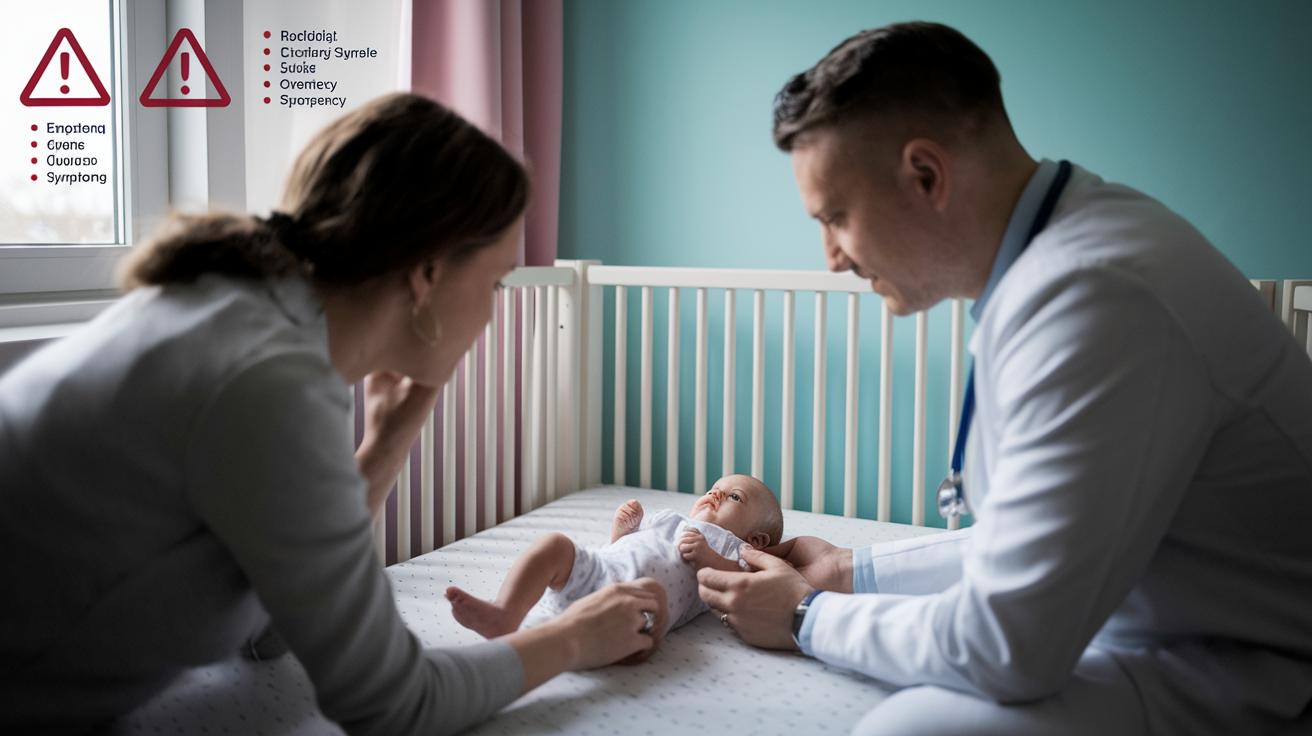
Quick take: Meningitis can be life-threatening at any age. Watch carefully for these symptoms and act right away if you see any signs of danger.
Triage Box:
If you see any of these emergency signs, call emergency services now:
- Breathing problems or seizures
- Extreme sleepiness or unresponsiveness
- Severe confusion or inability to wake up
For Infants:
Infants with meningitis may show a few subtle but serious signs. Their soft spot (fontanel) might bulge more than usual. They may feed poorly, cry with a high pitch or more than normal, have an unexplained fever (above 100.4 F), and seem very irritable. Since babies cannot tell you how they feel, watch carefully for changes in their eating or behavior. If you notice these signs, call your doctor immediately.
For Children:
Children may show symptoms similar to adults, but some signs might also be behavior changes. They can have a headache, throw up, or show a stiff neck that makes it hard to tilt the chin down to the chest. They might also develop a rash and be extra sensitive to bright light, causing squinting. If your child seems unusually sleepy or irritable, it could be an early warning. Let your doctor know right away if these symptoms are seen.
For Adults:
Adults with meningitis may feel a sudden, severe headache, have a high fever (over 102 F), and a stiff neck. They might also feel confused or find bright lights very uncomfortable. If you live in a crowded space or have a weak immune system, these signs need urgent evaluation. Do not delay, get medical help immediately if you experience these symptoms.
Remember: early detection and quick action can be lifesaving. Always trust your instincts and seek help if meningitis is suspected.
Final Words
In the action of spotting early signs, this guide breaks down meningitis symptoms into clear, manageable steps. It covers everything from head pain, fever, and neck stiffness to skin changes and behavioral shifts. It also explains how bacterial and viral cases differ and when immediate help is needed. The guide outlines diagnostic steps and age-specific signs so you can monitor symptoms confidently. Remember, one critical sign symptom of meningitis should prompt urgent care. Stay aware, take smart actions, and keep your loved ones safe.
FAQ
What is meningitis?
The term meningitis refers to inflammation of the membranes around the brain and spinal cord. It is caused by bacteria, viruses, or fungi.
What are the early symptoms of meningitis in adults?
The early symptoms in adults often include a severe headache, stiff neck, high fever, drowsiness, and sometimes a faint rash that should prompt immediate evaluation.
What are the common symptoms of viral meningitis?
Viral meningitis typically starts with a gradual onset of headache, fever, neck stiffness, and light sensitivity. These symptoms tend to be milder and improve with supportive care.
What are the common symptoms of bacterial meningitis?
Bacterial meningitis presents with a rapid onset of high fever, severe headache, stiff neck, confusion, and often a non-blanching rash that signals a medical emergency.
What are the key signs of meningitis?
Key signs include fever, headache, stiff neck, light sensitivity, and altered mental status. These symptoms form a critical checklist to help recognize the condition early.
What does a meningitis rash look like?
A meningitis rash starts as small red spots on the skin which may merge, and it does not fade when pressed with a glass. This sign is especially critical in bacterial infections.
How is meningitis treated?
Meningitis treatment depends on its cause. Bacterial meningitis requires urgent antibiotics, while viral meningitis is managed with supportive care to relieve symptoms.
What causes meningitis in adults?
In adults, meningitis is often caused by bacteria, such as Neisseria meningitidis, or viruses like enteroviruses, with each type affecting treatment and urgency differently.