

Quick take: Some pregnancy signs may need fast action.
If you have any of these emergency signs, call emergency services now:
• Heavy bleeding
• Severe pain or cramping
• Dizziness or fainting
• Reduced baby movement
Some symptoms during pregnancy may feel normal at first but can signal a problem. What you think is a typical symptom might be a call to act quickly to keep you and your baby safe. In this article, we explain the key warning signs that need prompt care.
Keep track of your symptoms. Write down what you feel, when you feel it, and how severe it is. This information can help your clinician decide the best next step.
Trust your instincts. If something feels off, share your concerns with your doctor right away. Stay informed and don’t hesitate to seek help if your symptoms get worse.
Key High-Risk Pregnancy Symptoms Explained
Quick Take: These symptoms can signal serious risks that need prompt medical care.
Triage Box:
• Call emergency services now if you experience heavy vaginal bleeding.
• Call emergency services now if you have a severe, constant headache.
• Call emergency services now if you notice sudden changes in your vision, such as blurring or double images.
• Call emergency services now if you feel sharp, intense pain in your lower belly or pelvic area.
• Call emergency services now if you see rapid swelling in your hands or face.
• Call emergency services now if you notice your baby moving less or not at all.
• Call emergency services now if you have a fever over 100.4°F.
• Call emergency services now if you experience signs of early labor, like frequent contractions or backache.
High-risk pregnancy means that you or your baby may face health issues that need closer check-ups by your doctor. Watching out for these warning signs can help you act quickly to prevent any serious problems.
If you notice any of these symptoms, especially heavy bleeding, a severe headache, or a drop in your baby’s movements, don’t wait. Contact your provider immediately or go straight to the emergency room to have your condition checked. Stay safe and trust your instincts.
High-Risk Pregnancy Causes and Key Risk Factors
Your overall health sets the stage for your pregnancy. Being older than 35 can raise your risk because your body and genes change with age. If you already have conditions like diabetes, high blood pressure, lupus, thyroid issues, epilepsy, or sickle cell anemia, they can affect the placenta (the organ that nourishes your baby) and slow your baby’s growth. Carrying extra weight (body mass index of 30 or more) adds stress to your body and may lead to gestational diabetes or high blood pressure. When these risk factors exist before pregnancy, your healthcare team will keep a close eye on you and your baby.
During pregnancy, new issues can also occur. Conditions like gestational diabetes and preeclampsia (a type of high blood pressure that can harm organs) can develop even if you were healthy before. If you experience sudden weight gain, changes in your blood sugar, or any unusual signs, it is important to tell your doctor. These changes help your care team decide if additional tests or treatments are needed to keep you both safe.
| Risk Factor | Explanation | Potential Impact |
|---|---|---|
| Advanced Maternal Age | Women older than 35 | Higher risk of genetic problems, longer labor, cesarean delivery |
| Preexisting Conditions | Diabetes, high blood pressure, and other chronic illnesses | Placental issues and restricted baby growth |
| Obesity (BMI ≥30) | Extra body weight that stresses the body | Gestational diabetes, high blood pressure, increased chances of cesarean |
| Multiples | Carrying twins, triplets, or more | Premature birth, anemia, and higher risk of high blood pressure |
| Pregnancy-Induced Conditions | New issues like gestational diabetes and preeclampsia | Risk of organ strain and early delivery |
Urgent Red Flag Symptoms in High-Risk Pregnancy
Quick take: Sudden, sharp changes in your body mean you should get help right away.
Watch for big shifts in how you normally feel. For example, a sudden increase in swelling or a new, sharp pain in your lower belly could signal a serious issue like placental abruption (when the placenta starts detaching). Even small changes in your usual symptoms can be a warning sign, so be alert.
Remember, mild discomfort or steady, slight swelling might not need emergency care. But if you notice a rapid change, sudden severe pain, or any new unusual signs, act now. If a familiar symptom suddenly gets worse or new symptoms join it, contact your provider immediately.
If several severe signs show up together, do not delay. Call your provider or go to the emergency room immediately to protect both you and your baby.
Monitoring High-Risk Pregnancy Symptoms and Screenings
Quick take: If you have a high-risk pregnancy, regular check-ups help keep you and your baby safe.
Triage:
- If you notice a sudden change in your baby's movements or heart rate, call emergency services now.
- If you have a severe headache, sudden swelling, or vision changes, seek care immediately.
- If your blood pressure spikes unexpectedly, contact your healthcare provider.
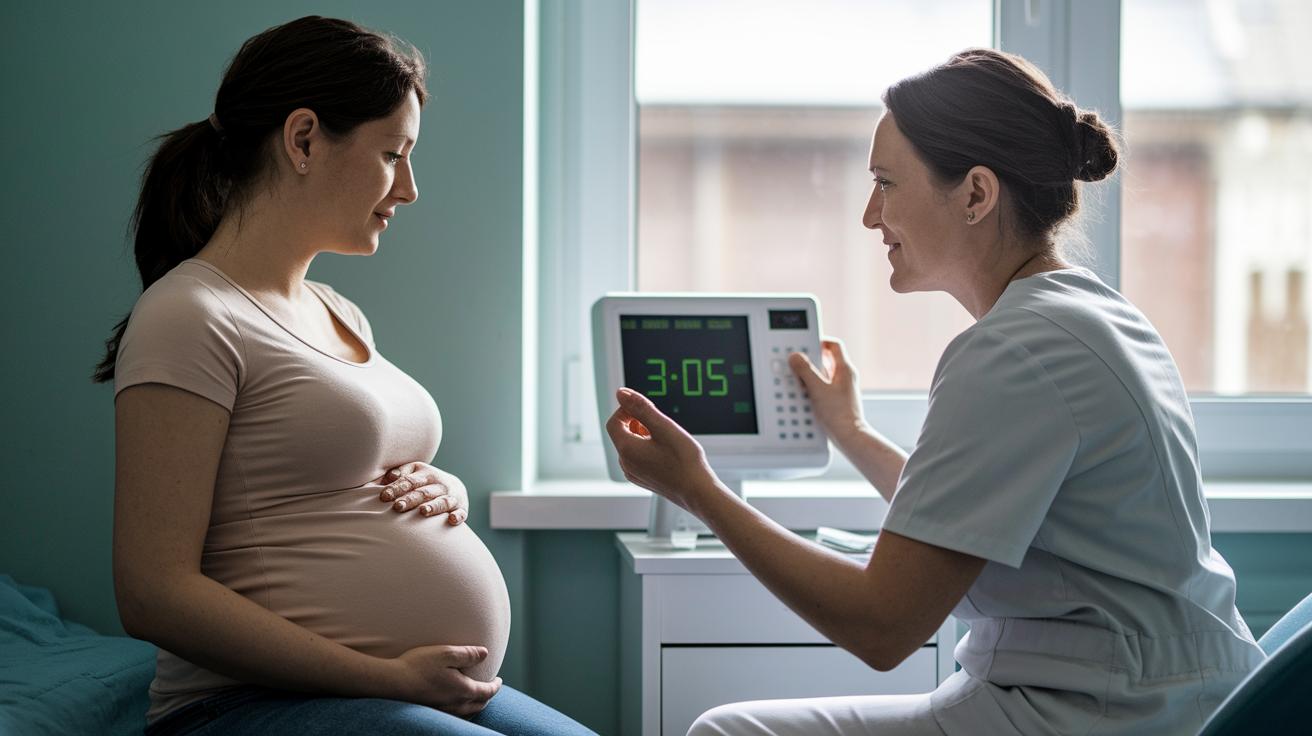
When you have a high-risk pregnancy, your care team will see you every 1 to 2 weeks. They use different tests to check on both you and your baby. Routine ultrasounds show your baby’s growth and position. A non-stress test (NST) watches your baby’s heart rate and movements for any signs of trouble. Your blood pressure is checked at every visit because high readings can hint at preeclampsia (a kind of high blood pressure). You may also get a glucose tolerance test to screen for gestational diabetes (high blood sugar during pregnancy) that can affect both your health and your baby’s.
It’s really important to stick to all your scheduled appointments. These regular tests keep track of your baby’s heartbeat and movements, and they also monitor your overall health with blood tests and other checks. Keeping a clear record of your test results helps your doctor notice any changes early and adjust your care plan if needed. Working together with your care team can help manage risks and protect both you and your baby.
Home Care for High-Risk Pregnancy Symptoms
Quick take: Eat well, stay active, and watch for any changes in your body.
Triage Guidance:
- If you notice a noticeable drop in your baby’s kicks, call your healthcare provider immediately.
- If your blood pressure reads above 140/90 mm Hg more than once, reach out to your care team without delay.
- If new or unusual symptoms appear, seek medical advice right away.
Healthy Living:
A balanced diet helps you and your baby stay strong during a high-risk pregnancy. Choose plenty of fruits, vegetables, lean proteins, and whole grains. Keep an eye on your weight and drink enough water every day. Gentle exercise, like walking or prenatal yoga, can also make a big difference.
Monitoring Your Health:
Keeping track of your body’s signals is key. Write down your baby’s kicks in a diary or checklist each day. Also, measure your blood pressure at home to catch early signs of any issues such as preeclampsia (high blood pressure during pregnancy). Record the date, time, and your readings so you have clear information for your next check-up.
When to Act:
If your baby’s movement drops significantly or if your blood pressure stays high, contact your healthcare provider immediately. Don’t wait if you feel something is off. Staying on top of these changes helps your doctor adjust your care quickly and keep you both safe.
Specialized Care for High-Risk Pregnancy Symptom Management
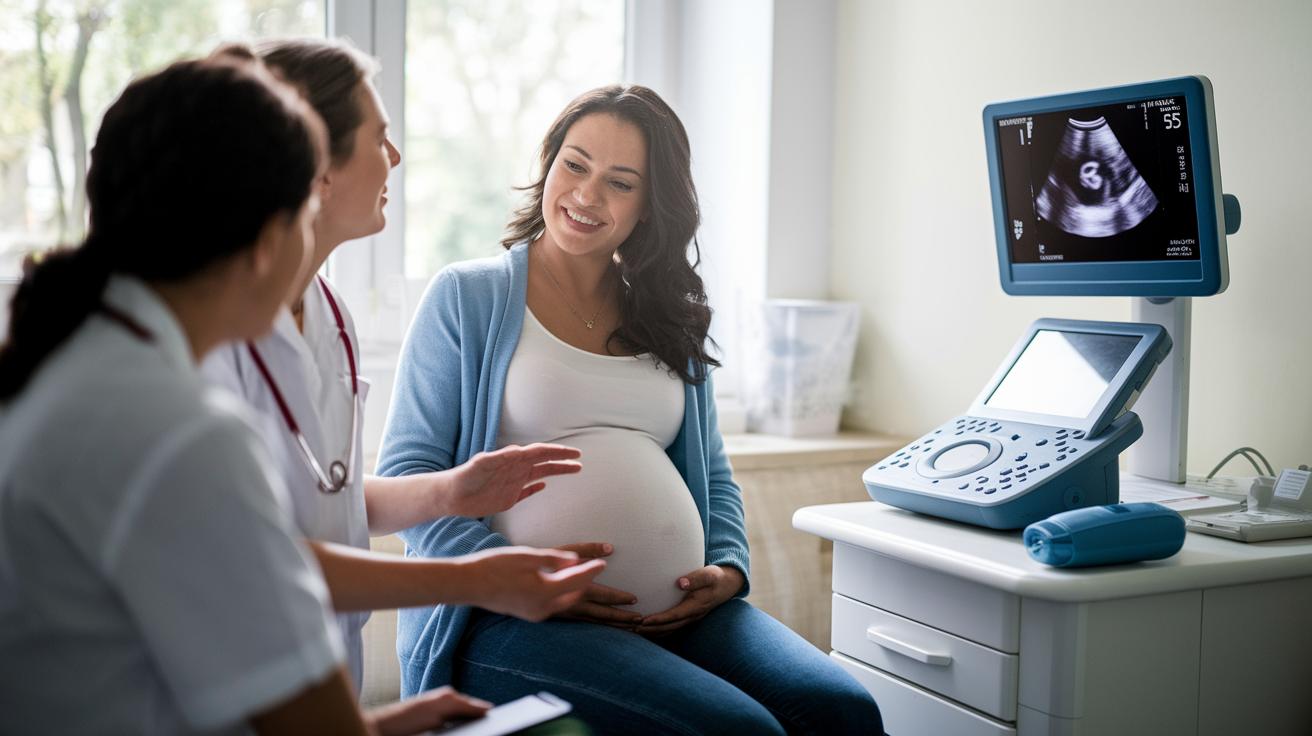
Specialized pregnancy care teams look after both your body and your emotions. They use regular ultrasounds, non-stress tests (which check your baby’s heart rate), and custom medication plans to help manage high-risk pregnancies. This personal care builds your confidence and helps ease your worries.
One mother shared that regular check-ins with her care team turned her uncertainty into calm. Continuous support and clear care plans can help lower anxiety during this challenging time.
Your care team will also work with you on home monitoring. They might ask you to record your vital signs, such as blood pressure, and track your baby’s movements every day. This routine helps them spot any issues early and adjust your treatment quickly.
Many women find that regular, caring follow-ups not only catch potential problems fast but also turn worry into a sense of empowerment.
Final Words
In the action, this article broke down key signs and red flags to help you act fast. We covered common high-risk pregnancy symptoms, urgent warning signs, and the value of self-monitoring alongside professional care. Our guide also explained risk factors and practical home care to support better decision-making. You now have clear next steps when you see a high risk pregnancy symptom. Keep track of your health and stay proactive. Small steps make a big difference in keeping you and your baby safe.
FAQ
Q: What are the common high-risk pregnancy conditions and where can I learn more about them?
A: The common high-risk pregnancy conditions include issues like high blood pressure, diabetes, or carrying multiples. Charts, PDFs, or presentations by your provider can offer detailed lists and explanations.
Q: What does a high-risk pregnancy mean in the first trimester?
A: A high-risk pregnancy in the first trimester means that early warning signs—such as heavy bleeding, severe headache, or other unusual symptoms—may appear, calling for extra monitoring during early pregnancy.
Q: How does maternal age affect the risk of a high-risk pregnancy?
A: Maternal age plays a role in risk assessment. While advanced age (typically above 35) increases risk, even pregnancies around age 30 may be considered high-risk if other factors are present.
Q: What are the warning signs of a high-risk pregnancy?
A: Warning signs include heavy vaginal bleeding, persistent severe headache, sudden vision changes, intense abdominal pain, marked swelling, decreased fetal movement, high fever over 100.4°F, and signs of preterm labor, all of which need prompt attention.
Q: Do high-risk pregnancies always result in early delivery?
A: High-risk pregnancies may sometimes lead to early delivery if complications arise, but this is not always the case. The timing of delivery depends on individual circumstances and your healthcare team’s decisions.
Q: How can I determine if I have a high-risk pregnancy?
A: You may be considered high-risk if you have factors such as advanced maternal age, preexisting health conditions, or are carrying multiples. A thorough evaluation by your healthcare provider is key to determining your risk.