


Quick take: A nagging pain may be more than a minor annoyance. If you have red flags like sharp, sudden pain, a high fever (102 F or more), unexpected bleeding, or pain that just won’t quit, act now.
Sometimes what seems harmless can be a sign of a serious problem. In this article, you’ll learn which red flags mean you need prompt care. We break it down into clear clues:
• Sudden, intense pain
• A fever that stays high
• Unexplained bleeding
• Ongoing discomfort that won’t go away
These signs mean you should not wait. If you notice any of them, seek medical help right away. Recognizing these early can help protect your health. Read on to find out when you need urgent care and when it might be time to see your doctor.
Recognizing When Symptoms Become Serious: Red Flags Overview
Quick take: Some symptoms may seem mild at first but could mean a serious problem. If you see these signs, it’s important to act.
Triage Box:
If you experience any of these emergency signs, call emergency services immediately:
- A sudden, strong spike in pain or other symptoms
- Symptoms that last much longer than usual
- Signs like fever, vomiting, or bleeding
- Unusual symptoms you haven’t seen before
- No improvement even after trying home remedies
Catching issues early can stop a minor problem from turning into a bigger one. Often, even slight signs are clues that something may need urgent care. Notice how quickly your symptoms appear, how long they keep you down, or how severe they become. These details help you decide if it’s time to see a doctor.
By keeping an eye on these early red flags, you can tell the difference between common discomfort and signs of a serious condition. When your symptoms match these points, monitor them closely and seek professional help to avoid complications. Acting promptly on these early warnings can save your life.
Recognizing Serious Symptoms: Life-Threatening Cardiac and Respiratory Red Flags
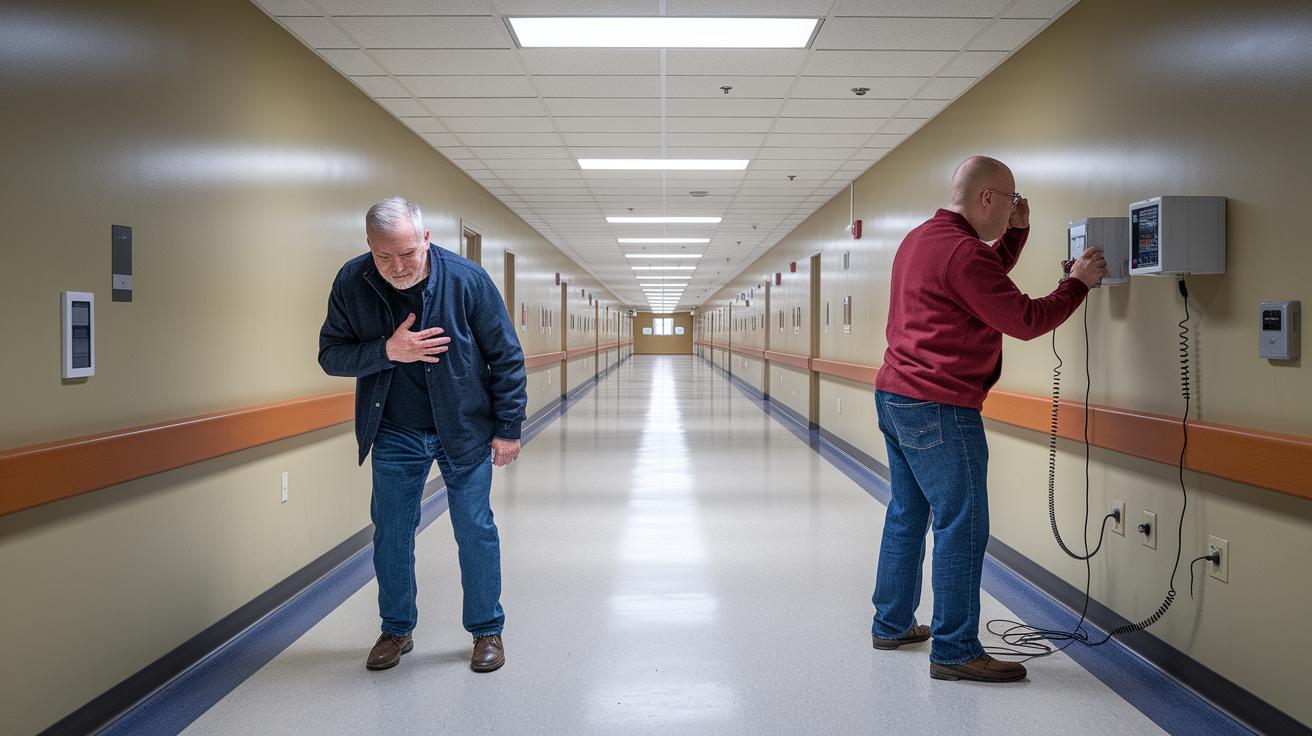
Quick take: If you experience these urgent signs, act immediately.
If you have any of these emergency signs, call emergency services now:
- Chest pain or pressure lasting longer than a few minutes
- Pain that feels heavy, squeezing, or burning and spreads to your jaw, upper back, shoulders, or arms
- Nausea, sweating, or dizziness with chest pain
- Sudden or worsening shortness of breath, noisy breathing (wheezing or gasping), or trouble speaking full sentences
Cardiac Red Flags
Chest pain that does not go away may signal a serious heart problem. It can feel heavy, squeezing, or burning. The pain might even travel to your jaw, back, shoulders, or arms. Often, you may also feel nauseated, sweat, or become dizzy (lightheaded). These signs can point to a heart attack. Don’t wait, if you have these symptoms, seek emergency care immediately.
Respiratory Red Flags
A sudden or worsening trouble to catch your breath is another warning sign. You may feel short of breath even when resting or doing light tasks. Noisy breathing like wheezing or gasping, or not being able to speak in full sentences, shows that your lungs might be in distress. Conditions such as pneumonia, an asthma flare-up, or a lung blood clot can cause these symptoms. If you notice any of these, get help right away.
Taking these signs seriously and seeking prompt care could make all the difference in your outcome.
Serious Neurological Crises and Warning Sign Progression
Quick take: Sudden changes in your brain's function need fast attention.
If you experience any of these emergency signs, call emergency services now:
• Sudden weakness or numbness on one side of your body – whether in your arm, leg, or face.
• Slurred speech that makes your words hard to understand.
• Confusion or trouble following simple instructions, which shows your brain might be under stress.
Even if these signs fade quickly, they still warrant urgent evaluation. One-sided weakness or trouble speaking can be early indicators of a stroke or aneurysm, so don’t wait, get help immediately.
You should also watch for signs that your whole body might be affected:
• Unexplained weight loss of over 5–10 lbs. without trying.
• Unexpected bleeding from your vomit, stool, or urine.
• Visual changes like long-lasting flashes of light or blurry vision.
These systemic red flags, especially when combined with neurological issues, mean you should seek prompt medical advice. Keep a simple record of when these symptoms occur, how long they last, and their severity. This can help your healthcare provider understand what’s happening.
| Symptom Category | Key Red Flags |
|---|---|
| Neurological | Sudden weakness, confusion, slurred speech |
| Cardiac | Prolonged chest pressure with pain spreading |
| Respiratory | Difficulty breathing at rest, noisy breathing |
| Systemic | Unexplained weight loss, abnormal bleeding |
Your health matters. If you notice these symptoms or if your condition worsens, act now and seek medical help without delay.
Analyzing Symptom Severity: When Minor Aches Become Serious

Quick take: Most aches are harmless, but changes in how they feel can mean you need to seek care.
Triage Box:
If you have any of these signs, contact a doctor:
• Your headache happens more often or lasts much longer than usual.
• The pain moves into new areas, such as spreading from your head to your neck.
• A mild stomach ache sticks around or comes back quickly.
• The discomfort feels stronger than a typical minor pain.
Many minor aches pass without worry. But when you notice changes like more frequent pain, longer-lasting discomfort, or pain that spreads, it is a signal that something more serious may be happening. It is best not to ignore these changes.
Guidelines to keep in mind:
A. If you experience the pain more often, it could be getting worse.
B. If the discomfort lasts much longer than normal, it needs evaluation.
C. If the pain spreads beyond its original spot, this is a red flag.
Pay close attention to how long the pain lasts and where it is located. Keep track of any new shifts and share these details with your doctor. Your body can give you important hints that it needs help. Act now if you notice these warning signs.
Serious Symptom Alerts: Urgent Medical Care Guidelines
When you feel sudden pain or discomfort, act fast. Note the exact time your symptoms begin, how long they last, and whether they worsen quickly. For example, chest tightness or shortness of breath that grows over several minutes is a warning sign. Write down these changes so your doctor can quickly understand your situation and decide what to do next.
Imagine a simple ache turning into strong, constant pressure, even while resting. When your discomfort intensifies each minute, it signals that your body is under stress. In such cases, call emergency services right away. Recording the start time and tracking any increase in severity gives you a clear record that could save your life.
Self-Evaluation for Serious Symptom Monitoring

Keeping track of your symptoms can help you catch issues early. Note the start time, how long you feel the symptom, and its strength. This helps you see if a small problem might be growing. You can use a paper diary or a smartphone app that reminds you to record details.
Update your record whenever you notice changes. Write daily or when your symptoms shift. Seeing these patterns can help you and your doctor understand what’s happening. For more tips, check out our guide on setting up a symptom diary.
Preventing Serious Condition Escalation: Early Intervention Signals
Quick take: Staying on top of your health each day helps you catch problems early.
Start building a routine that blends healthy habits with regular check-ups. Eat a balanced diet, move your body, and take a few minutes to relax each day. By doing this, you can learn what is normal for you and spot any changes faster. Keep a simple log of your vital signs (like blood pressure, temperature) and any unusual feelings. Share this record with your doctor during your visits. For example, write down, "At 8 AM today, my blood pressure was 125/80."
If you notice any of these signs, get in touch with your healthcare provider right away:
- Big changes in your energy level or how active you are.
- New signs like a steady fever, unplanned vomiting, or bleeding you cannot explain.
- No improvement even after taking care of yourself.
- Clear differences from your usual set of numbers or feelings.
Final Words
In the action, this guide shows how quick evaluation of symptoms can keep you safe. It explains how rapid, intense pain or changes in breathing and other signs should raise concern. You now know how to track symptom patterns and spot the red flags to watch for that signal serious issues. By following these clear steps, you can act quickly and share focused details with your clinician if needed. Stay mindful, monitor changes, and take prompt action when required. Small steps now can lead to better health outcomes tomorrow.
FAQ
Q: What are red flag symptoms I shouldn’t ignore?
A: The red flag symptoms signal potentially serious conditions. They include rapid onset severe pain, prolonged discomfort, fever, unexplained weight loss, persistent vomiting, or difficulty breathing—all signs that require prompt medical evaluation.
Q: What is one of the first signs that something more serious is wrong?
A: The first sign can be a sudden increase in symptom intensity. For example, an abrupt spike in pain or unusual shortness of breath may indicate that a minor issue is escalating and should be assessed by a clinician.