


Quick take: Your body speaks through symptoms, listen closely to act early.
If you have any of these emergency signs, call emergency services now:
• Severe, sudden pain
• Trouble breathing
• Confusion or fainting
Have you ever noticed a mild ache or an odd feeling and wondered what it means? Your body sends clear signals, from steady pain to tiredness or dizziness, to let you know something might be off. These signs can be helpful reminders to check in with your doctor before minor issues grow into something more serious. Paying attention to these cues gives you a head start in managing your health.
What Do Symptoms Indicate: Positive Signs
Quick take: Your body sends you early signals through symptoms, so pay attention and share details with your doctor if they change.
Triage Box:
• If you notice new, severe, or worsening symptoms, call your doctor right away.
• If a mild symptom lasts more than a few days, discuss it with your healthcare provider.
• Track your symptoms by noting when they start, how strong they feel, and what you were doing at the time.
You feel symptoms like pain, tiredness, or dizziness. These are personal signs from your body saying something might be off. For instance, if you feel a steady muscle ache after some light activity, it tells you that your body is sending a message.
On the other hand, clinical signs are things a doctor or nurse sees during a checkup. They might notice that your temperature is high or that you have a rash that you might not see yourself. Both symptoms and these measurable signs help form a full picture of your health.
Here are some easy points to remember:
• Symptoms: feelings like pain, tiredness, or nausea.
• Clinical signs: measurable things like high blood sugar or a visible rash.
When you tell your doctor about your symptoms, include details like when they started, how strong they were, and what made them worse. For example, you might say, "I had a dull headache starting in the morning that got worse after lunch." This clear information helps your provider decide if it's a simple headache or if it needs more attention.
Regular checkups and screenings can spot hidden issues even when you feel only a little off. They compare what you experience with what they observe. When you share both your symptoms and any signs a doctor finds, it gives your healthcare team better clues to understand what might be going on and decide if further tests or care are needed.
Red-Flag Symptoms Indicate Serious Health Risks
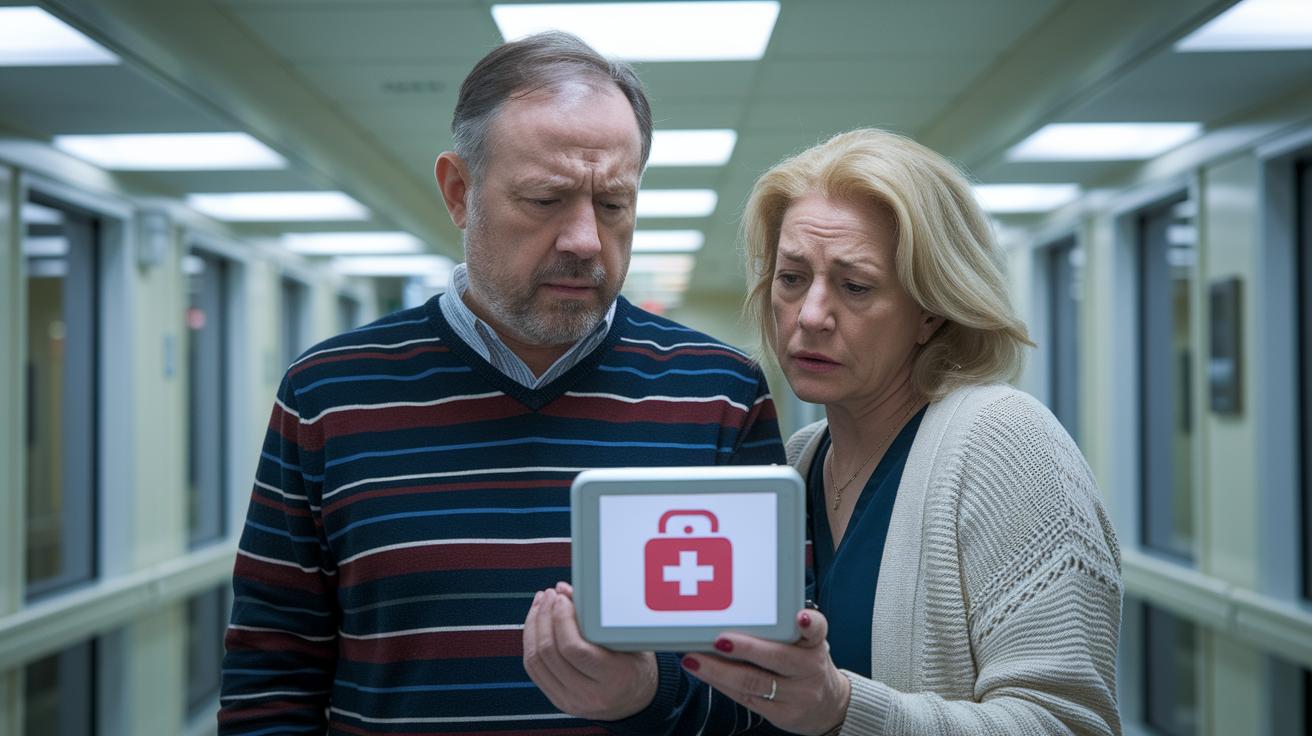
Quick Take: These symptoms are urgent signals that need immediate care.
If you have any of these emergency signs, call emergency services (911 in the US) right away:
- Crushing or tight chest pain that spreads to your arm or jaw
- Sudden, hard-to-control shortness of breath when you rest or lie down
- A severe headache that peaks within minutes (thunderclap headache)
- Confusion or changes in your personality, like trouble focusing or memory lapses
Urgent: Reach out to a doctor soon if you notice:
- Unintended weight loss (more than 5% in less than 6 months) without changes in diet or exercise
- Unusual bleeding from your rectum, urine, or vaginal area (especially postmenopausal bleeding)
- A fever of 103°F or a low-grade fever that lasts over 7 days
- Persistent swelling in your lower legs, ankles, or feet
- Severe or repeated abdominal pain that could signal digestive issues
- Vision changes such as flashes of light, bright spots, or a curtain effect
These signs can point to serious issues like heart attacks, brain bleeds, strokes, infections, or even cancer. They are not just discomforts, they are warnings from your body. Acting quickly can help prevent complications and even save a life.
What Do Symptoms Indicate? Mapping Them to Underlying Conditions
Your signs give you clues about what might be happening in your body. For example, chest pain can come from different causes. It might be a sign of heart problems when the pain is heavy, but it can also happen with acid reflux (GERD) or a strained muscle. Recognizing these patterns helps you and your doctor figure out the next steps.
Your age, family history, and lifestyle add to the picture. If you feel constant fatigue (extreme tiredness), it could be due to anemia, thyroid issues, or depression. Even a small drop in activity level together with ongoing tiredness might point to a hormonal imbalance.
Headaches also tell their own story. A tension headache may come from stress or bad posture. A migraine often brings nausea and light sensitivity. Sometimes, high blood pressure can cause a headache that feels different from a migraine. Each type of headache is a signal that needs careful checking.
Keep in mind:
- Note how strong the pain is, how long it lasts, and what might cause it.
- Watch if several symptoms show up together. For example, chest pain with sweating can be more concerning.
- Keep track of any signs that come back over time.
Matching your symptoms with your risk factors and family history can help build a clearer picture for you and your doctor. Use these clues as a starting point when you ask your healthcare provider for more help.
Tracking What Symptom Indications Reveal Over Time

Keep track of your symptoms every day. It helps you understand your health better. You can use a paper diary or a mobile app to record what matters. This simple method lets you note when symptoms start, how long they last, and what makes them better or worse. You can also record extra signs like a fever (high temperature) or a rash (skin bumps).
Try using a checklist like this:
- Write the date and time when symptoms start.
- Record how long they last and how often they occur.
- Note the pain level or intensity (for example, 1-10).
- List any activities or factors that trigger or worsen the symptoms.
- Write down other signs you notice, such as changes in temperature or skin appearance.
Keeping these notes helps you and your doctor spot trends. For example, if you notice a headache every afternoon after lunch or a rash that only appears after being outdoors, it can guide your doctor’s assessment. Regular tracking gives clear insight into how your condition might change over time and helps ensure your treatment is adjusted to fit your unique needs.
When Symptoms Indicate the Need for Medical Attention
Quick take: Severe symptoms can mean you need immediate help.
Emergency signs – Call emergency services now if you have:
- Trouble breathing
- Consistent chest pressure
- Sudden confusion
Your body sends clear signals when home care isn’t enough. If you experience severe pain, struggle to breathe, feel heavy pressure in your chest, or become suddenly confused, these are warning signs that need urgent care. If your symptoms keep going or get worse after 48 to 72 hours, it’s time to get professional help, either by a telehealth visit or by seeking urgent care.
Follow these steps:
- Call emergency services immediately if you have any of the red-flag signs listed above.
- Use a telehealth service if your symptoms haven’t improved after 72 hours at home. Before your call, note the key symptoms you’re experiencing.
- Visit urgent care if your symptoms worsen quickly or if you notice any new, worrisome signs.
These clear steps help you decide when to seek professional care. They make sure you know if you need to quickly get help at the hospital or speak to a clinician, so you can take action safely and confidently.
Final Words
In the action, this guide helped clarify the difference between symptoms and clinical signs, outlined red-flag warning signs, and reviewed what indicators may signal underlying conditions. It showed how detailed tracking of symptoms strengthens your conversation with healthcare providers.
By linking what do symptoms indicate with potential risks and when to seek prompt care, you gain a quick, practical tool for your health concerns. Stay observant and proactive for the best care outcomes.
FAQ
What do symptoms mean?
The symptoms mean your body is signaling that something may be off with your health. They are personal experiences like pain or fatigue that serve as early cues for when you might need further evaluation.
How do you describe symptoms?
Describing symptoms means noting details such as when they started, how long they last, their intensity, and what triggers them. This clear information helps healthcare providers understand your condition.
What symptoms should you never ignore?
Symptoms you should never ignore include chest pain that feels crushing, sudden shortness of breath, severe headaches that peak quickly, unexplained weight loss, or unusual bleeding. These red flags signal the need for immediate medical attention.
What are the three types of symptoms?
The three types of symptoms include personal sensations you report, observable signs a doctor finds during examination, and red-flag indicators that require urgent care due to their severity.
What is the difference between signs and symptoms?
The difference between signs and symptoms is that symptoms are subjective experiences reported by you, while signs are objective evidence like rashes or high blood sugar observed by clinicians during exams.
How do symptom checkers work?
Symptom checkers work by letting you input multiple symptoms. Some even use artificial intelligence to compare your symptoms against common conditions, offering a list of potential causes to help guide your next steps.