
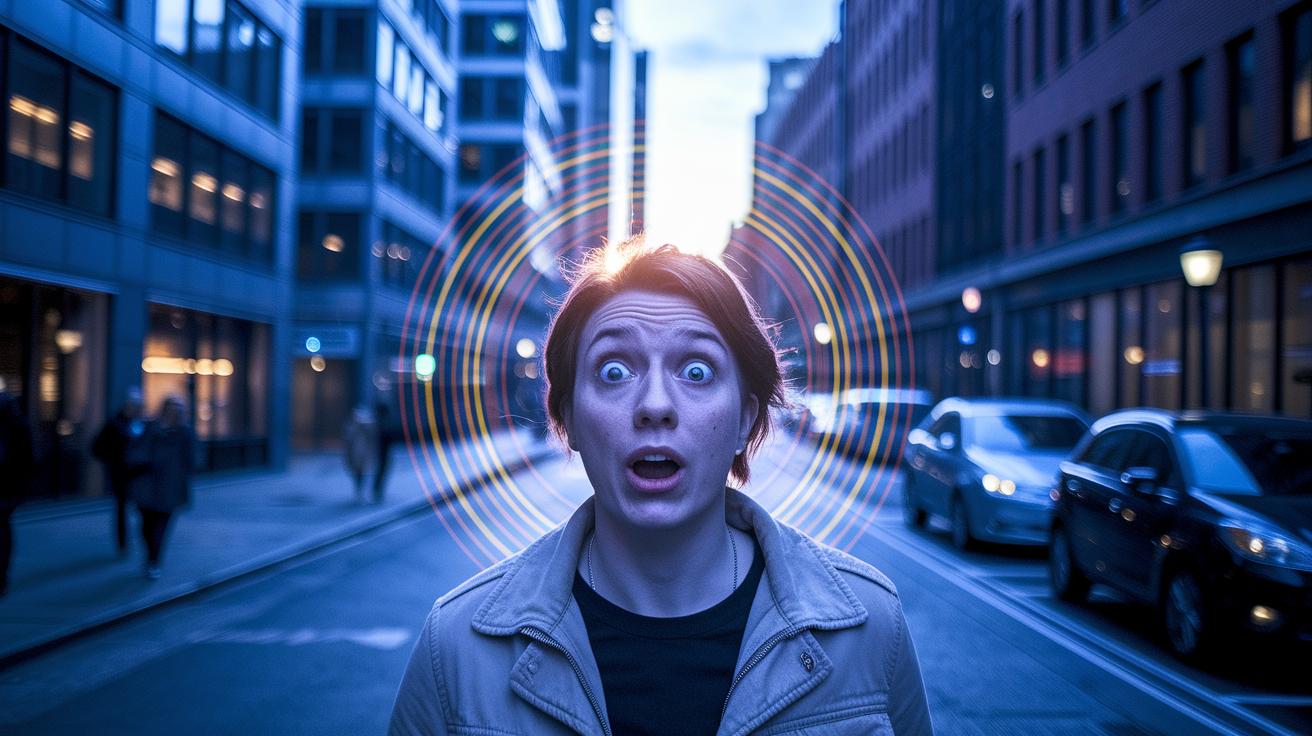

Ever notice shimmering lights or wavy lines before a migraine? For about 20% of people, brief flashes, wavy lines, or dark spots signal that a migraine is coming. These signs mean your brain's signals are shifting and affecting your sight. By paying attention to these clues, you can learn more about your migraine pattern and act fast. In this article, we share 7 key visual signs of migraine aura to help you spot these early warnings and manage your symptoms.
7 visual signs of migraine aura: Fresh insight
Quick take: These brief visual signs are your brain’s early warning before a migraine.
If you have any of these emergency signs, call emergency services now:
- Sudden vision loss that lasts longer than 30 minutes
- New or worsening headache with muscle weakness or confusion
- A drastic change in your usual migraine pattern
About 20% of people with migraines notice these early eye warnings. They occur when there are short changes in blood flow or electrical signals (nervous messages) in the part of your brain that helps you see. These signs usually appear in both eyes and go away on their own.
You might notice your sight shimmering, flickering, or turning blurry just before a headache starts. Picture a moment when your view lights up like tiny fireworks before it clears. Here are the 7 visual signs to watch for:
- Shimmering vision that looks wavy or sparkly
- Flickering lights like a failing light bulb
- Blurry or cloudy sight before a headache
- Zigzag patterns moving across your vision
- Temporary blind spots or dark patches in one or both eyes
- Halo effects where lights appear with a glow
- Sudden changes in color perception during an episode
Remember, these signals come from your brain rather than your eyes. They are different from flashes that could signal serious retinal issues. Keeping a headache diary to note these signs can help you and your doctor manage your migraines better.
Before he became a famous inventor, Nikola Tesla credited sudden flashes of light as sparks for his groundbreaking ideas.
Bright flashes, zigzag lines, and blind spots in migraine aura
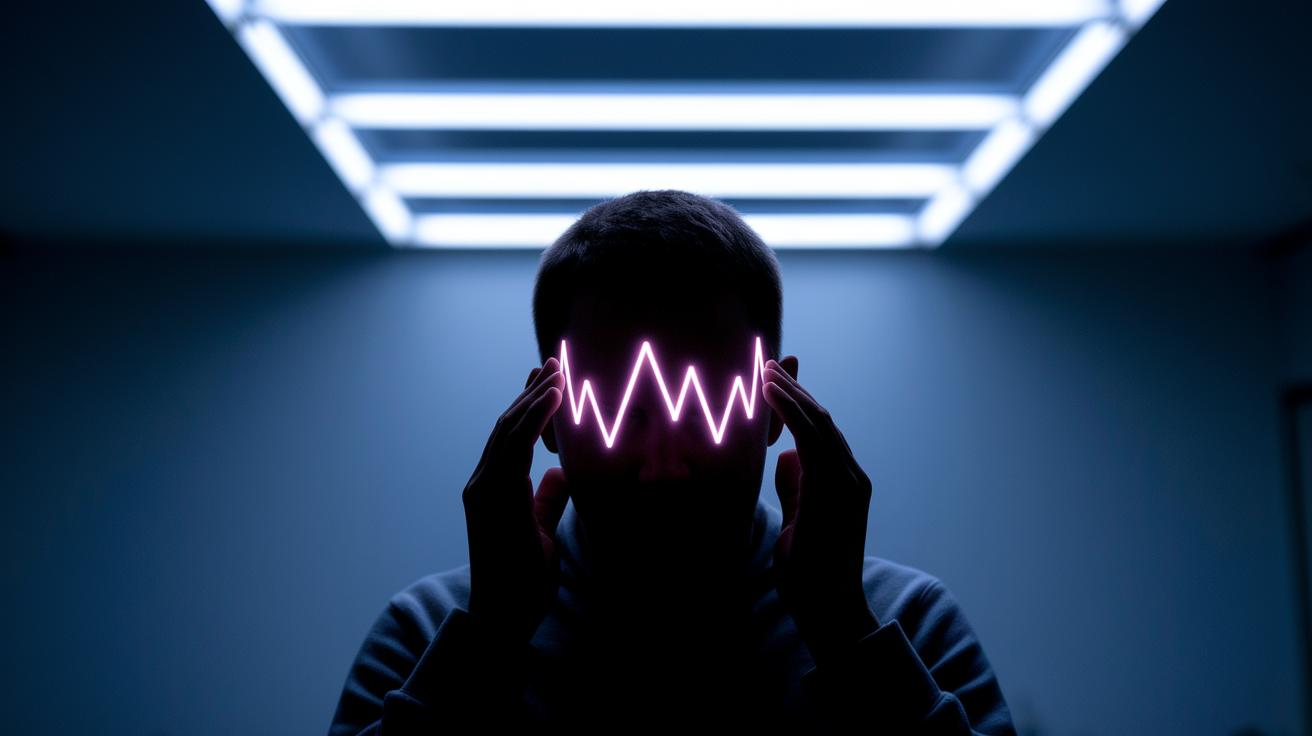
Quick take: You may see quick flashes, wavy lines, or a small blind spot before a migraine starts.
You might notice bright flashes or zigzag lines before your headache appears. These are signs of a migraine aura. They often start with clusters of shimmering spots that quickly change into wavy, zigzag patterns. Imagine light dancing across your vision like ripples on a pond.
Sometimes, you may see a quick burst of light outlining your view. These flashes pulse on and off and then blur into softer, twinkling clusters. Think of a camera flash that spreads out and gently fades away.
Another common sign is a temporary blind patch (scotoma). This blind spot may cover part of your vision for about 15 to 20 minutes. Many compare it to a small dark spot that slowly grows before it fades as the migraine develops.
These visual changes usually build gradually over 15 to 20 minutes before your headache starts. They typically affect both eyes. Recognizing these signs can help you know when a migraine is on its way.
Picture a moment when your surroundings suddenly shimmer with wavy, flickering lines and a brief blind spot appears. This clear visual signal is common in many migraine experiences.
Ocular phenomenon: differentiating migraine aura from retinal flashes
Quick take: One-eye flashes could signal a serious eye issue, while wavy, zigzag lines in both eyes often point to a migraine aura.
Triage Box:
- If you see flashes in one eye with pain, a shadow in your vision, or sudden vision loss, seek immediate eye care.
- If one-eye flashes occur without pain, get evaluated soon to rule out a retinal tear or detachment.
- If you experience wavy or zigzag lines in both eyes without other symptoms, these are likely migraine auras that usually clear up on their own.
Retinal flashes, also known as photopsia, look like streaks, arcs, or lightning bolts. They happen when the gel inside your eye pulls on the retina (the light-sensitive tissue at the back of your eye). Since they usually affect one eye, they can be a sign of a retinal tear or detachment and need urgent evaluation by an eye doctor.
Migraine auras, by contrast, come from changes in the brain’s visual area. They create wavy or zigzag lines that show up in both eyes. These lines appear because of brief shifts in blood flow or nerve signals, not from a mechanical pull on the eye. In most cases, they fade on their own and do not cause lasting damage.
Remember, if you notice flashes in one eye or sudden changes in your vision, write down what you see and when it happens. Then, call your eye doctor right away to make sure your eye stays healthy.
Neurological mechanisms behind visual aura signals
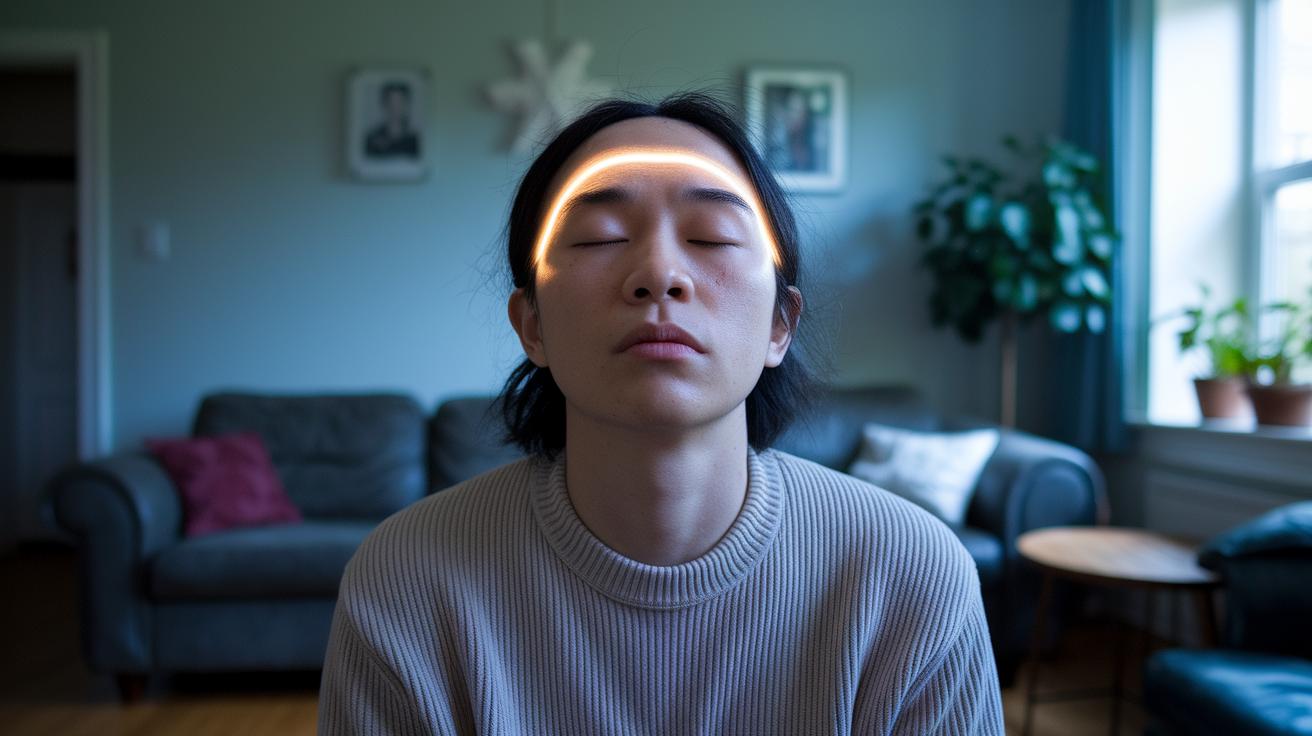
Quick take: Visual auras are brief flashes from your brain when a migraine strikes.
Triage box:
If you experience any of these signs, call emergency services now:
• Sudden, complete loss of vision.
• A severe headache with confusion.
• New, unusual visual disturbances.
If you normally have visual auras that fade and follow your regular migraine pattern, track the symptoms and follow your care plan.
Migraine auras start with a burst in your brain called cortical spreading depression (a wave of nerve cell activity). First, neurons fire quickly, then they slow down, reducing blood flow in the area that helps you see. Think of it like a flash flood that briefly changes how your brain catches light, creating shifting and fluttering images.
These effects, blurry vision, flickering lights, and shimmering distortions, come from changes in blood flow in your brain, not from any problem with your eyes. Sometimes these changes are called cerebral light fluctuations because they momentarily disrupt the normal workings of your visual cortex (the part of your brain that processes light and images).
For example, you might notice a ripple in your vision, much like the way water bends light on a sunny day. As your brain’s blood flow and nerve signals return to normal, the ripple and blur fade away.
Understanding these processes is key. Although the images can be unsettling, they do not harm your eyes. Instead, they tell you that your brain is reacting to a migraine trigger.
When visual migraine aura signals require urgent care
Quick take: Most migraine auras fade on their own, but if you notice new visual changes along with other troubling signs, get help quickly.
If you have any of these signs, act now:
- Flashing lights in one eye with pain or a dark spot that stays
- A blind spot that lasts longer than your usual aura
- Trouble speaking, feeling confused, or saying mixed-up words
- Dizziness or being off-balance when your vision changes
- Weakness in your arms or legs during or right after your vision changes
These signs might mean you have a detached retina (when the part of your eye that senses light is pulling away) or a stroke (when blood flow to part of your brain is blocked).
Write down what happens and when. For example, you could note: "At 2:30 PM, I saw a blind spot for 10 minutes and felt lightheaded." Then, seek emergency care immediately to be safe.
Strategies for managing and reducing visual aura disturbances

When you have visual auras, keeping a diary can be a simple and powerful way to spot patterns. Write down the date, time, what you saw, and how long it lasted. For example, you might note, "At 2:30 PM I saw a flickering blind spot for 10 minutes."
Avoid known triggers. If bright lights make your symptoms worse, try dimming your environment or switching to softer bulbs. You might also use FL-41 tinted lenses. These lenses filter out certain light frequencies to help reduce glare and ease the shifting images during an aura.
Try relaxation techniques. Deep breathing and gentle stretches can calm your body and may lower the intensity of your episodes.
If your auras become more frequent or severe, it’s important to talk to a neurologist. They can suggest preventive medicine or tests to make sure nothing else is causing your symptoms.
| Action | Why It Helps |
|---|---|
| Keep a diary | Spot patterns and triggers |
| Avoid bright lights | Reduce symptom triggers |
| Use FL-41 tinted lenses | Cut down on glare and visual discomfort |
| Practice relaxation | Lower stress and ease episodes |
| See a neurologist | Get expert advice if symptoms worsen |
Final Words
In the action, you've seen how to recognize key migraine visuals and know when to act. We reviewed common patterns like bright flashes and zigzag lines, explained how the brain triggers these changes, and showed you when urgent care is needed.
This guide helps you differentiate between migraine-related symptoms and other eye issues. It also offers practical tips for managing your condition and tracking your progress. Remember, understanding the visual signs of migraine aura empowers you to care actively for your health.
FAQ
What is migraine aura without headache?
The migraine aura without headache means experiencing visual or sensory changes, such as shimmering lights or blurred vision, without the typical headache phase. It is generally not dangerous but merits discussion with your clinician if unusual.
Are migraine auras dangerous?
The migraine auras, though disconcerting, usually resolve without harm. They are neurological events, not signs of lasting damage; however, consult your clinician if symptoms rapidly change or include stroke-like signs.
What does having 2 migraine auras in a row mean?
The occurrence of 2 migraine auras in a row indicates repeated episodes of visual disturbances. It may suggest an increase in migraine activity, and you should seek medical advice to review your treatment strategy.
What does a sudden increase in migraines with aura indicate?
The sudden increase in migraines with aura may point to new or worsening triggers, medication changes, or stress factors. It is wise to track your episodes and consult your healthcare provider for review.
What is retinal migraine?
The retinal migraine refers to visual disturbances that affect one eye only, presenting as flashes or temporary vision loss. Unlike typical auras, these symptoms may signal retinal issues and warrant prompt evaluation.
How is migraine with aura treated?
The migraine with aura treatment focuses on trigger avoidance, lifestyle adjustments, and sometimes preventive medications. Keeping a headache diary can help track patterns, so discuss options with your neurologist.
What does a visual migraine aura look like?
The visual migraine aura often appears as flickering lights, zigzag lines, or blind spots that expand over 15–20 minutes before fading. These changes are typically temporary and part of the aura process.
Can migraine cause diarrhea?
The migraine can occasionally cause gastrointestinal symptoms such as diarrhea, due to brain-gut interactions. If you experience these alongside migraine symptoms, keeping a symptom log is beneficial.
Can pregnancy cause aura migraines?
Pregnancy may change your migraine patterns, sometimes leading to aura migraines or altering their frequency. It is important to stay in touch with your healthcare provider to safely manage these changes.
How can I tell if I have migraine with aura?
You may have migraine with aura if you notice visual changes—like flashing lights, zigzag patterns, or temporary blind spots—preceding your headache. Tracking these episodes in a diary can help with diagnosis.