


Quick take: Bruises can be harmless bumps or a sign to get checked by your doctor.
If you notice any of these, seek help right away:
• A very large bruise that is spreading
• Severe pain with the bruise
• Bruising that happens often without a clear bump
Sometimes, a small bump or weak blood vessels will cause a bruise. Other times, it might signal something that needs a closer look. We’ve put together easy clues to help you understand these skin changes. Use these insights to decide if you should see your doctor.
Unexplained Bruising: Symptom Snapshot Overview
You might notice a bruise that changes color as it heals. Bruises are common, showing up in about 12% to 55% of visits. They often start as black, blue, or purple marks and then slowly change over days.
Bruising happens when tiny blood vessels break and leak blood into the surrounding area. This can occur after a small bump you might not remember or if your blood does not clot well. Sometimes your blood vessels are more fragile, which means even a light touch can make them leak.
Most bruises fade on their own as your body reabsorbs the blood. However, if you get bruises in places where you rarely get hurt or if they appear very large or more often than usual, note the size, number, and healing time. Then, share this information with your doctor to check for any clotting issues or other concerns.
Physiology of Unexplained Bruising
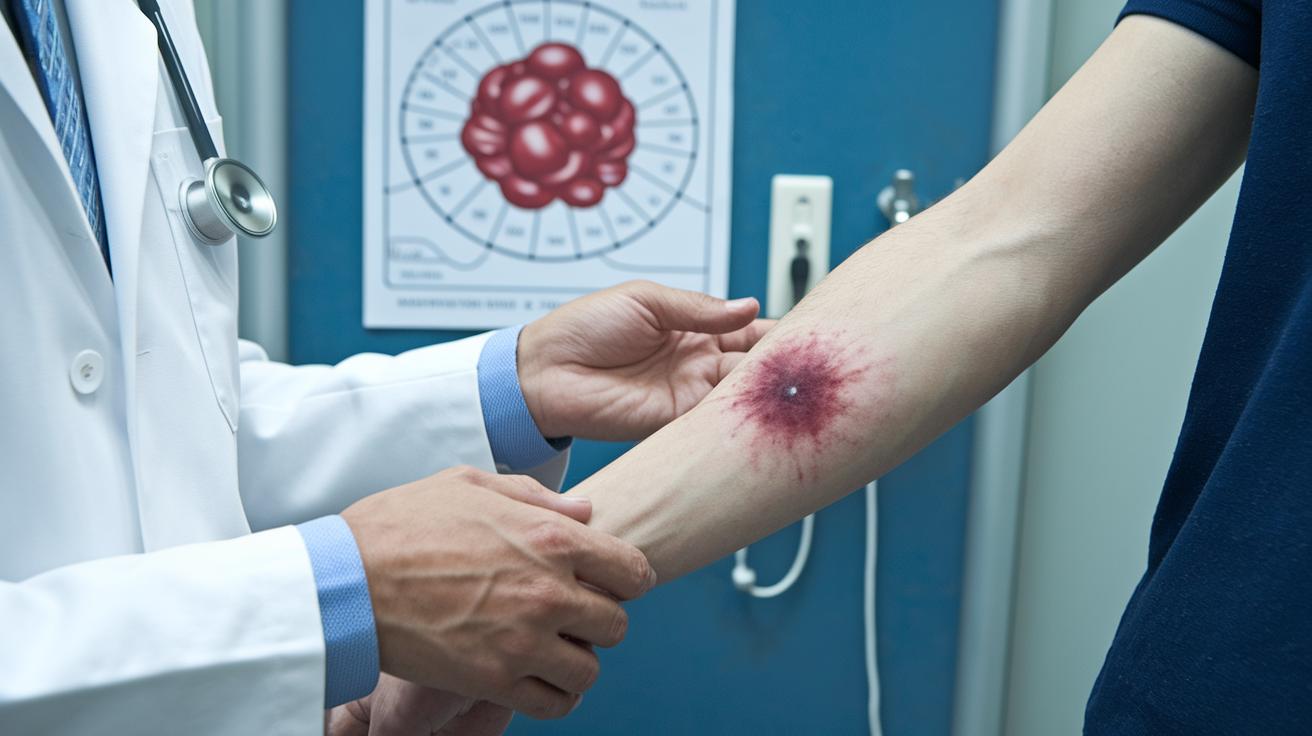
Bruising occurs when blood leaks from small vessels that become weak. When you bump into something, tiny cells called platelets (cells that help form clots and stop bleeding) work to plug the break. But if you don’t have enough platelets or your clotting factors (proteins that help your blood form clots) are low, blood can seep out and form a bruise.
Sometimes, changes in the blood vessel walls make them fragile. These tiny vessels, called capillaries, can break even from light pressure or a small bump.
Doctors check bruising by looking at how well your platelets and clotting factors work. They run blood tests to see if your clotting system is functioning properly. This helps them tell if the bruising is just a simple issue or a sign of a more serious clotting problem.
Common and Serious Causes of Unexplained Bruising
Quick take: Unexplained bruising may result from everyday causes like aging or blood-thinning medications, but sometimes it signals a more serious condition.
Triage Box:
- Call emergency services now if bruising comes with severe pain, rapid swelling, or if you experience unusual bleeding or dizziness.
- Seek same-day medical advice if bruises are spreading or accompanied by other troubling signs like fever or weakness.
- If bruises appear to be mild and tied to everyday bumps, monitor them and note any changes.
Many times, easy bruising happens because your skin naturally thins with age. As you grow older, losing some of its protective padding makes your skin more likely to bruise from minor bumps.
Sometimes, medicines like aspirin or other blood thinners lower your blood’s ability to clot. This means even a light touch or small bump can cause a bruise.
Everyday minor bumps and falls may cause bruises, and these usually don’t mean there’s a bigger health problem. But in some cases, bruising can be a sign of a more serious issue. For example, a rare genetic condition called Vascular Ehlers-Danlos syndrome makes blood vessels weak so that bruising can be more extensive. Blood disorders, such as aplastic anemia (a condition where the bone marrow produces too few blood cells) and acute leukemias (cancers that lead to a drop in blood cells), may also cause easy bruising. In addition, a severe lack of vitamin C (scurvy) can hamper collagen production, leading to fragile blood vessels, joint aches, and muscle pain along with bruising.
By understanding these causes, you can decide whether a bruise is likely a minor issue to watch or a sign that you should seek further medical advice.
Risk Factors and Associated Conditions in Unexplained Bruising
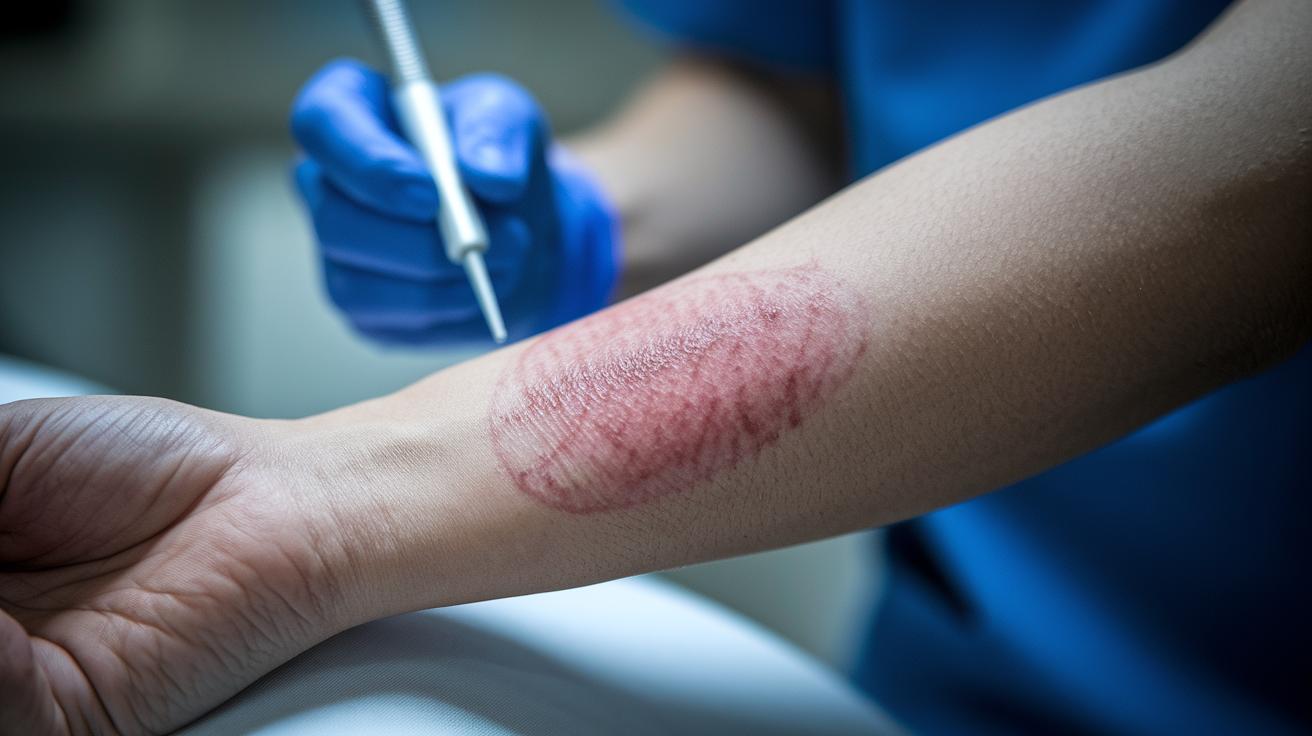
Quick take: Bruising can result from thin skin, blood-thinning medications, genetic conditions, certain supplements, and sun damage.
Triage: If your bruises become very painful, enlarge quickly, or you notice unexpected bleeding, seek care from your clinician or go to an urgent care center.
Bruising can tell you a lot about your health. As you age, your skin becomes thinner because you lose some of the fatty layer that protects your blood vessels. This makes it easier for a small bump to cause a bruise. Medicines like warfarin and aspirin slow down clotting, so even a light hit can lead to more bruising than usual.
Your genes also count. Some people have conditions like Ehlers-Danlos syndrome (a genetic disorder affecting connective tissue proteins such as collagen) that make bruising more common because the support around blood vessels is weaker. Even herbal supplements, like ginkgo and garlic, might reduce your blood’s ability to clot. Long-term exposure to the sun can also thin your skin faster, leaving it more fragile over time.
| Risk Factor | Potential Impact |
|---|---|
| Age | Thinning skin loses its cushion for blood vessels |
| Medications | Blood thinners such as warfarin or aspirin slow clotting |
| Genetics | Collagen issues weaken vessel support, increasing bruising likelihood |
| Supplements | Herbal products like ginkgo and garlic may interfere with clotting |
| UV Exposure | Sun damage speeds up skin thinning, boosting bruise risk |
Keep an eye on these factors. Noticing unexpected bruising can help you and your clinician discover what might be causing it.
Diagnostic Approaches for Unexplained Bruising
Quick take: Unexplained bruising may point to a clotting problem. Acting on it means getting the right tests, scans, and sometimes a tissue sample.
When you notice bruising without a clear reason, doctors start with simple blood tests. They run a complete blood count (CBC) to check your platelets (small cells that help stop bleeding) and hemoglobin (the part of blood that carries oxygen). Low platelets can show a clotting issue. They also carry out tests to measure how fast your blood clots. These include prothrombin time (PT) and activated partial thromboplastin time (aPTT), which check the speed of clotting. The doctor will also check your fibrinogen levels because this protein is key for forming clots. If any of these tests look off, it may mean your blood is not clotting normally.
Sometimes, if routine tests don’t explain the bruising, doctors will order more detailed tests. These advanced tests look at specific clotting factors. If blood work still isn’t clear, imaging tests come next. An ultrasound can show bleeding deep in your tissues. A CT scan examines your internal organs to spot hidden bleeding or lesions.
If further clarity is needed after blood tests and scans, a tissue sample might be the next step. A bone marrow biopsy can reveal problems like marrow failure, while a skin biopsy might show signs of vasculitis (inflammation of blood vessels). Taken together, these diagnostic methods help guide doctors toward the right diagnosis.
When to Seek Medical Evaluation for Unexplained Bruising
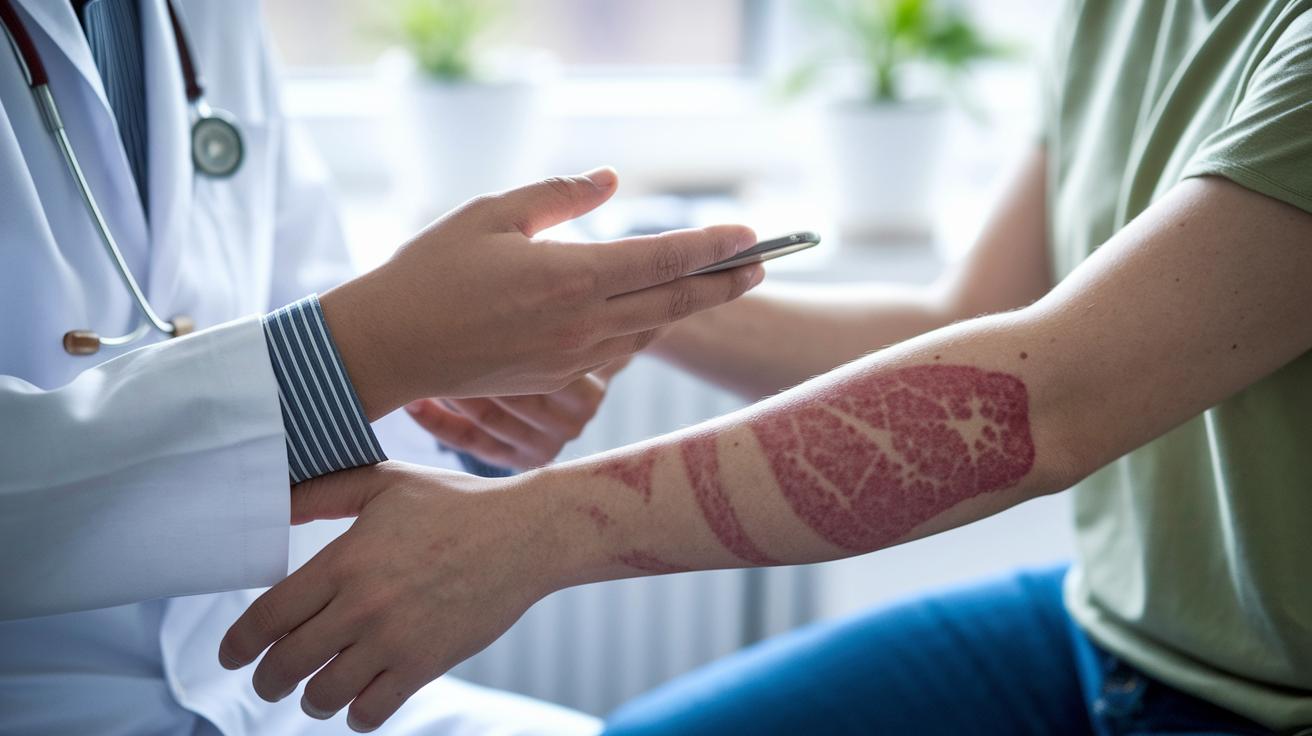
Quick take: Unexplained bruising that lasts long or increases rapidly may need a doctor's check.
If you notice bruising that seems odd or shows up without a clear injury, pay close attention. Bruising that lasts more than 4 weeks, appears in areas you usually protect, or suddenly increases in number might signal a problem with your platelets (cells that help stop bleeding), clotting factors (proteins that help your blood clot), or the walls of your blood vessels.
Red-flag signals:
- Bruises lasting over 4 weeks
- Bruising with no clear injury, especially in protected parts of the body
- A quick rise in the number of bruises
- Bruising combined with other symptoms like feeling very tired or heavy bleeding elsewhere
If you see any of these red flags, contact your doctor as soon as possible. Your doctor will check your health history and examine you carefully. They may order blood tests to look at your platelet count, clotting factors, and other markers. Based on these results, you might be sent to a specialist such as a hematologist (blood expert) or dermatologist (skin expert) to find the cause. Early evaluation can catch problems before they become more serious.
Final Words
In the action, we covered the basics behind unexplained bruising, from the simple physiology to when you should seek help. We looked at how blood cells and vessels work and the common reasons for sudden bruises. We also listed risk factors and explained key tests that pinpoint serious causes.
This unexplained bruising symptom snapshot helps you quickly decide on next steps. Stay alert, monitor your symptoms, and reach out to medical professionals if changes occur. Stay safe and informed.