


Quick Take: Recognizing what triggers your symptoms can help you feel in control and manage your reactions better.
Triage Box:
• Red flags: If your symptoms worsen or become severe, call emergency services immediately.
• Urgent: If you notice a pattern or your discomfort lasts more than a few days, seek advice from your clinician.
• Self-care: Track your symptoms and what seems to trigger them to help guide your next steps.
Have you ever noticed that a simple scent or sound can make you feel uneasy? It might seem mysterious, but your body can pick up on subtle cues from your surroundings, whether it’s an odor, a noise, stress, food, or even certain medicines. When these triggers hit, you may feel a sudden change in your body, like a brief moment of worry or discomfort.
By understanding these triggers, you give yourself the power to take better care of your health. Keep a simple log of what you notice, including the trigger, how long you felt off, and what other symptoms you experienced. This information can help you and your clinician spot patterns and make plans to avoid or manage these triggers in the future.
Learning about what sets off your symptoms is a solid first step toward feeling better and keeping your health in check.
Defining Symptom Triggers: Understanding Your Body’s Signals
Triggers are events, sounds, smells, or situations that set off strong feelings like anxiety, anger, or fear. They can also make your body react with signs such as heavy breathing and sweating. Even small things can spark these responses and make you feel upset or unsafe.
These triggers might make you feel blamed, controlled, or hurt. They often relate to past experiences, so even ordinary events can bring up deep emotions. Recognizing these signals is key to understanding how your body shows stress and discomfort.
- Smells: A familiar scent that suddenly brings back a painful memory.
- Sounds: A particular noise that makes your heart race.
- Situations: Busy or crowded places that feel overwhelming.
- Minor comments: Casual remarks that unexpectedly feel like criticism.
Noticing your triggers early can help you manage your reactions and take steps toward feeling better.
Recognizing Common Symptom Trigger Categories

Quick take: Triggers from your environment, diet, stress, medications, and allergens can spark physical or emotional reactions, so notice your patterns and manage them.
Symptom triggers come from many parts of your life. They might start from what’s around you, what you eat and drink, stressful life events, the medicines you take, or things you breathe in. These triggers can set off feelings in your body or emotions in your mind. When you notice these triggers, it becomes easier to handle your symptoms.
Here are some common trigger types:
- Environmental triggers: Busy, crowded places or constant loud noises can put your body on high alert.
- Dietary triggers: Some foods or drinks, like those with caffeine, might change your energy level or mood.
- Stress triggers: Major events like job loss, fights with family or friends, or divorce can make your emotions run high.
- Medication triggers: Certain medicines can change how you feel physically or emotionally, sometimes in ways that mimic stress.
- Allergen triggers: Breathing in pollen, dust, or other allergens might not only cause physical symptoms but also boost your stress.
Many times, these triggers mix together. For example, having a meal in a noisy, crowded restaurant can combine food sensitivity with environmental stress. This overlap means you may notice more than one trigger at work at the same time. Recognizing these layers helps you figure out what brings on your symptoms so you can better plan your next steps and support your overall well-being.
Symptom Triggers and Underlying Mechanisms
Sometimes, you may feel your emotions spike out of nowhere. This might show that your emotional regulation (the way you manage feelings) isn’t working as well as it could. If you struggle with mental health issues, even a small disagreement may trigger a big reaction because it brings back painful memories.
When a trigger occurs, your body responds quickly. Your heart may race and you might start to sweat. Your body also releases stress chemicals (inflammatory cytokines) that signal distress. At the same time, your immune system turns on as if there were a threat. These combined signals, both physical and emotional, are your body’s way of trying to protect you.
Below are some common responses:
| Response Type | Effect |
|---|---|
| Autonomic | Fast heart rate and sweating |
| Inflammatory | Release of stress chemicals |
| Immune | Activation of defenses similar to stress signals |
| Neurological | Brain changes that affect pain and emotion |
Also, your genetics can make these reactions stronger. If mental health issues run in your family, even minor stressors might lead to intense responses, making it harder to manage your triggers.
Tracking Your Symptom Triggers Effectively

Quick take: Keeping track of what sets off your symptoms can help you better manage your health.
Triage Box:
• If you feel sharp, worsening, or new symptoms, contact your doctor.
• If symptoms are steady and mild, keep monitoring them.
• Use clear logs to discuss changes at your next visit.
Tracking what triggers your symptoms lets you notice patterns and adjust your routine. It shows you what may make your symptoms worse and reveals opportunities to improve your care.
Here are some ways to track your triggers:
• Write in a paper diary (check our step-by-step guide on keeping a symptom diary)
• Use wearable devices that measure changes like your heart rate
• Try mobile apps to note your feelings each day
• Use pattern tools that spot recurring trends
• Keep timing logs to show when symptoms hurt the most
• Record photos or videos to capture your surroundings
• Make quick voice memos to record how you feel
Digital tools, like mobile apps and wearable sensors, can automatically gather data. They simplify tracking when you’re on the go. Some apps even show charts to help you see how severe your symptoms are, as described in our guide on tracking symptom severity with a daily diary.
Remember to review your logs regularly. Check your notes daily or weekly to see if patterns or triggers emerge. This regular review makes it easier to talk with healthcare providers and make changes quickly if needed.
Managing and Reducing Symptom Triggers
Quick take: Recognize your triggers early and adjust your daily routine to lower discomfort.
Triage Box:
• If you feel severe anxiety, intense chest pain, or overwhelming distress, call emergency services now.
• If your symptoms worsen rapidly or start interfering with your ability to function, seek urgent care.
• Otherwise, follow the steps below to safely manage your triggers.
Your daily routine may contain things that spark rapid physical or emotional reactions. By spotting these triggers before they escalate, you can make small changes that help you feel more in control. This hands-on approach is all about reducing discomfort and boosting your confidence.
It takes time to figure out what works best for you. What eases one person’s symptoms might not help someone else. Start slowly by testing one strategy at a time. Track changes in how you feel and note which actions help lower your discomfort. Over time, you can build a mix of adjustments that truly fits your needs.
Here are some practical steps:
- Remove items or settings that often lead to discomfort.
- Steer clear of places or situations that overwhelm you.
- Swap out high-risk scenarios for calmer alternatives.
- Practice deep breathing, mindfulness, or meditation to ease stress.
- Ask a trusted clinician for advice on managing your triggers.
Learning more about your symptom triggers lets you make smart choices. Simple tweaks like keeping a regular sleep schedule, eating balanced meals, and staying active can add up. These lifestyle changes not only improve your overall well-being but also give you the power to handle everyday challenges more effectively.
Understanding Symptom Triggers: Boost Your Health
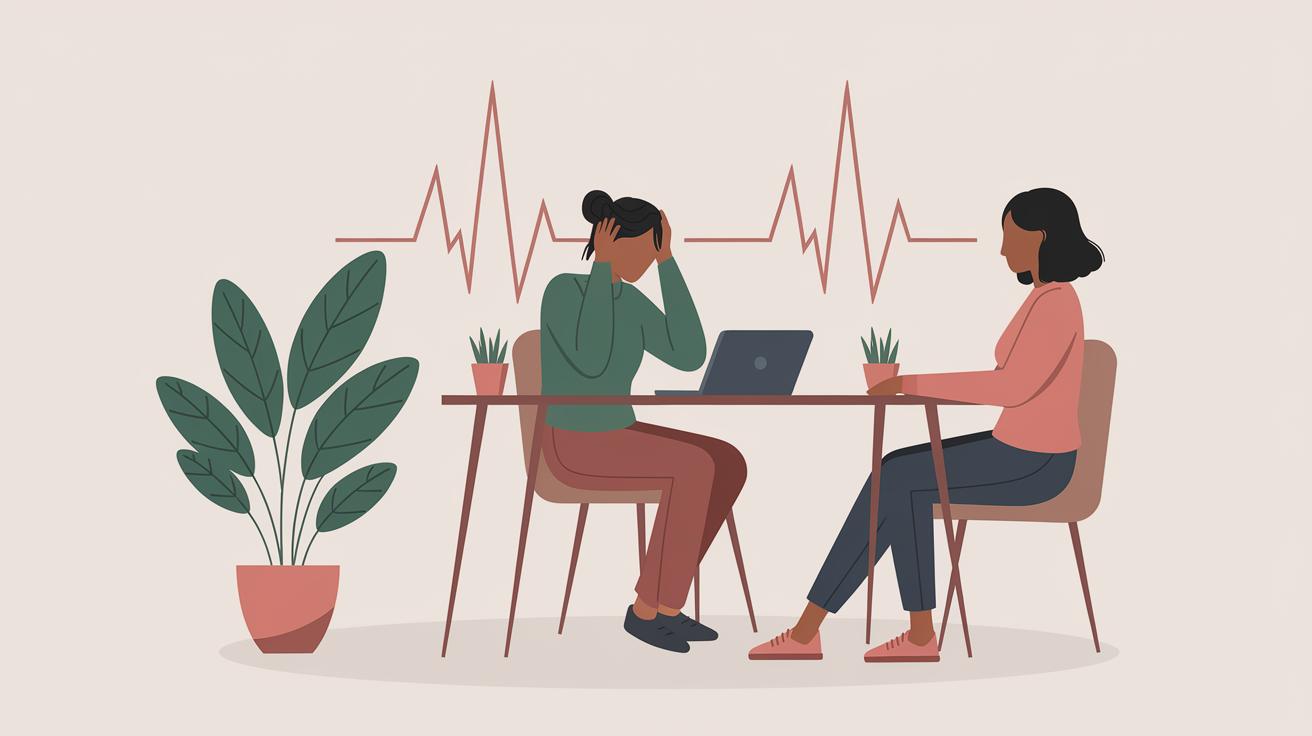
Quick take: Small stresses can trigger big reactions.
If you have any of these emergency signs, call emergency services now:
- Severe chest pain
- Difficulty breathing or a very fast heart rate
- Thoughts of self-harm or feeling unsafe
If you feel strong distress after a trigger, seek same-day care. Otherwise, try using your personal coping steps and note what happened so you can discuss it with your clinician.
Case Study 1
A 28-year-old with borderline personality disorder experienced strong emotional outbursts during even minor work disagreements. A small argument felt like abandonment and led to deep distress, causing several hospital visits. With tailored therapy, they learned to spot early warning signs and use coping techniques. This approach helped lower the crisis rate and improve their overall quality of life.
Case Study 2
A 35-year-old in recovery from substance misuse found that a familiar social scene with alcohol set off bad memories. A casual remark from a friend brought back feelings of discomfort and a rapid heartbeat, and it nearly led to a relapse and family conflicts. Through focused patient education and personal support, they learned to handle these triggers more effectively. This shows that noticing triggers early and using a clear management plan can really help your day-to-day life.
Leveraging Technology for Symptom Trigger Detection
Quick take: Wearable tech and smart apps help catch early signs of symptom triggers so you can act before they get worse.
If you have any of these emergency signs, call emergency services now:
- Severe chest pain or unexplained tightness
- Sudden difficulty breathing or fainting
- Rapid and unexplained heartbeat
If your symptoms are less severe but still concerning, seek same-day medical advice. For everyday changes, continue tracking and note any shifts over time.
Wearable devices like smart bands and health monitors keep an eye on your body. They track heart rate, sweating, and skin temperature to show how your body responds to stress or different environments. This helps you spot warning signs early.
Mobile apps add another layer. They let you log daily symptoms and display trends in simple charts. When these apps sync with your wearable devices, they create a clear record of your health. With easy-to-read graphics and personalized notes, you can quickly see patterns and adjust your routine.
- Smart watches: Track heart rate and movement.
- AI analysis apps: Find small patterns in your symptom data.
- Online dashboards: Show a visual summary of your tracked information.
- Automated alerts: Warn you when your readings change unusually.
Always keep your data safe. Check each tool’s privacy settings, use strong passwords, and follow best security practices.
Final Words
In the action, we covered what symptom triggers are, their effects on the body and mind, and real-world examples that show how these signals affect daily life. We explored common categories, the underlying biological and psychological mechanisms, and ways to track them effectively.
You now have tools to begin understanding symptom triggers and manage them with practical tips. Keep track of your experiences and share clear information with clinicians. Stay positive and empowered as you move forward in your health journey.
FAQ
What are some common emotional triggers and can you list examples?
The common emotional triggers include situations like crowded places, criticism, rejection, feelings of abandonment, loss, high stress, conflict, loud noises, specific smells, and distressing memories. These examples often spark strong feelings.
What is a trigger in psychology and what does it mean?
A psychological trigger refers to any event, sound, smell, or situation that sets off intense emotional responses like anxiety, anger, or fear. It is a reminder of past challenges or trauma.
How should you react when someone triggers you?
Reacting to a trigger means pausing and taking deep breaths, using self-soothing techniques to manage your emotions before responding. This approach helps regain control when emotions run high.
What causes triggers and what is their root cause?
The cause of triggers lies in past experiences, trauma, and negative associations attached to certain stimuli. These learned responses make your body react emotionally when it encounters similar situations.
What happens when someone is triggered?
When triggered, you might experience physical signs like sweating and a fast heartbeat along with strong emotions such as fear or anger. Your mind quickly connects the trigger to previous experiences.
How do emotional triggers affect relationships?
Emotional triggers in relationships occur when sensitive topics or past hurts resurface, leading to conflict or intense reactions. They affect how you interact and communicate, often intensifying disagreements.
How do you identify your triggers?
Identifying triggers involves tracking your physical and emotional responses during stressful times. Keeping a diary to record when and how these reactions occur helps you spot patterns linked to specific triggers.
What are the four types of triggers?
The common types of triggers include environmental, social, psychological, and physical. They differ by source, whether it’s the setting, interactions, past memories, or bodily stress.
How can you emotionally regulate when triggered?
Regulating your emotions means using grounding techniques such as deep breathing, mindfulness, or other stress-reduction methods when you feel triggered. These steps help calm your body and reduce emotional intensity.