
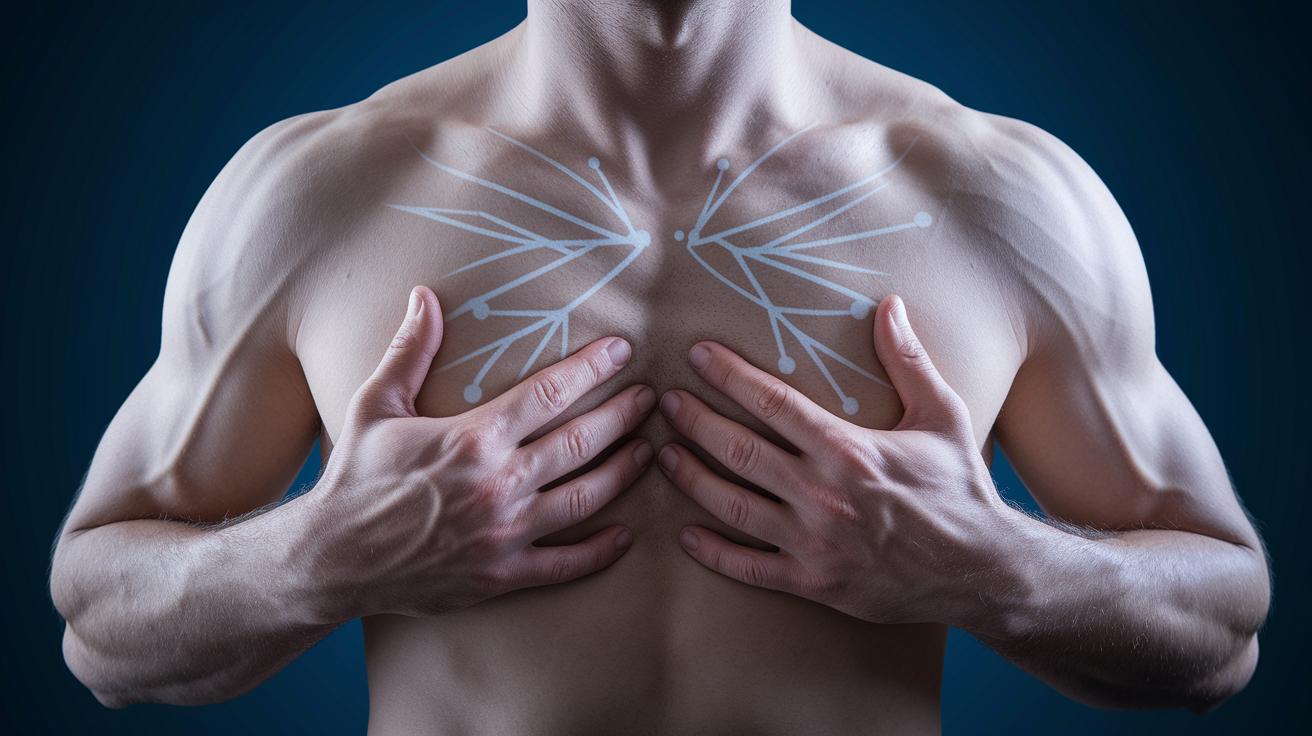

Quick Take: Upper chest tightness is often minor but can sometimes signal a serious issue.
Triage:
If you have any of these emergency signs, call emergency services now:
• Intense pain lasting more than 5 minutes
• Pain spreading to your arm, neck, or jaw
• Shortness of breath or feeling faint
• Severe dizziness or weakness
Many people feel a tight, squeezing pressure in their upper chest. This can come from common issues like a muscle strain or acid reflux (when acid from your stomach irritates your esophagus). Still, it might also point to a more urgent condition.
Keep track of your symptoms:
• When the pressure starts and how long it lasts
• Any other symptoms, such as lightheadedness or pain spreading
• What seems to trigger the pain or make it better
It’s normal to feel worried about these symptoms. If things get worse or new warning signs appear, seek help right away. Stay safe and consult a trusted clinician if you’re unsure about what you’re experiencing.
Comprehensive overview of tightness in upper chest
Quick take: Upper chest tightness is often caused by minor issues like muscle strain or acid reflux, but it can also be a sign of something more serious.
If you have any of these emergency signs, call emergency services now:
- Pain that suddenly becomes much worse
- Pain spreading to your arm or jaw
- Trouble breathing or feeling lightheaded
Upper chest tightness can feel like a heavy squeeze or a tight band above your heart. It may come on suddenly with a strong pressure that can be mild or very painful. Often, this pain is not caused by the heart. For example, a pulled muscle from activity, heartburn (acid reflux), or even bronchitis can bring on this feeling. However, some causes need quick medical attention. Conditions like a thickened heart muscle (hypertrophic cardiomyopathy) or a lung blood clot (pulmonary embolism) can be dangerous.
Many people have these episodes due to non-heart causes such as muscle inflammation, a small muscle spasm, or even bad posture. Strain in the muscles between your ribs (intercostal muscle strain) is a common reason and can account for many cases of chest pain. This pain can appear randomly or while you are active, and it might mimic heart pain even though your heart is not the problem.
If your symptoms worsen or you notice red flags, seek medical help right away. Noticing how the pain behaves is the first step in understanding its cause and deciding what action to take.
Cardiac origins of tightness in the upper chest

If you feel a heavy, crushing pressure in your chest that spreads to your arm, neck, or jaw, it may be a sign of a heart problem. You might also notice tiredness, nausea, or shortness of breath even with light activity. This type of pain often points to a blocked or torn heart artery, which can be very dangerous.
One patient described a sudden, heavy squeeze in the chest that quickly moved to the jaw during a short walk. This detail shows how the pain can jump to other areas.
To tell if the pain is heart-related rather than from muscles or other causes, check if it goes beyond the chest or feels extra heavy and long-lasting. If your pain spreads to your arm or jaw, or you become short of breath with minimal effort, act now and get evaluated by a medical professional. Keep a simple record of when the pain happens, what you were doing, and how long it lasts so your doctor has clear information.
| Sign | Action |
|---|---|
| Radiating pain (arm, neck, jaw) | Seek immediate care |
| Shortness of breath with light exertion | Act now and get evaluated |
Musculoskeletal sources of upper chest tightness
Upper chest tightness can come from strained or tense muscles and other soft tissues. Although the pain might feel similar to heart pain, it is usually triggered by things like exercise, poor posture, or repetitive movements.
Five common causes include:
- Intercostal muscle strain: These are the muscles between your ribs. This strain is found in about 21% to 49% of musculoskeletal chest pain cases.
- Costochondritis: This is inflammation of the cartilage that connects your ribs to your breastbone. It can lead to a sharp, sudden pain.
- Postural overload: Sitting for long periods with bad posture can tire your muscles and cause tightness.
- Tension near the collarbone: Overusing your shoulder muscles or using them in the wrong way can lead to tension that spreads to your upper chest.
- Mild fascia rigidity: Fascia is the connective tissue that covers your muscles. When it feels tight, you might experience a stiff, uncomfortable sensation.
To check these symptoms, gently press along your rib area and near your collarbone. Write down when the pain happens and what you were doing. This can help you spot a pattern and decide if it’s time to see a professional.
Anxiety, panic, and stress-related upper chest constriction

Quick take: Anxiety can make your chest feel tight by causing your muscles to contract.
If you have any of these emergency signs, call emergency services now: severe chest pain, difficulty breathing, or sudden fainting.
When anxiety hits, your body goes into fight or flight mode. Stress chemicals like adrenaline (that speeds up your heart) and cortisol (that keeps you on alert) are released. These chemicals make your chest muscles tighten. For many people, this tightness feels like a constant squeeze and makes it hard to take a deep breath.
Psychosomatic mechanisms
Stress chemicals cause your chest muscles to stay tight. Adrenaline brings on a sudden feeling of tightness, while cortisol keeps the muscles contracted for longer. This means your chest can feel squeezed even when you’re not doing anything active. You might notice a persistent pressure that gets worse with ongoing anxiety.
Panic attack indicators
During a panic attack, the chest tightening can become even more severe. You may also feel a fast heartbeat (tachycardia, which means your heart beats very rapidly) and quick, shallow breaths (hyperventilation, meaning you take many short breaths). These signs show that your body is overreacting to stress. Recognizing these indicators can help you decide when to try calming techniques or seek advice.
Gastrointestinal and respiratory contributors to upper chest pressure
Quick take: Your upper chest pressure might come from problems with your stomach or lungs.
Triage:
If you have any of these emergency signs, call emergency services now:
- Severe chest pain spreading to your arm or neck
- Trouble breathing or shortness of breath
- Dizziness or fainting
Your upper chest pressure can stem from two main issues: digestive problems and breathing difficulties.
Digestive causes can feel like burning or squeezing pain that sometimes mimics heart pain. For example:
- GERD (acid reflux): This happens when stomach acid travels up into your esophagus, causing a burning feel right under your breastbone.
- Hiatal hernia: When part of your stomach pushes upward through the diaphragm, it can create a pressure similar to heart pain.
- Peptic ulcers: These are sores in the lining of your stomach that can cause pain to spread into your upper chest.
On the breathing side, several conditions may be responsible:
- Asthma attacks: In an asthma attack, your airways narrow, making you feel tightness, cough, or experience shortness of breath.
- Pneumonia: This lung infection not only brings fever and chills but may also cause chest pain.
- Pulmonary embolism: This is a serious condition where a blood clot blocks a lung artery, leading to chest pressure, coughing, or even blood in your sputum.
Monitoring these symptoms and discussing them with a trusted clinician can help you get the care you need.
Warning signs demanding urgent evaluation for chest tightness
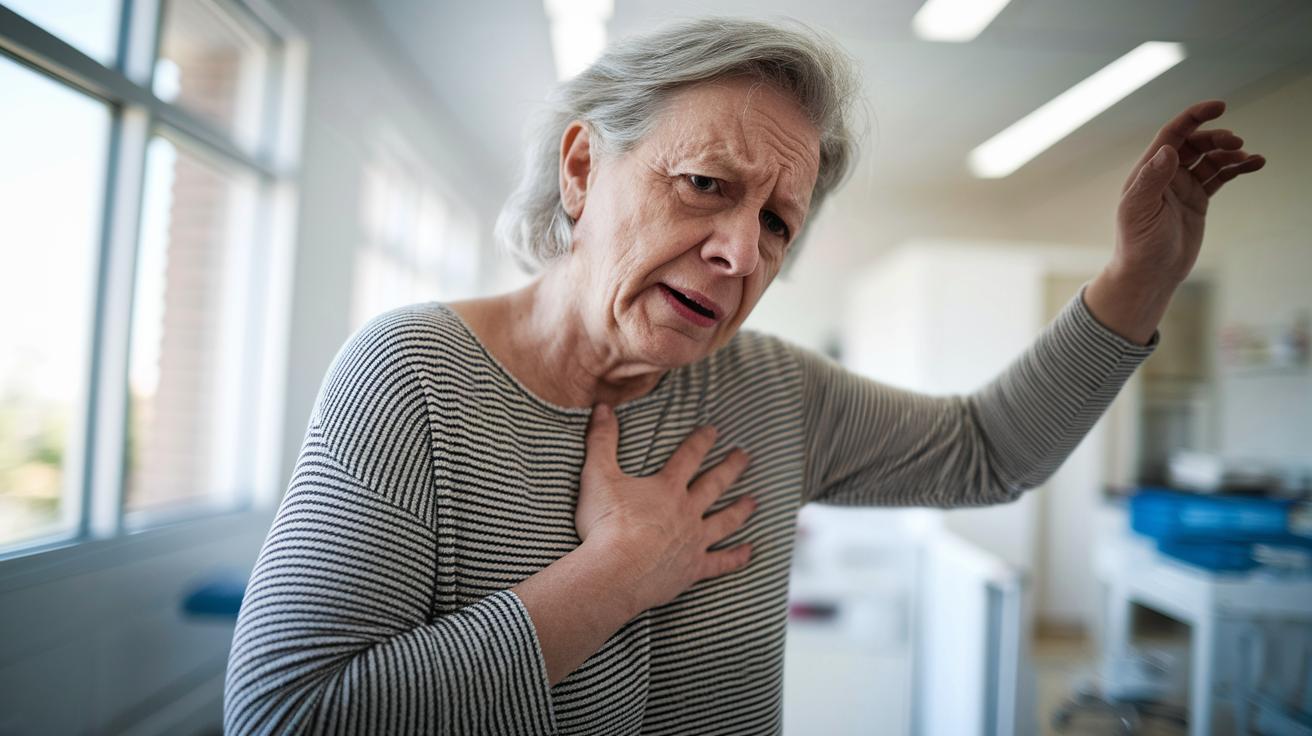
If your chest feels tight and you notice any of these signs, you may be at risk for a heart attack or a pulmonary embolism (a blood clot in your lung). If the pain spreads to your arm or jaw, you feel very short of breath while at rest, you suddenly feel dizzy or faint, or you begin sweating heavily or coughing up blood, call emergency services immediately (in the US, dial 911). Write down when your symptoms started to help clinicians act quickly.
- Pain that spreads to the arm or jaw
- Severe shortness of breath at rest
- Sudden dizziness or fainting
- Heavy sweating or coughing up blood
Tightness in upper chest: Clear Insights
Quick take: Your chest tightness may stem from muscle strain or stress. If you experience severe pain, shortness of breath, or pain spreading to your arms or neck, call emergency services now.
If you have any of these emergency signs, call emergency services now:
• Severe chest pain that spreads to the arms, neck, or jaw
• Shortness of breath or difficulty breathing
• Fainting or rapid heartbeat
If your symptoms worsen quickly, seek same-day medical attention. For mild symptoms that don’t change, follow these self-care steps:
• Use deep, slow breathing. Inhale deeply through your nose, letting your stomach rise, then exhale slowly.
• Practice progressive muscle relaxation and try gentle yoga poses such as chest opener stretches.
• Consider over-the-counter ibuprofen (200–400 mg) to help lower inflammation. Always follow the directions and check with your clinician if you have concerns.
• Take regular breaks, especially if you sit at a desk, and make sure your work setup is comfortable.
• Keep a simple log to note when the tightness occurs, its severity, and any steps that help you feel better.
| Technique | Example | Frequency |
|---|---|---|
| Stretching | Chest opener stretch | Daily |
| Breathing | 4-7-8 cycle | 3 times a day |
| Yoga | Cobra Pose variant | 3 times a week |
| Medication | Ibuprofen 200–400 mg | As needed |
Small changes like regular movement breaks, proper posture, and staying well-hydrated can boost muscle recovery and help ease chest tension.
Final Words
In the action, we covered key causes of tightness in upper chest, from cardiac signals and musculoskeletal strain to stress and gastrointestinal issues. We outlined red flags that need immediate care and shared home remedies, self-care tips, and symptom trackers.
These clear steps can guide you in quickly knowing when to act and when to monitor. Stay positive and careful. Your awareness and prompt action can help protect your health. Keep this guide handy for fast, evidence-based decisions when facing tightness in upper chest.
FAQ
How can I relieve chest tightness and anxiety-induced chest constriction?
Relieving chest tightness involves deep breathing, gentle stretching, and relaxation techniques like yoga. Over-the-counter pain relievers and posture adjustments can also help reduce muscle strain and anxiety-related chest pressure.
What does it mean if I experience chest tightness with no other symptoms or a weird feeling in my chest without pain?
Experiencing chest tightness without other symptoms may stem from benign muscle strain, mild acid reflux, or stress. Still, watch for changes and consult a clinician if additional symptoms develop.
What causes chest pain in women, particularly in the middle or specific chest areas?
Chest pain in women can be due to non-cardiac reasons like costochondritis or muscle strain, but it may also signal heart-related issues. It is important to have persistent or severe pain evaluated by a healthcare provider.
Why does my chest feel tight, heavy, or like there is pressure at the top of my chest?
A feeling of tightness, heaviness, or pressure in the upper chest can be caused by gastrointestinal reflux, anxiety, or musculoskeletal strain. In some cases, it may indicate cardiac issues that need prompt evaluation.
When should I worry about chest tightness and seek urgent care?
Worry about chest tightness if it comes with radiating pain to the jaw or arm, severe breathlessness, sudden dizziness, profuse sweating, or coughing up blood. These signs warrant immediate medical evaluation.