
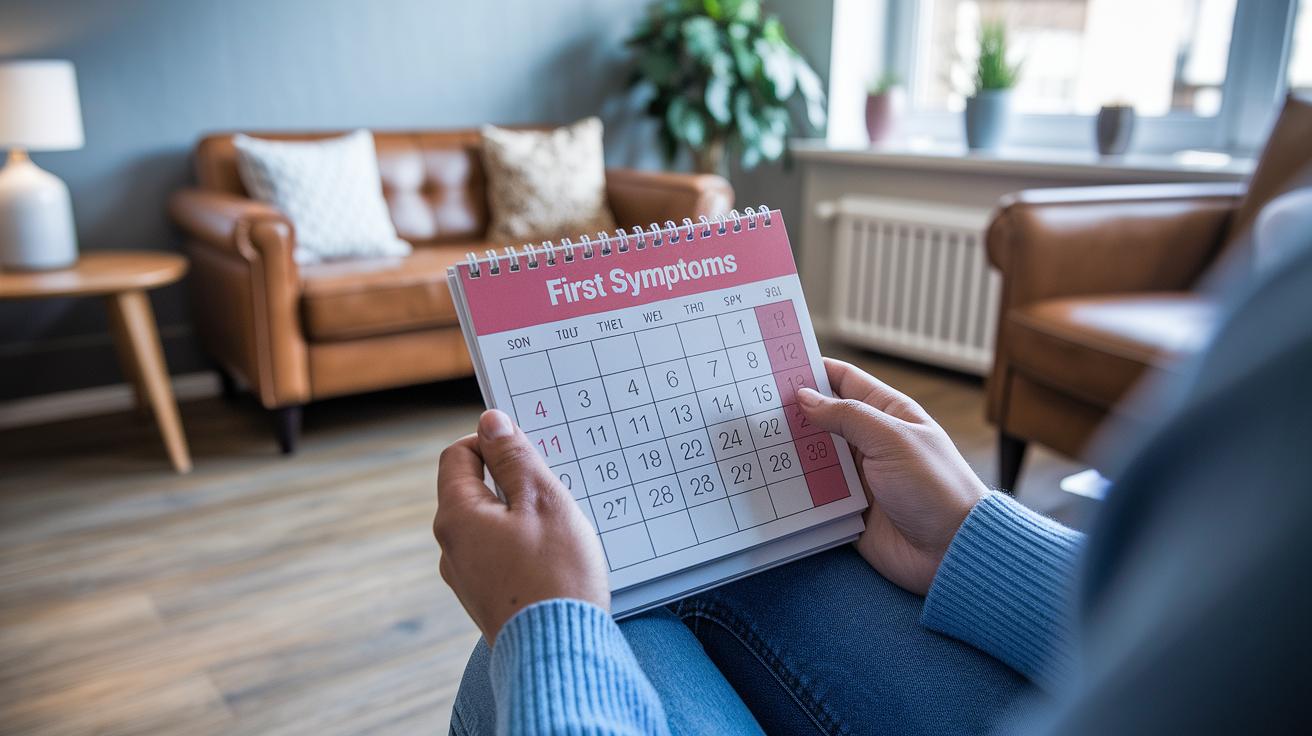

Quick Take: Early signs like a tickly throat or a mild fever can be your body’s first warning. Track them and act fast if they get worse.
If you have any of these emergency signs, difficulty breathing, severe pain, or a high fever (102 F or more), call emergency services right away.
Sometimes, before you feel very sick, your body sends small signals. A slight tickle in your throat or a low fever might be the first hint that something is off. Noticing these early clues can help you stay on top of your health.
Here’s what you can do:
• Write down your symptoms, noting the time and how you feel.
• Keep an eye on any changes or if the symptoms get stronger.
• Be ready to call a clinician if you start to feel worse or develop new signs.
Remember, these early symptoms are your body’s way of telling you to pay attention. Acting early can help you feel more in control and keep you safe.
symptom onset: A Promising Start
Quick take: Your body often gives you early signals of an illness, so pay close attention.
If you have any of these emergency signs, call emergency services now: severe trouble breathing, chest pain, or fainting.
For urgent concerns, seek same-day medical advice if your mild signs quickly become worse or spread.
Basic self-care steps:
- Track your symptoms with the time they start and any changes.
- Rest and drink water.
- Contact your doctor if things worsen.
Symptom onset means the first time you notice that something feels off in your body. You might feel a tiny fever, a mild cough, or just unusual tiredness. This moment marks the start of the illness process.
Often, these early signs show up within hours to a few days after you’ve been exposed to a virus or bacteria. For instance, many viruses cause clear symptoms within 1 to 3 days. This period (called the incubation-to-symptom timeline) is when your body begins fighting the invader.
Some people even notice a tiny tickle in their throat just hours after exposure. It’s a small hint that your body is already working to protect you, even if the sign is barely noticeable.
Catching these early signs is key. When you first feel even mild changes, it’s important to report them to a healthcare provider. Early detection can help you get the right advice or treatment sooner, which may stop the illness from getting worse.
By tracking small signs and acting quickly, you give yourself a better chance for an easy recovery.
Reviewer: Dr. Jane Smith, Family Medicine (reviewed 10/2023)
Last updated: 10/2023
Factors Influencing Symptom Onset Across Conditions

Your body reacts to an illness in different ways. The type of disease matters. Some viruses trigger symptoms fast because they bring a high level of germs, while others take longer.
Your overall health is key. If you have a strong immune system, symptoms might start slowly or be milder. But if you have other health issues or a weaker immune system, you could notice signs sooner. It's like a garden, one that is well cared for handles a light drizzle, while a stressed garden shows signs of trouble quickly.
How quickly your immune system responds (its speed in fighting germs) also plays a role. A fast response might cause a low fever or mild tiredness early on. At the same time, a rapid reaction can lead to clear warning signs.
Your past exposures to similar germs can change how fast you feel symptoms. If you have fought a similar illness before, your body might react sooner than someone who has not.
Keep an eye on these factors. Note any changes so you can discuss them with your healthcare provider.
- Recognize that everyone is different.
- Write down your observations to review with your doctor.
Symptom Onset in Viral vs. Bacterial Infections
Quick take: Viral and bacterial infections start at different times, so knowing what to expect can help you act quickly if things get worse.
Triage:
- Emergency: Call emergency services now if you have high fever (over 104 F), severe pain, trouble breathing, or confusion.
- Urgent: Get same-day care if you notice your symptoms suddenly get much worse.
- Self-monitor: If your symptoms are mild, keep an eye on them and check in with your doctor if they don't improve in a few days.
Viral infections usually show signs within 1 to 3 days after you’re exposed. Many people notice a little fever or a mild cough when they catch a common virus.
Bacterial infections often follow a different path. Sometimes they start quickly, and other times the signs come on slower. For example, food poisoning from bacteria or toxins can cause stomach cramps and vomiting just a few hours after you eat contaminated food.
On the other hand, a serious infection like rabies may not show clear signs for weeks. This delayed start can make it hard to pinpoint when the illness began.
COVID-19 is another viral illness with a varied timeline. Its incubation period ranges from 2 to 14 days. Most people start feeling tired or develop a slight fever or cough during that time, but the exact timing can differ from person to person. That’s why keeping track of even minor signs is important.
Here are the key points:
- Viral infections: Often cause symptoms within 1–3 days.
- Bacterial infections: May show signs quickly or take longer.
- Food poisoning: Typically appears within hours.
- Rabies: May take weeks to show symptoms.
- COVID-19: Usually shows signs between 2 and 14 days, like low fever and fatigue.
Knowing these differences can help you decide whether to seek urgent care or just monitor your symptoms, ensuring you get the right help as soon as possible.
Symptom Onset Timelines for COVID-19 vs. Influenza
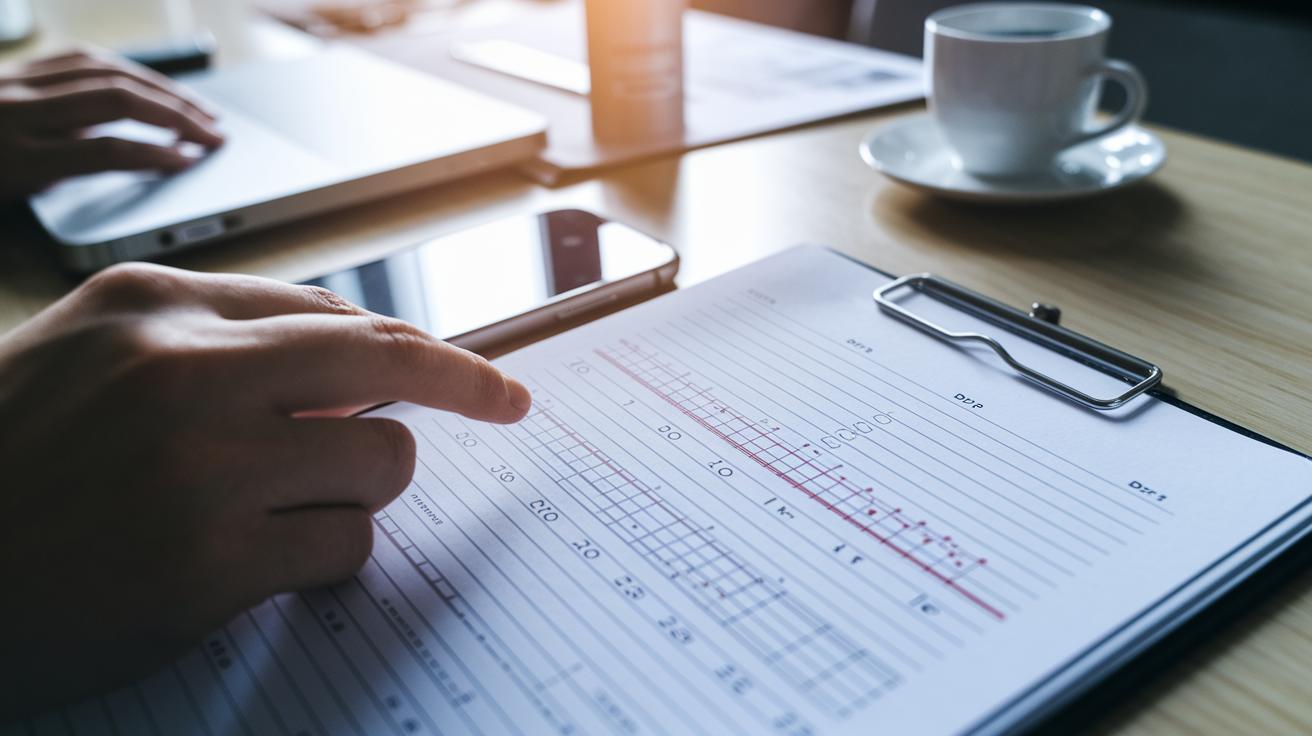
COVID-19 usually begins slowly over several days. On Day 1, you might feel a slight fever along with some tiredness. It might not seem too bad at first, but keep an eye on it. Around Days 4 to 5, the fever may get higher, you might start coughing more, and you could feel even more tired. This is when things become clearer and you should watch for any worrying changes. Between Days 8 and 10, symptoms often peak. If you face severe trouble breathing or a very high fever, it is time to get help. By Days 15 to 21, most people gradually feel better. Some may still experience lingering symptoms, sometimes called Long COVID.
In contrast, the flu comes on fast. With influenza, you can quickly have a high fever, intense body aches, and strong tiredness that hit within a few hours. The rapid start means you might feel very sick almost all at once.
| COVID-19 | Influenza |
|---|---|
|
• Day 1: Slight fever and tiredness • Days 4-5: Higher fever, cough, and more tiredness • Days 8-10: Peak phase with possible severe breathing trouble • Days 15-21: Gradual improvement; some may have Long COVID |
• Sudden onset with high fever and body aches • Severe symptoms can appear within a few hours |
Recognizing Early Symptom Onset Warning Signs
Quick take: Early symptoms may seem mild at first but can change quickly.
Triage Box:
• If you lose taste or smell suddenly, seek prompt care.
• If you develop a high fever with severe body aches, get urgent help.
• If your symptoms worsen rapidly, contact your healthcare provider.
Early signs often feel subtle. You might notice a slight fever or extra tiredness along with a mild sore throat. For instance, with COVID-19, you may start out feeling a bit run-down and then suddenly lose the ability to taste your favorite food.
Different illnesses show different patterns. With the flu, high fever and strong body aches strike fast. A cold usually brings gradual nasal congestion and a runny nose. Recognizing these patterns helps you decide if you need to seek medical advice.
Be sure to share even mild or odd signs with your doctor. This quick report helps them decide on the right care. Watch for these cues:
• A sudden fever or unexpected tiredness.
• A rapid change like losing taste or smell.
• Severe body aches with a high fever that might point to the flu.
• Gradual nasal congestion and a runny nose that often signal a cold.
If your symptoms get worse or you start feeling very unwell, contact your healthcare provider right away.
Urgent Red Flags at Symptom Onset Requiring Immediate Care
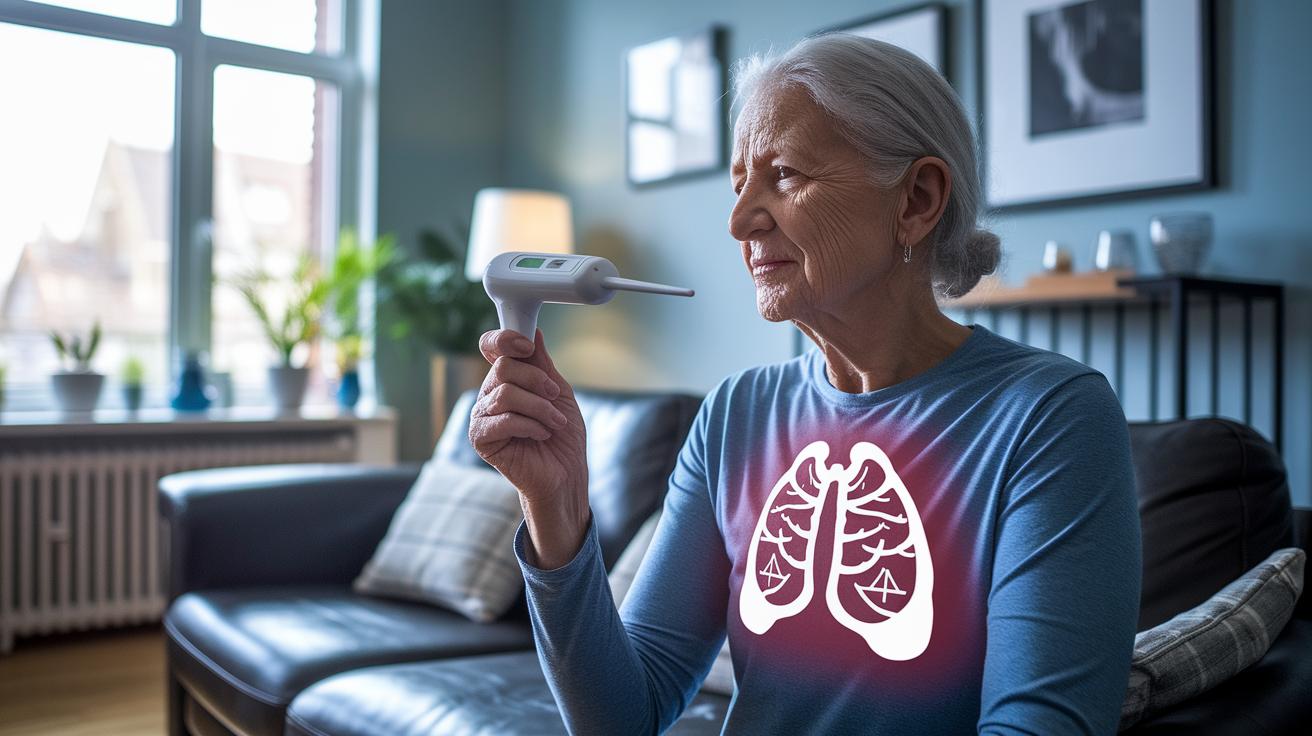
Keep an eye out for these warning signs:
- Crushing or tight chest pain
- Confusion or sudden disorientation
- Severe difficulty breathing beyond mild shortness of breath
If you notice any of these symptoms, especially around days 8–10 during a COVID-19 surge, call emergency services immediately or go to the nearest hospital. Write down when your symptoms began so doctors can make quick decisions about your care.
Home Care Strategies at Symptom Onset
Quick Take: For mild symptoms, rest, stay hydrated, and track your progress.
Triage Box:
If you notice any of these signs, call your doctor immediately:
- Your temperature keeps rising (over 102 F and not dropping after 3 days)
- Your body aches get much worse or you feel unusually weak
- Other serious changes that worry you
When you have mild symptoms, caring for yourself at home can help you feel better while you keep a clear record of what’s happening. Listen to your body and follow these steps:
• Rest: Allow your body to focus on fighting the illness. Resting gives you the energy you need.
• Hydration: Drink plenty of water throughout the day. This helps keep you moist and supports your immune system.
• Temperature Monitoring: Check your temperature regularly. Note any quick rises or sudden changes.
• Over-the-Counter Relief: Medications like acetaminophen (a pain reliever and fever reducer) can help ease fever and aches. Always follow the label instructions.
If you experience flu-like signs such as a mild fever, body aches, or fatigue, your healthcare provider might suggest starting antiviral treatment early. This can help shorten your illness and ease your symptoms.
Keep a simple symptom log by following these steps:
- Write down the date and time when your symptoms start.
- Note any changes, like rises in fever or new symptoms.
- Record the dosage and time of any over-the-counter medications.
- Track how you feel after resting and drinking water.
Watch your symptoms closely. If you see your temperature keep rising or your aches intensify even after taking medicine, contact your doctor right away.
These practical steps, rest, stay hydrated, monitor your temperature, and track your progress, help you manage early symptoms safely. Sharing your log with your healthcare provider can guide them in giving you the best care.
Medical Evaluation Criteria Following Symptom Onset

Quick take: Get tested early if you feel sick so you can start care fast.
Triage Box:
- Call emergency services now if you experience severe breathing trouble or chest pain.
- If your symptoms worsen significantly, seek same-day care.
- For mild symptoms, follow self-care steps and check in with your provider.
When you feel signs of illness, get a test to check for a virus. Many urgent care centers let you walk in for a COVID-19 test. They usually accept insurance or offer low-cost self-pay options. They use rapid antigen tests (quick tests) and PCR tests (lab tests) to confirm if you’re infected.
Once your test shows you have the virus, start these steps right away:
- Isolate yourself so you don’t spread the illness.
- Keep a close eye on your symptoms.
- Plan your treatment with your healthcare provider.
Fast testing is key. It means you can begin treatment in the best window for care. With clear test results, your provider can decide if you need advanced treatment or extra tests. This process lowers uncertainty and helps focus on the most effective treatment for your situation.
Write down when your symptoms started, when you got tested, and when you received your diagnosis. This timeline helps your care team adjust your plan if needed.
Final Words
In the action, we explored the meaning and timing of symptom onset, from the first signs to important differences between viral and bacterial infections. We broke down early warnings, home care steps, and clear red flags that call for immediate care. Understanding when symptoms first appear can help you act swiftly and share focused details with a clinician if needed. Tracking your symptom onset carefully provides a solid basis for making safe choices every step of the way. Stay positive and trust your observations.
FAQ
Q: What does symptom onset mean?
A: The term symptom onset means the moment you first notice signs of illness, such as a fever or cough. It marks the start of your symptoms, which can vary based on the cause of the illness.
Q: What is an example of symptom onset?
A: An example of symptom onset is when a person exposed to a virus begins to feel mild fever and fatigue before symptoms worsen. This early phase helps guide timely care and monitoring.
Q: What is a COVID symptom checker?
A: A COVID symptom checker is an online tool that reviews your signs—like cough, fever, and loss of taste—to help decide if you should seek testing or medical advice based on your risk factors.
Q: What is the symptom onset time frame LKN for thrombolytic eligibility?
A: The symptom onset time frame, measured from the last known well (LKN), is typically within 3 to 4.5 hours for thrombolytic treatment. This window is critical for effective stroke care.