


Quick Take: A sudden rash change may signal more than a minor irritation.
If you see any of these signs, call your doctor immediately:
- Rash spreading quickly
- Painful blisters
- Changes in the rash’s shape
Some rashes clear up on their own with simple care. But if you notice one or more of these changes, it may be time to act fast. Watch your rash closely, jot down any changes, and if these red flags appear, get checked by a professional right away.
Symptom Index for Skin Rash Changes: Top Warning Signals
A sudden change in your rash might be a sign that something is wrong. If you see a rash that spreads fast, forms a bulls-eye shape, causes pain, blisters, or makes it hard to breathe, you need to act quickly. A fever combined with a rash could point to scarlet fever or a reaction to a medicine. And if you feel dizzy, your tongue swells, or you get nauseous, even if you have hives, it's important to treat these as emergencies.
| Symptom | Concern Level | Recommended Action |
|---|---|---|
| Body-wide Spread | High | Seek immediate evaluation |
| Bulls-eye Lesion | High | Contact your doctor right away |
| Blistering | High | Arrange prompt medical attention |
| Skin Breakdown | High | Visit a healthcare facility urgently |
| Systemic Symptoms (fever, pain) | High | Monitor and get evaluated soon |
| Anaphylaxis Signs | Critical | Call emergency services immediately |
If you notice any of these signs, don't wait. Take them seriously and act fast. Keep a note of when the symptoms start, how they feel, and any changes you see. Share these details with your healthcare provider. It’s always better to have a professional check you out, even if the rash seems minor at first.
Symptom Index for Skin Rashes: When to Worry about Changes
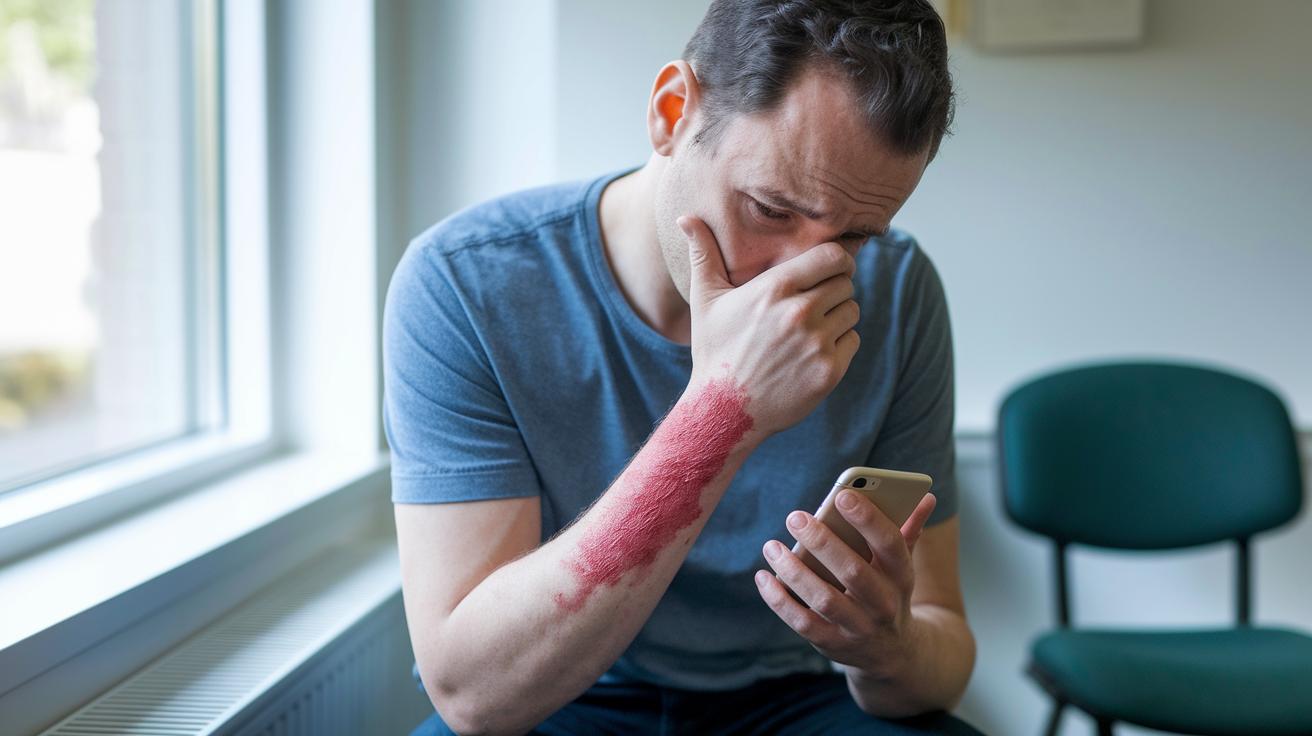
Quick Take: Most simple skin rashes fade with basic care, but some signs mean you need help fast.
If you have any of these emergency signs, call emergency services now:
- Rash spreads fast, gets very red, or changes shape.
- You see blisters (bullae) or open sores.
Urgent: If your rash does not improve in 7 days, seek same-day medical advice.
Most skin rashes come from everyday irritants like certain foods, weather changes, sunlight, or even stress. They are usually mild and go away on their own. Often, running an over-the-counter antihistamine or using a low-strength hydrocortisone cream will calm the irritation. A mild rash might show up quickly over a few hours or slowly over several days, but it usually stays small and isn’t too bothersome.
You can manage these rashes at home by avoiding things you know cause irritation and keeping your skin clean and dry. A soothing cream or an antihistamine can help ease the itch and prevent the rash from getting worse. This home care works well if you don’t notice any extra worrying signs.
If you see the rash spreading, getting much redder, or changing its shape, especially if you notice blisters or open areas, these are red flags. Also, check if your rash lasts more than 7 days without getting better. In that case, track the rash by noting the date, any changes, how red or painful it feels, and any other new symptoms. Share those details with your healthcare provider so they can quickly decide if you need more help.
Systemic and Severe Rash Indicators: Expanded Danger Markers
A rash that comes with body-wide symptoms can be very serious. It means your body is under stress, and you need to get help fast.
Red flags:
- A rash that covers your whole body with a fever (a sign of a serious reaction). Get medical help immediately.
- Rapid spreading redness or rash. Call your doctor soon.
- Blisters from an infection or reaction to a drug (like you might see with shingles or chickenpox). Seek urgent care.
- Open sores or skin that is breaking down. Visit a healthcare facility as soon as you can.
- Swelling or strange bruising near the rash. Get a same-day evaluation.
- Trouble breathing, a swollen tongue, dizziness, or nausea that comes with the rash. Call emergency services right away.
- Growing pain or overall discomfort along with the rash. Keep a close watch and see a doctor if it gets worse.
Write down when your symptoms started, note any changes in the rash, and record any new signs. Acting quickly can help stop complications and ensure you get the right treatment.
Structured Diagnostic Roster: Clinical Indicator Scale for Rash Evaluation
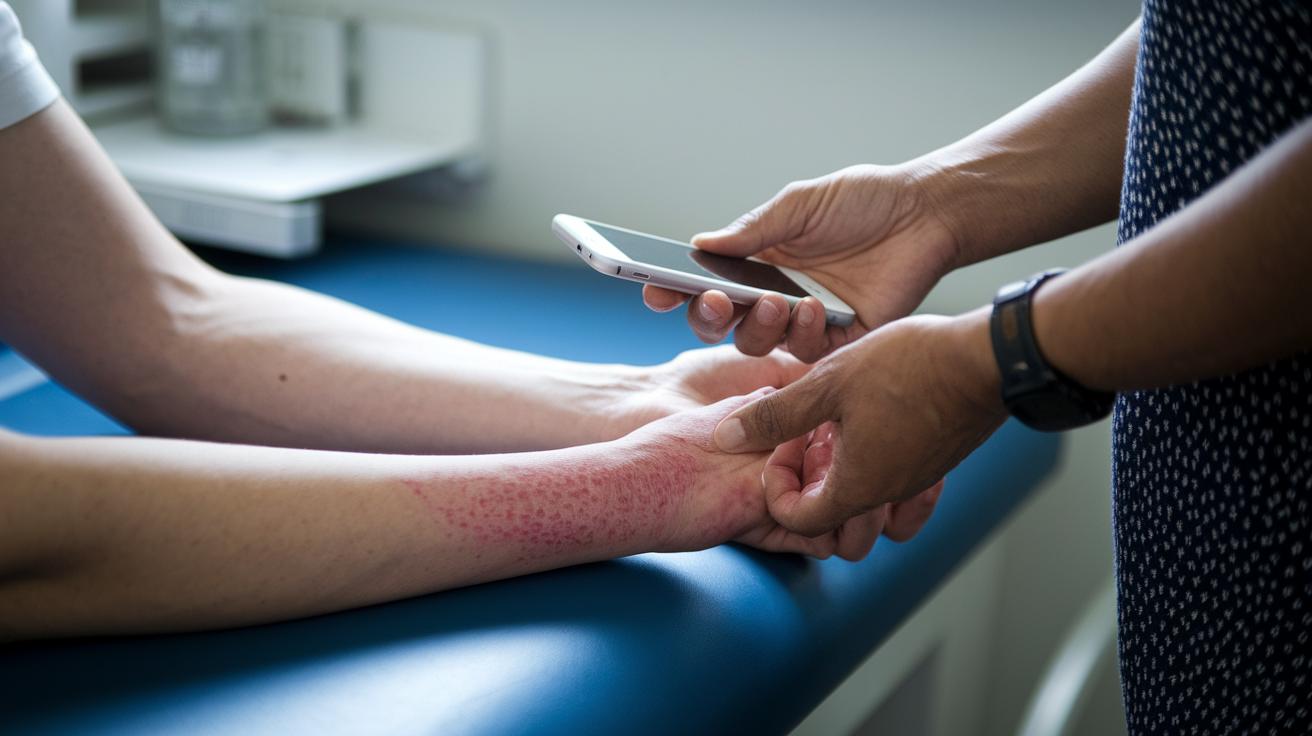
Patient History Review
Start by asking when you first noticed your rash, how it has changed, and if you have been exposed to new medications or allergens. Ask whether you have seen a similar rash before or if skin issues run in your family. Creating a clear timeline and noting any triggers like chemicals or environmental exposures will help guide the next steps in your care.
Physical Examination
Take a careful look at your rash. Notice if the spots are flat (macules), small bumps (papules), or tiny blisters (vesicles). Check if the rash is in one area or spread over your body. Gently feel the skin for any tenderness or firmness that might show signs of inflammation. Also, check for other symptoms such as a fever or joint pain, which could point to a deeper problem.
Laboratory and Imaging Tests
If the cause remains unclear, further tests might be needed. A skin biopsy (taking a small sample of skin for testing) can give more details about the rash. Blood tests like a complete blood count (CBC) and C-reactive protein (CRP) test can show signs of inflammation. Allergy tests and imaging studies may be added if there is concern about deeper tissue involvement.
Evidence-Based Guideline: Home Management and When to Seek Help
Quick take: Most mild skin rashes can be managed safely at home, but certain signs require a doctor's help.
If you notice any of these emergency signs, call emergency services now:
- Rash that lasts more than 7 days without getting better or worsening
- Blistering or the rash spreading rapidly
- Fever, severe tiredness, joint pain, dizziness, or unusual swelling
For mild rashes, you can usually take care of yourself. Try using an over-the-counter antihistamine like diphenhydramine (25-50 mg every 4-6 hours) or loratadine (10 mg once daily) as directed on the label. Apply a gentle, low-strength steroid cream to the affected skin twice a day. Wash your skin with a gentle cleanser and keep it dry. A cool, damp cloth can help ease any itch or burning.
It also helps to track your symptoms. Write down the date, time, and any changes you see in the rash’s size, color, or pain. For example, you might note: "10/05 at 8 AM – rash less red and less itchy."
| At-Home Care | Instructions |
|---|---|
| Oral Antihistamines | Diphenhydramine 25-50 mg every 4-6 hours or Loratadine 10 mg once daily |
| Topical Cream | Low-strength steroid cream applied twice daily |
| Symptom Tracker | Record the date, time, and any changes in size, color, or pain |
Final Words
In the action, we outlined a clear guide to help you monitor skin rash changes. We detailed warning signs like widespread spread, blistering, and trouble breathing. The post explained how to use a symptom index for skin rashes: when to worry about changes, and when to manage at home with practical steps.
Your understanding of red flags and self-care measures empowers you to act safely. Stay observant, track details closely, and remember that prompt care can make all the difference.
FAQ
When to worry about a rash in adults or children?
Worry about a rash when it spreads quickly, forms pain or blisters, or comes with fever and breathing issues. In children, severe discomfort, fever, or rapid changes also signal the need to seek care.
What can be learned from pictures of skin rashes, including those on legs or the upper chest in females?
Looking at pictures of rashes can help you recognize different appearances, such as those on the legs or upper chest. However, images are guides only—a clinician must assess the rash for an accurate diagnosis.
How is an itchy rash that spreads when scratched understood?
An itchy rash that worsens with scratching suggests irritation or an allergic reaction. When the rash expands or shows signs of infection, it is important to monitor it closely and consider professional advice.
How can you tell if a skin rash is serious or not?
A serious skin rash often spreads rapidly, has blistering, pain, or is accompanied by fever and breathing issues, whereas a mild rash usually appears after minor irritants and improves with simple home care.
Can a rash be a symptom of another condition, and what diseases are associated with rashes?
A rash can be a symptom of another condition like a viral infection, drug reaction, or autoimmune disorder. Diseases such as chickenpox, shingles, and scarlet fever often show rashes alongside other symptoms.
What characterizes a rash on the upper chest in females?
A rash on the upper chest in females may result from acne, allergies, or contact with irritants. When accompanied by pain, rapid spread, or systemic symptoms, professional evaluation is recommended.