


Quick take: Keeping a food reaction diary can help you spot hidden clues about allergies and take control of your health.
If you have any severe signs like trouble breathing or swelling, call emergency services now.
Try these simple steps:
• Write down everything you eat.
• Note any symptoms you feel after eating, such as itching, stomach pain, or rash.
• Look for patterns that might point to an allergy.
• Share your notes with your doctor to plan safe steps ahead.
It may seem small, but tracking your food reactions can lead to big personal insights and help you manage your health better.
Symptom diary for food allergy tracking: Feel Empowered
Quick take: Write down your meals and any symptoms right away. If you ever experience trouble breathing, swelling of the throat, or severe pain, call emergency services immediately.
Choose the tool that works best for you, a small notebook or a mobile app. A paper diary is always handy, while an app can send reminders and let you share your record easily.
• Note the date and time at the start of every entry.
• Right after eating, list everything you consumed. Include details like ingredients, portion sizes, and the time you ate. This helps you link meals with later reactions.
• Write down any symptoms you feel. Describe your reaction (like hives, bloating, or a burning feeling) and rate it as mild, moderate, or severe. Record when these symptoms started.
• List any medicine you take and note if it provided relief. For example, you might write, "Took 100 mg medicine; relief was moderate after 30 minutes."
• Add useful details like your stress level, how well you slept, any exercise you did, or if you were exposed to other triggers. A quick note like, "Felt anxious after lunch," can be very helpful.
By keeping this daily diary, you build a clear record of your reactions. Over time, patterns may emerge that you can discuss with your healthcare provider to find the best treatment plan.
Key Components of an Effective Allergy Symptom Log
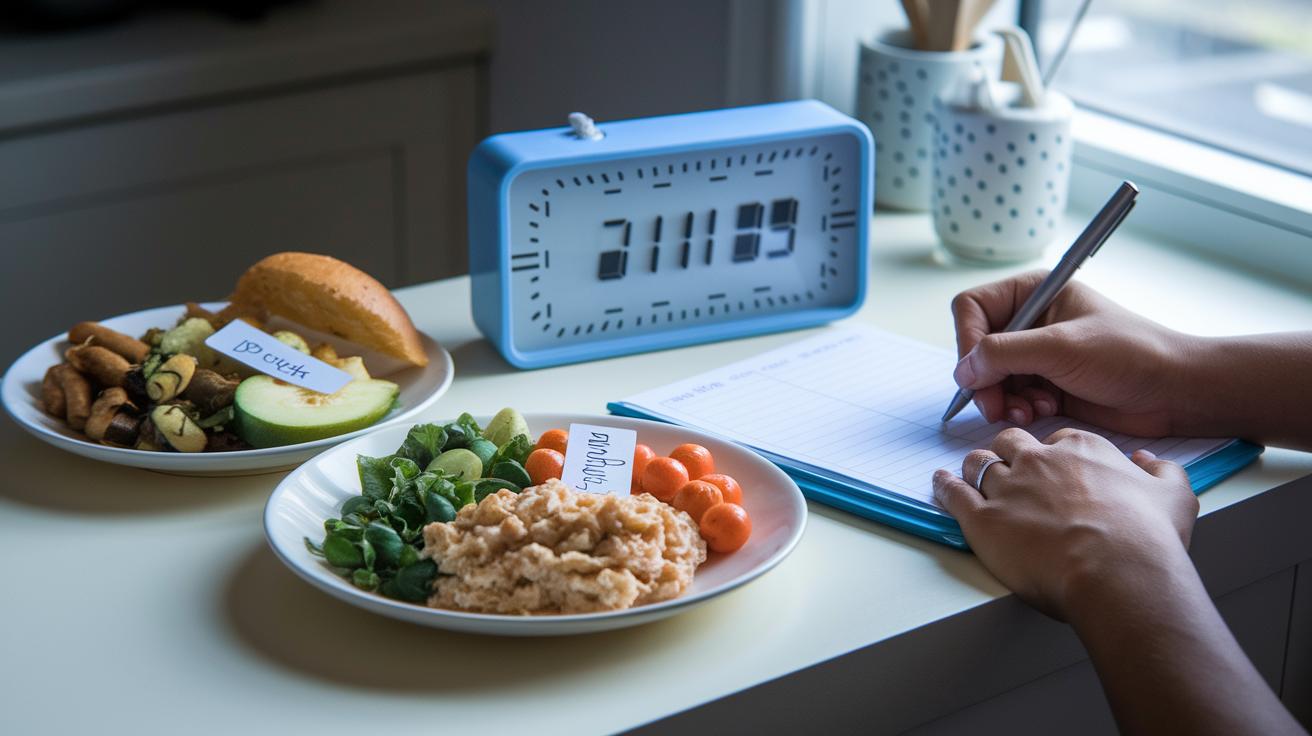
Start by writing down the exact date and time you eat. For example, "Had a slice of pizza at 6:45 PM" tells you exactly when you ate, which helps link your symptoms to that moment.
Next, include a clear food description with details like ingredients and serving size. A good note might be, "Ate a small bowl of pasta with tomato, basil, and garlic." This clear detail stops you from using vague words and helps you see patterns over time.
Write down your symptoms in simple language. Note what kind of reaction you had, like hives, bloating, or burning, and rate it as mild, moderate, or severe. Also, record exactly when the symptoms started. For instance, "Hives appeared 30 minutes later" tells you how quickly your body reacted.
Add any extra details about your day that might matter. Mention if you were stressed, how well you slept, if you exercised, or if you were in a smoky area. For example, "Felt tired after a sleepless night and was in a smoky room" shows other triggers that might be affecting you.
Record any medications you took and note how well they worked. Instead of just writing, "Took medicine," try saying, "Took 100 mg antihistamine; felt moderate relief in 45 minutes." These clear details are important when you discuss your log with a clinician.
Remember to review and update your log often. Over time, you may find that patterns emerge, especially if things like portion sizes and medication timing stay the same. Keeping your notes detailed can make a big difference when talking with your healthcare provider.
Templates and Digital Tools for Your Food Allergy Tracking
Quick take: Keeping a daily log of what you eat and how you feel can help you spot food allergy triggers fast.
Triage:
- Call emergency services now if you have trouble breathing, severe swelling, or fainting.
- Seek urgent care if your symptoms worsen quickly.
- Otherwise, use this diary to share clear details with your doctor.
A 7-day food and symptom diary template gives you a clear way to see how your meals may affect your allergies. Use it every day to record what you eat and any signs you notice, such as hives, bloating, or a burning sensation. Write down the date, time, and a short note about your meal. For example, you might write: "Ate a turkey sandwich at 12:30 PM" then "Mild tingling 20 minutes later." This routine builds a steady record to review with your healthcare provider.
Printable Food and Symptom Diary Templates
Many people prefer writing on paper. You can use a simple notebook or download a PDF tracker made for food allergy tracking. A typical layout has columns for the date, food, symptoms, severity (mild, moderate, severe), and extra notes. For example, an entry might look like this:
| Date | Food | Symptoms | Severity | Notes |
|---|---|---|---|---|
| 03/12/2023 | Scrambled eggs | Itchy throat, mild swelling | Moderate | Felt anxious in the morning |
These details help you spot trends and identify possible triggers. Your doctor might also offer a customized digital or printable template to make sure you capture all the needed info.
Mobile Apps for Reaction Tracking
Digital tools like mobile apps can also
Best Practices for Maintaining Your Daily Allergy Journal

Keep track of your meals and reactions to spot hidden patterns. Here are a few ideas to make your journal even more helpful:
- Use a smartphone app to quickly log what you eat, any symptoms, and even photos.
- Tag your entries with simple notes like "lunch-out" or "snack at work" so you remember the setting.
- When writing isn’t easy, record a quick voice memo right after eating.
- At the end of each week, jot down any trends you notice, such as changes with the seasons or shifts in energy and mood.
- Give each meal a score for how it affects how you feel physically and emotionally.
These steps can help you see clear patterns over time and manage your allergies better.
Analyzing and Tracking Your Dietary Symptom Chart
Keep a simple diary of what you eat and any symptoms you experience. Write down the food item, the time you ate it, the symptoms you felt, how quickly they started, and how bad they were. This record can help you see a clear timeline of your food choices and any reactions, like bloating, hives, or an itchy throat. For example, you might notice mild bloating 30 minutes after drinking almond milk or severe hives 45 minutes after eating cheddar cheese.
Next, look at your diary to spot patterns. Check if certain foods always trigger symptoms and note how fast the symptoms appear. This step-by-step review turns your notes into useful clues for managing your allergies.
Organize your notes in a simple table so both you and your doctor can quickly identify potential triggers. A clear chart helps guide decisions, such as adjusting your diet. Below is an example:
| Food Item | Symptom | Onset Time | Severity | Notes |
|---|---|---|---|---|
| Cheddar Cheese | Hives | 45 min | Moderate | After lunch salad |
| Almond Milk | Bloating | 30 min | Mild | With morning coffee |
| Shrimp | Itchy Throat | 15 min | Severe | At dinner |
Keep using your diary to log details and check for repeated patterns. This practice will help you pinpoint the specific foods that trigger your symptoms, making it easier to manage your allergies safely.
Sharing Your Food Reaction Tracker with Healthcare Providers

Keeping a clear diary of your food reactions helps your doctor craft the best plan for you. Detailed records show what you ate, your symptoms, and your treatment. This makes it easier for your provider to spot patterns and create a plan that fits your needs.
Here are some tips to get your diary ready for your appointment:
- Write down the date and time of each meal. Note any symptoms you notice right away.
- List what you ate, including details like portion sizes and ingredients.
- Record the start and strength of your symptoms (mild, moderate, or severe) and note any treatment you used.
- Include any medications you took, along with the dose and how well it worked.
- Add notes about your day, such as stress levels or other factors that might affect your reactions.
Digital tools can help, too. Many let you export your diary as a PDF or CSV file. You can print or email your records before your visit so your doctor can quickly see the patterns in your responses.
Recognizing Red Flags in Your Reaction Record Sheet and When to Seek Help
If you notice any of these signs, call emergency services right away:
- Trouble breathing
- Swelling in the tongue or throat
- A weak pulse
Mark your diary clearly when you see these red flags. For example, write “CALL 911 – Breathing trouble at 3:15 PM” to show the emergency.
If you have known allergies that might trigger a severe reaction, keep an Epi-pen nearby. When you use it, note the time and a brief description of what happened, such as “Epi-pen used at 3:10 PM; breathing got better.” This detailed note helps your healthcare team decide what to do next.
Review your diary often for any of these signs. If you see them, act immediately and call for help.
Final Words
In the action, you explored how to build a strong symptom diary for food allergy tracking. You learned to record key details like dates, meal information, symptoms, and treatment responses. Simple steps and useful templates can help you spot recurring patterns and clearly share your findings with your doctor. Keeping a detailed daily log empowers you to manage your condition and act quickly when needed. Your careful tracking brings clarity and hope as you move forward.
FAQ
What is a food and symptom tracker diary for food allergy?
The food and symptom tracker diary records what you eat and any allergic symptoms you experience. It details food items, timing, symptom descriptions, and intensity to help spot patterns.
Are there free food and symptom tracker apps available?
The free food and symptom tracker apps offer ready-to-use tools to log meals, symptoms, and medication. They often include reminders and data export features for easy sharing with your healthcare provider.
How do I access a printable or PDF food allergy diary?
The printable food and symptom diary PDF provides a structured template to record food intake, symptoms, and severity. It is designed for easy tracking and sharing with clinicians during consultations.
Is there a food allergy tracker app for Android or a printable version available?
The food allergy tracker app for Android and printable diary options let you choose a digital or paper-based method. These tools customize tracking fields, making it simple to record meals, symptoms, and reaction details.