
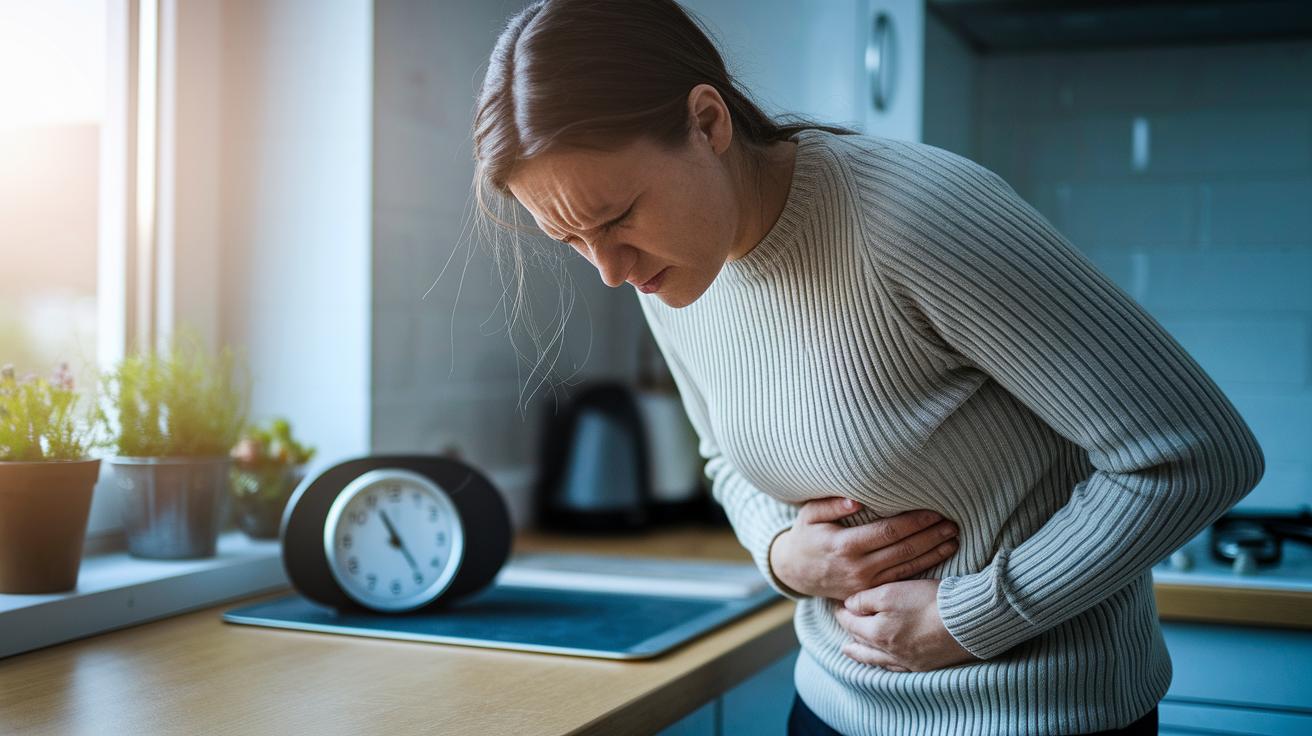

Quick Take: Your tummy pain and feeling drained might signal gut irritation from stress, food triggers, or an infection.
If you have any of these emergency signs, call emergency services now:
• Severe or sharp stomach pain
• Persistent vomiting or dehydration signs
• High fever (over 102°F)
• Blood in your stool
Summary:
Many people notice belly aches and low energy after eating. These symptoms may mean your gut is inflamed because of stress, food sensitivities (reactions to certain foods), or an infection.
What You Can Do:
- Keep a food diary. Write down what you eat along with how you feel. This can help spot triggers.
- Try simple diet changes. Avoid foods that seem to upset your stomach.
- Manage stress. Practice relaxation techniques like deep breathing or a short walk.
- Stay hydrated. Drink plenty of water throughout the day.
Track Your Symptoms:
• Note the time symptoms occur.
• Record the severity: mild, moderate, or severe.
• List any other signs like nausea or fever.
When to Seek Medical Help:
If your symptoms worsen or you notice red flags even after a few days, seek same-day medical attention. A trusted clinician can review your symptoms and suggest additional tests or treatments.
Remember, these tips can help you feel better today. However, only a clinician can give you a full diagnosis. Stay alert, track your symptoms, and don’t hesitate to get help if you need it.
Last Reviewed: October 2023
Reviewed by: Dr. Jane Smith, General Medicine Specialist
Understanding Why Stomach Cramps and Fatigue Occur Together
A large online survey of 54,000 people in 26 countries found that 1 in 10 people have belly pain after meals. Many also feel very tired after eating. Women often report these problems more than men. The survey even showed that people with frequent tummy issues are twice as likely to feel anxious or depressed. This means that the discomfort goes beyond just physical pain.
Many people with stomach pain also deal with other signs of digestive upset during and after meals. You might notice bloating (a swollen stomach), feeling full too quickly, or sharp cramps that interrupt your day. Some might experience both constipation and diarrhea. All of these symptoms can make routine tasks feel extremely draining. For example, after a heavy meal, you might feel too tired to move around because your stomach is struggling with cramps and digestive discomfort.
A key reason for both the pain and tiredness is inflammation (swelling and irritation) in the gut. When the gut is inflamed, it upsets the balance between stomach acid and the protective mucus. This inflammation can result from food sensitivities, infections, or even stress. Your body uses extra energy to fight this inflammation, which is why you might feel worn out after you eat.
Gastritis: A Key Culprit Behind Stomach Cramps and Low Energy
Quick take: Gastritis can cause stomach cramps and leave you feeling very tired.
Triage Box:
• If you have severe pain, bloody vomit, or black, tarry stools, call emergency services now.
• If your pain gets worse quickly or you feel very weak, seek same-day medical advice.
• Otherwise, monitor your symptoms and keep track of any changes.
Gastritis is when the stomach lining becomes red and swollen. This happens when the natural balance between your stomach acid and its protective mucus is upset. Without enough mucus protection, stomach acid can hurt the lining and cause uncomfortable cramps along with ongoing tiredness.
Common triggers include an infection (Helicobacter pylori, a common bacteria), too much alcohol, regular use of pain relievers like NSAIDs (non-steroidal anti-inflammatory drugs), and stress. Sometimes, your immune system can mistakenly attack the stomach lining, making the inflammation hard to control.
When your body fights this irritation, it uses extra energy to try and heal the stomach, which can leave you feeling drained. Noticing these signs early might help you change habits that irritate your stomach or prompt you to get medical advice so you can find relief and boost your energy.
How Food Allergies and Intolerances Trigger Abdominal Spasms and Tiredness
Many people notice stomach problems right after eating certain foods. Common triggers are eggs, tree nuts, peanuts, shellfish, milk, soy, and wheat. These foods can make your stomach swell, feel bloated, or fill you up too quickly. You might also experience signs like constipation, diarrhea, or sharp cramps. For example, you could feel sudden cramps and a heavy, uncomfortable sensation after eating something with milk or wheat. That sudden pain can be both confusing and distressing.
These food issues can also leave you feeling very tired. When your body reacts, it causes swelling in your gut that uses up energy, leaving you worn out. The pain from bloating and cramps can make daily tasks feel even harder. Keeping a simple food diary can help you notice if specific foods lead to these energy crashes. Once you spot the problem foods, you can adjust what you eat, lessen the pain, and start feeling more energetic. Small diet changes like this might help bring back your comfort and energy.
Practical Home Care Solutions for Soothing Stomach Cramps and Boosting Energy

Quick take: Simple home care can ease your stomach cramps and boost your energy. If your pain feels severe or you have any red flags like sharp, worsening pain, please call your doctor right away.
Taking care of your gut at home may help you feel calmer and more energized. Little changes in your daily routine could ease your cramps and lift your day.
• Drink plenty of water throughout the day.
• Enjoy a ginger infusion (hot drink with ginger) to help your digestion.
• Sip peppermint tea to calm your stomach.
• Use a warm compress (a heated towel) on your belly to relax tight muscles.
• Practice gentle yoga or stretching to ease cramps.
• Consider a probiotic supplement (helps balance gut bacteria) to support your gut health.
• Rest a bit between meals so your body can recover.
Using these tips over time may bring steady relief and long-lasting comfort for your digestion. For example, a warm compress after dinner might soothe your cramps and help you sleep better. Stick with these small changes, like a morning glass of water or a short yoga session, and notice how your body feels as you take charge of your digestive health and energy every day.
When Stomach Cramps and Fatigue Signal a Need for Medical Attention
Quick Take: Severe stomach cramps along with ongoing fatigue and other worrisome signs mean you should get checked by a doctor.
Triage Box:
• Red flags:
- Constant, severe belly pain that does not ease with rest
- High fever (102 F or more) that sticks around
- Blood in your stool or vomit
- Unexplained weight loss
- Fatigue that does not improve even with extra rest
• Urgent: - Feeling more anxious or depressed along with the above symptoms
• Self-care: - If your symptoms are mild and you have none of these red flags, rest, stay hydrated, and track any changes
It can be really worrying when your stomach cramps and tiredness get worse instead of better. When the pain does not stop, or you have a high fever, blood in your stool or vomit, or lose weight without explanation, you need prompt help. These signs can point to a deeper health issue that a doctor should review as soon as possible.
Here’s what you should do:
- Write down when your symptoms started and how they’ve changed over time.
- Note if you also have a fever, see blood, or are losing weight.
- If any red flags appear or your symptoms get worse, contact emergency services or see your doctor right away.
Doctors will ask you questions, run tests like blood tests or scans, and then decide on the best treatment for you. Acting on these signs early can help prevent complications and get you back on track soon.
If you’re ever in doubt or feel worse, don’t wait, reach out for professional care immediately.
Final Words
In the action, we reviewed how stomach cramps and fatigue often go hand in hand. We looked at survey data showing common digestive discomfort symptoms and how conditions like gastritis and food allergies can trigger these issues. You also learned practical home-care strategies and red flags that call for urgent medical help. This guide offers clear, actionable steps to ease your discomfort and boost energy. Stay alert to your body’s signals and keep managing your symptoms with confidence and care.
FAQ
Q: Why does a bloated stomach make you feel sick and tired?
A: A bloated stomach making you feel sick and tired may signal digestive distress such as gut inflammation or food sensitivities, which can drain your energy and create discomfort in your daily activities.
Q: Why do women experience lower abdominal pain and fatigue?
A: Lower abdominal pain and fatigue in women can result from menstrual cramps, digestive issues, or mild inflammation. Persistent symptoms warrant a consultation with your clinician for proper evaluation.
Q: Why might I feel extreme fatigue and stomach pain after eating?
A: Experiencing extreme fatigue and stomach pain post-meals can be due to digestive reactions such as food allergies or gastritis. Your body may trigger a response that drains energy and causes discomfort.
Q: How do stomach pain, nausea, dizziness, headache, and fatigue connect?
A: When stomach pain, nausea, dizziness, headache, and fatigue appear together, it often reflects an upset digestive system. This combination of signals may point to inflammation or an adverse reaction, prompting further evaluation.
Q: How can I relieve stomach pain and bloating?
A: To relieve stomach pain and bloating, try self-care steps including staying hydrated, applying a warm compress, sipping ginger or peppermint tea, and practicing gentle yoga to ease your digestive system.
Q: What causes stomach cramps and tiredness?
A: Stomach cramps and tiredness stem from issues like gastritis, food intolerance, or gut inflammation. These conditions upset your digestive balance and use energy as your body responds to irritation.
Q: What are common causes of abdominal pain in kids?
A: In children, abdominal pain commonly occurs from constipation, gas, mild food intolerances, or infections. Monitor the pain and consult a pediatrician if the discomfort becomes severe or continues over time.