


Quick take: A burning throat might be a simple irritation, or it could signal you need care.
If you have any of these emergency signs, call emergency services now:
• Trouble breathing
• High fever over 102°F
• Severe pain that makes swallowing very hard
A burning throat can feel like a sharp jab each time you swallow. You might also notice a hoarse voice or sore glands (tender bumps in your neck). This guide helps you understand common signs and gives you clear steps to manage your symptoms. It shows you how to tell if your sore throat is just a minor irritation or something that warrants more attention.
Read on to learn what your body might be trying to tell you.
Quick Sore Throat Symptom Snapshot
Your sore throat may hurt with a sharp, scratchy, or irritating pain, especially when you swallow. It might feel like each swallow is taking a tiny jab.
You could also notice your voice gets hoarse or raspy and that your neck glands feel swollen. This can make even soft talking seem rough.
A mild fever from 100°F to 102°F often shows your body is fighting an infection.
Other signs you might see include a cough, runny nose, and overall tiredness. These can be clues of an upper respiratory infection.
Most sore throats clear up in 5 to 7 days. Keep an eye on how long the symptoms last.
If you have severe pain, symptoms that last more than 7 days, trouble breathing or swallowing, or a fever above 102°F, seek medical care right away.
2 Sore Throat Symptom Snapshot: Comprehensive Overview

Quick take: A sore throat often causes a burning or scratchy feeling and red, tender areas. If your pain gets worse or you have trouble breathing, get help now.
When you have pharyngitis (sore throat), your throat might burn or feel scratchy. This discomfort usually centers around your tonsils and the back of your throat, and the area looks red, much like a light sunburn. If the irritation worsens, you may feel sharper pain when swallowing or notice the discomfort spreading.
Sometimes, your neck and jaw may feel tender because the lymph nodes (small glands that often swell when fighting infection) are swollen. You might also notice changes in your voice, such as hoarseness, which means your upper airway is irritated.
Key signs to watch for:
- Burning or scratchy feeling near the tonsils.
- Red throat lining, similar to a mild sunburn.
- Tender spots in the neck or jaw from swollen glands.
- Hoarseness or voice changes.
Keep track of any changes in your symptoms. If your pain increases, swallowing becomes very painful, or you experience new symptoms like difficulty breathing, seek medical care right away.
Viral vs Bacterial Infection Causes of Sore Throat
Quick Take: Most sore throats start from a viral infection, while a bacterial cause like strep can create more focused pain and higher fevers.
Triage Box:
• If you have trouble breathing or swallowing, call emergency services now.
• If you experience a high fever (over 102°F) with severe throat pain, seek urgent care.
• If symptoms worsen or last longer than 7 days, contact your doctor.
Most sore throats come from viruses such as the cold or flu virus. These viruses irritate your throat, making it feel scratchy and raw. You may also notice a cough or runny nose. Usually, your body fights off these viral infections within 5–7 days.
On the other hand, a bacterial sore throat is often due to strep throat, which is caused by group A Streptococcus. Bacterial throat infections usually come with higher fever and more concentrated pain in one area. Without treatment, a bacterial sore throat might linger and even lead to complications like rheumatic fever, which affects the heart.
To decide if you need antibiotics or just home care, proper testing – such as a rapid strep test – is key. Recognizing the differences in symptoms is important for safe care and treatment.
Diagnostic Procedures for Sore Throat Evaluation

Quick take: Simple tests like a rapid strep test or throat culture help your doctor figure out if a sore throat is due to a bacterial infection.
If you experience a sudden fever (for example, 102°F or more), swollen neck glands, and no cough, call your clinician. These signs point to a strep infection and mean a rapid test is likely needed.
A rapid strep test uses a quick throat swab to check for group A strep bacteria. The results come back in minutes, which helps decide whether to start antibiotics right away.
Sometimes, even if the rapid test is negative, your doctor might still suspect an infection. In these cases, a throat culture is done. This test also uses a throat swab but is sent to a lab. Although it takes 24–48 hours to get the results, the culture is very accurate.
Key points:
- Sudden fever and swollen neck glands with no cough may indicate strep throat.
- A rapid strep test gives results in minutes.
- A throat culture takes 24–48 hours and is used when needed.
These tests help ensure you get the right treatment without unnecessary antibiotics.
Sore Throat Relief Strategies: Home Remedies, OTC Treatments, and Herbal Methods
When your throat hurts, you can try these simple home remedies. Start with a warm saltwater gargle. Mix 1/2 teaspoon of salt in a cup (240 ml) of warm water and gargle several times a day to help clear mucus and ease irritation.
Warm tea with honey can also soothe a raw throat. Stir a spoon of honey into freshly brewed tea and sip slowly to let the coating effect calm the irritation. Adding moisture to dry air with a humidifier or a hot shower can also reduce throat dryness.
Over-the-counter remedies offer quick, short-term relief. Throat sprays with numbing agents can help when your throat feels raw. Sucking on lozenges with mild pain relief can ease the discomfort while speaking or swallowing. Use one every few hours to help manage the irritation.
Herbal teas provide another natural way to relieve throat pain. Chamomile or licorice root tea, steeped in hot water for a few minutes, may reduce inflammation and soothe your throat. These traditional teas not only ease pain but also help you relax.
Other helpful tips:
- Gargle with warm saltwater to clear irritants.
- Allow throat sprays to work by waiting a short time before eating or drinking.
- Enjoy herbal teas once they have cooled to a comfortable temperature.
- Drink water often to stay well hydrated and support healing.
These methods can help ease your sore throat while you recover at home. Keep track of your symptoms, and if the irritation continues or worsens, consider talking with a doctor.
Red Flags and When to Seek Professional Care for Sore Throat
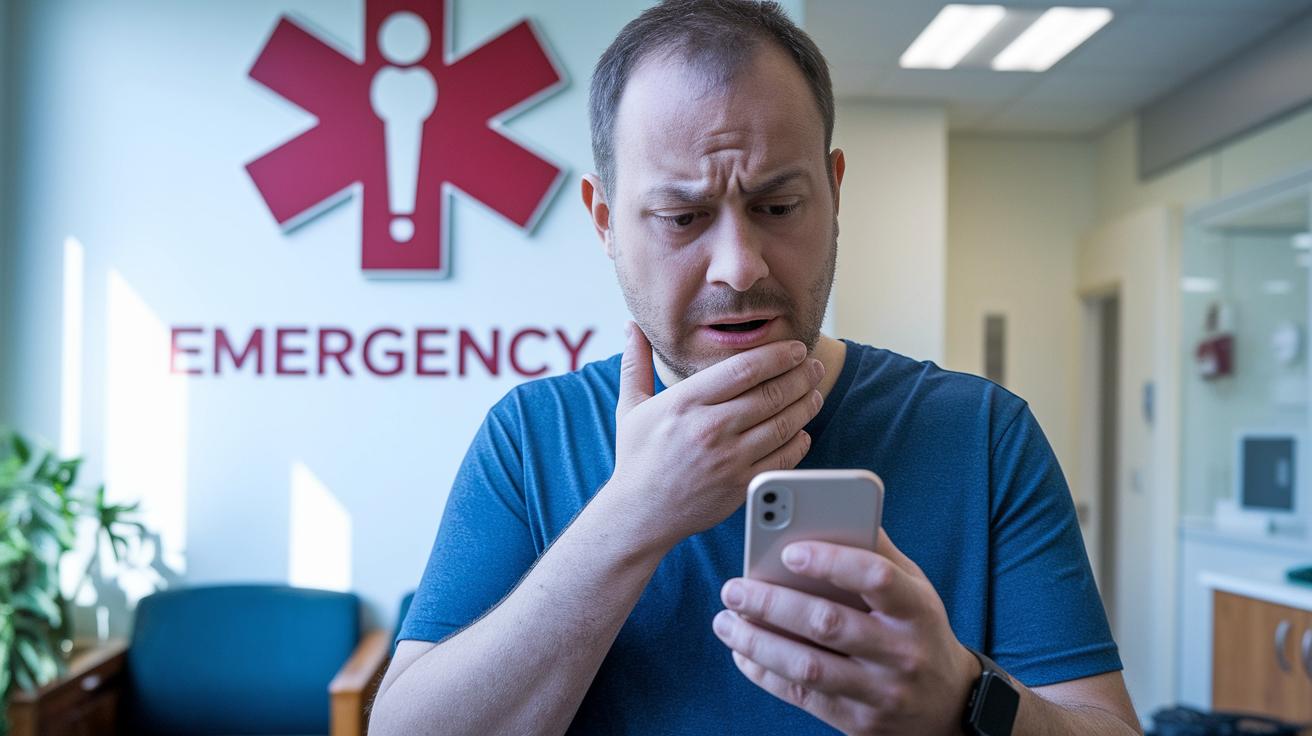
Quick take: Certain throat symptoms mean you need to get help fast.
If you see any of these signs, call emergency services or contact your doctor today:
- A fever higher than 102°F
- Trouble breathing or swallowing
- Severe pain that stops you from eating, talking, or doing daily tasks
- A sore throat that lasts more than 7 days
- Drooling that could signal a serious throat blockage
- Body aches or a rash that hint at a body-wide infection
If you have a weak immune system or another health condition, don’t wait. These signs may point to a serious problem, so reach out to a healthcare provider right away.
Final Words
In the action, this guide quickly walks you through key aspects of sore throat care, from understanding basic symptoms and knowing when to test for strep to checking off home remedies that offer relief. It outlines how to spot red flags and when to call for help. Use this sore throat symptom snapshot to track your signs and act with confidence. By following these tips, you can manage minor discomfort and know when professional care is needed. Stay safe and remember, you’re taking a strong step toward better health.
FAQ
Q: What kills a sore throat fast or overnight?
A: Fast relief for a sore throat comes from remedies like warm salt-water gargles, honey tea, throat sprays, and lozenges. These methods help calm inflammation and ease pain quickly.
Q: Does a sore throat lasting three months indicate cancer?
A: A sore throat that persists for three months isn’t usually linked to cancer. Still, a long-lasting sore throat should be evaluated by a healthcare provider to rule out any serious causes.
Q: What are the common symptoms of pharyngitis and strep throat?
A: Both pharyngitis and strep throat can cause throat pain, redness, swollen neck glands, and fever. Strep throat often shows a sudden onset with higher fever and the absence of cough.
Q: Which sore throat medicine can help relieve symptoms?
A: Over-the-counter treatments like throat sprays, pain reliever lozenges, and oral pain relievers help reduce soreness and inflammation, while home remedies offer soothing comfort.
Q: What defines a viral sore throat and what virus is causing it?
A: A viral sore throat is most often caused by common cold or flu viruses, producing mild pain and irritation that usually improves within 5–7 days. Specific virus identification typically needs testing.
Q: What are the sore throat symptoms of the new COVID variant?
A: The new COVID variant may cause throat irritation, scratchiness, and a mild fever, often with other cold-like symptoms. Confirming its cause usually requires a COVID test.
Q: What conditions can be mistaken for a sore throat?
A: Conditions such as acid reflux, allergies, or other mild respiratory infections can mimic a sore throat. A healthcare provider can help distinguish these from true throat infections.
Q: What is Stage 1 sore throat?
A: Stage 1 sore throat describes the mild, early phase where you might experience slight discomfort and irritation when swallowing. It typically signals a minor issue that should be monitored.