
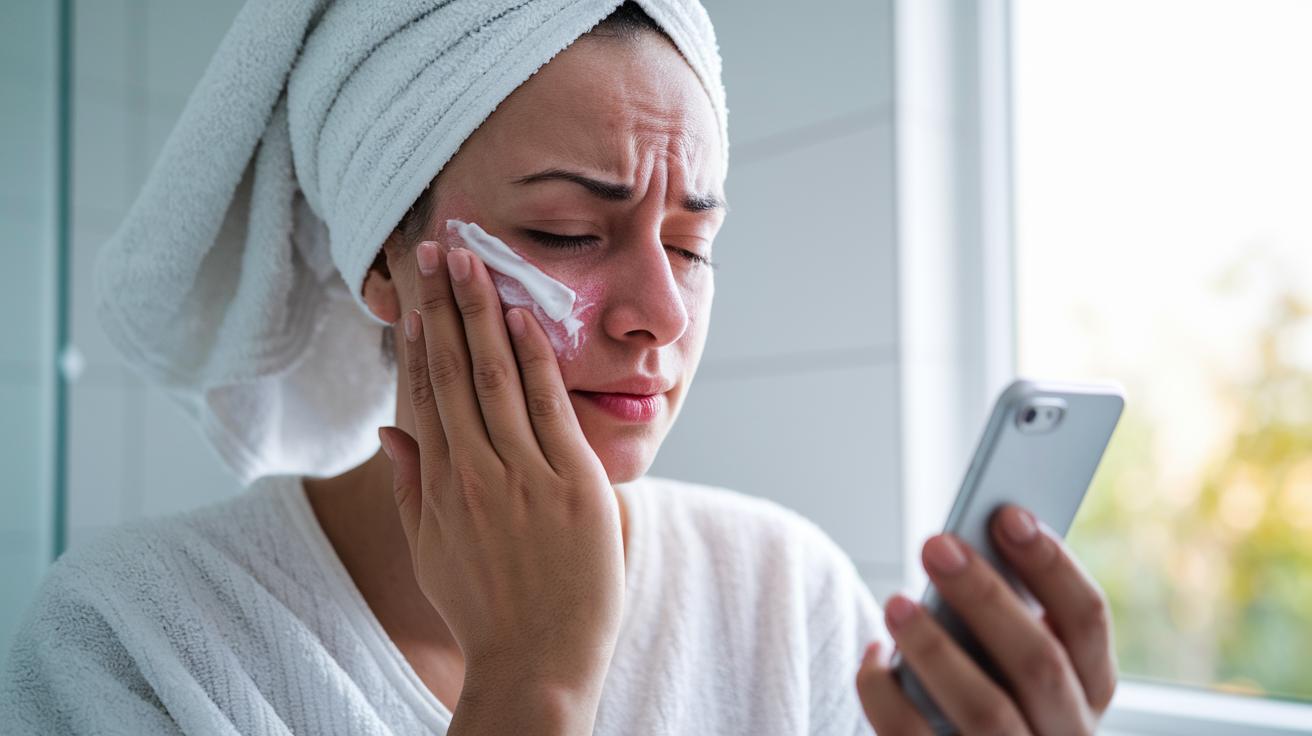

Quick Take: Burning, red skin is often from a sunburn, minor burn, or allergic reaction.
Triage:
• If you have severe pain, blistering, or the irritation worsens quickly, call emergency services now.
• If you notice signs of infection, such as fever, swelling, or pus, seek same-day medical attention.
• For mild symptoms, try simple home care and monitor your skin.
Your skin can feel like it’s on fire when it’s irritated and red. This might happen after too much sun, contact with something you’re allergic to, or a small burn. To help your skin feel better, start by cooling the area with a cool, damp cloth and keep it clean. If the discomfort persists for more than a few days or gets worse, it’s important to talk with a trusted clinician.
Remember to keep an eye on any changes. Write down when you first noticed the irritation, how severe it is (mild, moderate, or severe), and any other symptoms that come up. This information can be very useful for your clinician when deciding on the next steps.
Comprehensive Overview of Skin Irritation and Redness
Quick Take: Red or irritated skin is common and usually managed at home, but watch for signs that need urgent care.
Triage Box:
- Call emergency services if you notice fever, severe pain, blistering, or rapidly worsening symptoms.
- Seek same-day medical help if you see broken skin or persistent swelling.
- Use home care steps only if your symptoms remain mild.
Skin irritation can happen for many reasons like burns, allergies, infections, or long-term skin issues such as dermatitis (skin inflammation), psoriasis, or rosacea. Even a simple sunburn can leave your skin hot and red when increased blood flow tries to repair the damage, just like an unprotected day at the beach.
For mild irritation, cool compresses and light moisturizers can ease discomfort and reduce redness for a short time. However, if you see broken blood vessels, ongoing inflammation, or other troubling signs like blisters or swelling, these issues may signal a more serious problem. Over-the-counter creams or natural remedies might help, but if your symptoms last more than a few days or start to worsen, it’s important to get advice from a clinician.
Begin with careful home care, but keep a close eye on your symptoms. Your skin deserves proper care, and friendly professional guidance can help you stay safe and comfortable.
Common Causes of Skin Redness and Irritation
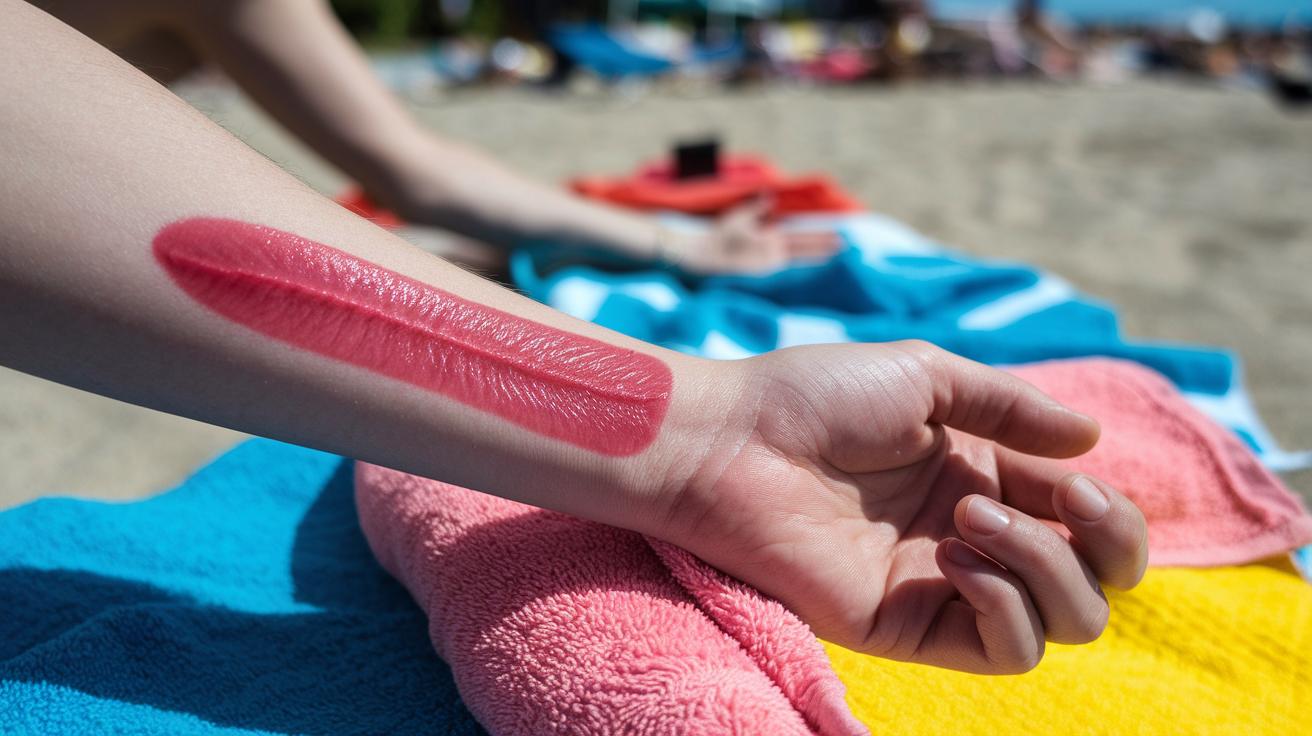
Quick take: Your skin may turn red when it reacts to things like too much sun, heat, chemicals, or long-term skin conditions.
If you have any of these emergency signs, call emergency services now:
- Severe pain or burning
- Spreading redness or blisters
- Fever or rapid swelling
- Signs of infection that worsen quickly
Most skin redness is not an emergency. Here’s what can cause it:
Your skin can become red when it reacts to a mix of outside and inside triggers. Spending too long in the sun without sunscreen heats up your skin and causes sunburn. That day at the beach without protection may leave your skin red and sore.
In warm, humid weather, you might get a heat rash. This looks like small, raised red bumps that sting a bit and cause discomfort.
Sometimes, contact with chemicals or allergens leads to allergic dermatitis. When your skin meets irritants, it may form red, itchy patches. At times, bacteria or fungi can sneak into hair follicle openings and cause folliculitis, small bumps that make the area tender and red.
Long-term conditions also affect your skin. Rosacea often causes persistent redness on the face with visible blood vessels, especially near the nose and cheeks. Psoriasis makes your skin produce extra cells, forming dry, red patches with a silvery top. Certain infections like shingles or cellulitis can also cause a red, warm, and swollen patch in one area.
Here are the 7 most common causes:
- Sunburn
- Heat rash
- Allergic dermatitis
- Folliculitis
- Rosacea
- Psoriasis
- Infections (shingles, cellulitis)
Noticing what triggers your skin changes can help you decide whether home care is enough or if you should see a clinician. Keep a simple log of dates, how the skin looks, and any pain or other symptoms. This record can help your doctor figure out the best treatment plan.
Recognizing Symptoms and When to Seek Medical Attention for Inflamed Skin
You may notice a little skin irritation that gets better with cool compresses and gentle moisturizers. If the irritation becomes more painful, swollen, or starts to blister, it could be a sign of a more serious problem.
Different types of skin inflammation can look a bit different. For example, simple irritation might only cause short-lived redness. In contrast, cellulitis (a bacterial infection) tends to bring on steady pain and a warm feeling in the area. To help your doctor understand what’s happening, write down when you first saw the symptoms, how they have changed, and any new signs like fever or pus buildup. For example, you might record: "Noticed some redness on 5/10, now experiencing sharp pain and slight swelling on 5/13."
If you start to see signs of an infection, like increased warmth, pus, or a fever, or if the pain quickly gets worse, get help right away.
| Observation | Action |
|---|---|
| Persistent or worsening redness with increased pain | Note the changes and call your doctor |
| Signs of infection such as warmth, pus, or fever | Seek medical help immediately |
Effective Home Remedies and Natural Solutions for Red Skin
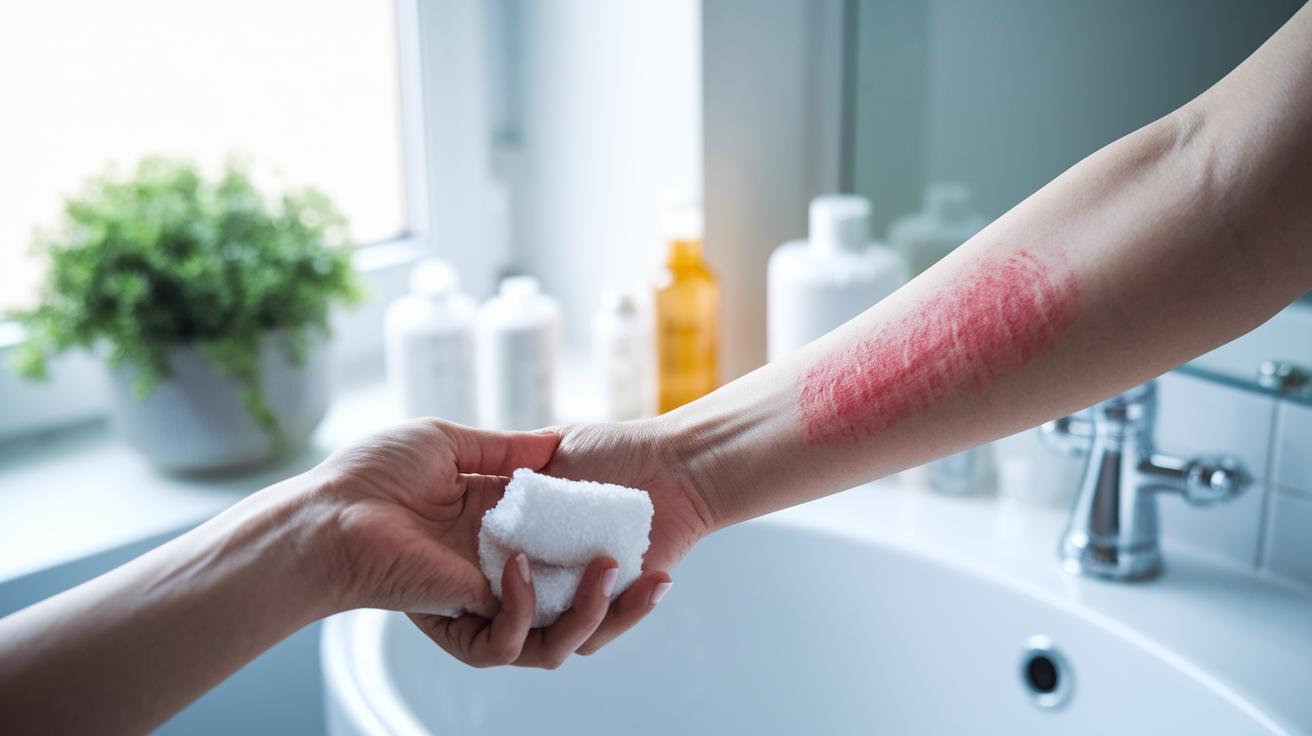
Quick take: If your skin is red and feels irritated, acting quickly with natural remedies can lower inflammation and calm discomfort.
Triage:
• If your skin shows severe swelling, intense pain, or signs of an allergic reaction, call emergency services now.
• If the irritation gets worse over several days or you have concerns, seek medical advice soon.
• Otherwise, follow the steps below to help soothe your skin safely.
When you first notice redness or irritation, try cooling your skin immediately. Keeping your environment cool, staying well-hydrated, and protecting your skin from the sun are essential first steps.
Common causes of red skin include heat, minor burns, or irritation from environmental factors. Natural remedies help by reducing heat and soothing inflammation.
What to do now:
• Rub a thin layer of aloe vera gel on the red areas to soothe the heat and ease burning.
• Take an oatmeal bath or apply an oatmeal mask to calm itching and lock in moisture.
• Use a cool compress, which helps shrink swollen blood vessels and lower redness fast.
• Dab diluted tea tree oil (mixed with a carrier oil) on small spots if you notice mild irritation or signs of infection.
• Apply chamomile extract or products with chamomile for gentle relief from persistent irritation.
How to track your progress:
• Note the time and date when you apply these remedies.
• Write down any changes you feel in comfort or redness.
• Keep track of which remedy works best for different symptoms.
Remember, these home remedies are meant for mild irritation. Keep your skin hydrated and use sun protection daily to help your skin recover fully. If your red skin or irritation does not improve or worsens, check with a healthcare provider.
Over-the-Counter and Prescription Treatments to Soothe Irritated Dermis
Quick take: If your skin feels mildly irritated, start with over-the-counter treatments. If your irritation worsens or doesn’t improve in a few days, seek help from your healthcare provider.
Triage Box
• If you have severe pain, widespread redness, or signs of infection (pus, swelling), call emergency services now.
• If your symptoms are worsening or lasting more than 3 days, contact your clinician.
• For mild cases, follow the self-care steps below.
Non-Prescription Treatments
For mild to moderate irritation, you can try products available without a prescription. A 1% hydrocortisone cream helps lower swelling and reduces red, irritated patches. Calamine lotion helps ease itching and gives temporary relief when your skin feels raw. Cooling gels with menthol or aloe work fast to soothe burning and reduce heat. Use these treatments as directed to calm the skin after minor injuries or exposure to irritants. Take note: if your skin does not improve with these remedies or the irritation gets worse, it’s important to seek further advice from a healthcare professional.
Prescription Options
If over-the-counter treatments do not bring enough relief, a doctor might suggest prescription options. Your clinician may prescribe a stronger topical corticosteroid to cut down inflammation in conditions like eczema or severe rosacea. For bacterial infections, a topical antibiotic such as mupirocin might be used to target the infection directly. In some cases, a dermatologist may recommend nonsteroidal creams or barrier repair formulations that contain ceramides to help restore your skin’s natural defense. These treatments are best used under professional guidance, especially when the irritation is chronic or does not respond to basic care.
skin irritation and redness: Feel Fresh Today

Quick take: A daily routine with gentle, fragrance-free products can calm irritation and lower redness.
If you experience any of these, seek care right away:
- Severe pain or swelling
- Blisters or worsening redness
- Signs of infection like pus or fever
A steady daily skincare routine helps keep your skin calm and strong. Start by using a mild cleanser that washes away dirt and allergens without stripping your natural oils. This simple step protects your skin’s barrier and keeps moisture locked in.
Here’s how to build your anti-redness routine:
- Cleanse your face with a gentle, fragrance-free cleanser.
- Pat your skin dry with a soft towel. Avoid rubbing to prevent further irritation.
- Apply a soothing serum with niacinamide (a gentle ingredient that calms sensitivity and evens tone).
- Use a moisturizer with ceramides and hyaluronic acid to lock in moisture and repair your skin’s barrier.
- Finish with a broad-spectrum sunscreen (SPF 30+). It shields your skin from UV rays that can trigger redness.
Using these steps every day builds a stronger skin barrier that is less reactive to everyday irritants. When you try a new product, do a patch test on a small area first. Avoid any ingredients that you know have caused flare-ups before.
Stick with this morning routine. In the evening, you can repeat just the cleansing and moisturizing steps if needed. Consistency is key. By following these simple practices, you give your skin the care it needs to feel calm and refreshed today and every day.
Lifestyle and Environmental Strategies to Support Sensitive Complexions
Quick take: A calm setting and balanced routine can ease irritated skin.
Triage Box:
If you have any of these warning signs, call emergency services now:
• Severe burning or stinging pain
• Blistering or intense swelling
• Extreme difficulty breathing
If your symptoms worsen, seek same-day medical care. Otherwise, follow these self-care steps.
Creating a peaceful space around you can help ease skin redness and irritation. It matters not only what you put on your skin but also the environment around you. Keep indoor humidity between 40% and 60% to stop dryness from making things worse. In dry months, using a humidifier adds steady moisture to calm your skin.
Eating a diet rich in antioxidants (vitamins C and E) and omega-3 fatty acids strengthens support from within. Include plenty of fruits, vegetables, nuts, and fish in your meals. Regular meals that offer balanced nutrition help reduce inflammation that may show as red, sensitive skin.
Lowering stress is another key step. Try deep breathing, gentle yoga, or even a short walk. These simple activities can help lower cortisol (a stress hormone) and may prevent skin flare-ups.
Also, avoid harsh chemicals and extreme temperatures. Choose mild cleaning products and wear clothing that does not irritate your skin. Finally, limit long periods of sun exposure by seeking shade or wearing protective gear to keep your skin calm and less reactive.
Final Words
In the action, we covered what causes skin irritation and redness, from everyday triggers like sunburn and heat rash to chronic issues like rosacea and psoriasis. We discussed practical home remedies, over-the-counter options, prescription treatments, and tips to prevent future flare-ups. We explored the signs that call for medical care and shared simple strategies for managing sensitive skin. Stay aware and proactive in caring for your skin irritation and redness. Small steps can lead to a healthier, more comfortable you.
FAQ
Q: What do pictures of skin rashes show?
A: Pictures of skin rashes show red spots, bumps, and irritated patches that help you recognize common rash patterns seen in adults, including areas with intense redness or itching.
Q: Why is my skin turning red for no reason or suddenly red and irritated?
A: Skin turning red for no reason may signal an allergic reaction, environmental trigger, or a flare-up of a chronic skin condition. Noticing persistent redness or irritation means you should monitor your symptoms and consider a professional opinion.
Q: What are skin allergy types and how do pictures help in understanding them?
A: Pictures of skin allergy types display how allergic reactions appear, such as hives or eczema, making it easier for you to compare with your own symptoms and decide if further medical evaluation is needed.
Q: What medicines are used for skin rashes and itching?
A: Medicine for skin rashes and itching often includes over-the-counter options like 1% hydrocortisone cream or calamine lotion, which help reduce inflammation and soothe itching. Persistent symptoms may require a prescription.
Q: When should I worry about a rash in adults?
A: Worry about a rash in adults when it lasts several days, shows signs of infection like pus or warmth, or comes with fever and pain. These symptoms call for a prompt visit to a healthcare professional.
Q: What is the term for redness of the skin?
A: Redness of the skin is known as erythema, which refers to the inflamed, red appearance that often signals irritation or infection.
Q: How do you treat irritation and redness of the skin?
A: To treat irritation and redness, start with soothing home measures like cool compresses and moisturizing. If symptoms persist or worsen, use medicated creams or seek professional guidance for safe treatment.
Q: How should contact dermatitis on kids be treated?
A: Treating contact dermatitis in kids starts with removing the irritant, followed by gentle soothing measures like cool compresses and fragrance-free moisturizers. If the rash is severe, consult a pediatric clinician for safe, appropriate treatment.