
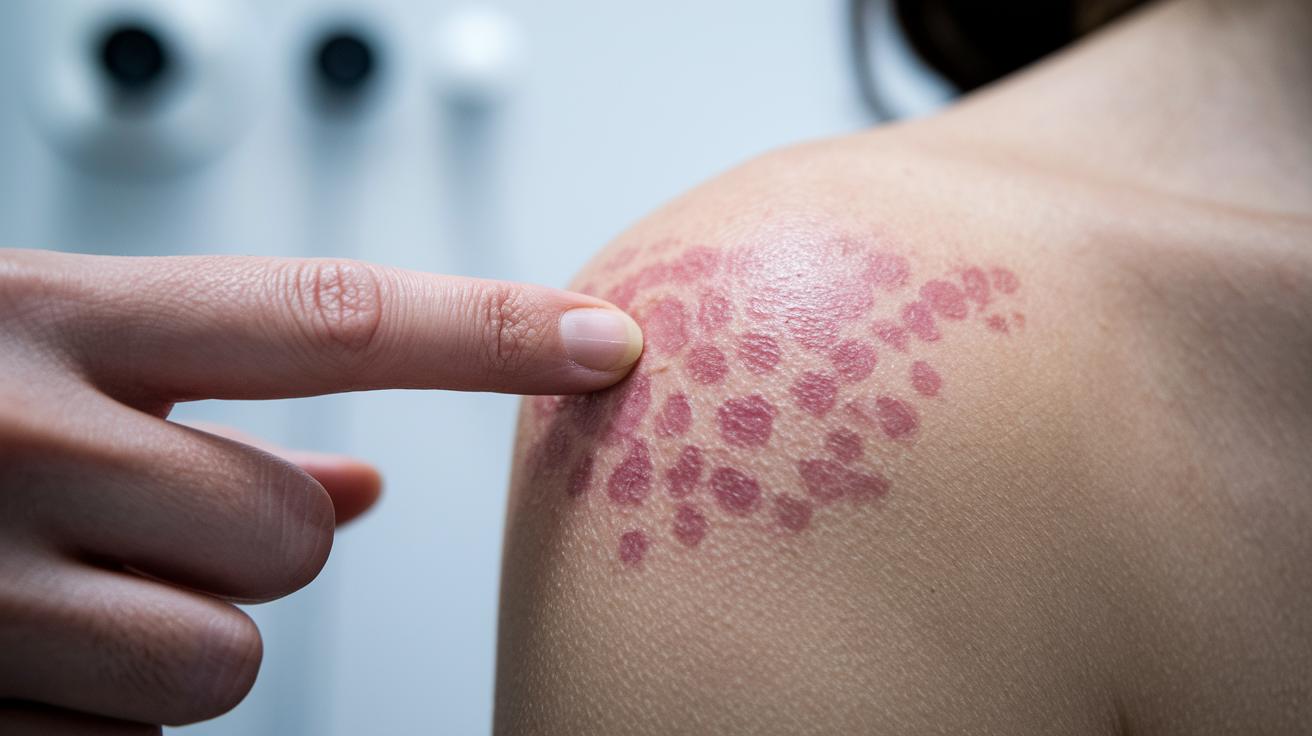

Quick take: Unusual moles that change may signal early skin cancer. If you notice changes in size, shape, or color, act now.
Have you ever seen a mole that seems off? A mole that grows, changes shape, or shifts color might be more than just a harmless spot. In this guide, you’ll learn the ABCDE method, a simple check (Asymmetry, Border, Color, Diameter, Evolving), to help spot signs of skin cancer early. Early detection can save lives, so it’s important to know what to watch for and when to seek help.
Keep these practical tips in mind and monitor your skin regularly. If your mole shows any of these changes, call your healthcare provider for advice.
Recognizing Early Warning Signs of Skin Cancer Lesions
Quick take: A changing mole may be a warning sign that needs quick checking by a clinician.
Triage Box:
If you see any of these red flags, call emergency services now:
- A mole that bleeds or becomes painful
- A spot that grows quickly in size or changes sharply
- New spots that come with itching or discomfort
Urgent: If these signs develop, seek same-day medical attention.
Watch and self-manage: Monitor your skin daily and check for any differences from your usual moles.
Early detection saves lives. A mole that changes in size, shape, or color can be a sign of skin cancer. For example, melanoma (a dangerous skin cancer) has a five-year survival rate of about 97% when found at stage 0. If treatment is delayed and it progresses to stage IV, the survival rate can drop to around 30%.
The ABCDE guide is an easy way to study your moles at home. This checklist helps you notice even slight changes, so you can act quickly. Here’s how to check:
- Asymmetry: One side of the mole does not match the other.
- Border: The edges look uneven, ragged, or blurry.
- Color: The mole shows several shades rather than a single color.
- Diameter: The spot is larger than 6 millimeters (roughly the size of a pencil eraser).
- Evolving: The mole is changing in size, shape, or color over time.
Spotting a mole that looks different from all your other spots (often called an “ugly duckling”) is a key signal. Keeping a simple record of these changes and consulting your healthcare provider early may lead to better treatment outcomes and improve survival chances.
Differentiating Benign Moles from Suspicious Skin Cancer Lesions
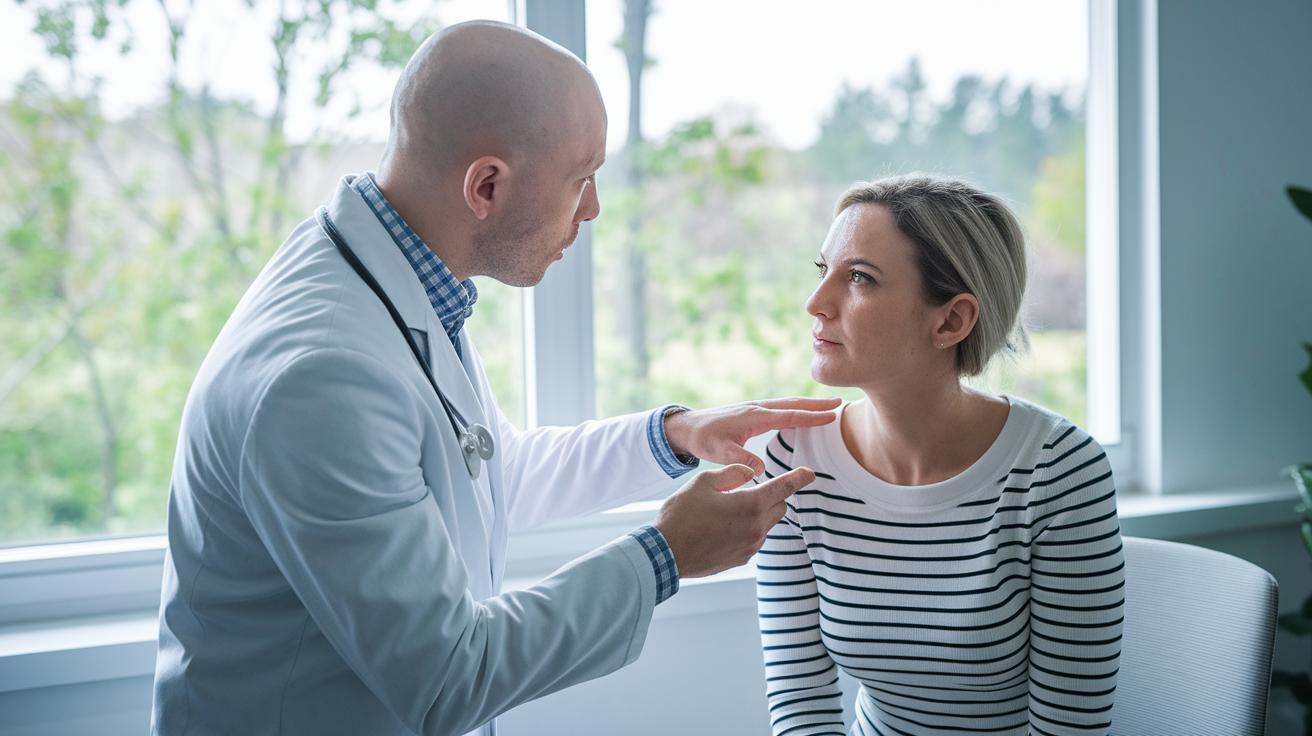
Quick take: Benign moles usually stay the same, while changes in size, shape, or color may be a warning sign.
If you see any of these signs, call your doctor now:
• A mole that grows fast
• Jagged, uneven edges
• Multiple or changing colors
Benign moles tend to look smooth, even, and stay stable over time. Suspicious lesions can change quickly. For instance, one patient noticed a flat, uniform mole that in a few months turned into a raised bump with a pearly look and different colors. Such rapid changes can be a red flag.
| Feature | Benign Mole | Suspicious Lesion |
|---|---|---|
| Symmetry | Even and balanced | Uneven or lopsided |
| Border | Smooth and regular | Jagged or blurry |
| Color | Same color all over | Multiple or uneven hues |
| Diameter | Usually less than 6 mm | Often larger than 6 mm |
| Evolution | Remains stable with minor changes | Changes in size, shape, or texture |
If any feature in this table seems off, schedule a review with your healthcare provider. It can help to take photos and note the dates of any changes. While small differences may happen from sun exposure, sudden shifts in look are a reason to get a professional check.
Self-Examination and Tracking Techniques for Skin Cancer Lesions
Quick take: Check your skin once a month in a well-lit room to catch any new or changing spots early.
If you see any spot that grows fast, changes shape, or looks unusual, call your doctor right away.
Start your exam with a full-length mirror. Look at every part of your skin, from your face, arms, legs, to those hard-to-see areas like your back, scalp, behind your ears, and between your toes. Take your time and note any spot that seems different from before.
Take clear photos of any lesion that worries you. Use the same light and background each time. Write down the date, size, and any changes you notice. This simple record helps you compare your skin over time and gives useful details to share with your doctor.
Each month, set aside a day to review your photos and notes. Compare your current findings with past ones. Even small changes matter. Keeping a steady record can alert you if a spot needs prompt medical attention.
Non-Healing Sores and Textural Changes in Skin Cancer Lesions
Quick take: Non-healing sores and changing skin texture might be early signs of skin cancer.
Triage:
• If you have a sore that hasn’t healed in 3 weeks and it bleeds, oozes, or forms a crust, contact your doctor.
• If you notice rough, scaly, or thick patches of skin that look red or uneven, get a professional review soon.
• Don’t wait, early treatment can be crucial.
A sore that fails to heal in 3 weeks and shows signs like bleeding, oozing, or crusting is a major alert. It might start as a small irritation but then stops healing, which can point to basal or squamous cell carcinoma (types of skin cancer). Waiting too long can let a potential cancer grow.
Changes in skin texture are also serious. Rough, scaly, or thickened areas, especially ones that form red and uneven spots, are warning signals. These patches may feel different from the rest of your skin. Noticing these changes early helps ensure you get the care needed to manage any issues right away.
Risk Factors and UV Exposure Effects on Skin Cancer Lesions
Quick take: UV rays can harm your skin and lead to changes that may become cancer.
Triage:
- Red Flags: New or changing moles and lesions, bleeding, or pain.
- Urgent: If you see rapid changes in size, color, or texture.
- Monitor: Keep an eye on your skin and see your doctor if you notice any changes.
UV light can hurt your skin’s DNA. This damage can cause mutations (changes) that might lead to skin cancer. If you have fair skin, a history of sunburn, or a family history of skin cancer, you are at higher risk.
Tanning beds also expose you to strong UV light that adds to the damage. All these factors make it more likely your skin may develop abnormal spots or growths. Protecting your skin from the sun is an important step to lower your risk.
Other risks can make skin changes more likely. If your immune system is weak or you have genetic markers that increase cancer risk, you need to be extra cautious. Early signs of sun damage, such as premature aging, rough patches, or uneven skin color, show how UV exposure builds up over time. Monitoring these changes can help you spot early warning signs and get medical advice when needed.
When to Seek Professional Evaluation for Skin Cancer Lesions
Quick take: If you see a new or changing spot on your skin, get it checked right away.
Triage Checklist:
- Call your doctor if a spot grows rapidly.
- Seek urgent care if a spot bleeds, hurts, or shows sudden changes.
- Schedule a full-body exam if you are at risk.
If you notice a new spot or that a familiar mole is changing, it could be a sign of skin cancer. Experts recommend a yearly skin exam if you are at risk. That means you should speak with your doctor if a spot changes in size, shape, or color, or if it becomes painful or starts to bleed.
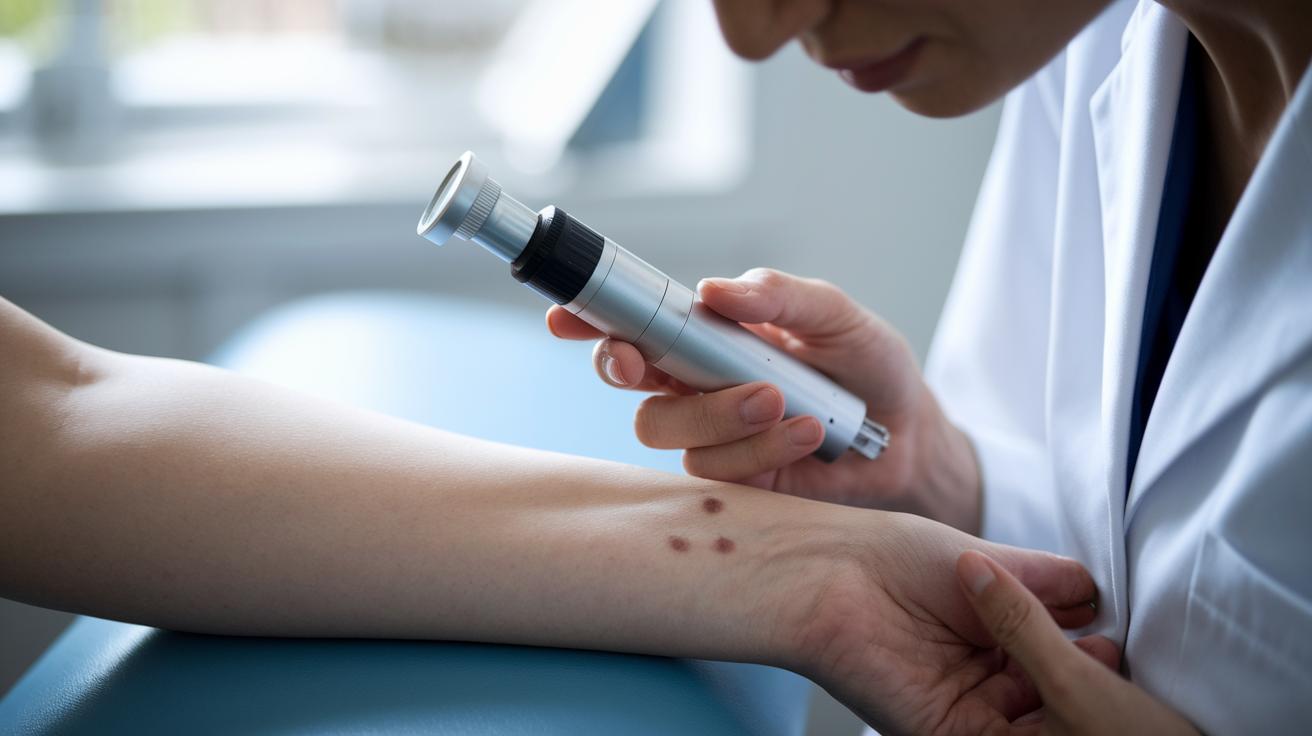
Doctors often begin with a dermatoscopic examination. A dermatoscope is a small, handheld tool (magnifier with light) that lets them see details like pigment patterns and structures you cannot see with your eyes. This close look helps your doctor check for unusual features and decide if more tests are needed.
If the exam shows features that raise concern, a biopsy may be needed. During a biopsy, the doctor removes a small piece of skin for lab testing. Often, they will perform an excisional biopsy, which removes the entire lesion. Sometimes, they might use a shave or punch biopsy if that is more suitable. These methods follow strict rules to ensure the sample is collected properly.
After the biopsy, tissue tests (histopathologic analysis) confirm the diagnosis and measure the cancer’s depth (Breslow thickness, which indicates how far the cancer has grown). This information helps your doctor choose the right treatment. For more details on how doctors move from symptoms to a diagnosis, see "How Doctors Go From Symptoms to Diagnosis (History, Exam, Tests)".
Preventive Measures and Skin Cancer Lesion Screening Practices
Quick take: Protect your skin daily and check it regularly to lower your risk of skin cancer.
If you notice any new, changing, or suspicious marks on your skin, call your doctor right away.
Sun Safety Steps:
• Apply a broad-spectrum sunscreen (protects against UVA and UVB rays) with SPF 30 or higher every day, even when it’s cloudy, and reapply if you’re out in the sun for a long time.
• Wear protective clothing like wide-brimmed hats and sunglasses.
• Stay in the shade during peak sun hours, usually around midday.
• Avoid tanning beds, as they can harm your skin and increase your cancer risk.
Skin Check Guidelines:
• Get a full-body skin exam at least once a year. If you have fair skin or a history of sunburn, consider more frequent checks.
• Be alert to any spots that change in size, color, or shape.
• Some clinics offer digital imaging (photo recordings of your skin) and dermatoscopic exams (using a special tool for close-up views) to spot subtle changes.
• Keep a simple record of any new or changing spots, noting the date, appearance, and any symptoms, this helps your doctor decide if further tests are needed.
Protecting your skin now can help prevent problems later. Stay safe, and don’t hesitate to reach out to a healthcare provider if you notice any warning signs.
Final Words
In the action, we broke down how to spot important early signs. We explored the ABCDE guidelines, highlighted differences between benign and suspicious marks, and reviewed self-exam tips. We also looked at non-healing sores, risk factors, and the impact of UV exposure.
Each section shows how early detection of skin cancer lesions (warning signs) could lead to safer outcomes. Stay proactive, monitor changes, and keep a positive mindset knowing that prompt action can truly make a difference.
FAQ
What do early stage skin cancer pictures show?
The early stage skin cancer pictures show small, irregular moles with uneven color and borders. They often reveal subtle changes that prompt self-checks and timely professional reviews.
What skin cancer symptoms may appear in females?
The skin cancer symptoms in females include changes in moles such as asymmetry, irregular borders, uneven color, and increasing size. These signs warrant prompt evaluation by a clinician.
What are the 7 warning signs of skin cancer?
The 7 warning signs include asymmetry, irregular borders, varied colors, larger diameter, rapid evolution in shape or size, unexpected bleeding or itching, and a mole that looks different from others.
Is skin cancer deadly?
The risk of skin cancer becoming deadly increases with delayed detection and treatment. Melanoma, in particular, has lower survival rates in later stages, so early checks are crucial.
Is skin cancer curable?
Skin cancer is usually curable when found early. Treatments like surgical removal are highly effective in early stages, though more advanced cases might require additional therapies.
What treatment options are available for skin cancer?
Skin cancer treatment often involves surgical removal of lesions. Other options may include radiation or topical medications, with the best choice depending on the type and stage of the cancer.