
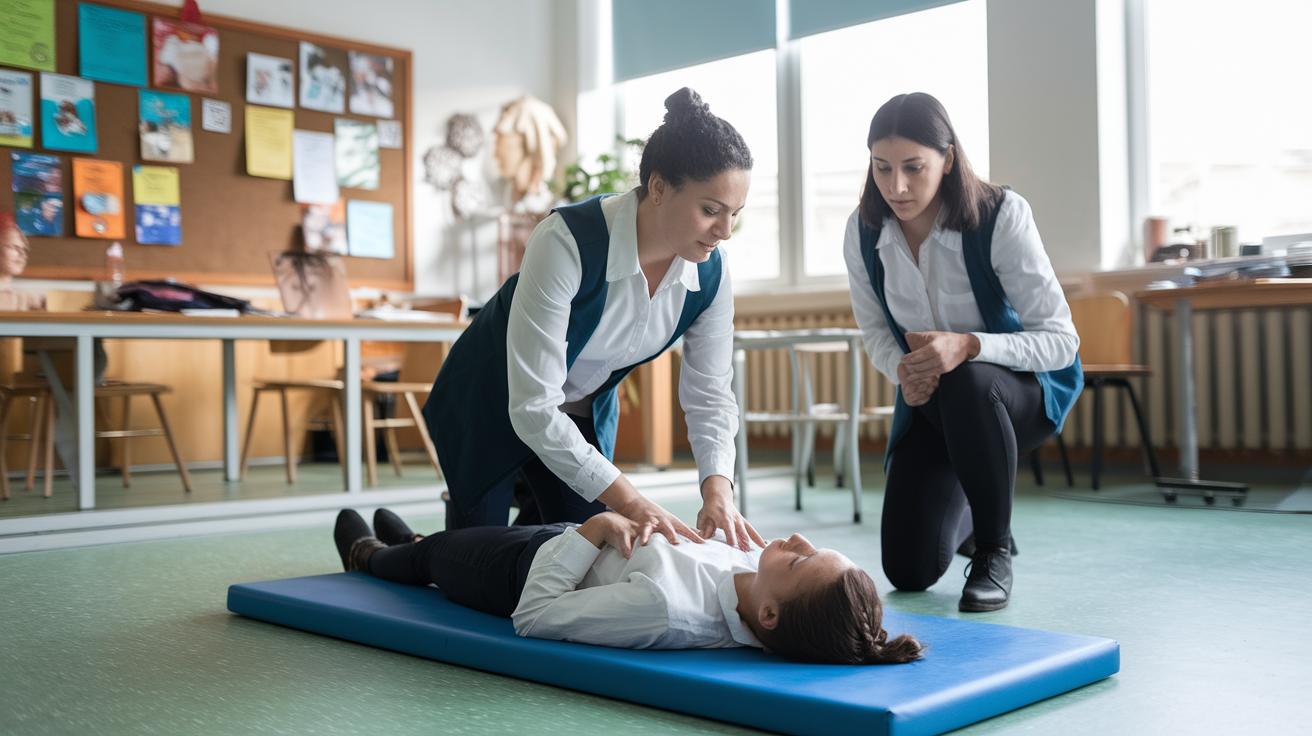

Quick take: The recovery position can help keep an unresponsive person breathing while you wait for help.
If you see someone unresponsive:
• Call emergency services right away.
• Check that they are breathing.
• Gently reposition them into the recovery position.
Using the recovery position is a simple first-aid method that helps prevent the airway from being blocked. This easy step-by-step technique can reduce complications in an emergency situation. In this guide, you will learn how to move someone safely and why every second counts. Knowing this method is important, you could be the one who makes the difference when it matters most.
How to Use the Recovery Position in First Aid: Step-by-Step Instructions
Quick Take: The recovery position helps keep the airway clear for someone who is unresponsive but still breathing.
Triage Box:
• IF the person isn’t breathing, call emergency services now (in the US, dial 911).
• IF you need to perform CPR, do not use the recovery position.
- Get close and kneel beside the person. Remove items like glasses or face coverings from their pockets so nothing blocks their breathing.
- Straighten the arm nearest to you so it forms a 90-degree angle with their body. This helps set up for the next step.
- Reach across their chest with their far arm and hold the back of their hand against their cheek. This supports the head and keeps their airway open.
- Bend the far knee until it makes a 90-degree angle. This makes it easier to gently turn them onto their side.
- Carefully roll the person onto their side by pulling on the bent knee with a smooth, controlled motion. This reduces the chance of further injury.
- Tilt their head back slightly and adjust the top leg to stabilize their position. This helps make sure breathing stays clear.
Finally, loosen any tight clothing around the neck or chest to ensure nothing obstructs breathing. Using the recovery position correctly can save time until professional care arrives.
Last updated October 24, 2024.
When to Apply the Recovery Position First Aid: Key Emergency Scenarios
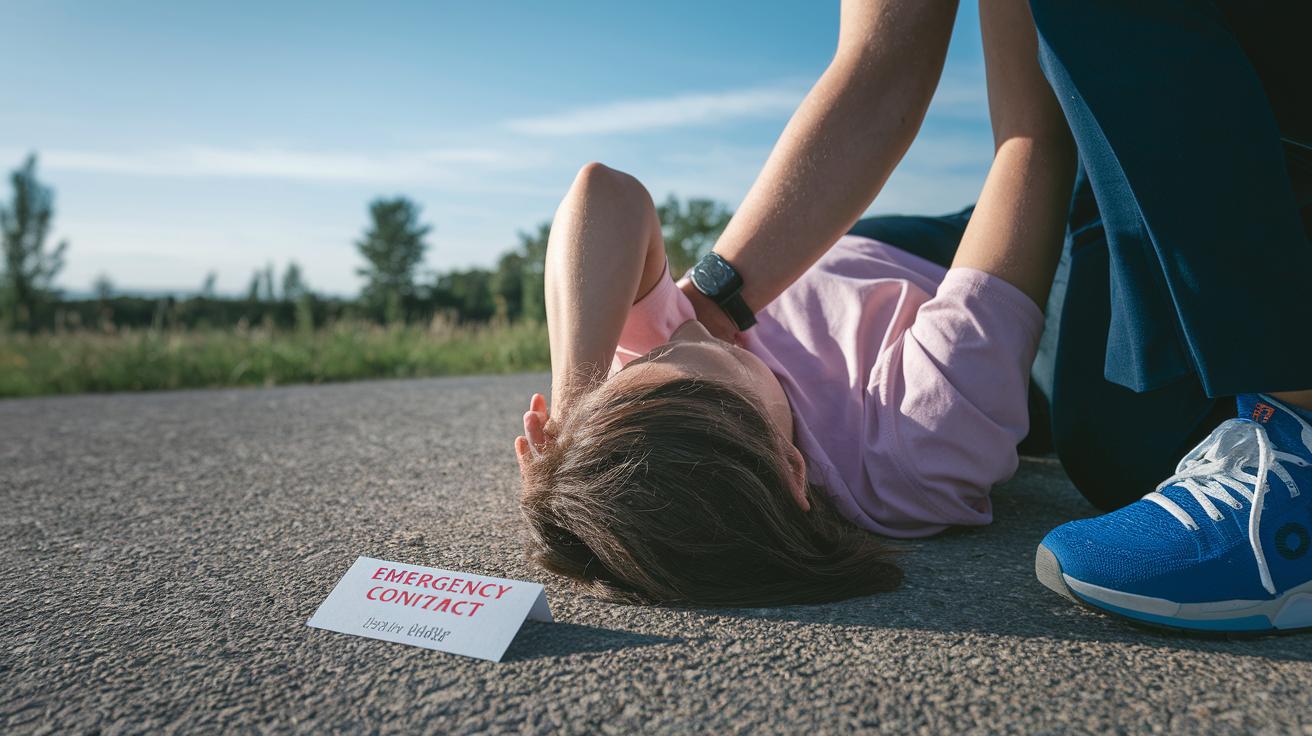
Quick take: Use the recovery position to keep a clear airway if someone is unresponsive yet breathing, and call emergency services if you see any danger signs.
If you notice any of these emergency signs, call emergency services now:
- The person is not breathing.
- The person is choking or gasping.
- There are signs of severe poisoning or overdose.
The recovery position helps keep a person’s airway open when they are unresponsive but still breathing. It stops the tongue or fluids from blocking the airway until help arrives.
For example, someone with heatstroke might become very confused from overheating yet still breathe. Placing them in the recovery position helps keep their airway clear and lowers the risk of choking on fluids or vomit. The same goes for cases of alcohol or opioid poisoning. In these situations, your body’s defenses slow down, raising the risk of airway blockage.
After a seizure, a person may not wake up right away though they breathe normally. Using the recovery position can prevent choking on saliva. Remember, the main goal is to keep the airway open until medical professionals take over.
Before moving anyone, always check that they are breathing normally. If they aren’t, you need to start CPR without delay.
Recovery Position First Aid Contraindications and Precautions
Quick take: The recovery position can help keep an airway open, but only use it when it is safe.
If you see any of these red flags, call emergency services now:
- Suspected spinal injury (severe back or neck pain or trauma)
- No breathing or full cardiac arrest (heart stopped)
- Unstable or erratic breathing
This position is helpful because it keeps the airway clear when someone is unresponsive yet still breathing. However, it is not safe for every emergency. Always follow approved guidelines and only move someone if you are certain it will not cause additional harm.
If you think there may be a spinal injury, do not move the person. Shifting them in any way can worsen the injury. When the person is in full cardiac arrest and not breathing, do not use the recovery position. Instead, start chest compressions immediately. If you notice their breathing stops or becomes very erratic during your check, call for help and begin chest compressions without delay.
Always keep watching the airway after placing the person in this position. They might vomit or show other signs that can block their airway. Even a few minutes without oxygen can harm the brain, so quick evaluation and care are essential.
Stay alert and act decisively. Do not risk moving someone if there is any chance they have a spinal injury, and do not wait to intervene when someone stops breathing. Keep checking their breathing and overall condition. When you are not sure, call for professional help and follow emergency protocols to ensure they get the full care they need.
Recovery position first aid saves lives
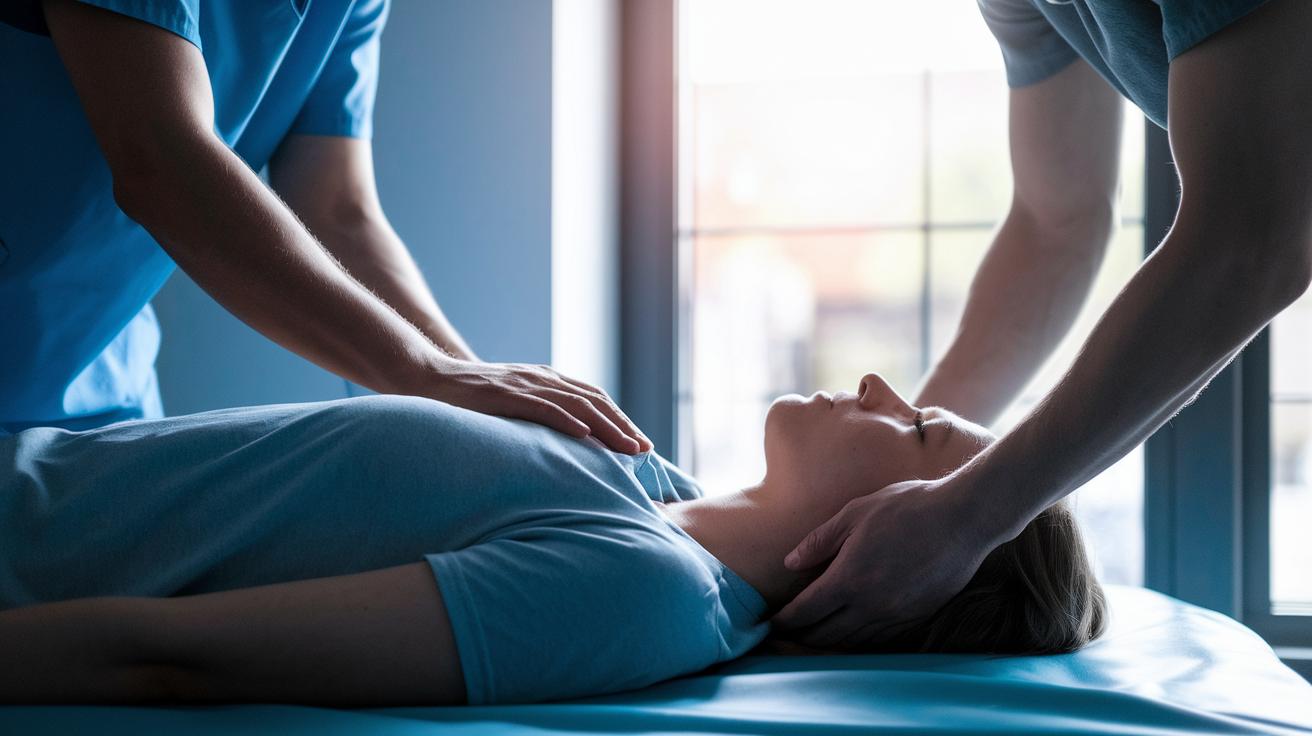
Quick take: Use the recovery position carefully only on someone who is unresponsive but breathing. If you suspect an injury or spinal harm, wait for emergency help.
When someone is in need, using the recovery position can keep their airway open and help blood flow. But be careful to move them only if you know it won’t make an injury worse.
For pregnant individuals in the second or third trimester, gently turn them onto their left side. This position eases pressure on the large vein that returns blood to the heart, improving blood flow for both the person and their baby.
For infants under one year, handle with extra care. Support the baby’s head with a small, rolled cloth and roll them onto their side slowly. This gentle method keeps the airway clear while protecting the delicate neck and head.
If you think there may be a spinal injury, do not move the person unless you have the right equipment and training. Instead, leave them exactly as you found them and wait for emergency responders who can properly secure their spine.
| Population | Key Adjustment |
|---|---|
| Pregnant Individuals | Turn onto the left side to ease vein pressure |
| Infants Under One | Support the head with a rolled cloth and roll gently |
| Suspected Spinal Injury | Avoid movement; wait for trained responders with the right equipment |
Integrating Recovery Position First Aid with CPR and AED Training
After you finish CPR and the person starts breathing on their own, move them into the recovery position. This simple change helps keep the airway clear and stops fluids or the tongue from blocking breathing. It bridges the gap between active resuscitation and keeping the person stable.
Using the recovery position correctly can prevent choking on fluids and lower the risk of further problems. This method follows well-known life support guidelines that many emergency plans use.
Training in these techniques is available in many courses. You can sign up for CPR classes for healthcare providers, pediatric first aid courses, or adult life support programs in several languages. These courses focus on a smooth shift from CPR to the recovery position. Practicing both CPR/AED skills and the recovery position means you are better prepared to help someone in an emergency.
Recovery position first aid saves lives
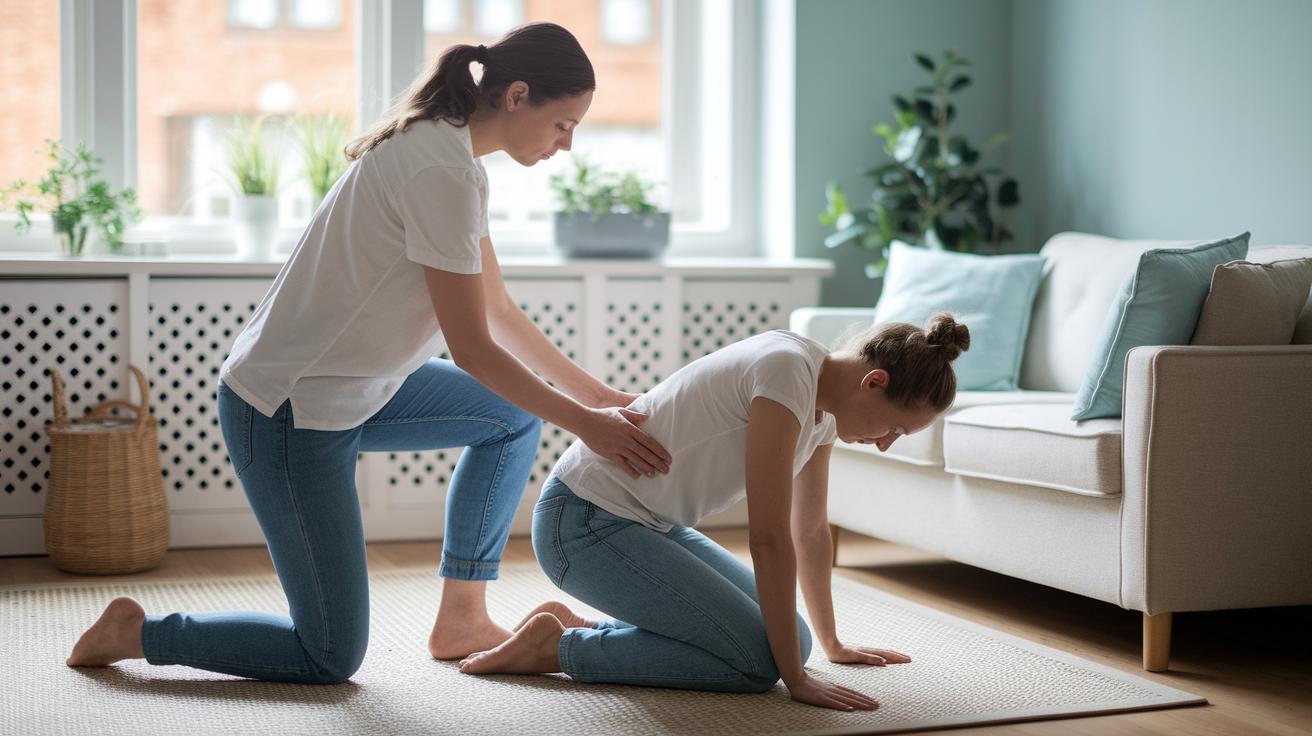
Quick take: Moving someone into the recovery position can help keep their airway open until professional help arrives.
If you notice any of these red flags, call emergency services now:
- The person isn’t breathing or is unresponsive.
- You suspect a head, neck, or spinal injury.
- Their condition worsens suddenly.
Before you move the person, make sure the area is safe. Clear away any hazards like sharp objects, unstable furniture, or clutter. For example, if heavy furniture or scattered items are nearby, shift them to create enough space and prevent further injury.
Keep a close watch on the person as you adjust their position. Check their breathing, alertness, and body temperature. Tilt the head gently back to keep the airway clear and watch for any fluids that could block breathing. Loosen tight clothing around the neck and chest and support their arms and legs so they don’t collapse.
Stay with the person and speak calmly to them. Let them know you’re keeping an eye on their condition and note the time until help arrives. If you see any sudden changes, be ready to adjust their position immediately.
Final Words
In the action, recovery position first aid can be life-saving when a breathing, unresponsive person needs airway protection. We covered clear, step-by-step instructions, precautions for spinal injuries, and special tips for infants and pregnant individuals. We also explained how this method ties into broader CPR and AED training, along with practical safety tips for home care. Stay calm and follow these steps closely. With this guidance, you’re better equipped to act safely and confidently in an emergency.
FAQ
Q: What is the recovery position and why is it used?
The recovery position is a safe, stable side-lying posture that helps keep an unconscious, breathing person’s airway clear of obstruction by the tongue or fluids, reducing the risk of aspiration.
Q: What are the main steps in placing someone in the recovery position?
The recovery position includes six steps: removing bulky items, positioning the nearest arm at a right angle, crossing the far arm, bending the far knee, gently rolling the person, and tilting the head back with top leg adjustment. Some guides add an extra safety check.
Q: Should the recovery position be performed on the left or right side?
The recovery position can be applied on either side as long as the airway remains clear. For pregnant individuals, especially in later trimesters, placing them on the left side helps ease pressure on major blood vessels.
Q: What are safe precautions and when should you not use the recovery position?
The recovery position should not be used for individuals with suspected spinal injury or those in full cardiac arrest. If breathing is absent or irregular, call emergency services immediately and begin CPR.
Q: Where can I find visual guides for the recovery position?
Visual guides such as first aid videos and photos are available online, demonstrating clear step-by-step instructions to help you correctly perform the recovery position in emergencies.