
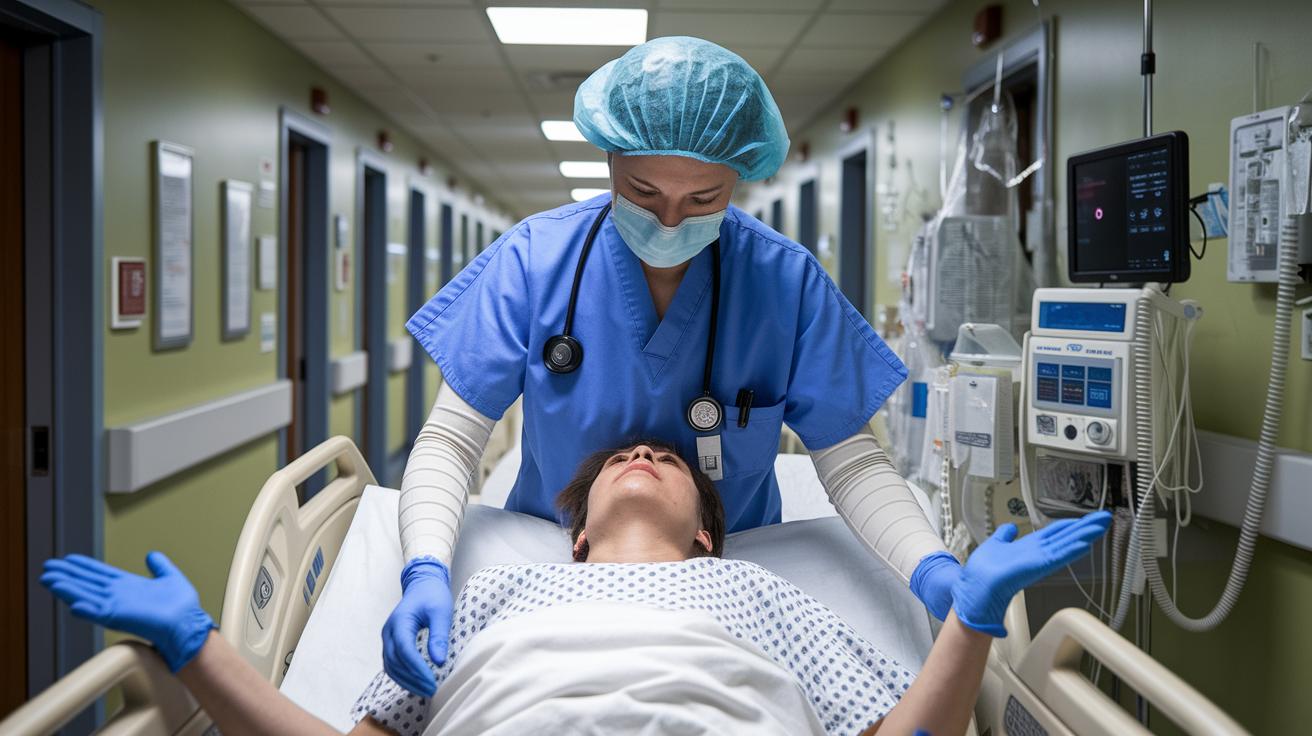

Quick take: Hospitals use rapid triage protocols to sort patients quickly during a pandemic.
If you have any of these emergency signs, call emergency services immediately:
• Trouble breathing or severe chest pain
• Extreme weakness or confusion
Hospitals face a surge in patient numbers during a pandemic. To keep care safe and efficient, they use simple checklists and clear decision steps. This system quickly identifies patients who need immediate help and those whose milder symptoms can be safely monitored. By following proven steps, medical teams turn overwhelming emergencies into organized care that saves lives.
Core Protocols for Rapid Triage During Pandemics
Quick take: In a crisis, follow simple, clear steps to sort patients quickly and safely.
Triage Box:
• If any patient shows critical danger signs (like severe trouble breathing), call emergency services now.
• If symptoms seem urgent, seek same-day medical help.
• For milder issues, monitor closely and follow self-care steps.
Rapid triage protocols help you sort patients when things are hectic, such as during a pandemic. These methods use a few basic steps to keep everyone safe and make sure the right care is given quickly. They guide hospital staff to act calmly and confidently.
Emergency teams lean on clear guidelines from lessons like those in EP138. Triage (sorting patients by how urgent their situation is) works best with easy-to-follow decision steps. A flowchart approach makes sure every patient is checked the same way.
Key steps include:
• Using a standard screening checklist.
• Following decision steps outlined in a simple flowchart.
• Creating separate zones to reduce infection risks.
• Spotting red flags right away so no serious issue is missed.
• Quickly assigning beds to get patients the care they need.
These actions work together to keep patient care safe and efficient, even when patient numbers are high. A fast screening finds those who need immediate help, while clear decision steps direct patients to the right care area. Separate zones help stop infections, and quick bed assignments keep everything moving smoothly.
Acuity Scoring Frameworks for Rapid Patient Evaluation

Quick take: These scoring tools help you quickly see how urgent a patient's condition is so that those in need get fast help.
When emergency situations move fast, these scores give clear, step-by-step guidance. They were built by experienced emergency doctors to standardize checks and help you decide who needs care right away.
Emergency Severity Index
This system splits patients into 5 groups. Group 1 means immediate help while group 5 is non-urgent. It looks at your vital signs and what services you may need. If you show signs of instability and high care demand, you are moved to the front of the line.
quick Sequential Organ Failure Assessment (qSOFA)
This quick test is used mainly to spot signs of sepsis (a serious infection). It checks three things:
- Breathing rate of 22 or more breaths per minute
- Confusion or disorientation
- Systolic blood pressure of 100 mm Hg or less
If you meet 2 or more of these points, it means there is a higher risk of bad outcomes, and you should get prompt care.
National Early Warning Score (NEWS)
This score reviews 6 body signs:
- Breathing
- Oxygen levels
- Temperature
- Blood pressure
- Heart rate
- Level of alertness
Each sign gets its own score. When added together, the total helps decide if you need urgent care or a higher level of monitoring.
These frameworks give you a clear, step-by-step method to decide who needs immediate help, ensuring that everyone receives the right care as soon as possible.
Rapid Diagnostic Testing in Pandemic Triage Protocols
At the height of the outbreak in Melbourne, Australia between September 13 and October 26, 2021, emergency rooms saw 8,802 patients over 10,618 visits. In 1,773 cases, both rapid antigen tests (RAT) and RT-PCR tests (a lab test that detects the virus accurately) were used to quickly check for COVID-19. The rapid test showed less than 80% sensitivity (it missed some cases), so a positive result was good for confirming infection, but a negative result did not rule it out. Because of this, doctors always followed a rapid test with an RT-PCR test to make sure that isolation and care decisions were safe and sound during the surge.
Rapid tests like the RAT were very important during the pandemic. They allowed emergency teams to quickly decide which patients needed immediate care and isolation. Since the RAT could miss cases, adding the RT-PCR test helped catch any false negatives. This two-step testing made it easier to manage patient flow and avoid mixing those with COVID-19 with those who were not infected. If you want to learn more about how emergency room triage works, detailed information is available in this guide.
Role of Rapid Antigen Tests
Rapid antigen tests give fast results that help doctors decide quickly. A positive RAT result is reliable for showing infection, even though the test may miss some cases. This means that if the test is positive, you can be sure of the infection, which is crucial for quick isolation and care.
Integration with RT-PCR Confirmation
After a RAT, protocols call for a follow-up RT-PCR test. This step combines rapid screening with the accuracy of lab testing. It makes sure that a false-negative result from the rapid test does not put others at risk in the emergency room by keeping infected and non-infected patients separate.
Surge Capacity Planning During Pandemics
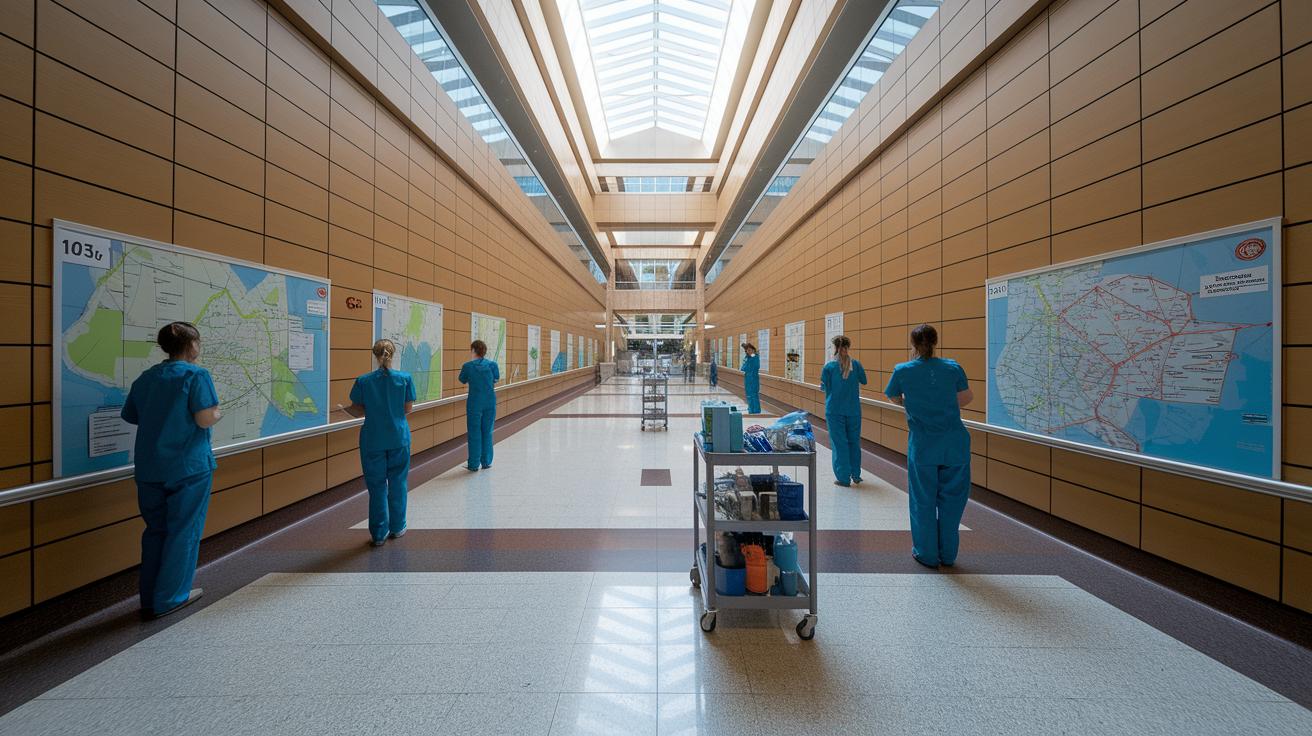
When an outbreak floods hospitals with more patients than usual, surge capacity planning is essential for keeping care safe and effective. Quick and clear planning helps ease the pressure on hospital resources. Hospitals build these plans to keep vital services running even when numbers spike.
- Divert patients to other facilities.
- Repurpose nonclinical areas (like field hospitals) for patient care.
- Reduce noncritical services to save resources.
- Expand bed capacity and adjust staffing and supplies.
During a surge, hospitals work as one team. They quickly move supplies, staff, and equipment to the places that need them most. Everyone follows clear communication steps and a single command structure that sets care priorities. This approach helps shorten wait times and makes sure that the most critical patients are treated fast while less urgent cases are managed safely.
Smart crisis planning lets hospitals set up extra care zones, add more staff, and change care spaces quickly. These actions not only keep the hospital running smoothly but also protect frontline workers by reducing exposure and fatigue. With good surge capacity planning, emergency departments stay ready to save lives even during the toughest times.
Technology and Automation for Expedited Triage Assessments
Quick take: Automated systems make patient sorting faster and safer during emergencies.
If you see any of these system issues, act immediately:
• Red flags: Major data errors, lost dashboards, or system unresponsiveness.
• Urgent: Check your digital tools and alert tech support right away.
• Monitor: Keep a manual log of patient stats until the issue clears.
During a pandemic, every second counts. Tools like AI, dashboards, and automated alerts help you get vital information in real time. Research from Lombardy, Italy shows that digital dashboards can track ICU use and ventilator availability while speeding up critical care decisions. These tools work like a fast-check system, scanning patient data instantly and supporting quick clinical judgments.
Using process automation cuts down on human error and saves time for your staff. This means there is less chance of delays that could hurt patient care when many people need help at once.
Remote systems, such as digital flowcharts for checking symptoms from afar, are another boon. They pull data from many sources to keep things running smoothly even when screenings happen offsite. Automated alerts also warn you when a patient’s condition changes, so you can shift resources fast.
In short, modern digital tools help streamline triage in tough times. They support clear, rapid decisions, giving you the edge you need when every moment is critical.
Training Guidelines for Swift Emergency Triage During Pandemics

These training modules help your healthcare team learn how to act fast and safely. You practice in real-life scenarios where every second counts. Through simulation drills, you get to work in conditions similar to a real pandemic. You learn to spot red flags, follow clear protocols, and manage patient flow with urgency. The training is led by an experienced emergency physician who makes sure each session feels real. Regular reviews strengthen infection control, the correct use of digital tools, and vital care techniques, so you gain confidence during a crisis.
Your team also practices through hands-on tests and written quizzes that show how well you make decisions when stressed. After each drill, you join a debrief session to get quick feedback on what worked and what could be better. This open review helps everyone see their strengths and know where to improve. With continuous assessments, your team becomes ready to perform rapid triage when every moment matters.
Final Words
In the action, you explored core protocols, scoring frameworks, rapid diagnostic testing, surge capacity strategies, digital triage systems, and training guidelines. Each section showed how clear steps and quick decisions can help keep patient care flowing.
These measures work together to build fast, safe responses when facing high demands. Embracing these practices empowers healthcare teams to take rapid triage during pandemics with confidence.
Stay safe, act with care, and use these insights to guide your next steps.
FAQ
How has the process of triage been used during the COVID pandemic?
The process of triage during the COVID pandemic involves quickly sorting patients by severity, isolating infectious cases, and assigning resources to those in greatest need to protect both patients and healthcare teams.
What are the 5 S’s of triage?
The 5 S’s of triage represent key steps including standardized screening, systematized decision-making with flowcharts, secure infection-control zones, swift red-flag identification, and speedy bed assignment for effective patient care.
What is a rapid triage?
The definition of rapid triage is a fast assessment method that quickly categorizes patients based on symptoms and vital signs, using structured checklists and decision pathways to direct immediate care.
How are patients triaged during a disaster?
The approach to disaster triage involves quickly assessing patients through red flags and vital signs, using rapid decision protocols to allocate limited resources efficiently and ensure critical cases receive prompt attention.