
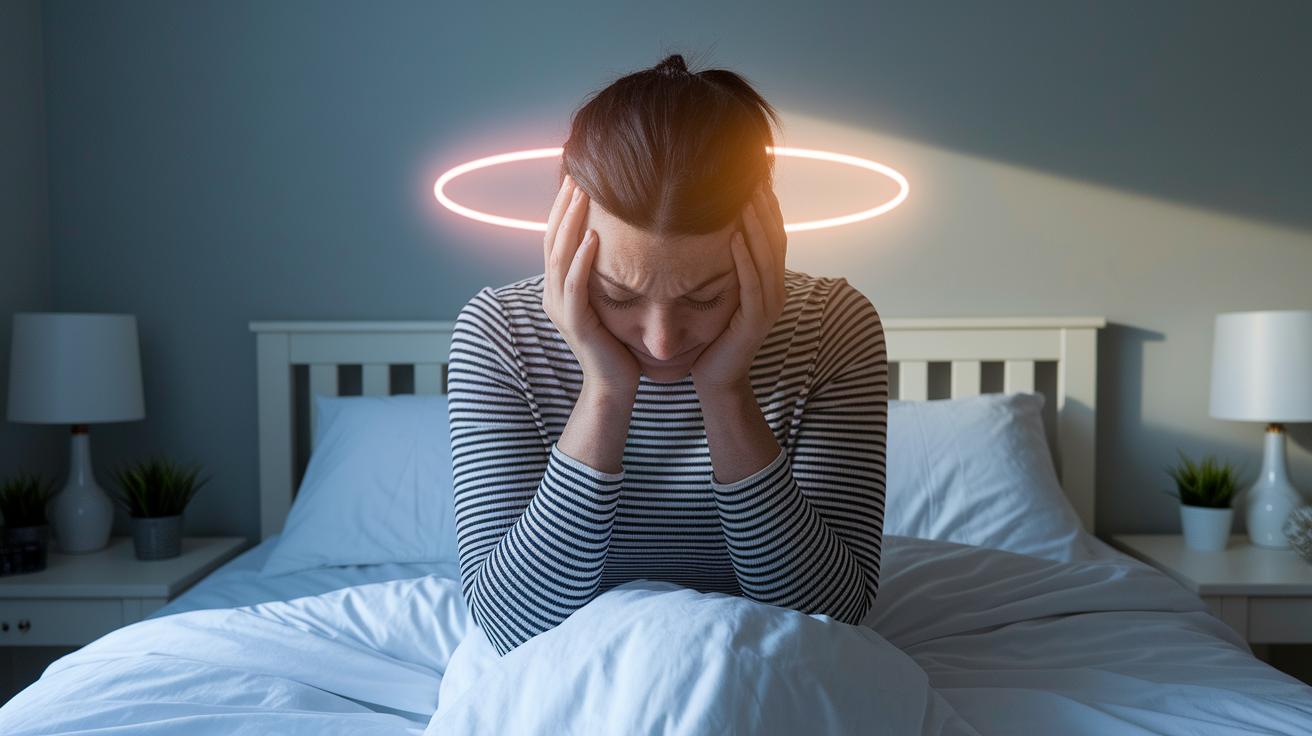

Quick Take: Pulsating headaches can disrupt your day, but knowing your triggers helps you act quickly.
If you have any of these emergency signs, call emergency services now:
• A very severe headache that starts suddenly
• Confusion or trouble speaking
• Weakness or numbness on one side of your body
• Blurred vision or sudden vision loss
A pounding headache can come on without warning, making even simple tasks feel impossible. It might start gently and then hit hard with every beat. These headaches can leave you unfocused and take away the joy from your day.
Bright lights, stress, or other changes in your body can trigger these head pains. Keep track of your symptoms by noting when the headache starts, how long it lasts, and any signs like nausea or blurred vision. This record can be very helpful if you need to see a doctor.
If your headache worsens or feels unusual, seek same-day medical attention. Stay mindful of your body’s signals and act quickly if you notice any red flags.
pulsating headache: Find Hope & Fast Relief
A pulsating headache feels like a strong beat in your head that beats with your heart. This pain comes in pulses and can last several hours. It might not get better with regular pain relievers. When this headache strikes, even everyday tasks can seem too hard, and you might miss work or other duties.
These headaches can start with a light discomfort at the back of your head that quickly turns into sharp, steady beats. Watch for changes in your pain, especially if it grows worse or comes with nausea (feeling sick) or sensitivity to light. If you notice the headache lasts a long time without much relief, it may help to learn what triggers it so you can find the right way to ease the pain.
Common Causes and Triggers of Pulsating Headache

Quick take: Pulsating headaches can be triggered by everyday factors, and recognizing them can help you manage your pain.
If you have any of these emergency signs, call emergency services now:
- A sudden, very severe headache
- Changes in vision or speech
- Numbness or weakness on one side of your body
- Loss of balance or confusion
Pulsating headaches can start from many causes. Everyday things like loud noises, quick movements, sudden changes in light, and stress may set off the throbbing pain. For example, you might be enjoying a quiet walk when a sudden siren triggers a burst of pain.
Your work and daily environment can also play a role. Bright, harsh office lights or long hours looking at a computer can strain your eyes and make you more sensitive to light, increasing your discomfort. Everyday stress from work or family issues can add to this tension.
Genetics can mean you are more likely to get migraines, tension headaches, or cluster headaches if others in your family have experienced them. Changes in blood flow (vascular factors) may also stir up a pulsating headache. For instance, a condition called temporal arteritis causes blood vessels to become inflamed, leading to headache pain that can linger.
Keep an eye on your symptoms by noting when your headache starts and what you were doing at the time. Tracking these details can help you and your clinician spot patterns and come up with a plan for relief. Recognizing and avoiding known triggers is a proactive step toward managing your discomfort.
Recognizing Symptoms and Warning Signs of Pulsating Headache
Quick take: If your headache feels like a hard, rhythmic pounding on one side of your head and comes with nausea or vision changes, you should keep a close eye on your symptoms.
If you have any of these emergency signs, call emergency services now:
- Pain that won't fade with rest or your usual medicine.
- Sudden flashing lights, wavy patterns, or blurred vision.
- New or worsening confusion or balance issues.
Pulsating headaches usually bring a strong, throbbing pain focused on one side of your head. You might feel the pain mostly around your temple or at the back of your skull (the occipital area). Many people also feel sick to their stomach or dizzy at the same time.
Sometimes, the headache comes with an aura. This means you may see flashing lights or wavy shapes just before the pain starts. Light may seem too bright, even if it’s not too intense, and a few suffer short spells of confusion during a bad attack.
Keep track of your headache symptoms. Write down when the pain starts, what parts of your head it hits, if you feel sick or dizzy, and any changes in your vision. This record is very useful if you need to see a clinician.
If you notice:
- The pulsing pain lasts even after resting or taking your regular medicine.
- The headache grows stronger or lasts longer than usual.
- You experience frequent vision changes or a sudden new confusion,
it’s a sign you should get a medical evaluation soon.
Taking these steps will help you know when to act. Stay safe and take care.
Comparing Pulsating Headache with Other Throbbing Headaches

Quick take: Pulsating headaches often follow your heartbeat, but they vary from migraines, cluster headaches, and tension headaches.
If you notice any new or worsening signs, call emergency services now.
Pulsating headaches beat with your heart. They can come and go without extra signs like a migraine aura (warning signs before a migraine) or sensitivity to light and sound.
Migraines usually spread over a larger part of your head and last longer. They may make you feel nauseous or sensitive to sound and light. Often, a migraine starts with a gentle pulse that grows more intense.
Cluster headaches cause very quick, sharp pain on one side of your head, typically around the eye. This pain feels like a sudden stab that takes your focus away for a moment.
Tension headaches create a steady pressure that feels like a tight band around your head. They do not pulse. If you have pulsing pain every day, it might be a sign of a migraine or a daily headache issue.
Keep track of your symptoms. Write down the type of pain, how often it occurs, and any other signs you notice. Then share this information with your clinician to get a clearer idea of what is causing your headache.
When to Seek Help for Pulsating Headache
A pulsating headache that lasts for hours or comes with other worrying signs may need immediate attention. If you experience any of the following, get help right away:
- Blurry or lost vision
- Sudden confusion or disorientation
- Weakness, numbness, or trouble with balance
- Difficulty speaking or pain that does not ease
These symptoms are urgent. Seek care immediately.
Relief and Treatment Options for Pulsating Headache

Quick take: You can ease a pulsating headache fast with simple self-care and the right medication.
Triage Box:
• If you have sudden weakness, confusion, trouble speaking, or changes in vision, call emergency services now.
• If your headache gets worse quickly or feels very different from usual, seek same-day medical care.
• If your pain is steady, use these self-care steps and monitor your symptoms.
You can start with over-the-counter pain relievers like NSAIDs (non-steroidal anti-inflammatory drugs) or acetaminophen (a basic pain reliever). If these do not help, your clinician might prescribe triptans, which target the headache pain directly.
At home, try these natural remedies to lessen the throbbing:
• Apply a cold compress (a cloth with ice wrapped in a towel) to your forehead for 10–15 minutes. This helps slow blood flow that can worsen pain.
• Rest in a quiet, dim room to reduce the strain from bright lights.
• Gently massage your neck, temples, or the base of your skull to ease tension.
Fast-acting relief steps:
- Take your medication as directed.
- Place a cold compress on your forehead for 10 to 15 minutes.
- Gently massage your neck and head.
- Rest in a quiet, dim room.
- Keep track of your symptoms and note any changes.
Watch for things that may trigger your headache. Common triggers include loud noises or sudden movements. Work with your clinician to develop a long-term plan that fits your needs. Following these steps can help you manage your headache and feel more comfortable.
Preventing Pulsating Headache with Lifestyle Changes
A few simple daily habits can help you avoid pulsating headaches. Stick to a steady sleep routine. Go to bed and wake up at the same time each day. This routine supports your body’s natural clock and lowers stress that might trigger head pain.
Keep drinking water throughout the day. Being well hydrated helps keep your body balanced and may lessen your chance of a headache.
Watch how much caffeine you have. Changing your caffeine levels can make your head feel more pulsing. Try cutting back on coffee, soda, and energy drinks to help keep your head steady.
Pay attention to what you eat. Some foods might trigger head pain. Notice what you eat and how you feel afterward. This can help you pick foods that keep headaches away.
Set up your workspace so it works for you. Arrange your chair, desk, and monitor to keep your posture good. This helps reduce neck and shoulder tension that can add to your headache.
Take time to relax when you feel stressed. Try deep breathing, take short walks, or do gentle stretches. Even a few quiet minutes can ease stress and lower your risk of headaches.
- Keep a regular sleep schedule
- Drink water through the day
- Watch your caffeine and food triggers
- Set up an ergonomic workspace
- Practice deep breathing and gentle stretches
Final Words
In the action, you’ve learned that a pulsating headache is more than just a bad day, it has distinct patterns, triggers, and warning signs.
This guide showed you how to recognize its unique rhythm and decide when to act.
Both treatment options and lifestyle tweaks can help ease the pain.
Keep a close eye on your symptoms and share clear details with your clinician.
Take charge with confidence and know that practical steps lead to better relief and improved well-being.
FAQ
Where do pulsating headaches occur?
Pulsating headaches occur on various parts of your head. They can affect the right, left, back, top, or both sides and feel like a rhythmic, heartbeat-synced throbbing pain.
What treatments help relieve pulsating headaches?
Pulsating headache treatment typically includes medications like NSAIDs or triptans, applying a cold compress, resting in a dark room, and avoiding known triggers to reduce discomfort.
How are pulsating headaches during pregnancy managed?
Pulsating headaches during pregnancy require careful management using non-pharmacological strategies and safe medications, as advised by your healthcare provider to protect both you and your baby.
What causes pulsating headaches and why do I feel pulsing on my head?
Pulsating headaches are often triggered by stress, sudden light changes, loud noises, or vascular shifts. These factors make your head feel a rhythmic, pulsing pain that mimics your heartbeat.
What does a pre-stroke headache feel like?
A pre-stroke headache can feel like a sudden, severe throbbing pain, often with other signs such as vision issues or confusion, indicating a need for immediate medical attention.
What if my pulsating headache comes and goes?
A pulsating headache that comes and goes should be monitored. If the episodes grow more frequent or severe, tracking symptoms and consulting a clinician helps ensure you receive proper care.