


Quick Take: Some soreness after a PRP shot is normal, but if it gets worse or spreads, seek care promptly.
After your PRP shot, it’s normal to feel some soreness. Typically, you might notice that any pain peaks between 48 and 72 hours and then fades over the next week. However, if your pain grows stronger or moves to other areas, it could be a sign of a complication. This guide shows you the differences between normal recovery signs and red flags, so you can monitor your healing and know when it’s time to reach out for help.
Distinguishing Normal Soreness vs Complications in prp shot recovery
Quick take: PRP shot soreness is normal if it peaks in 48 to 72 hours and fades by one week. But if pain gets worse or spreads, call your healthcare provider.
If you have any of these red flags, call emergency services now:
• Pain that gets stronger or does not lessen after 7 days
• Swelling, redness, or discomfort that moves beyond the injection spot
Your PRP injection uses your own blood’s platelets (cell fragments that help wounds heal) to boost your body’s repair process. Some soreness is expected, and it usually becomes most noticeable by 48 to 72 hours, then slowly fades. You might feel a little discomfort for a few extra weeks while your body mends itself. This pain shows your tissue is healing, and it should go away with time.
Watch your symptoms closely. Normal soreness should start to ease by one week. If you notice pain that won’t let up or gets worse, or if discomfort spreads out from the injection area, these could be signs that something isn’t right.
Here’s what to do:
- Note the time when the pain peaks and when it eases.
- Check if the pain feels more intense or moves away from the spot.
- If warning signs appear, contact your healthcare provider quickly for an evaluation.
Stay aware and keep track of how you feel. Acting right away if something seems off can help ensure your recovery stays on track.
prp shot recovery Timeline and Benchmarks

Quick take: Your recovery after a PRP shot can differ a lot. Your injury, overall health, and care you follow all matter.
If you have severe pain, a high fever, or sudden, worsening swelling, call emergency services now.
Right after your PRP shot, you might feel a little sore or see some swelling within 24–72 hours. In this early stage, rest and simple pain relief, like using a cold pack, can help. Most people can start light activities after a few days. Many athletes even get back to training in 1–2 weeks. You may notice clearer improvement in how you move around by about 2 weeks. However, the full benefits could take up to 6 months. If your injury is severe or you have other health issues, your recovery may take longer.
| Phase | Timeframe | Common Symptoms | What to Do |
|---|---|---|---|
| Initial Response | 0–3 days | Soreness, swelling | Rest and use cold packs |
| Early Recovery | 3–7 days | Less pain, slight stiffness | Ease into light daily activities |
| Functional Improvement | 2–4 weeks | Better movement, less discomfort | Gradually return to normal activities |
| Long-term Healing | 3–6 months | Occasional minor soreness | Near full recovery and function |
Sometimes your recovery might not fit exactly into these stages. If you have other health issues or a more severe injury, the process may take longer. It helps to talk with your doctor about a recovery plan that fits you and to adjust your expectations as you progress.
prp shot recovery: normal soreness vs complications: Smooth
After your prp shot, you might feel some mild soreness at the injection spot. This soreness usually starts right after the treatment and tends to peak between 48 and 72 hours. It shows your body is kick-starting its healing process.
You may also notice a gentle warmth, a bit of swelling, or mild stiffness and tenderness. These signs can last for about 2 to 3 weeks, but they typically fade as you get better.
Here are some steps you can take at home:
- Apply a cold compress for 10-15 minutes several times a day.
- Use anti-inflammatory home remedies to help ease swelling and discomfort.
If you experience any unusual or severe symptoms, be sure to contact your clinician.
Identifying Complication Warning Signs in prp shot recovery
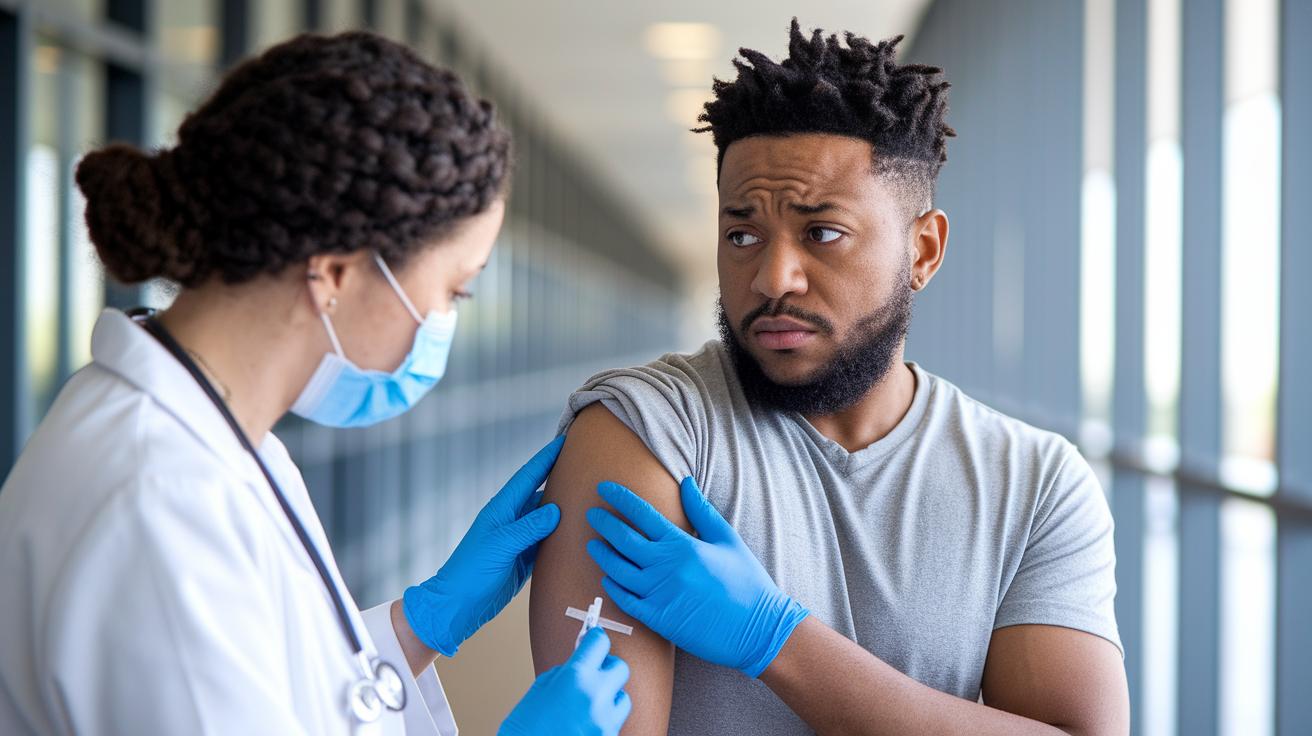
Quick Take: Watch your symptoms carefully after your PRP shot. If you notice new or worsening pain after the first 72 hours, act now and get help.
If you experience any of these red-flag symptoms, call your healthcare provider immediately:
- Severe, lasting pain or sharp pain that wasn’t there before
- Redness that spreads more than 5 cm from the shot site
- Fever or increasing swelling
- Skin that feels unusually warm or has a changed texture
- Tingling or shooting pain from the injection area
- Bruising or bleeding that continues more than 48 hours
After a PRP injection, mild soreness is normal. However, if your pain gets worse or new symptoms develop after 72 hours, it could signal a complication. Keeping a close watch helps you catch any warning signs early so you can seek care before things worsen.
Pay close attention to the spot where you received your shot. Notice if the redness spreads, if you feel feverish, or if swelling increases, it could be your body fighting an infection. Also, if you feel tingling or pain spreading from the injection site, this may mean nerve irritation. Extra bruising or bleeding past 48 hours might point to a vascular reaction.
Don't ignore these signs. Contact your healthcare provider right away so they can check your recovery and help prevent further problems.
Managing Discomfort During prp shot recovery
After 24 to 48 hours of rest and cold therapy, start moving slowly again. Begin with gentle exercises that help you move the joint. For example, try slowly bending and straightening it for 5 minutes, then take a break. Only add more time if you do not feel extra pain.
Keep track of your progress by writing down:
- The time and type of exercise you do.
- Your soreness level (mild, moderate, or severe).
- Any changes in discomfort after each session.
If you continue to feel sore, you might use an over-the-counter pain reliever like ibuprofen. Follow your provider’s instructions so the healing power of the platelets is not affected. Monitor your pain, and if it gets worse or does not improve, contact your healthcare provider.
When to Seek Help During Your prp shot recovery
Quick take: After a PRP shot, worsening pain, swelling, or fever may signal complications that need faster care.
Triage Box:
- If your pain gets much worse quickly, call your healthcare provider.
- If your swelling increases significantly or you develop a fever, seek help now.
- If your discomfort stops you from doing daily activities, reach out immediately.
Your clinician will arrange follow-up visits at 1, 4, and 12 weeks after your PRP shot. These scheduled check-ins help you and your provider keep track of changes in your pain and movement. At each visit, compare the soreness you feel now with your usual discomfort. Noting these changes can show if your recovery is on track.
Tracking Symptoms at Home
Keep a simple symptom diary with these details:
- Date and time of each check-in
- Pain level on a scale from 1 to 10
- Notable changes in movement or stiffness
For practical examples, check out the muscle ache symptom snapshot at https://thequickesttips.com?p=1327. Also, see https://thequickesttips.com?p=1302 for guidance on how often to update your diary.
If you notice that your pain is growing, your swelling is increasing, you develop a fever, or your discomfort begins to interfere with everyday tasks, contact your healthcare provider right away. These signs might mean complications in your recovery, and quick evaluation can help ensure you heal properly.
Case Studies and Comparative Analysis in prp shot recovery: Smooth
Case A shows a patient who started light activity on day 4 after the prp shot. They experienced only mild soreness at the injection spot. By week 2, they noticed better movement and fewer restrictions in daily tasks. Taking it slow helped their body heal without extra stress.
Case B tells a different story. This patient pushed into high-intensity exercise too early. Although the prp shot caused the usual mild discomfort at first, the pain did not ease. In fact, it got worse and lasted much longer. This extra strain not only increased pain but also slowed recovery and disrupted everyday activities.
Clinical studies show that 75% of patients have major improvement by 4 weeks after the prp shot. The chance of problems is low at less than 5%. This means most people do well when they follow their recovery instructions. However, even small changes in activity or differences in overall health can lead to different outcomes. Following a gradual return to activity as advised by your clinician usually leads to the best recovery, while overdoing exercise too soon may cause delays.
Precautions and Best Practices for Optimal prp shot recovery
Quick take: Prepare well, ease pain immediately afterward, and attend all follow-up visits to support a smooth recovery.
If you notice any of these emergency signs, call emergency services now:
- Severe, worsening pain
- Intense swelling or redness
- Signs of infection (fever, chills)
Before your PRP shot:
• Drink plenty of water to stay well hydrated.
• Follow your clinician’s advice on stopping blood-thinning medications or supplements.
• Eat balanced, nutrient-rich meals (treat it like filling up your car before a long trip).
Right after the shot:
• Apply a cold pack to the injection site to ease swelling and mild soreness.
• Do any recommended physical therapy exercises as directed.
• Avoid smoking, alcohol, and heavy activities for 48 hours.
Over the next weeks:
• Keep your follow-up appointments at 1, 4, and 12 weeks.
• Continue with gentle exercise and maintain a healthy diet.
This clear plan helps your clinician see your progress and supports a steadily smooth recovery.
Final Words
In the action, we've reviewed how normal soreness from a PRP injection contrasts with signs of complications. We outlined the timeline, pain intensity, and self-care steps while urging vigilance for warning signals.
This guide helps you track progress and decide if symptoms need emergency review. We compared expected discomfort to red flags like worsening pain or infection signs, so you can act safely.
Remember, effective prp shot recovery: normal soreness vs complications awareness keeps you confident in your healing journey. Stay proactive and positive.