
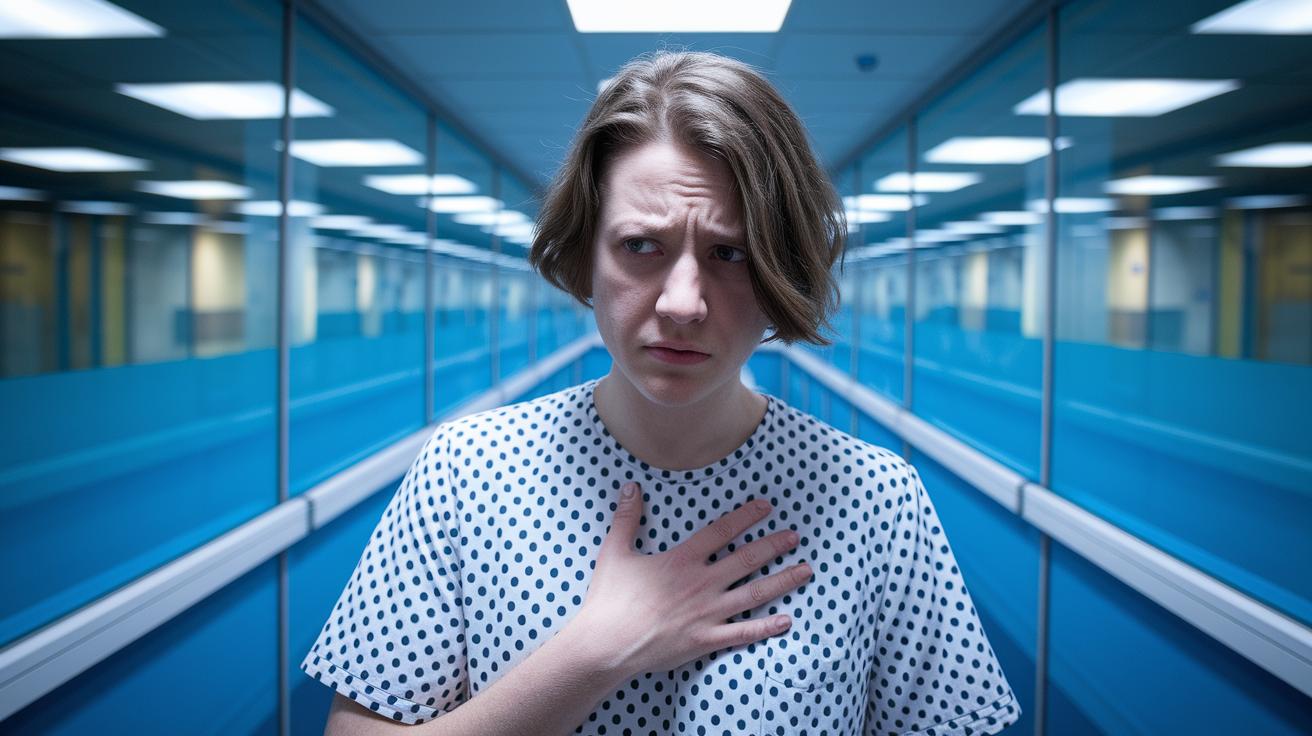

Quick take: A tight chest squeeze can be a simple sign of stress or a hint that something needs checking.
If you have any of these emergency signs, call emergency services now:
- Sharp chest pain that starts suddenly
- Pain that spreads to your arm, neck, or jaw
- Trouble breathing or feeling faint
Have you ever felt your chest tighten so much that you wonder if it is just stress or a warning sign of something more serious? Chest pressure shows up in different ways. Sometimes it is mild and easy to ignore. Other times, it feels heavy like a weight pressing on you. In this guide, you will learn what chest pressure can mean, why it happens, and when you should seek help. Stay aware and act when your body speaks up.
What Is Pressure Inside Chest Sensation?
Quick take: Chest pressure feels like tightness or heaviness behind your breastbone. It can be a steady squeeze you notice during routine activities or even at rest.
If you have any of these emergency signs, call emergency services now:
- Severe, crushing chest pain
- Trouble breathing or very short breath
- Pain that spreads to your arm, neck, or jaw
- Dizziness or fainting
Many people describe chest pressure as a non-painful squeezing feeling that sits in the center of the chest. Often, it happens with normal heart rates and may be felt during everyday tasks. For some, the pressure becomes more noticeable when breathing deeply.
Here’s what you may notice:
- Location: The feeling usually sits right behind your breastbone.
- Feeling: It comes as a steady squeeze, tightness, or a heavy weight.
- Variation: The sensation can be dull or, at times, a bit sharp when you take a deep breath.
- Spread: Sometimes it stays on one side; other times, it covers most of your chest.
- Breathing: The pressure might change based on how deeply you breathe.
Remember, chest pressure is different from sudden, sharp pain. While pressure gives a constant, heavy feeling, sharp pain tends to come on quickly and only with certain movements like taking a deep breath.
pressure inside chest: Stay aware, stay safe

Quick take: Chest pressure can come from many sources, and it's important to know what to do if you experience it.
If you have any of these emergency signs, call emergency services now:
• Severe chest pain that spreads to your arm or jaw
• Difficulty breathing or a very rapid heartbeat
• Sweating or feeling faint
If you notice chest pressure during physical activity or after eating, and it lasts more than 15 minutes, seek urgent care. Otherwise, track your symptoms and share the details with your clinician.
Chest pressure may arise from different parts of your body. When your heart is the issue, you might feel a deep, heavy pain in the center of your chest along with sweating or nausea. This could point to a heart attack or angina.
If the lungs are the cause, a sharp, stabbing pain may occur, especially when you take a deep breath. This pain can come with a cough and fever if conditions like pneumonia, pleurisy, or a lung collapse (pneumothorax) are the reason.
Sometimes, the stomach or esophagus causes discomfort. Conditions like acid reflux or GERD may cause a burning pain after you eat, which can seem like heart pain.
Muscle or bone problems in the chest, such as costochondritis or a muscle strain, usually create pain in a small area. This pain often worsens when you move or press on the spot.
Even stress or anxiety can trigger a tight feeling in your chest, along with a fast heartbeat or palpitations.
It can help to record your symptoms. Write down when the pain happens, how long it lasts, and any other signs you notice like coughing or fever. This tracker can be very useful when you talk with your clinician.
| Cause Category | Example Conditions | Key Symptoms |
|---|---|---|
| Cardiac | Heart attack, Angina | Deep chest heaviness, sweating, nausea |
| Pulmonary | Pneumonia, Pleurisy | Sharp pain on breathing, cough, fever |
| Gastrointestinal | Acid reflux, GERD | Burning pain after meals |
| Musculoskeletal | Costochondritis, Muscle strain | Localized tenderness, pain on movement |
| Anxiety | Panic attacks, Stress | Tight feeling, fast or irregular heartbeat |
Recognizing Emergency Signs Accompanying Chest Pressure
Quick take: Chest pressure with signs like hard breathing or fast, irregular heartbeats may mean something serious.
If you have any of these emergency signs, call emergency services now:
- Trouble breathing that doesn’t ease
- Fast or irregular heartbeat
- Severe pain spreading to your jaw or arm
Other red flags include:
- Coughing up blood (this means you might be bleeding internally)
- Sharp pressure when taking a deep breath
- Heavy, unexplained sweating
- Noticeable, sudden weight loss
These symptoms show your heart or lungs may be under stress or that there is damage to blood vessels or other organs. If you feel chest pressure along with any of these signs, get medical help immediately. Keep track of what you feel and note the time when symptoms start, so you can share this with your doctor.
Differentiating Cardiac and Non-Cardiac Causes of Chest Pressure

Quick take: Chest pressure may come from your heart or other sources.
If you have any of these emergency signs, call emergency services now:
- Severe pressure that does not improve, especially if it spreads to your arm or jaw.
- Shortness of breath, lightheadedness, or fainting.
- Sudden, intense pain accompanied by sweating or nausea.
If you notice the pressure getting worse with light activity, seek same-day medical care. For mild or brief pressure, monitor your symptoms and follow up with your clinician if they continue.
Cardiac Chest Pressure Sensations
Heart-related pressure usually shows as a heavy or squeezing feeling in the center of your chest. You might feel the pressure behind your breastbone, and it can spread to your arm or jaw. This tightness often comes on during extra physical effort or strong emotions. For example, you might notice a feeling of tightening when climbing stairs. Even small increases in pressure during minimal activity are worth noting.
Non-Cardiac Chest Pressure Sensations
Pressure not caused by heart problems can feel different. Sometimes, acid reflux makes your chest burn after meals. Costochondritis (inflammation of the rib joints) can cause a sharp pain when you press on your chest. Anxiety might bring a constant tightness without a clear reason. For instance, you could feel a mild burning after eating combined with stress-related tightness. Tracking these symptoms can help you and your clinician decide on the next steps.
Home Strategies for Managing Internal Chest Tightness
Quick take: Chest tightness can come from stress, muscle strain, or acid reflux, so pay attention to what your body tells you.
If you have any of these emergency signs, call emergency services now:
• Severe chest pain with pressure or squeezing
• Trouble breathing or shortness of breath
• Pain that spreads to your arm, neck, or jaw
• Fainting or feeling very weak
Stress and anxiety can make your chest feel heavy. When you feel tightness from stress, try controlled breathing. Breathe in slowly for 4 seconds, hold for 2 seconds, and then breathe out for 6 seconds. This helps calm both your body and your mind. A few minutes of deep breathing can ease tension and even help slow your heart rate if it feels too fast.
If your chest tightness is due to muscle strain, rest and gentle movement help. When physical activities make your chest feel tighter, take breaks often. Sit or stand with relaxed shoulders and a straight back. Try simple stretches like rolling your shoulders or tilting your head slowly. These steps may reduce discomfort from muscle strain.
For chest pressure caused by acid reflux, making changes to your diet can bring relief. Eat smaller, more frequent meals instead of one big meal. Avoid spicy or fatty foods that trigger symptoms. Over-the-counter antacids can also help cool the burning sensation. Keeping a food diary to track what you eat and how it affects your chest can help guide you in making healthy changes.
When to Seek Professional Care for Chest Pressure
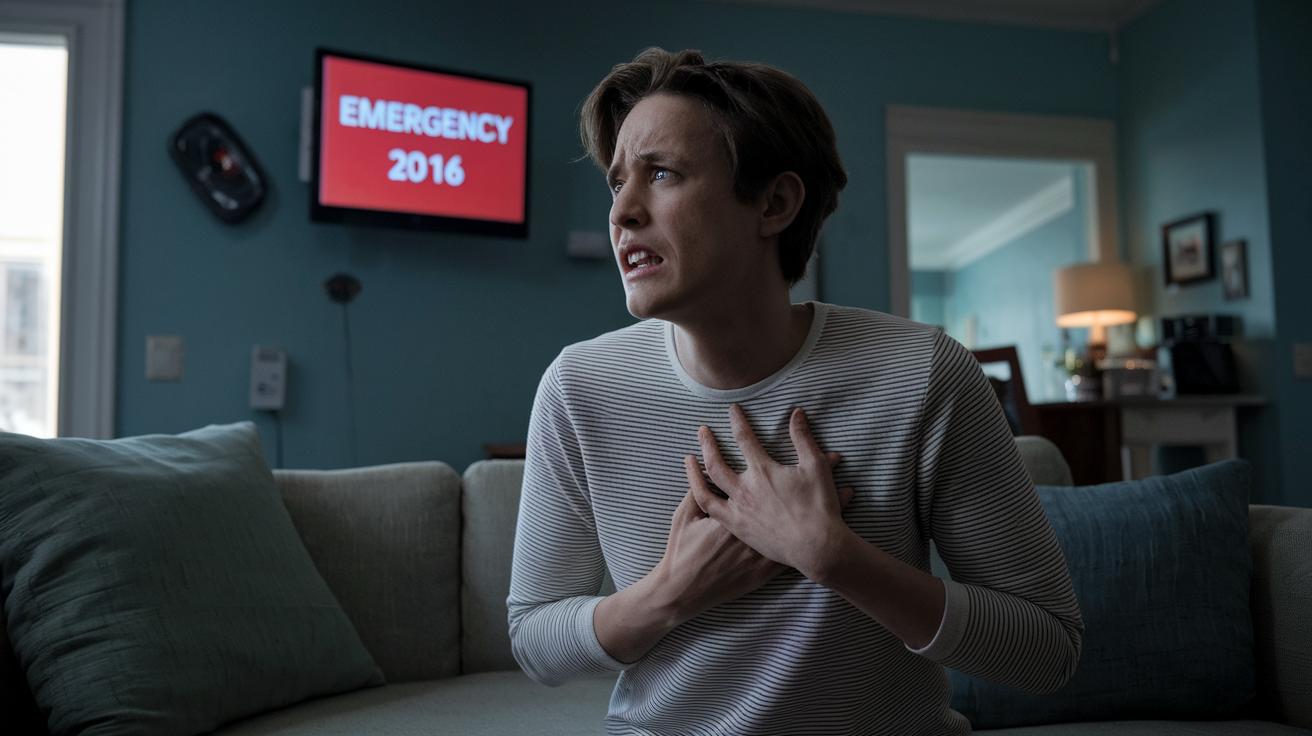
Quick take: New or worsening chest pressure with trouble breathing, a fast heartbeat, or coughing up blood demands quick action.
If you experience chest pressure that is new or getting worse and it comes with signs like difficulty breathing, a fast heart rate (over 100 beats per minute), or blood in your cough, call emergency services right away. If your chest pressure is mild, comes and goes, and you know it is related to stress or exercise, you can watch it at home. For example, if you feel pressure during a workout that fades when you cool down, take note of it. But if that same pressure starts together with shortness of breath, act now.
Your doctor will ask when the pressure began, how long it lasts, and what other symptoms you have. They will check you over with a physical exam and might do tests such as an electrocardiogram (a test to check your heart rhythm) or chest imaging (pictures of your chest) to rule out serious issues like a blood clot in the lungs, inflammation around the heart, or blocked blood flow to the heart. For instance, if you mention that the pressure comes and goes along with feelings of anxiety, that information helps guide your care.
Final Words
In the action, we reviewed what pressure inside chest feels like, its common causes, and red flags that need urgent care. We broke down the differences between cardiac and non-cardiac sources and suggested practical self-care tips to try at home.
We also outlined when to get help quickly. Tracking symptoms and following clear steps can make a big difference.
Feel empowered to stay safe and monitor any pressure inside chest with care.
FAQ
What does a weird, heavy, or tight chest feel like?
The sensation of a heavy, tight, or weird chest often describes a pressure-like or squeezing feeling. It might be due to muscle strain, anxiety, or heart-related issues, especially when paired with trouble breathing.
How do I relieve chest tightness?
The approach to relieving chest tightness includes practicing deep breathing and gentle stretching. Calming techniques may ease anxiety-related tension, while dietary changes can help if reflux is a factor. If symptoms worsen, seek care.
What causes chest pressure or pain in women?
Chest pressure or pain in women can result from varied sources like heart issues, acid reflux, muscle strain, or anxiety. Women may experience atypical heart symptoms, so timely evaluation is important for safety.
What are the early signs of heart blockage?
The early signs of heart blockage include pressure, squeezing in the chest, shortness of breath with exertion, fatigue, or discomfort radiating to the arm or jaw. If you notice these signs, get prompt medical help.
Should I worry about a dull chest pressure?
A dull chest pressure can be linked to minor issues such as muscle strain or acid reflux, yet it might also signal heart problems if accompanied by breathing difficulties, sweating, or other red flags. Professional evaluation is advised.
How can I tell if chest tightness is heart related?
Chest tightness from heart conditions usually presents as a heavy, squeezing pressure, sometimes spreading to the arm or jaw and paired with shortness of breath and sweating. A medical evaluation is necessary to determine the cause.