
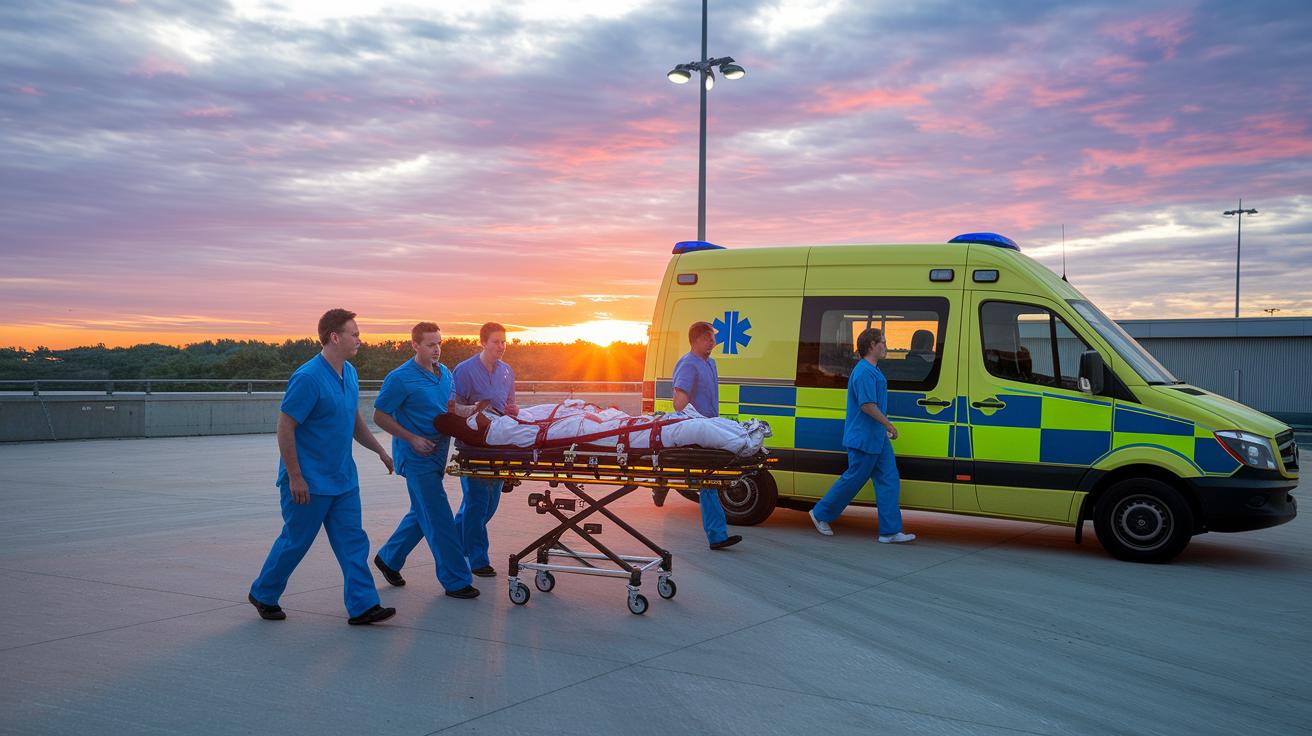

Quick take: Every second counts in a life-saving emergency.
When emergencies occur, first responders follow clear, step-by-step rules that help save time. They quickly secure the scene, check for injuries, and plan a safe ride to the hospital. This simple approach lowers risks and makes sure you get care right away. Read on to learn how these clear steps can make a big difference when it matters most.
Pre-Hospital Emergency Protocol Essentials
Pre-hospital emergency protocols are clear steps that guide first responders from the moment you call for help until you reach the hospital. They help teams act fast, lower risk, and save lives. This system makes sure each emergency follows a safe, patient-focused plan.
At the heart of these protocols are five main parts:
- Dispatch communication: Emergency dispatchers ask for key details such as your location, what happened, and information about the patient. This helps them send the right help at the right time.
- Scene safety operations: When responders arrive, they first secure the area for everyone’s safety. They put on protective gear, check for dangers, and set up a safe zone.
- Field assessment protocols: Responders quickly check the patient’s airway, breathing, and circulation (the ABC check). This fast review helps them spot life-threatening issues.
- On-scene treatment steps: Based on the assessment, responders follow clear treatment steps like stopping bleeding or supporting breathing with a bag-valve mask. These actions are done using standard care rules.
- Patient transport frameworks: Responders decide on ground, air, or special transport based on how far the hospital is and the patient’s condition. This step ensures the patient keeps receiving care from the scene to the hospital.
Each part of the protocol links quick action with careful safety. This structured approach helps reduce harm and improve outcomes for everyone involved.
Scene Safety and Initial Assessment in Pre-Hospital Emergency Protocol
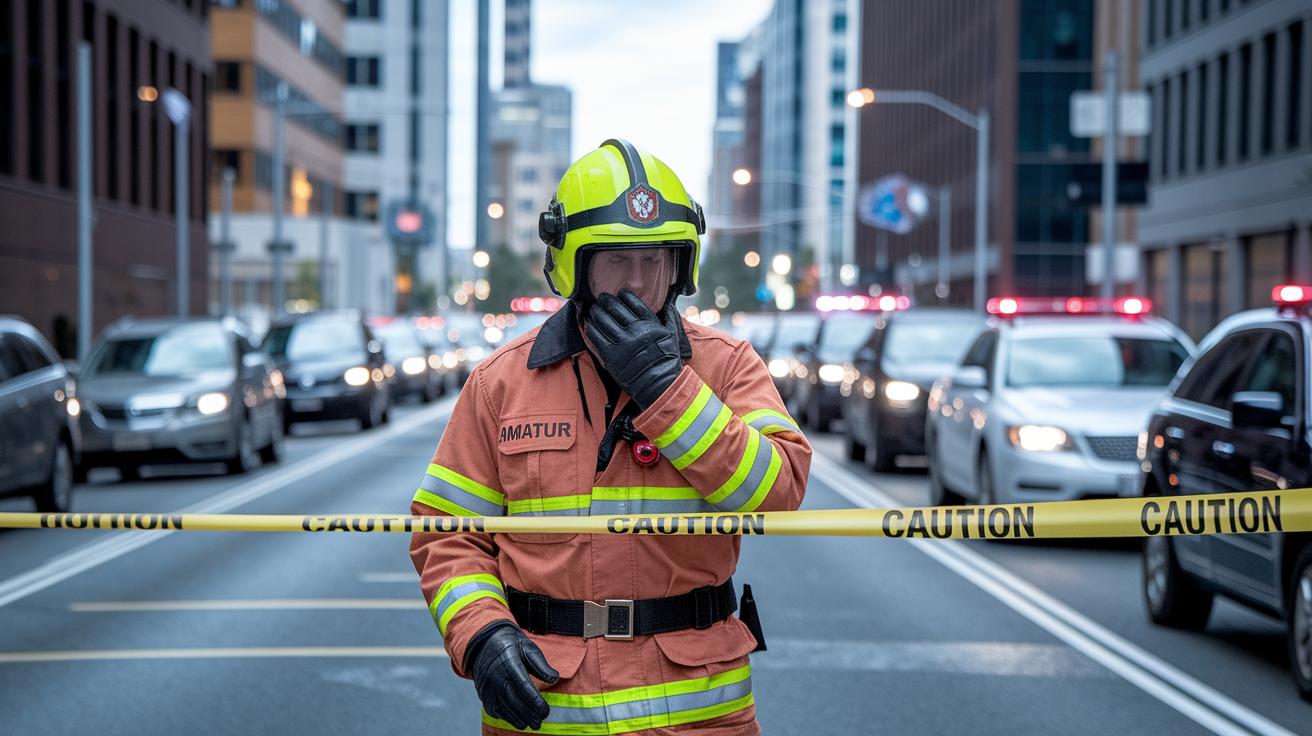
Quick Take: Secure the scene right away to keep everyone safe and then start your patient check.
If you see any danger like moving vehicles, fire, or chemicals, step back and keep a safe distance. Begin by putting on your protective gear (gloves, eye protection, and a gown) to avoid harmful substances. Look around carefully for hazards that could make things worse, such as drifting traffic, open flames, or spills.
Next, mark off parts of the area by setting up zones labeled hot (very dangerous), warm (some risk), and cold (safe). This helps you know where to go and what to avoid. Then, do a quick check on the patient by making sure their airway, breathing, and circulation are okay.
If the situation gets worse, call for extra help right away from teams like fire, law enforcement, or hazmat specialists.
Steps to follow:
- Put on your protective gear (gloves, eye protection, and gown).
- Identify and manage hazards (traffic, fire, chemicals).
- Set up safety zones (hot, warm, cold).
- Check the patient quickly (airway, breathing, circulation).
- Call for extra help if needed.
Following these steps lets you secure the scene fast and gives you the time you need to provide care.
Dispatch Communication Procedures in Pre-Hospital Emergency Protocol
Quick take: A clear, step-by-step process helps get the right care to you fast.
If you see any of these red flags, call emergency services now:
- Multiple injured people
- Serious hazards in the area
- Severe injuries or illnesses
Dispatchers start each call by asking for basic, clear details. They ask for your location, what happened (such as injury or illness), the patient’s age, how many people are involved, and if any hazards are present. These questions make sure the team knows what to expect when they arrive.
Next, dispatchers use a code system, Alpha, Bravo, Charlie, Delta, and Echo, to show how urgent the situation is. This helps them decide which resources to send right away.
They also give you simple, clear instructions to follow until help reaches you. Every question and detail guides the right team to you with no delays.
This process meets strict ambulance and medical dispatch rules. Each answer you provide plays a key role in making sure that help comes fast and safely.
Triage and Field Stabilization Methods in Pre-Hospital Emergency Protocol
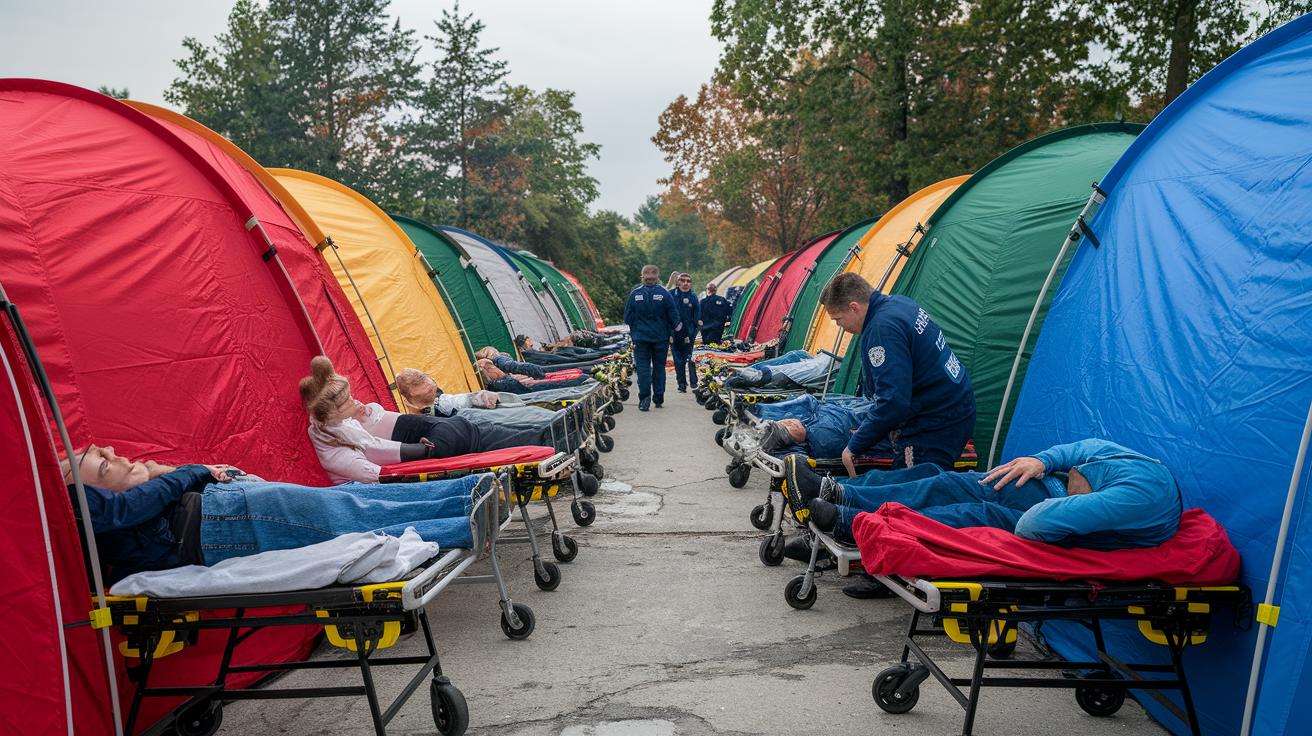
Emergency responders use step-by-step guides to sort patients quickly. They follow a clear four-level system to decide who needs help right away and who can wait. This careful method makes sure life-saving care is given without delay.
Patients in the Immediate group (red) have blocked airways, heavy bleeding that won’t stop, or clear signs of shock. The Delayed group (yellow) includes those with open airways but serious injuries that may worsen without care. Patients in the Minor group (green) can usually walk and have less severe injuries that allow for a short wait. Lastly, the Expectant group (black) covers cases with injuries that are not survivable so that only comfort care is possible.
After sorting, responders stabilize patients right in the field. They start with basic steps to keep the airway open and help patients breathe. They follow resuscitation rules to control bleeding by quickly applying pressure bandages or tourniquets. They also use cervical collars and backboards to keep the spine stable and prevent further injury. In some situations, advanced support techniques are used for immediate care.
| Triage Category | Color Code | Criteria |
|---|---|---|
| Immediate | Red | Blocked airway, heavy bleeding, shock signs |
| Delayed | Yellow | Open airway, serious injuries needing care within hours |
| Minor | Green | Walking wounded, minor fractures, delayed treatment acceptable |
| Expectant | Black | Non-survivable injuries, comfort care only |
Treatment Interventions and Equipment in Pre-Hospital Emergency Protocol
Quick take: Responders use simple, proven equipment to act fast on scene.
Triage Box:
- If breathing is hard or stops, use a bag-valve mask to help breathing.
- If you suspect a neck or spine injury, apply a cervical collar and backboard.
- For broken bones, splint the injured area.
- If the heart stops (cardiac arrest), use an automated external defibrillator.
Responders often use tools that support breathing. A bag-valve mask helps push air into the lungs when breathing falters. Cervical collars and backboards keep the neck and back steady in cases of injury. Splints secure broken limbs until further care is available.
Oxygen systems keep the body supplied with enough oxygen. IV (intravenous) kits allow quick delivery of fluids or medicines. Tools for controlling heavy bleeding, like tourniquets and special dressings, are also key. Medications such as aspirin for heart problems, epinephrine (a medicine that helps with severe allergic reactions), and naloxone (a medicine used for opioid overdoses) are ready for use as needed.
Mobile care units help bring advanced support quickly. Responders follow clear, step-by-step plans so every piece of equipment is ready. For example, teams use checklists before arriving to make sure all tools work properly. This organized approach helps meet the patient’s needs fast, even in challenging settings.
Patient Transport and Handoff Procedures in Pre-Hospital Emergency Protocol
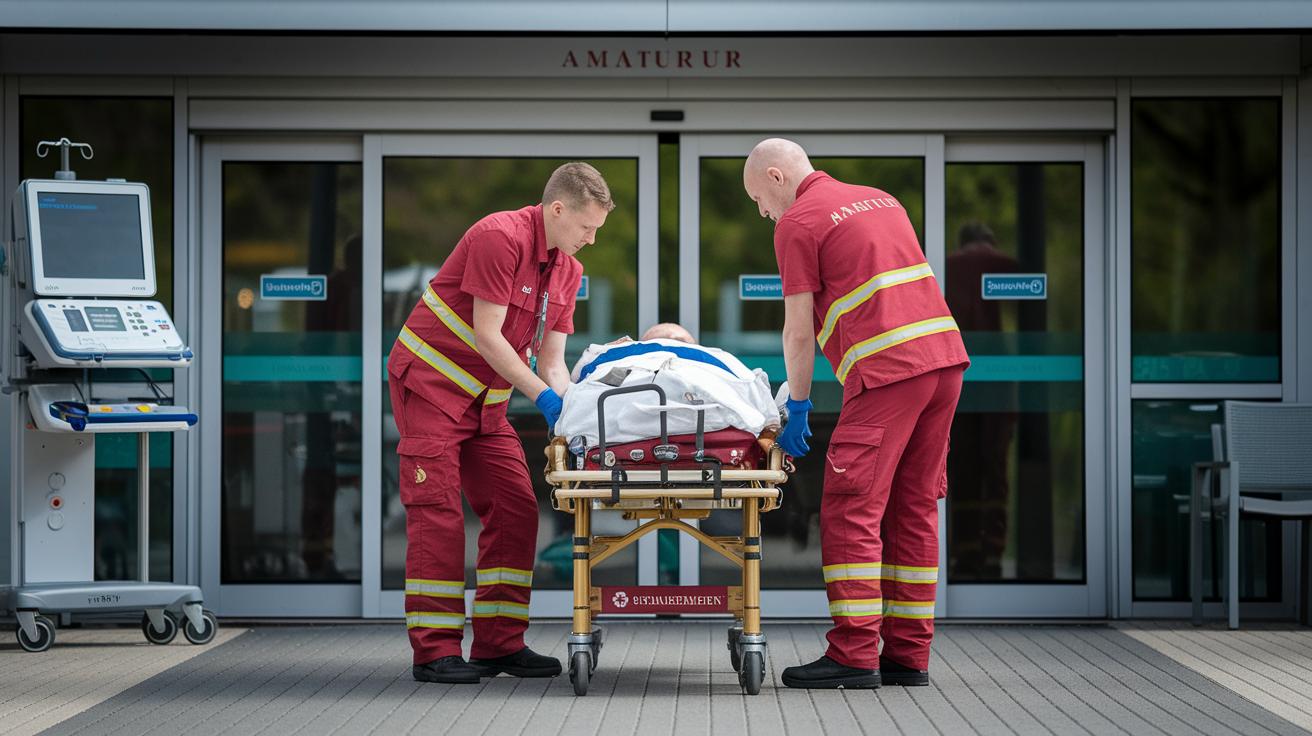
Quick take: Safe transport and clear handoff keep the care moving without delay.
When planning transport, responders decide if ground or air is best by checking how far away the hospital is, how stable you are, what caused the injury, and if you need care fast. They also consider the weather. For example, air transport may be used when you are in a remote area or when every minute counts.
Before moving you, the team makes sure all transport safety steps are followed. They load and unload you safely and take care with your spine to avoid any more injury, especially after a trauma. Keeping the spine secure is very important.
Once you are on the move, responders start a structured handoff using the SBAR method:
- Situation: What is happening right now.
- Background: Important details about your condition and history.
- Assessment: What was found at the scene and the treatments given so far.
- Recommendation: The next steps they suggest for your care.
This clear and simple process helps make sure you receive steady care from start to finish. When hospital staff get a concise report, they can quickly understand your needs and start the right treatments right away.
Quality Assurance and Training Standards for Pre-Hospital Emergency Protocol
Quality assurance helps keep EMS teams ready and effective. Agencies check that rules are followed, watch response times, and track patient outcomes to see if care meets standards. They do audits and case reviews to learn what needs to change and how to improve performance.
Keeping teams prepared also means having solid training. Responders take part in drills that feel like real emergencies. They earn credits for continuing education and practice planning for different scenarios. Training sessions update their methods so every team member can provide fast and safe care when it matters most.
Steps to boost quality include:
- Audit protocol compliance regularly.
- Track response times and patient outcomes.
- Review cases to find areas for improvement.
- Run simulation drills and scenario exercises.
- Update training based on current EMS guidelines.
One responder put it simply: "Each drill builds confidence and readiness." This ongoing effort means every clinician is ready to handle emergencies quickly and safely.
Final Words
In the action, we reviewed key steps from securing the scene and rapid patient assessment to clear dispatch communication and on-site care. You learned about using protective gear, controlling hazards, conducting quick triage, and deploying life-saving treatments. We also covered safe patient transport and detailed handoff procedures, along with the importance of quality checks and ongoing training. Each component works together in a strong pre-hospital emergency protocol that helps keep patients safe and ensures prompt care. Stay prepared and focused.
FAQ
What is Prehospital Emergency Care 12th Edition?
The Prehospital Emergency Care 12th Edition provides the latest guidelines for emergency responders. It outlines protocols for scene safety, initial assessments, dispatch procedures, field stabilization, treatment, and patient transport.
What is a pre hospital care ppt?
A pre hospital care PPT is a PowerPoint presentation that explains key emergency care protocols. It covers topics like scene safety, dispatch communication, triage, treatment interventions, and patient transport guidelines.
What are Joint prehospital emergency care protocols pdf?
The Joint prehospital emergency care protocols PDF is a document that compiles standardized procedures from multiple agencies. It helps responders coordinate efforts and deliver safe, effective prehospital care.
What are the LA County EMS Protocols 1300?
The LA County EMS Protocols 1300 refer to a set of detailed guidelines used by LA County emergency medical services. They standardize prehospital care practices to improve patient outcomes during emergencies.
What is included in the Prehospital Emergency Care 12th Edition PDF?
The Prehospital Emergency Care 12th Edition PDF includes updated protocols covering scene assessment, dispatch procedures, field stabilization techniques, treatment interventions, and patient transport best practices for emergency responders.
What information does the Prehospital Emergency Care PDF provide?
The Prehospital Emergency Care PDF outlines standardized guidelines for emergency care from the scene to the hospital. It details procedures on scene safety, rapid assessment, patient stabilization, treatment, and safe transport.
What is pre hospital care?
Pre hospital care refers to the emergency medical services provided before a patient reaches the hospital. It includes rapid evaluations, immediate treatments, scene safety, and safe patient transport to help minimize harm.
How does Prehospital Emergency Care 11th Edition differ from the 12th Edition?
The Prehospital Emergency Care 11th Edition offers an older set of protocols, while the 12th Edition contains updated, evidence-based guidelines and improved procedures to enhance patient care and safety.