


Quick take: Small red spots (petechial rashes) are tiny blood leaks under your skin that may need extra attention if other warning signs appear.
If you have any of these concerning signs, call emergency services now:
• Difficulty breathing or chest pain
• A severe headache or sudden confusion
• Feeling very weak or dizzy
Here are 3 important facts to know:
- These flat red spots come from tiny blood leaks under the skin.
- They can appear in clusters and might be linked to different causes.
- Knowing about them can help you decide if and when to get medical advice.
By understanding these facts, you can feel more at ease and be ready to act safely.
3 petechial skin rash Facts to Reassure You
Quick take: These tiny, flat red or purple spots are signs of small blood leaks under the skin.
If you have any of these emergency signs, call emergency services now:
| Red Flags |
|---|
| High fever (102 F or more), severe headache, stiff neck, or confusion |
| Rapid increase in the number or size of spots |
If you notice these changes along with pain or swelling, seek same-day medical attention. For steady, unchanged spots, continue to monitor and follow up with your healthcare provider if they worsen.
Petechial skin rash shows up as small clusters of red or purple spots, usually around 1 to 2 mm in size. These spots do not fade when you press on them because they come from tiny blood leaks under the skin. Unlike raised hives, they remain flat, which tells you that the cause is not an allergic bump but possibly a problem with blood platelets (cells that help your blood clot) or the health of your blood vessels.
Remember, these pinpoint marks are not a typical rash but a visual hint that microscopic blood is seeping out. They generally do not itch or spread like other rashes. If you notice any new changes or if they start to cover more of your skin, it is important to get checked by a healthcare provider.
Common Causes of Petechial Skin Rash

Quick take: A petechial rash shows small red spots from tiny blood leaks. These spots often come from common infections, medication reactions, or physical strain. If you have a high fever (over 102 F), sudden weakness, or if the rash quickly spreads, call emergency services now.
Petechiae (small red spots) can appear for many reasons. They may seem simple at first but sometimes signal a need for care. Here are some common causes:
- Viral infections – Common viruses can cause tiny blood leaks.
- Bacterial infections – Infections like strep or sepsis may produce these red spots.
- Blood clotting issues – When your blood does not clot well, you can see spots that may seem alarming.
- Medicine reactions – Certain drugs, especially blood thinners, can lead to a rash.
- Physical strain – Intense coughing or vomiting can break small blood vessels.
- Stress – Both physical and emotional stress might trigger these skin changes.
- Rare conditions – Serious issues like some blood cancers or blood vessel inflammation can also cause a petechial rash.
Distribution Patterns and Risk Factors in Petechial Eruptions
Petechial rashes are small red or purple spots that can show up on your skin. In children, these spots often come with viral infections and appear mainly on the arms, legs, and torso. They are usually a short-lived reaction to a common bug. In adults, however, petechiae may point to other conditions like platelet disorders (problems with blood clotting) or vasculitis (inflammation of blood vessels). Adults might notice the spots on the face or legs, sometimes after intense vomiting or physical stress that strains the tiny blood vessels.
Where the rash appears can give important clues about its cause. Spots on exposed areas like the face might be linked to stress on the blood vessels, while spots on the abdomen or other hidden areas might suggest a different issue. Other factors such as your age, preexisting health issues, and any medication you take can also increase the risk of these skin changes. For example, a rash that appears after vomiting or heavy physical activity in an adult may need more careful evaluation than a similar rash in a child.
Tracking these differences is key for healthcare providers. Knowing the usual locations and common triggers helps decide if more tests are needed or if the change is likely just a temporary response to an infection.
| Demographic | Typical Sites | Common Causes |
|---|---|---|
| Pediatric | Arms, legs, torso | Viral infections |
| Adult | Face, legs | Platelet disorders, vasculitis |
Differentiating Petechial Skin Rash from Similar Lesions
Quick take: Small red spots on your skin can mean minor bleeding, but their size and appearance might show a need for extra care.
Triage Box:
• Call emergency services now if you notice rapid spreading of spots, severe pain, or signs of infection like warmth, swelling, or redness.
• Seek same-day medical attention if larger patches appear suddenly or if you have other worrisome symptoms.
• Monitor changes and follow up with your doctor if spots increase or do not fade.
Petechiae vs Purpura
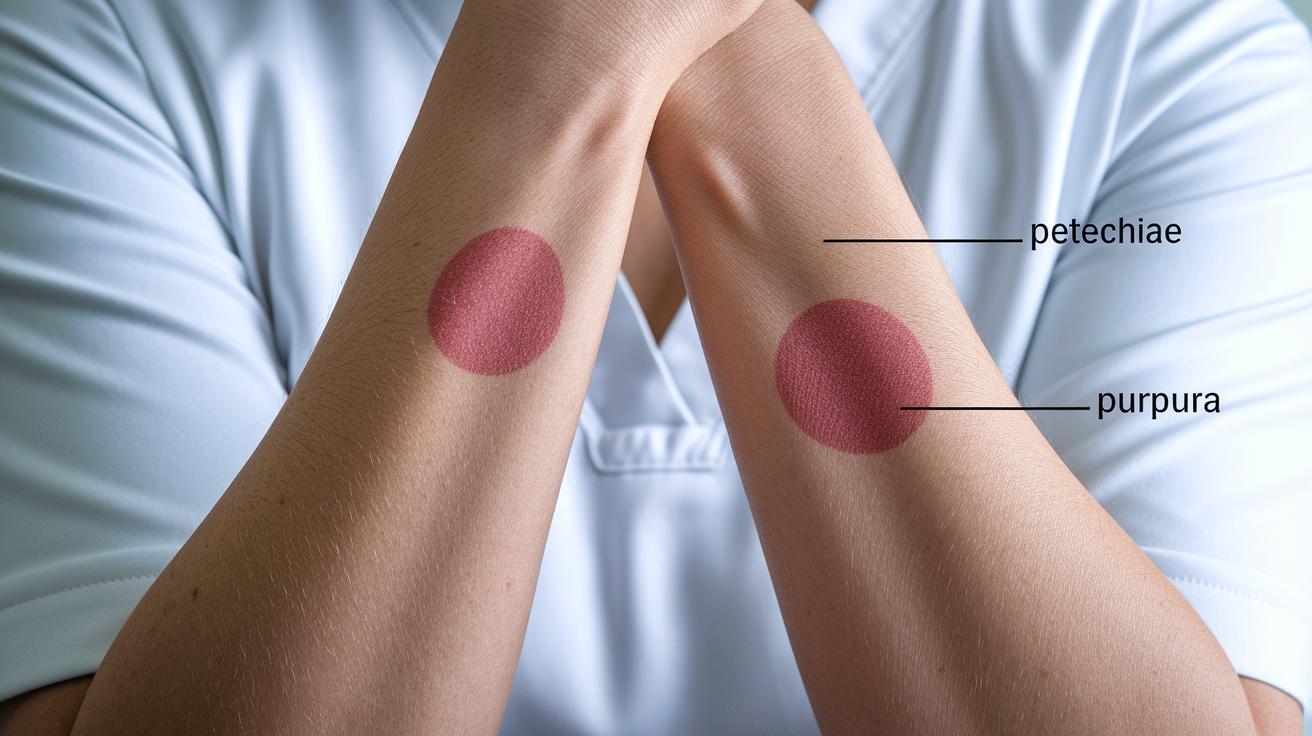
Petechiae are tiny red or purple spots less than 3 mm. They happen when tiny blood vessels leak a small amount of blood. In contrast, purpura come in larger spots (3-10 mm) and suggest a wider area of leakage. Petechiae usually appear from minor vessel damage or low platelets (clotting cells). Purpura might indicate a deeper problem with your blood vessels or platelets. This size difference helps your doctor decide if further tests or more urgent care are needed.
Petechiae vs Ecchymosis and Cherry Angiomas
Ecchymosis spots are bigger than 10 mm and often happen from deeper bleeding after an injury. They may take longer to go away and can leave clear skin marks. Cherry angiomas, on the other hand, are raised, harmless skin bumps that turn white when you press on them (a blanching test). Unlike petechiae, cherry angiomas do not show hidden blood leakage. Recognizing these differences, flat versus raised, the size of the spot, and how they respond to pressure, can help you understand if a skin finding is a minor issue or a sign that you should see a doctor.
Warning Signs and When to Seek Medical Advice for Petechial Rash
Quick take: A sudden change in your rash with new pain, headache, or bleeding can signal a serious infection that needs immediate care.
If you have any of these emergency signs, call emergency services now:
- Sharp increase in red spots with a fever over 102 F and a bad headache.
- A rash that does not fade when you press a glass against your skin.
- Unexplained bruising or bleeding from the mouth or nose.
- Stiff neck, confusion, or any change in your mental state.
- Ongoing vomiting or a severe headache, especially after being in crowded places or traveling.
A quick rise in the number or size of these small red spots, especially when you also feel sick or your mind isn’t clear, can mean your body is fighting a strong infection like sepsis or meningococcemia (a severe infection of the lining of the brain and spinal cord). When you press a clear glass against the rash and the red spots do not fade, it may mean your blood vessels are under stress and leaking.
Keep a close eye on your rash. If you notice these changes, reach out to a healthcare provider right away. It’s important to act early and follow your doctor’s advice.
Diagnostic Evaluation Methods for Petechial Skin Rash

Quick take: A petechial rash may signal bleeding under the skin, and clear tests help pinpoint the cause.
If you have any of these emergency signs, call emergency services now:
- Trouble breathing
- Feeling faint or very dizzy
- A rash that spreads quickly or comes with a high fever
Your doctor will start with simple tests to look at your skin. One common test is to press a clear glass against the rash. If the red spots do not turn white (a reaction called blanching), it can mean blood has leaked under your skin. They may also gently rub the area to see how your skin responds. These steps help show that the spots are due to bleeding rather than a normal rash.
After checking your skin, your doctor usually orders blood tests. A complete blood count (CBC) measures your platelets, which help your blood clot. They also run tests like prothrombin time (PT) and activated partial thromboplastin time (aPTT) to see how well your blood clots. These tests can uncover problems with clotting that might have led to the rash.
Sometimes, your doctor may suggest a skin biopsy. This means taking a small piece of skin to look at it very closely under a microscope. They might also take photos of the rash so they can track any changes over time. This documentation helps guide any extra tests or treatments you might need.
Management Strategies and Home Care for Petechial Eruptions
Quick take: Most mild cases clear up with simple home care.
If you notice any of these signs, call emergency services now:
- Severe pain or swelling
- Worsening rash or bleeding
- High fever or other new concerning symptoms
For mild petechiae, start by taking it easy and using cold compresses on the affected area to ease discomfort. Rest and keep the area clean to ward off infections. Remember, avoid overusing NSAIDs (pain relievers like ibuprofen) as they can affect how your blood clots.
Simple self-care tools, like staying well-hydrated by drinking plenty of water, are key. Water helps your body heal and keeps your blood flowing normally. Combined with rest and cold packs, these steps often support your recovery.
If your skin doesn’t improve or you notice more worrisome changes, your doctor might suggest prescription treatments. Options may include medications like corticosteroids or even platelet transfusions if a serious condition is suspected. Make sure to track any changes and follow your healthcare provider’s advice closely.
Preventative Measures and Monitoring of Petechial Rash Progression
Quick take: If you notice small red spots on your skin, take steps to protect your skin and note any changes.
If you suddenly experience pain, fever, or the rash spreads quickly, call your doctor right away.
Taking care of your skin is important. Use a gentle, warm cleanser and pat your skin dry instead of rubbing hard. Stick with cool water and mild soap. A healthy diet can help too. Try to eat foods rich in vitamin C (like oranges and bell peppers) and vitamin K (found in leafy greens). These vitamins help your body repair itself naturally.
Here are some steps to keep your skin safe:
• Avoid heavy lifting or rough activities that can put extra strain on small blood vessels.
• Take breaks and rest if you feel stressed, because stress can make your skin spots worse.
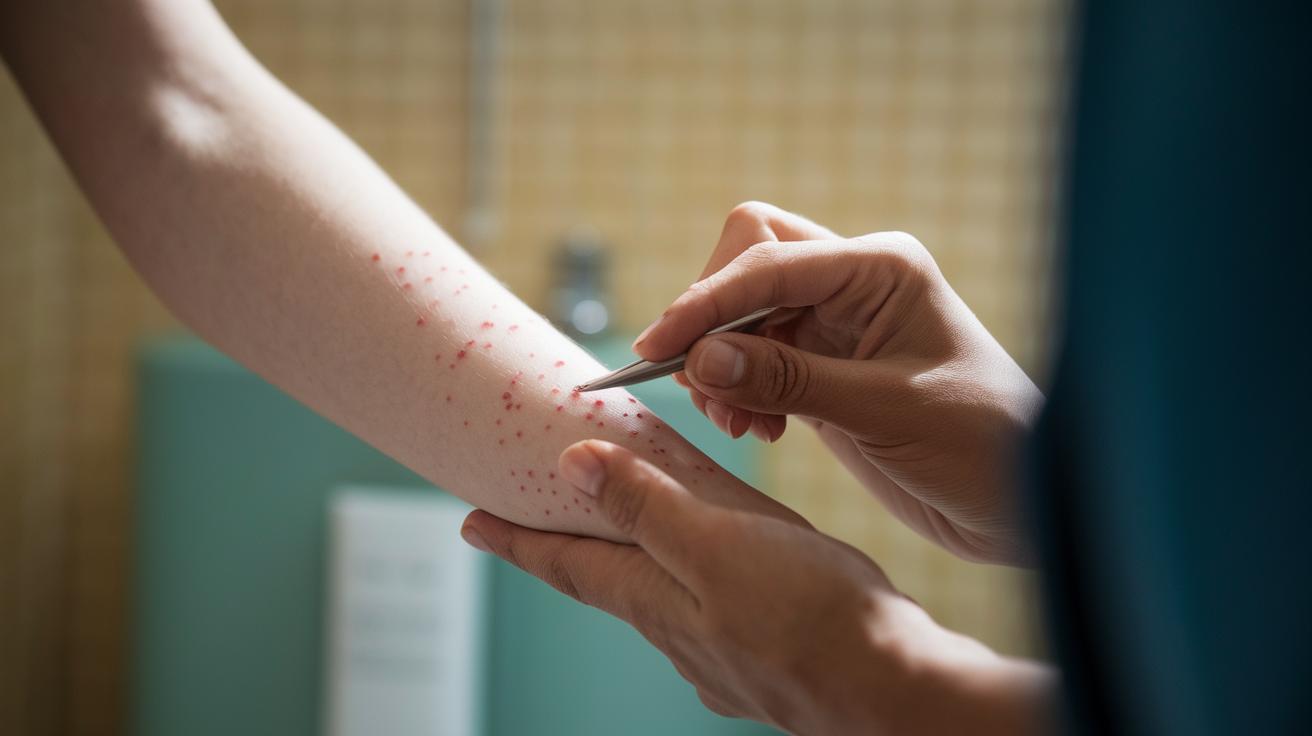
It is also important to keep an eye on your skin. Write down each time you notice a change. Note where the spots appear and if you see any new symptoms. This simple log helps you track your progress and can be very useful when you talk with your doctor.
Prognosis, Follow-Up, and Long-Term Considerations for Petechial Eruptions
Quick take: Most small, red or purple spots fade within 1–2 weeks after treating the cause, but keeping track of them is key.
If you notice any of these, call emergency services:
- New spots that rapidly worsen.
- A sudden increase in spot numbers.
Important points:
- Most petechiae (tiny red or purple spots) clear up in 1–2 weeks once the underlying issue is fixed.
- Your body usually returns to normal, and the spots fade as you heal.
- This timeline might be longer if you have a blood clotting problem (coagulopathy) or a condition affecting your blood vessels.
- The chance of spots coming back depends on how well you control any ongoing blood clotting issues or blood vessel inflammation.
What to do next:
- Track your progress by noting any new or returning spots.
- Write down the date, time, and details like severity (mild, moderate, severe) and any other signs.
- Share your record with your healthcare provider to help decide if additional tests or changes in treatment are needed.
For long-term care:
- If you have a chronic condition, you might need regular check-ups.
- Your doctor may plan periodic evaluations to check your platelet function (how well your blood cells work) and blood clotting status.
- Keeping a detailed record of any changes will help make timely decisions about your care.
Final Words
In the action, this article guided you through the key features of petechial skin rash, outlining what it looks like, its common causes, and how it differs from similar skin eruptions. You learned practical tips for tracking symptoms and when to seek urgent help.
The guide reviewed easy home care, diagnostic evaluations, and strategies to prevent recurrence. Keep monitoring your symptoms, and remember that early attention helps lead to positive outcomes.
FAQ
What are petechiae?
The term petechiae refers to tiny, red to purple spots caused by capillaries leaking blood under the skin. They do not fade with pressure, often signaling issues with platelets or infections.
When should you worry about petechiae?
When petechiae spread rapidly or come with fever, unexplained bruising, or bleeding from mucosal areas, they indicate a serious condition. Such signs need prompt medical evaluation.
What causes petechiae?
Petechiae result from viral infections, bacterial sepsis, adverse drug reactions, physical trauma like severe coughing, or low platelets. They can sometimes signal serious conditions such as leukemia.
How do petechiae appear on the skin and face?
Petechiae show as small, flat red or purple spots on the skin, including the face. They are typically 1–2 mm in size and do not blanch when pressed, differing from typical rashes.
What does leukemia-related petechiae look like?
Leukemia-related petechiae may appear more widespread and are often accompanied by fatigue, easy bruising, and other blood-related symptoms. They suggest a serious disorder and need quick medical review.
How do you differentiate petechiae from purpura?
Petechiae are pinpoint spots measuring less than 3 mm, while purpura are larger, between 3 and 10 mm. This size difference, along with their non-blanching nature, helps in diagnosis.
What are petechiae in dogs?
In dogs, petechiae appear as tiny, red to purple spots for similar reasons as in humans. They may indicate clotting issues or infection and warrant a veterinarian’s evaluation.
What does petechiae look like on children, and can it be related to viral infections?
In children, petechiae present as small, flat red or purple spots and are often linked to viral infections. While they may resolve on their own, rapid spread or additional symptoms require a doctor’s assessment.