


Quick Take: Panic attacks can feel intense, but they are not usually dangerous if managed at home.
Triage Box:
• Red flags: If you have chest pain, trouble breathing, or feel faint, call emergency services now.
• Urgent: If your symptoms worsen or you feel out of control, seek same-day care.
• Self-care: Practice slow breathing and grounding techniques while you monitor your symptoms.
Do you ever feel your heart racing and a wave of fear hit you out of nowhere? This may be a panic attack. You might notice signs such as a fast heartbeat, short breaths, and strong anxiety. Although these feelings can be very scary, they do not cause any lasting harm. Understanding these signs helps you know what is happening in your body and guide you through simple steps to calm down and regain control.
Panic Attack Symptom Profile: Honest, Hopeful Facts
Quick take: Panic attacks bring a burst of fear and strong body reactions, but while they feel intense, they are not dangerous on their own.
If you have any of these emergency signs, call emergency services now:
- Severe, unrelenting chest pain
- Trouble breathing that feels out of control
- Fainting or sudden loss of consciousness
Urgent: If your chest pain or breathing trouble lasts longer than a few minutes or gets worse, seek same-day medical care.
Watch and self-manage: For typical panic attack symptoms, use calm breathing and grounding techniques, and follow up with your doctor if needed.
Panic attacks hit fast. They are sudden episodes of fear that usually last only a few minutes. Your body reacts quickly by speeding up your heart and changing your breathing. This strong reaction can be very unsettling, but these episodes do not cause lasting harm.
During a panic attack, you might notice many symptoms. Your mind misreads normal bodily signals as dangerous, causing overwhelming worry. Even though the sensations are intense, they do not hurt your body.
- Fast heartbeat
- Heavy sweating
- Chest tightness or pain
- Short, rapid breathing
- Dizziness or loss of balance
- Shaking or trembling
- Tingling in your hands or feet
- Racing or scattered thoughts
- Feeling detached from yourself (a sense of unreality)
- Intense fear and anxiety
Recognizing these signs helps you use practical coping steps, like controlled breathing and grounding techniques. Noting changes and tracking symptoms makes it easier to talk to your healthcare provider about what to do next.
Common Triggers and Risk Factors in Panic Attack Symptom Profiles

A lot of panic attacks start when built-up stress hits you hard. Work pressures, fights with someone you care about, or big changes like moving or losing a job can set off these episodes. Specific fears or flashbacks to past trauma can spark a quick, strong reaction. You might be more sensitive if anxiety (worry that is hard to control), mood issues, or a family history of similar problems are present. Knowing your triggers can help you see when your body might be gearing up for a panic attack.
The places you are in can also matter. Crowded spots, tight spaces, or areas with too much noise or light might make you feel trapped or unsafe, even if there’s no real danger. Try to note when and where you start feeling panic. Writing down the date, time, and what you were doing can help you spot patterns. This simple tracking could guide you to change your routine or reach out for help before the panic intensifies.
Symptom Onset, Timeline, and Severity Patterns in Panic Attack Profiles
A panic attack can begin in an instant. In just a few seconds, you may feel a burst of fear along with a fast heartbeat and quick breathing. These sudden reactions can be very intense and even scary. Remember, each panic attack is unique. One person might feel a brief surge of symptoms while another may experience them for a longer time.
Within the first 1 to 3 minutes, the symptoms reach their highest intensity. During this time you can have rapid breathing (hyperventilation), chest pain, shaking, and dizzy spells. Your mind might also race with thoughts and feel disconnected from reality. Many people say this part is the most upsetting.
After the peak, between 4 to 10 minutes, your symptoms usually begin to ease. Your body slowly calms down, though you might still feel shaky or tired. In the next phase, which lasts from 10 to 30 minutes, you often feel a mix of relief and exhaustion. You might even worry about having another attack. Keep in mind that while this pattern is common, your experience may be a bit different.
| Time (minutes) | Common Symptoms | Intensity Level |
|---|---|---|
| 0 – 0.5 | Sudden rush of fear, increased heart rate | Very High |
| 1 – 3 | Rapid breathing, chest pain, shaking | Maximum |
| 4 – 10 | Gradual decline, lingering shakiness | Moderate |
| 10 – 30 | Fatigue, relief, worry about recurrence | Low to Moderate |
Understanding these phases can help you notice when your symptoms peak, start to lessen, or last longer than expected. Keeping track of how you feel during an attack may also help you discuss what works best for you with your healthcare provider.
Diagnostic Criteria and Professional Assessment in Panic Attack Symptom Profiles

Quick take: Panic attacks come on suddenly and can feel overwhelming. If you have these attacks often or they stop you from living normally, seek help.
If you notice any of these signs, get in touch with a healthcare provider:
- Episodes happen without clear warning.
- You feel ongoing worry or change your behavior for 1 month or more.
- Your doctor’s tests rule out heart or lung issues.
- You also have signs of other conditions like generalized anxiety (constant, hard-to-control worry) or depression.
Panic attacks can make you feel like a burst of intense fear hits out of nowhere. This sudden surge of worry is not just a one-off moment, it happens repeatedly and interferes with your daily life. The DSM-5 guidelines state that to be called panic attacks, these episodes must recur unexpectedly. They also point out that a lasting worry or change in how you act must last for at least 1 month. This pattern helps your doctor know that what you’re facing is more than just an isolated scare.
Your clinician will work to make sure your symptoms aren’t because of a heart or lung problem. They check your heart and lungs first. They also look for other issues, such as generalized anxiety or depression, which can mix with panic symptoms. This step-by-step assessment ensures you get the right treatment for what you are really experiencing.
| DSM-5 Criteria | Description |
|---|---|
| Recurrent, unexpected panic attacks | Sudden episodes of intense fear that happen without clear warning |
| Persistent worry or behavior change for at least 1 month | Ongoing fear or adjustments in your daily life after attacks |
| Rule out cardiac or pulmonary causes | Tests to make sure a heart or lung problem isn’t causing your symptoms |
| Screening for additional conditions | Checking for generalized anxiety (constant, hard-to-control worry) or depression |
If your panic attacks start getting in the way of everyday life or you live in constant fear of another episode, reach out to a professional right away.
Recognizing Red Flags and When to Seek Professional Evaluation in Panic Attack Profiles
Quick take: Some panic attacks can feel like heart or lung problems. If you notice chest pain that is new or different, a racing or uneven heartbeat, or major changes in your breathing, consider these red flags and act quickly.
Red Flags:
- Chest pain that seems unusual or stronger than before
- A fast or irregular heartbeat (feeling like your heart is out of sync)
- Sudden, severe trouble breathing
If you have any of these signs, call emergency services immediately to be safe.
If your panic attacks happen a lot or start to interfere with your work, social life, or everyday activities, it is wise to speak with a professional. Your doctor might want to check your heart and lungs with tests to make sure everything is okay.
Diagnostic Criteria and Professional Assessment
If your symptoms do not match what you usually feel during a panic attack, call emergency services right away. Write down details such as the time it happened, how bad the symptoms were, and any changes you noticed. This record will help your doctor understand what you’re experiencing.
Effective Management and Coping Strategies for Panic Attack Symptom Profiles
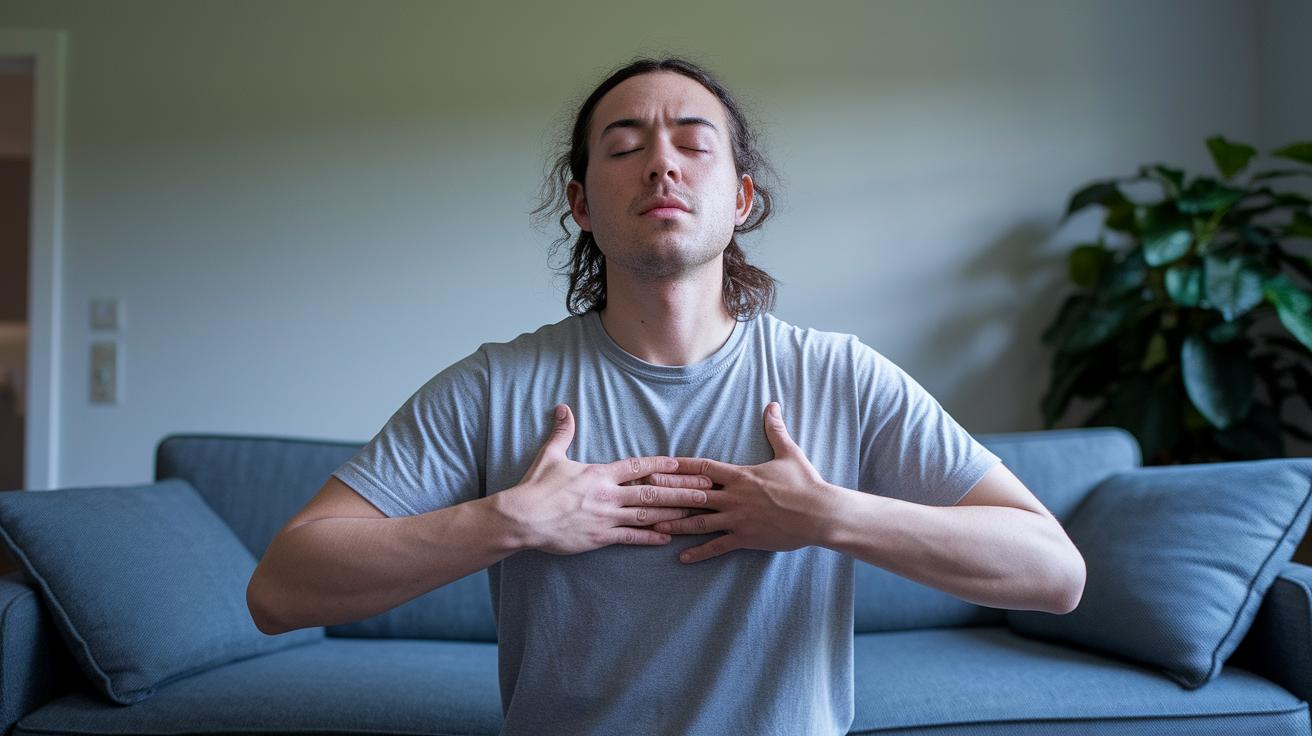
Quick Take: Try these simple steps to regain control when panic rises.
If you have any of these emergency signs, call emergency services now:
- Severe chest pain
- Trouble breathing
- Feeling faint or losing consciousness
When panic starts to build, these easy techniques may help you feel calmer and more in control until you can get extra support.
Breathing and Grounding Techniques
Try belly breathing (diaphragmatic breathing). Sit or lie in a comfy spot. Place one hand on your chest and the other on your stomach. Breathe in slowly through your nose for 4 seconds until your stomach rises. Hold your breath for 4 seconds. Then exhale slowly through your mouth for 6 seconds. Repeat these steps several times.
You can also use the 5-4-3-2-1 grounding method:
- Notice 5 things you can see.
- Identify 4 things you can feel.
- Listen for 3 sounds.
- Recognize 2 different smells.
- Acknowledge 1 taste.
This method helps bring you back to the present moment and ease those overwhelming feelings.
Mindfulness and Cognitive Approaches
A few minutes of mindfulness each day can make a big difference. Focus on your breathing or notice your body sensations. You might want to set a timer to help you stay on track. Also, keep an eye on your thoughts. When you catch a negative or racing thought, write it down. Then try to flip it into something a bit kinder. For example, instead of saying, "This is too much," remind yourself, "I can handle this, and the feeling will pass." This simple change can lower the intensity of panic over time.
Professional Interventions and Medications
Sometimes, it helps to get support from a professional. Therapies like cognitive behavioral therapy (CBT) or exposure therapy offer tools to manage panic effectively. In some cases, a doctor might consider medications such as SSRIs (selective serotonin reuptake inhibitors) or benzodiazepines to help ease your symptoms. Combining these professional treatments with self-care strategies can give you a strong plan to handle panic attacks safely.
Final Words
In action, you now have a clear view of the panic attack symptom profile and its many angles. We covered key signs such as heart rate escalation, sweating distress signals, and emotional overload matrix. The guide outlined common triggers, diagnostic checkpoints, and when to seek urgent care. It also shared effective home-care and management methods that help you stay in control. Stay alert and practice these strategies to feel empowered and calm during challenging moments. Your safety and peace of mind matter every step of the way.
FAQ
What is the difference between a panic attack and an anxiety attack?
A panic attack is a sudden surge of intense fear with rapid physical reactions, while an anxiety attack builds gradually with persistent worry and tension.
What are common panic attack symptoms in adults, particularly in women?
Common symptoms in adults, including women, feature rapid heart rate, heavy sweating, chest pain, shortness of breath, dizziness, trembling, racing thoughts, and a feeling of unreality.
How do mild and severe panic attack symptoms differ?
Mild symptoms include slight trembling, minimal chest discomfort, and a fast yet manageable heart rate, while severe symptoms involve intense fear, pronounced heart racing, heavy sweating, and significant physical distress.
What treatments help manage panic attacks?
Treatments like controlled breathing, grounding techniques, mindfulness, cognitive behavioral therapy, and sometimes prescribed medication help reduce panic intensity and restore control during an episode.
Are panic attacks dangerous and are they a normal experience?
Panic attacks are not physically harmful, but their intense nature is not a normal daily feeling. Frequent episodes signal the need for professional support to manage both physical symptoms and emotional stress.