


Quick take: Simple daily habits help keep your smile healthy.
If you have sharp tooth pain, swelling, or heavy bleeding, call your dentist right away.
Many of us trust that brushing, flossing, and rinsing are enough to preserve our smile. These easy steps work to stop decay (tooth damage) and fend off gum problems. In this checklist, you’ll find clear routines that truly make a difference.
• Brush your teeth twice a day.
• Floss once every day.
• Rinse with an antibacterial mouthwash.
Follow these habits to protect your teeth and gums. They can help you avoid painful dental visits down the road and give you more control over your oral health today.
Oral Health Checklist: Bright Smiles Ahead
A solid daily routine keeps decay at bay and helps your teeth and gums stay healthy. Brushing, flossing, and rinsing work together to remove food bits and plaque (a sticky buildup) that can cause cavities and gum trouble. These actions also protect your enamel (the hard outer layer) and keep your smile bright.
Morning Routine:
- Brush your teeth with a soft-bristle toothbrush and fluoride toothpaste. Cover every surface, especially the back molars and gumline. Brushing in the morning after breakfast helps clear away the sugars and acids from your meal.
- Floss once a day to reach the tight spots between your teeth. Flossing can remove up to 40% of plaque that brushing alone might miss.
- Rinse with an alcohol-free, fluoride mouthwash to kill extra bacteria and further strengthen your enamel.
Evening Routine:
- Brush your teeth again before bed, using the same careful technique you used in the morning.
- Floss to remove any food particles and plaque that built up during the day.
- Rinse with your alcohol-free, fluoride mouthwash, leaving your mouth feeling clean and refreshed.
Always take a moment to check your teeth and gums for any redness, swelling, or spots. Noticing these signs early can help you take action quickly. Also, remember to replace your toothbrush every 3–4 months or sooner if the bristles look worn out.
Stick to this checklist and enjoy the benefits of a healthy, bright smile.
Oral Health Checklist: Scheduling Professional Dental Examinations

Quick take: Regular checkups catch problems early and keep your mouth safe.
Triage Box:
• If you have severe tooth pain, swelling, bleeding, or trouble breathing, call emergency services now.
• If you experience ongoing pain or a broken tooth, seek same-day dental care.
• For routine care, keep a regular schedule to protect your smile.
Regular dental visits every 6 months help spot issues like cavities, gum disease (inflamed or infected gums), enamel wear, and even early signs of oral cancer. A full cleaning from a dental professional takes away plaque and tartar buildup that brushing at home might miss. If you have higher risks, like smoking or diabetes, your dentist might recommend visits every 3–4 months for extra care.
Here’s what to do:
- Fill out your paperwork to update your health details.
- Get dental X-rays so hidden problems (issues not seen during an exam) can be found.
- Have a professional cleaning to clear buildup in hard-to-reach areas.
- Talk with your dentist about the exam findings, next steps in prevention, and any questions you have.
Make sure your appointment schedule fits your personal risk factors to keep your teeth and gums continuously protected.
Oral Health Checklist: Choosing the Right Tools and Products
Using the right tools daily helps keep your teeth and gums healthy. Your enamel (the hard outer layer of your tooth) and gums stay protected when you use quality products. Replace your soft-bristle brush every 3-4 months to keep it clean and effective.
Soft-Bristle vs. Electric Toothbrushes
Soft-bristle (manual) brushes are gentle on your gums and enamel. They work well if you brush carefully and cover all parts of your mouth. Electric toothbrushes can remove up to 21% more plaque because they deliver steady, timed strokes. Choose the brush that fits your style and makes you feel comfortable.
Selecting Toothpaste and Mouthwash
Pick a toothpaste with fluoride and the ADA (American Dental Association) seal, which shows it meets high safety and effectiveness standards. Fluoride helps harden your enamel and fight cavities. If your teeth are sensitive, look for a gentle formula made for sensitive teeth. For a rinse, choose an alcohol-free mouthwash with fluoride. Alcohol-free mouthwashes are kinder to your mouth while helping to kill bacteria and keep decay at bay. Choosing the right products boosts your cleaning routine and helps you maintain a bright, healthy smile.
Oral Health Checklist: Advanced Preventive Care and Plaque Management
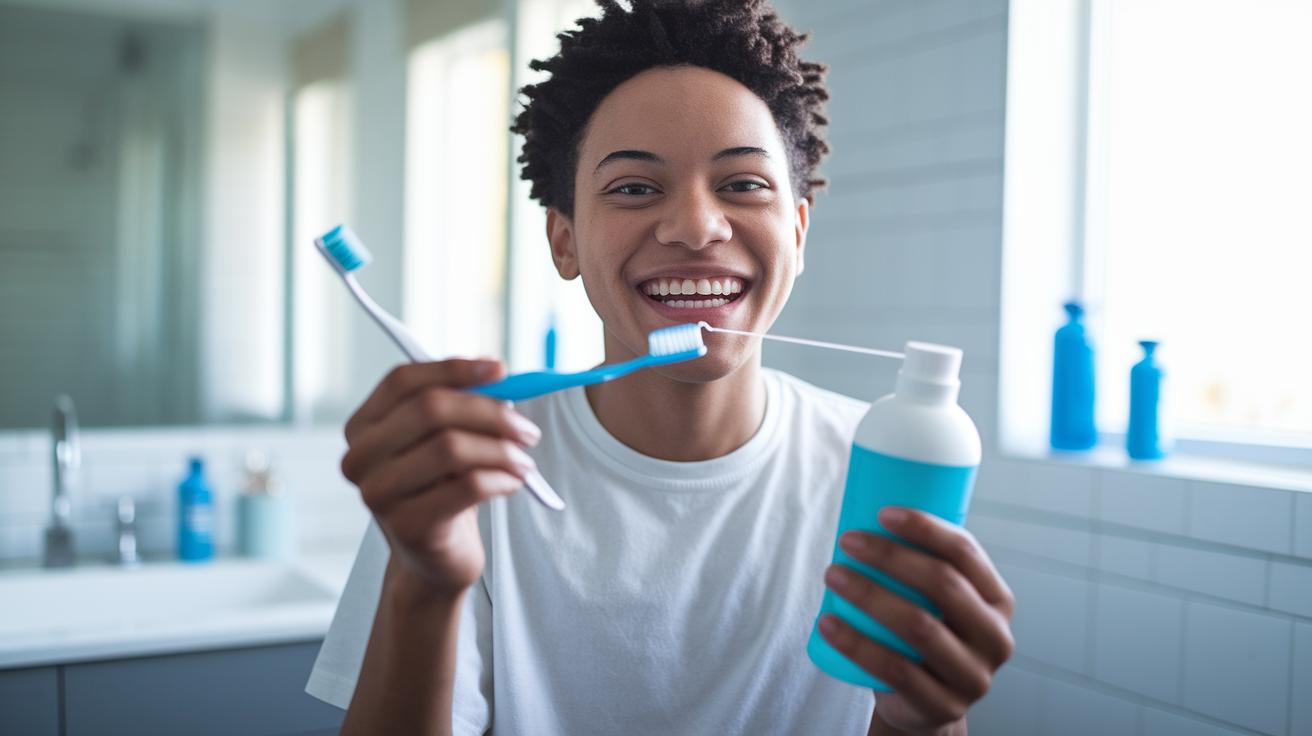
Quick take: Combining daily habits and regular dental visits helps keep plaque under control and your smile healthy.
If you notice any of these signs, please act now:
- Hardened plaque (tartar) that doesn’t go away – call your dentist.
- Persistent build-up in hard-to-reach areas – seek professional cleaning.
At-home steps:
• Use an antiseptic fluoride mouthwash to cut bacteria by about 50%.
• Brush gently and use tools like a dental pick to clean tricky spots.
• Remember, you can’t remove all tartar at home.
Professional care:
• Have your dentist apply a fluoride treatment 1–2 times per year to strengthen your enamel.
• Consider dental sealants on your molars, which can lower decay risk by around 80% by protecting grooves where food and bacteria settle.
Together, these steps give your teeth complete care and help prevent decay.
Oral Health Checklist: Nutrition and Lifestyle Tips for a Healthy Smile
Good daily choices help protect your teeth and gums. What you eat can make your enamel stronger and clear away plaque, while your habits lower your risk of decay and sensitivity.
• Choose calcium-rich foods like milk, cheese, leafy greens, and almonds to build strong enamel.
• Enjoy crunchy fruits and veggies, such as apples and carrots, which help naturally scrub your teeth as you chew.
• Chew sugar-free gum after meals to boost saliva flow (your mouth’s natural cleaner) and balance acids.
• Limit sugary and acidic drinks to cut your cavity risk by about 30%.
• Avoid tobacco and cut down on alcohol to protect your gums and lower the chance of oral cancer.
Try to eat slowly and chew well so your saliva works its magic. If your teeth are sensitive, use dental products made for gentle care or choose softer foods during flare-ups. Mixing a balanced diet with smart habits not only keeps your mouth healthy but also boosts your overall well-being.
Oral Health Checklist: Tracking and Self-Assessment for Teeth Health

Keep track of your daily oral care to catch issues early. Use a paper checklist or app to record your brushing, flossing, and rinsing routines. This simple log helps you see if your habits are steady or if any changes might need attention.
Record these details every day:
- The date and time you brush, floss, and rinse
- Any gum bleeding or soreness you feel
- Times when your teeth feel sensitive during eating or drinking
- Episodes of bad breath or unusual mouth odor
Review your log each week. If you see a pattern like frequent gum bleeding, it may be time to call your dentist for advice. This daily tracking can guide you in keeping your teeth and gums healthy.
Oral Health Checklist: Printable Monthly Cleaning Calendar and Checkpoint
This free calendar helps you keep your teeth care on track. Use it daily to mark off brushing, flossing, and rinsing so you never miss a step. Each week, remember to clean your toothbrush and check your gum health. Every month, update when you need a new toothbrush or to call your dentist. This tool makes it easy to watch your progress and adjust your routine for a stronger smile. Print it out, fill it in daily, and use it to boost your dental health.
| Task | Daily | Weekly | Monthly |
|---|---|---|---|
| Brushing | X | ||
| Flossing | X | ||
| Rinsing | X | ||
| Brush Replacement | X | ||
| Dentist Visit | X |
Final Words
In the action, this post covered everything you need for a complete oral care routine. It explained daily steps like brushing, flossing, and rinsing, and how to set up regular dental visits. The guide compared tool options and advanced plaque management while sharing nutrition tips that support a healthy smile. We also showed you how to track your progress with an easy printable calendar and simple self-assessment methods. Following this oral health checklist will keep your care routine organized and effective. Keep caring for your teeth and smile bright.
FAQ
What information do oral care nursing procedure, oral hygiene, and oral health definition PDFs provide?
The oral care nursing procedure, oral hygiene, and oral health definition PDFs outline step-by-step guidelines for proper patient oral care, detail daily cleaning routines, and define oral health to support safe, effective practices.
How are the steps of oral care in nursing organized?
The steps of oral care in nursing organize essential tasks like brushing, flossing, and rinsing, guiding nurses through a clear checklist to ensure patients receive comprehensive oral hygiene and care during treatment.
What is oral health?
Oral health means having a clean and disease-free mouth, including healthy teeth, gums, and tissues. It is maintained by regular cleaning, proper care, and professional dental check-ups to prevent decay and gum issues.
What oral health tips for adults can improve daily care?
Oral health tips for adults include brushing twice daily with fluoride toothpaste, flossing once daily to remove plaque, rinsing with a fluoride mouthwash, replacing your brush every 3–4 months, and scheduling routine dental visits.
How does oral health education benefit patient care?
Oral health education helps patients understand effective cleaning routines, recognize early signs of oral issues, and make informed decisions about preventive care, leading to better overall oral hygiene and health.
What does oral care for patients involve in practice?
Oral care for patients involves following a structured routine that includes brushing, flossing, rinsing, and regular assessments to maintain a healthy mouth, prevent decay, and reduce infection risk.