


Quick take: Small changes in your eating habits can make a big difference in your health.
If any of these concerns arise, call your clinician or seek advice:
• You feel unusually tired or lightheaded.
• Your meals lack a good mix of fruits, vegetables, or lean proteins.
This nutrition checklist is your mirror for healthy eating. It shows both your successes and the spots needing extra care. Even tweaking your meals a little can boost how you feel each day. By keeping track of servings, like fruits, vegetables, and lean proteins, you lay down a clear path to better health.
Essential Nutrition Health Checklist for Daily Assessment
This simple daily checklist helps you keep track of your eating habits and reach your nutrition goals. Use it each morning to see if you are getting the right balance of foods and to spot any areas that might need attention.
- Eat at least 1 serving of fresh fruit.
- Have 2 or more servings of vegetables.
- Include lean protein like chicken, fish, or tofu.
- Add a small portion of nuts or seeds for healthy fats.
- Cook with non-tropical oils like olive or canola oil.
- Choose whole grains instead of refined carbs.
- Watch your portions by using a simple visual plate guide.
- Drink enough water to stay well hydrated.
- Record your body mass index (BMI) to track changes.
- Make sure you get key vitamins and minerals.
Start your day by going over this checklist before planning your meals. It acts like a roadmap, showing where you’re doing well and where you might need to add more nutrition. If you notice you aren’t eating enough vegetables, for example, consider adding an extra serving at lunch or dinner. Checking off each item gives you a clear picture of your eating habits so you can make better choices every day.
Conducting a Nutrient Intake Analysis in Your Nutrition Health Checklist
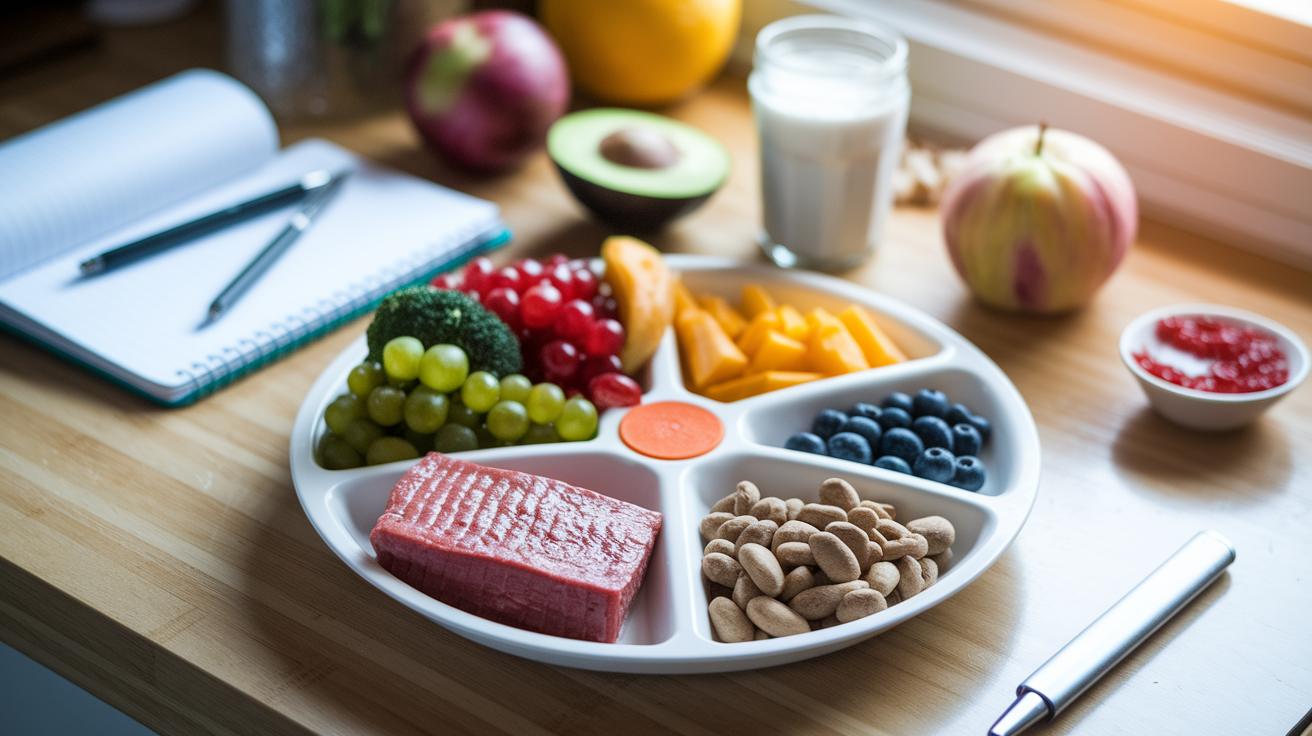
Quick take: Use this checklist to see if your meals give you the nutrients you need. It helps you notice if you're missing fruits, vegetables, lean proteins, nuts, seeds, and healthy oils.
Assessing Macronutrient Intake
Keep track of your protein, carbohydrate, and fat throughout the day. For protein, count servings from meat, beans, and dairy. For carbs, note servings of whole grains and starchy vegetables. This method shows the sources of energy fueling your body.
Make sure you have a good balance among these nutrients. You need enough protein to fix and build tissues and enough carbohydrates to keep you energized. An imbalance in one group may mean your meals are off track.
Monitoring Micronutrient Intake
Write down your intake of key vitamins like A, C, and D and minerals such as iron and calcium. This log makes it easier to spot any gaps that could lower your overall wellness.
Each evening, review your notes. Write a quick summary of your meals and mark any day lacking variety. This habit can help you make better food choices next time.
Food Group Adherence and Balanced Eating Measures in Nutrition Health Checklist
Food groups help you get the right mix of nutrients. Following these guidelines can make it easier to meet your nutrition goals and keep you feeling well. Use this checklist to see if you include enough fruits, vegetables, grains, proteins, and dairy or alternatives each day.
| Food Group | Recommended Daily Servings | Example Foods |
|---|---|---|
| Vegetables | 3-4 servings | Broccoli, spinach, carrots |
| Fruits | 2-3 servings | Apples, berries, oranges |
| Grains | 4-6 servings | Whole wheat bread, brown rice, oats |
| Protein Sources | 2-3 servings | Chicken, tofu, beans |
| Dairy/Alternatives | 2-3 servings | Milk, yogurt, fortified soy drink |
Take a moment each day to check your food choices. Mix things up by switching between different fruits, vegetables, grains, proteins, and dairy items to keep your meals interesting and balanced.
Calorie Tracking Protocol and Macro Micro Ratio Audit in Nutrition Health Checklist

Quick take: Set your calorie goal based on your unique needs and adjust your meals for balanced energy.
Start by choosing a daily calorie goal that fits who you are. Look at your age, sex, and activity level. More activity means you need more calories; if you’re less active, you need fewer. This plan helps you keep your energy balanced and guides you in choosing the right foods.
Next, check your macro ratios to keep your meals well-balanced. Aim for carbohydrates to make up 45–65% of your calories, fats 20–35%, and protein 10–35%. Track your meals by noting how much whole grain, lean protein, and healthy fats you eat. If needed, swap starchy foods for extra vegetables or lean protein to match these ranges.
Finally, run a simple check to see how your plan feels for you. Notice if you feel tired or too energized after eating. Record these feelings so you can adjust your calorie intake and macro mix until you feel just right for your daily activities.
Vitamin and Mineral Review with Deficiency Risk Screening in Nutrition Health Checklist
Quick take: Regular checks of your vitamins and minerals help you catch diet gaps early and support overall wellness.
Triage:
- Red flags: If you feel unusually tired, notice weak bones, or see unexpected bruising, call your healthcare provider.
- Next steps: Track your daily vitamin and mineral servings.
- Self-care: Adjust your diet if you spot trends of low intake over several days.
Regular vitamin and mineral reviews help you see where your diet might be falling short. They play a big role in keeping your bones strong, your blood healthy, and your body overall well balanced.
Common Vitamin Checks:
Keep an eye on vitamin D, vitamin C, and folate. Vitamin D (from sunlight and foods like fatty fish) helps build strong bones. Vitamin C (found in citrus fruits and peppers) boosts your immune system. Folate (present in leafy greens or fortified grains) is key for good cell growth.
- Log your servings each day.
- Look at your records to spot days when your intake is low.
- Use these notes to adjust your meals easily.
Mineral Assessment:
Watch your intake of minerals such as iron, calcium, and magnesium. Iron is important for energy, calcium builds strong bones, and magnesium helps your muscles and nerves work well.
- Record what you eat to see your mineral trends.
- If you find consistent gaps or feel unsure, talk to your healthcare provider about your results and whether you might need a
Nutrition health checklist: Elevate Your Wellness
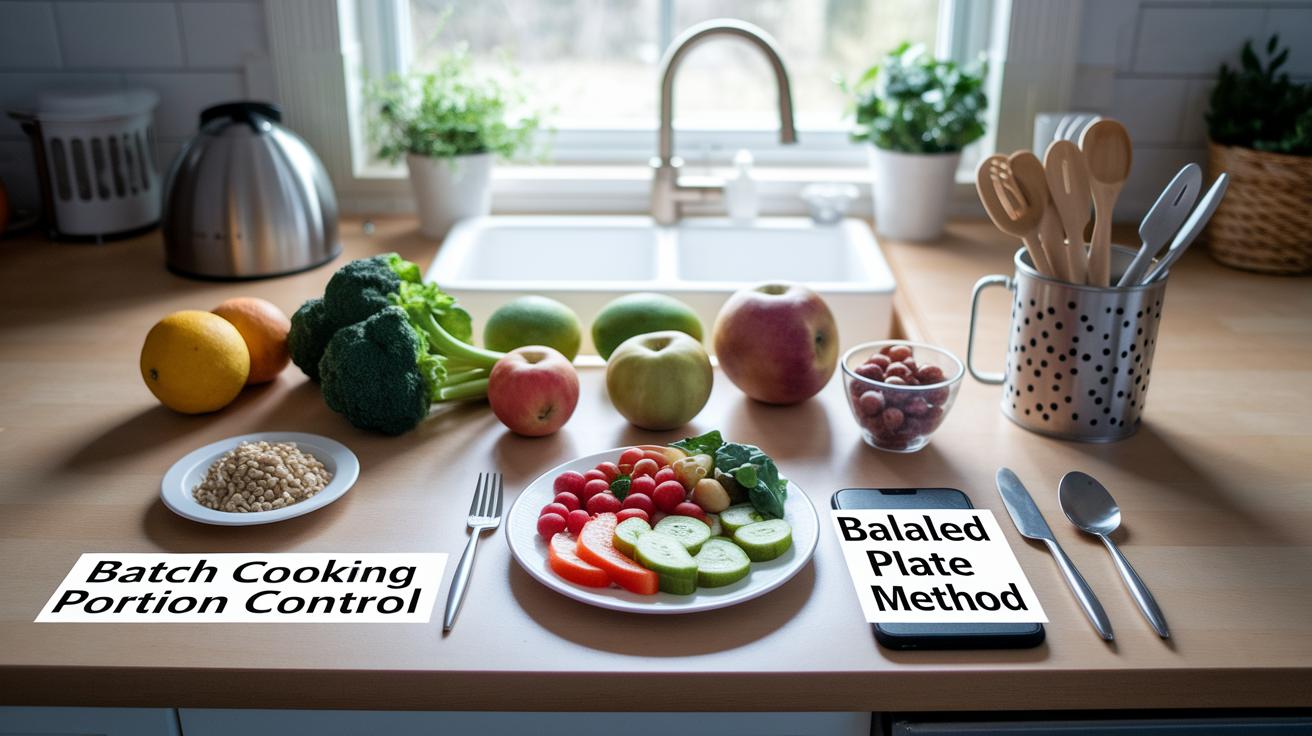
Quick take: A simple meal plan can set you up for healthy eating and cut down on fast-food choices.
Meal planning is a smart way to boost your wellness. When you plan ahead, you decide to eat healthy foods every day. This can help you steer clear of fast-food runs and enjoy home-cooked meals made with fresh ingredients instead of processed ones.
Three key meal planning tips are:
- Batch cooking: Prepare several meals at once to save time and lower stress on busy days.
- Portion control: Measure your servings to prevent overeating.
- Balanced plate method: Divide your plate into sections for vegetables, proteins (like meat or beans), and whole grains. For example, roast a large batch of vegetables and lean protein to split into meals for the week.
Make a weekly meal improvement plan with clear steps. Try these ideas:
- Swap refined carbs (like white bread) for whole grains.
- Add one extra serving of vegetables at each meal.
- Experiment with new recipes that mix different food groups.
Track how you feel each day. Note your energy levels and any changes in your mood. Adjust your plan every week based on what works best for you. Stick with your nutrition checklist to build lasting, healthy habits.
Final Words
In the action, this guide broke down how to use a nutrition health checklist to track your eating habits. You saw how to check your meals, look at food groups, set calorie goals, and review vitamins and minerals. Each section gives clear steps and simple tips that you can add to your daily routine. The plan empowers you to track, adjust, and improve your eating habits. Keep testing your diet, and enjoy the journey to better health.
FAQ
How can I access the Nutrition Screening Initiative (NSI) checklist and its PDF version?
The question about the NSI checklist means it is a clinical tool that helps assess your nutritional health. You can find this tool as a downloadable PDF in multiple languages for a quick daily review.
What does the 10 10 5 rule for nutrition signify?
The 10 10 5 rule for nutrition means an informal guideline that may suggest targets for balanced eating. Since it isn’t a widely recognized standard, it’s best to consult a nutrition professional for personalized advice.
What are 10 guidelines for good nutrition?
The question about 10 guidelines for good nutrition means following practices like balanced meals, regular eating patterns, proper hydration, consuming whole foods, and limiting processed items to support overall health.
What are the 7 components of nutrition?
The question regarding the 7 components of nutrition means focusing on key areas such as macronutrients (protein, carbohydrates, fats), micronutrients (vitamins, minerals), water, fiber, and overall diet quality to help build a balanced diet.
What are 10 signs of poor nutrition?
The question about 10 signs of poor nutrition means noticing symptoms such as fatigue, weakened immunity, brittle nails, hair loss, dry skin, poor concentration, unexpected weight change, digestive issues, muscle weakness, and slow wound healing.