
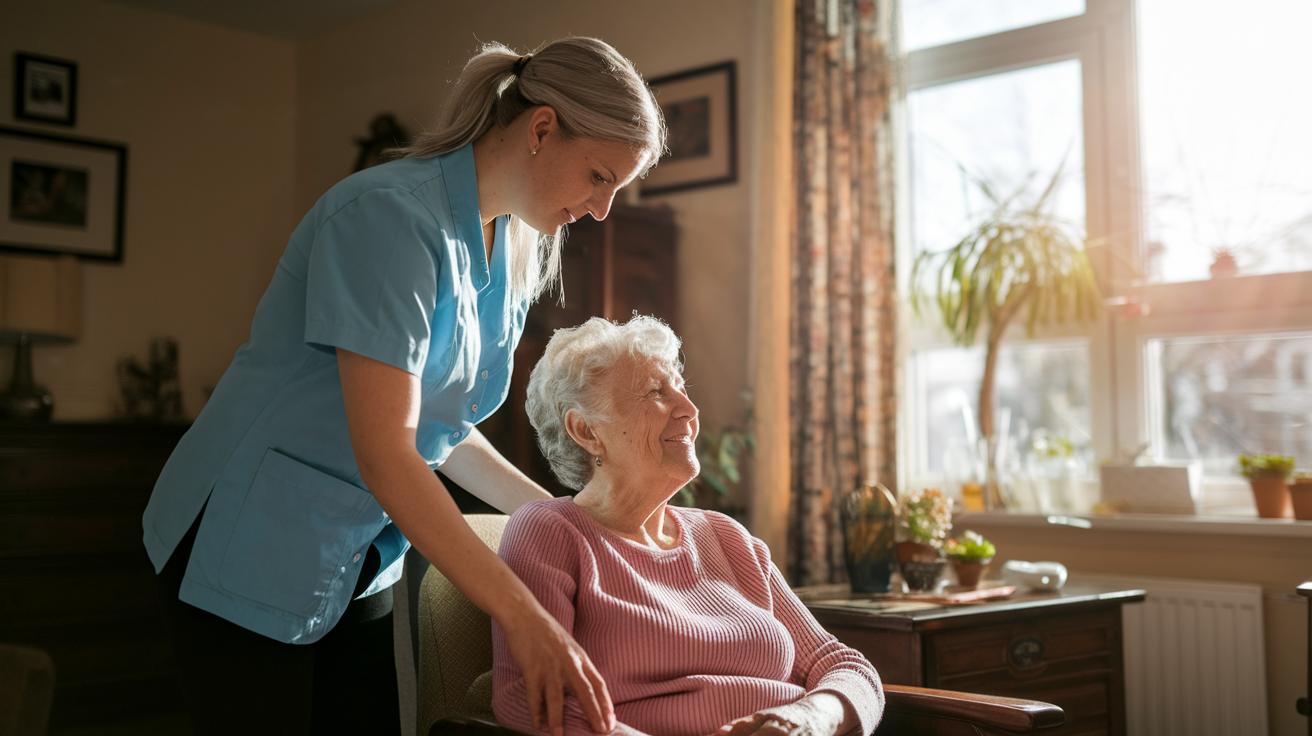

Quick take: Non-medical home care brings caring, everyday help right to your doorstep.
Imagine staying in the home you love while getting support from kind, trained caregivers. They can help you with bathing, dressing, meal prep, and light cleaning so you can keep doing what matters without the stress of major changes. With non-medical home care, you stay safe, comfortable, and independent. Discover how this friendly, flexible support can make your day-to-day life easier.
non medical home care: Caring support at home
Quick take: Non medical home care gives you everyday help at home so you can remain safe, comfortable, and independent.
If you have any health emergencies or sudden changes in condition, call emergency services now.
Non medical home care means you receive assistance with daily tasks from caring professionals like caregivers, nursing assistants, or home health aides. They help you bathe, dress, do light housekeeping, prepare meals, and remind you about medications. They do not perform clinical or medical procedures.
Often called assisted living, transitional care, or private duty care, this support helps you stick to your usual routines and keeps you in a familiar setting. It reduces the stress that moving to a new environment can cause.
Key benefits include:
- Getting friendly help with personal care tasks
- Enjoying support with meal planning and light housekeeping
- Receiving medication reminders and scheduling help
- Keeping daily routines to boost independence
This type of care is a gentle, non-medical way to improve quality of life without needing a doctor’s order. It focuses on keeping you comfortable and independent at home.
Core Services Offered by Non-Medical Home Care

Non-medical home care helps you live safely and comfortably at home. It offers key services that let older adults and other clients stay independent while reducing injury risks. For example, when Mark struggled to cook after a fall, his caregiver set up a week of ready-to-eat, healthy meals.
You can get help with daily care like bathing, dressing, and simple exercises. This support is crucial because over 26% of adults older than 60 find tasks such as bathing and dressing challenging.
Caregivers also promote a healthy lifestyle by providing:
- Help with bathing, dressing, and guided exercise
- Meal planning and preparation that meets specific dietary needs
- Light housekeeping to keep your home safe and organized
- Regular check-ups to spot tiredness or changes in how you move
They also assist with medication management by scheduling and reminding you when to take your pills, which helps avoid missed doses or mistakes.
In addition, non-medical home care can include:
- Safe transportation to appointments and errands so you can travel without worry
- Pet care support that helps keep your routine and lifts your mood
- Personalized companionship that offers a listening ear and encourages you to enjoy your interests
Together, these services help lower the risk of falls, which affect more than one in four older adults each year, and support a dignified, independent life at home.
Qualifications and Training for Non-Medical Caregivers
You don’t need a medical degree to work as a non-medical caregiver like a CNA or HHA. Instead, you receive focused training, pass tests, and undergo background checks so you can help with everyday tasks safely. In personal care assistant courses, you learn the safe way to move people, proper hygiene, basic nutrition, and how to handle emergencies. One caregiver even shared, "Lift with your legs, not your back," a tip that can truly save a life.
Agencies must follow strict state licensing rules and safety standards. They use regular performance reviews and safety checks to make sure every caregiver follows proper techniques during personal care. This ongoing assessment keeps care quality high and safe for everyone.
Even family members can become certified caregivers through streamlined training that focuses on essential skills. This lets loved ones care for each other while meeting the required safety standards.
Cost Structure and Funding Options for Non-Medical Home Care

Non-medical home care usually means paying out-of-pocket. You typically pay either by the hour when you need help for a few hours a day or by a live-in fee when you need round-the-clock support. Costs depend on where you live and the type of care you need, so prices can vary a lot.
Private funds are the main way to pay for this care. Some long-term care insurance can help reduce your costs, and veterans may get benefits to offset expenses, although these often have limits. A few family-focused plans can also lessen the financial load during unexpected times.
Medicare and managed care plans usually do not cover non-medical services like meal preparation, housekeeping, or companionship, as they focus on medical care provided by licensed professionals. Some insurance plans offer limited respite care, about 80 hours a year, to give family caregivers a break.
Plan ahead by assessing your needs and checking your insurance or benefit options to see if any non-medical support costs might be covered.
Selecting and Vetting Reputable Non-Medical Home Care Providers
Quick take: Pick agencies known for clear licensing, good reviews, and strong care policies.
Start by looking up local agencies with a solid reputation and confirmed state licenses. Check online reviews and ask your healthcare provider or social worker for suggestions. This helps you focus on agencies that are known for reliable care.
When you speak with potential providers, ask about these key points:
- Verify caregiver background checks and certifications.
- Confirm clear emergency plans and backup staffing.
- Check that scheduling is flexible and care is consistent.
- Review how they gather references and measure client satisfaction.
- Request their written policies on privacy and insurance coverage.
Ask questions like, "How do you verify caregiver credentials?" and "What is your backup plan if a caregiver is unavailable?" Also, ask to see a compliance checklist that shows their state licensing, ongoing training programs, and regular performance reviews.
These steps help you choose a trusted provider for easy, safe, and reliable non-medical home care for your loved ones.
Non-Medical vs Medical Home Care: Key Differences
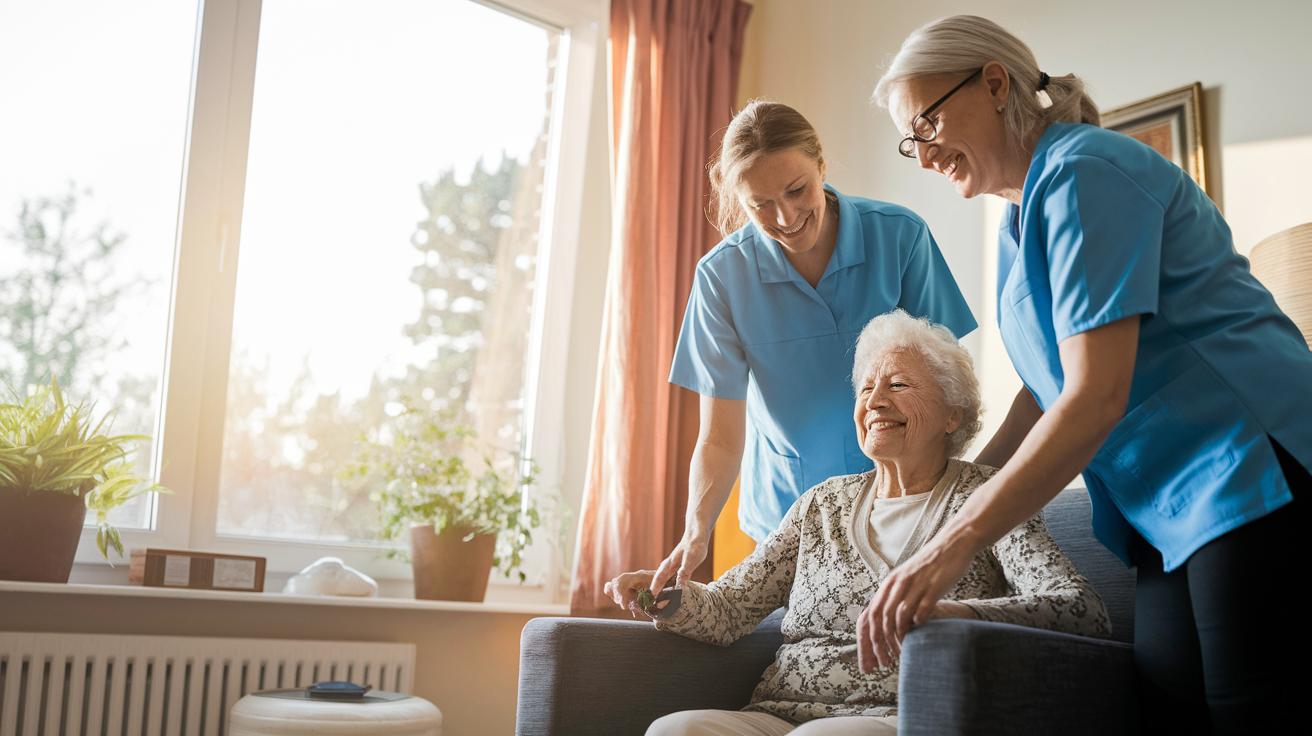
Quick take: Non-medical home care helps you with daily activities and long-term comfort, while medical home care is for short-term recovery under a doctor’s order.
Non-medical home care gives you a hand with everyday tasks. You get help with bathing, dressing, meal planning, housekeeping, and having a friend by your side. This type of care does not include clinical work (like giving medicine or caring for wounds). It is meant to keep you safe and comfortable over the long run.
Medical home care is different. It starts with a doctor’s order and is provided by licensed nurses, therapists, and other healthcare experts. They perform clinical tasks such as giving medications, caring for wounds, or offering physical therapy. This care is usually short-term and helps you recover after a hospital stay or an injury.
Funding also works differently. Non-medical home care is often paid out-of-pocket, through private insurance, or even veteran benefits. Medical home care is usually covered by Medicare, Medicaid, or managed care plans.
If you need help to live on your own over a longer time, non-medical home care is the better option, while medical home care is best for brief recovery periods.
Client Testimonials and Benefits of Non-Medical Home Care
One client recently shared how non-medical home care helped them after surgery. They received daily support with meal prep, cleaning, and organizing their home. This steady assistance became key to their comfort and healing, letting them focus on getting better in a calm, tidy space.
They also appreciated help with pet care. Keeping their pet cared for helped keep their routine steady, reduced worry, and boosted their mood. Research shows that more than 50% of adults over 50 feel happier when they care for a pet.
Regular visits from caregivers also helped rebuild the client’s confidence. Frequent check-ins improved their mood and cut down feelings of loneliness. The caregivers even kept an eye out for small changes, like extra tiredness or changes in how the client moved, so family members could be alerted if more help was needed.
Final Words
In the action, this guide explored non medical home care services that help with daily tasks, companionship, and home maintenance. It explained caregiver training, funding options, and differences from medical home care to give you a clear picture of available support.
We detailed how to evaluate providers and shared real client benefits. These insights empower you to decide safely and choose the right care to boost independence and quality of life.
FAQ
Non medical home health startup business package
The non medical home health startup business package includes a detailed business plan, licensing steps, startup costs, and operational guidelines. It helps new entrepreneurs launch quality non‐clinical home care services.
Non medical Home Care jobs
Non medical home care jobs refer to roles such as caregivers, aides, and companions who help with daily living tasks at home without providing clinical treatments, allowing clients to age in place safely.
Non medical home care near me
Looking for non medical home care near you means finding local providers or agencies that offer daily living support, personal care, meal preparation, and housekeeping services in the client’s home.
Non medical home care agency
A non medical home care agency is an organization that provides personalized care services like cleaning, meal prep, and companionship to support clients in their homes without offering clinical medical treatments.
License requirements for non medical home care
License requirements for non medical home care vary by state but usually involve meeting compliance standards, completing caregiver training, and undergoing background checks to ensure safety and quality services.
Non Medical Caregiver salary
The non medical caregiver salary is the wage paid to those assisting with daily activities such as bathing, dressing, and housekeeping. Earnings depend on experience, location, and the employing agency’s standards.
What insurance covers in-home care
Insurance coverage for in-home care depends on your policy. Long-term care insurance and certain veteran benefits may help cover non-clinical services, while Medicare generally covers only medical home health care with a doctor’s order.
How to start a Non medical home care business
To start a non medical home care business, develop a solid business plan, secure necessary state licenses, set up caregiver training protocols, and outline service offerings with clear pricing models for non-clinical support.
What is a non‐medical caregiver?
A non‐medical caregiver assists clients with daily living tasks like personal care, housekeeping, and companionship. They do not offer clinical treatments, ensuring the client remains comfortable and safe in their home.
How much do non‐medical home care companies make?
Non‐medical home care companies earn income through hourly and live‐in care services. Revenue varies by geographic area, service range, client volume, and pricing models, reflecting local market demands and operational costs.
Does Medicare pay for any inhome care?
Medicare generally covers only medical home health care that requires a doctor’s prescription. It does not pay for non‐medical in‐home care services such as assistance with personal care or housekeeping.
Does Ohio require a license for non‐medical home care?
In Ohio, non‐medical home care agencies may need to be licensed by the state. Licensing typically involves meeting background checks, training requirements, and compliance regulations to ensure the agency offers safe, reliable care.