


Quick take: Some people notice mild symptoms after eating MSG, but these signs usually aren’t dangerous.
Triage Box:
• Severe headache or unusual, strong symptoms? Call emergency services.
• Worry if symptoms get worse? Get same-day advice from your clinician.
• If you have only mild signs, track them and see if they clear up on their own.
You might feel a headache or tingling in your face after eating foods with MSG. Many people feel uneasy when these signs appear. This guide explains what may be happening, clears up common myths, and offers simple tips to help you decide when to act. Knowing what to look for can keep you calm and help you make smart choices about your meals.
MSG Symptom Complex: Clear Facts Inspire Calm
Quick Take: MSG symptoms are uncommon and usually mild. If your symptoms become severe, act fast.
Triage Box:
If you experience any of these severe signs, call emergency services now:
- Trouble breathing
- Swelling of your face or tongue
- Severe rash or difficulty swallowing
If your symptoms are mild, such as a headache or a tingling or burning feeling on your face or neck, note the details and talk to your doctor if they worsen.
What It Is:
MSG symptom complex is a group of symptoms that some people notice after eating foods with MSG (monosodium glutamate). These signs often include headaches, flushing, and a tingling or burning sensation around the face and neck. They usually start within 2 hours after you eat.
Why It Happens:
MSG is a flavor enhancer that is 78% glutamate, 12% sodium, and 10% water. It was first discovered in 1908, and it has been used in food since 1909. Most people only have mild symptoms, but the reaction can vary from one person to another.
Rare Cases:
There have been very rare reports of a true allergic reaction. One case involved tongue swelling and was confirmed with skin-prick and oral tests. These instances are extremely uncommon.
What to Do:
- Watch for symptoms after eating dishes with MSG.
- Write down what you ate, when your symptoms started, and how you feel.
- Remember that MSG sensitivity is not a classic allergy, so you are not facing an immediate allergic reaction.
- Share your notes with your healthcare provider if you find a pattern or if your symptoms get worse.
Composition and Common Dietary Sources of MSG

MSG (monosodium glutamate) is a flavor booster made up of 78% glutamate (a natural amino acid that enhances savory taste), 12% sodium, and 10% water. It has been commercially produced since 1909, and products containing MSG will include its name on the label.
You can find natural MSG in foods like tomatoes, Parmesan cheese, seaweed, and even in fermented items like soy sauce. MSG is also added during processing to boost flavor in canned soups, processed meats, snack foods, and many fast-food dishes, especially in Asian cuisine. Knowing these sources can help you make informed choices about your diet.
| Natural Sources | Common Added Sources |
|---|---|
| Tomatoes | Canned soups |
| Parmesan cheese | Processed meats |
| Seaweed & Fermented soy sauce | Snack foods & Fast-food dishes |
Understanding where MSG comes from can help you read labels and manage your dietary choices.
Clinical Presentation and Symptom Timeline
Quick take: MSG reactions can pop up fast, usually within 2 hours, and sometimes need urgent care.
Triage Box – Call emergency services now if you have any of these:
- Severe chest pressure
- Very fast or irregular heartbeats
- Extreme dizziness or feeling faint
MSG can affect both your nerves and stomach. Many people notice symptoms within 2 hours after eating foods with MSG. Even though it is not a true allergy but a reaction (non-IgE food intolerance), it can still cause many uncomfortable signs.
Here are 8 key symptoms you might feel:
- Headache
- Flushing (skin turning red)
- Tingling or burning in the face or neck
- Sweating
- Palpitations (fast or irregular heartbeats)
- Chest pressure
- Nausea or upset stomach
- Dizziness
In your digestive system, MSG can boost stomach acid and speed up how fast food leaves your stomach. This may lead to more nausea or tummy discomfort. It can even cause early signs of agitation or trigger a migraine, making you feel extra uneasy.
Remember, the strength of these symptoms can vary. You might only get a mild headache that goes away in an hour, or you could face chest pressure with severe nausea and migraine-like pain. Noticing how quickly these symptoms show up and what exactly you feel can help you figure out if MSG might be the cause.
Physiological Mechanisms Behind MSG Reactions
Digestive and Gut Effects
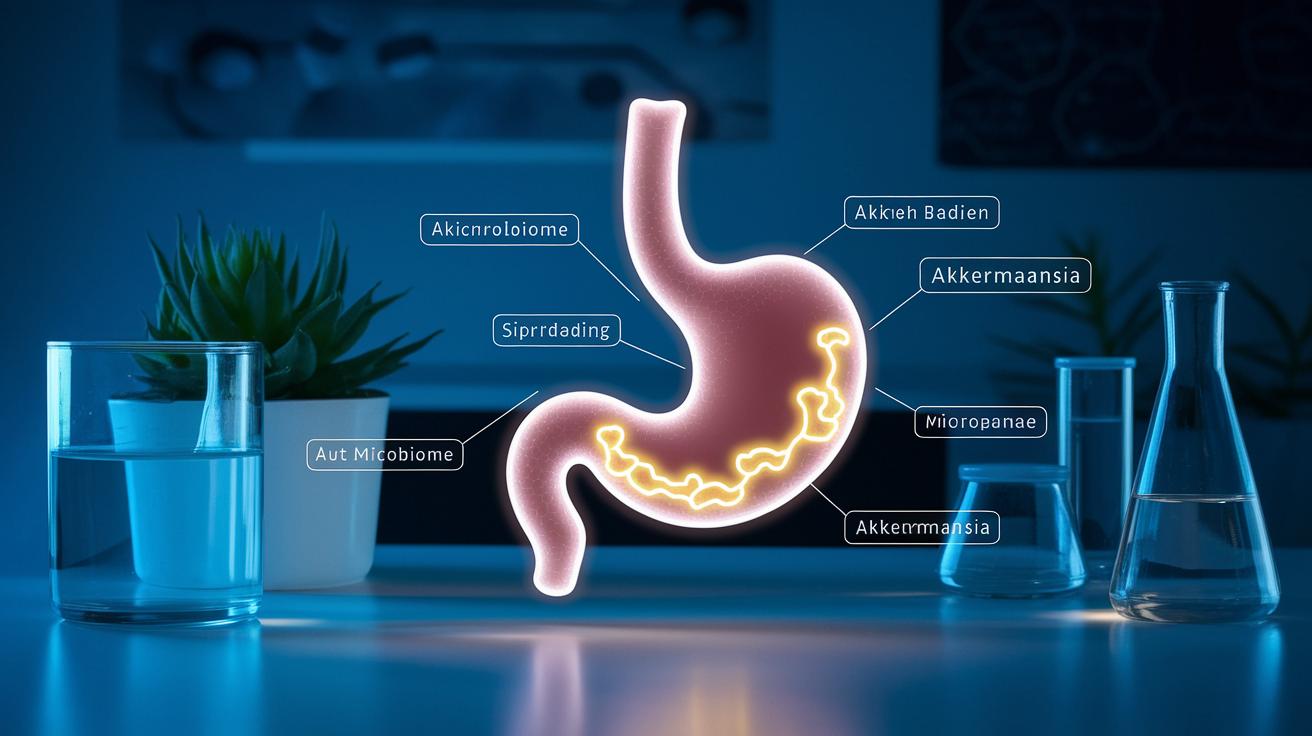
When you eat MSG, your stomach may produce extra acid. That extra acid can irritate your stomach lining and speed up how fast food leaves your stomach, which may cause discomfort. At the same time, MSG can change the mix of bacteria in your gut. It favors some types over others and cuts down on good bacteria like Akkermansia. It also lowers proteins such as ZO-1 (which help keep your gut barrier strong) and reduces natural antimicrobial peptides. When this barrier is weakened, substances that should stay in your gut might leak into your blood and trigger a mild inflammatory response.
Neurological and Sensory Pathways
MSG can also affect your nerves. The glutamate in MSG can over-stimulate receptors on sensory nerves, sending strong signals to your brain. Some people may notice tingling, burning, headaches, or a fast heartbeat. This nerve stimulation might also disturb your body’s automatic controls, such as heart rate and sweating. These changes can release substances that cause mild inflammation. The overall reaction is different from person to person and usually goes away quickly.
Diagnostic Approaches and Differentiation
Quick take: If you suspect MSG might be behind your symptoms, tracking your meals and symptoms can help your doctor pinpoint the cause.
Your doctor will first ask what you ate during the two hours before you felt sick. They need to know your recent meals to see if MSG is the trigger. Keeping a detailed journal can guide this process. Write down the date, time, what you ate, and any symptoms you felt. This can show links between MSG and your discomfort.
Key steps in diagnosing MSG sensitivity:
- Write down every meal and note when your symptoms begin.
- Try an elimination diet by steering clear of foods that contain MSG.
- Reintroduce MSG foods slowly in a controlled setting.
- Do an oral challenge test where you eat a small amount of MSG to see if symptoms come back.
- In rare cases, a skin-prick test or a supervised re-challenge may be used to rule out a true allergy (an IgE-mediated reaction which is different from MSG sensitivity).
These steps help your doctor decide if MSG is causing your issues. MSG sensitivity is a non-IgE reaction, so it usually does not lead to the dangerous responses seen in true food allergies. Because there are no laboratory tests for MSG sensitivity, the focus is on your history and carefully managed food challenges. This way, your doctor can give you safer advice about your diet.
Management Strategies and Home-Care Guidelines
Quick take: Avoiding high-MSG foods and making simple diet changes can help ease your symptoms.
If you have any of these emergency signs, trouble breathing, severe stomach pain, or sudden swelling, call emergency services now.
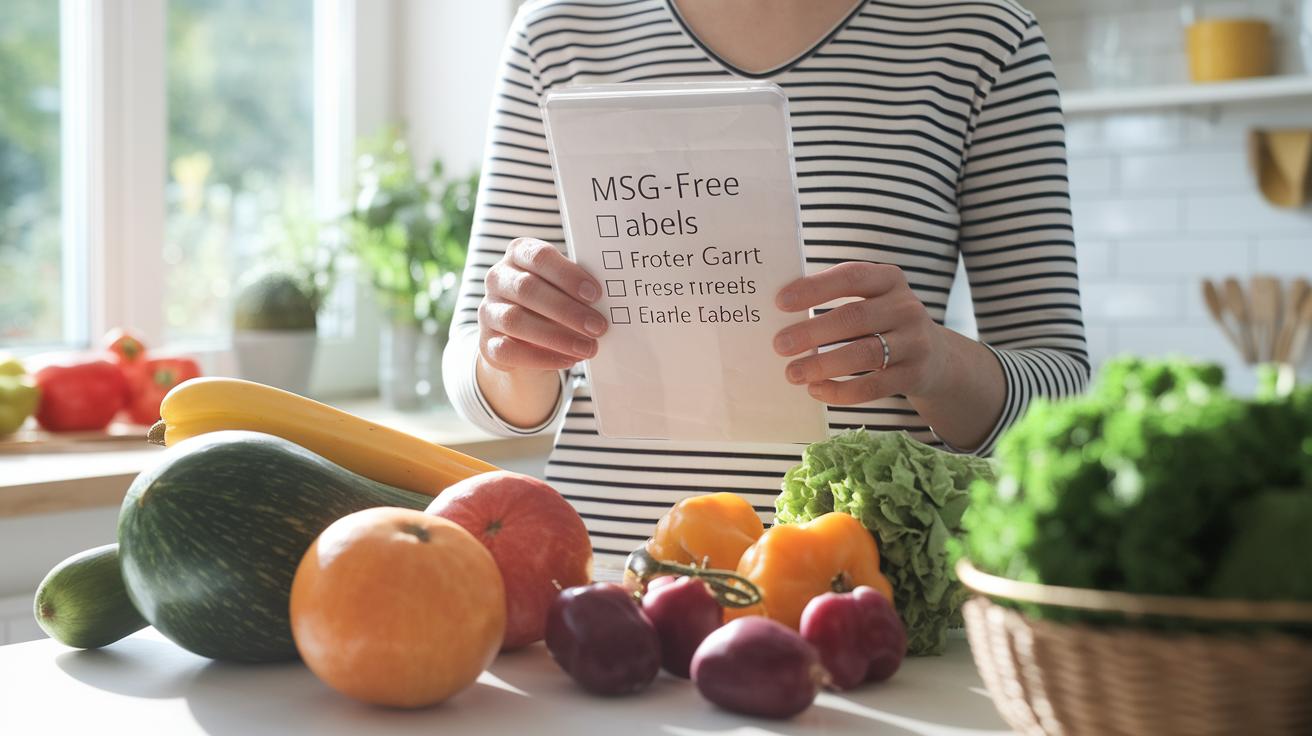
Common causes include hidden MSG in processed foods. Watch for the term monosodium glutamate on ingredient lists when you shop. That small detail can help steer you away from triggers.
Try these steps:
- Avoid processed items like canned soups, deli meats, and many fast-food dishes.
- Choose fresh, plain meals that naturally lower your MSG intake.
- Use herbs, garlic, or lemon juice to brighten your dishes without adding MSG.
Staying hydrated matters, too. Drink plenty of water during the day to flush out mild discomfort after meals. Keeping your meals simple may also help keep symptoms at bay.
Research shows vitamin B6 might help some people. One study had 8 out of 9 participants report fewer reactions when they took 50 mg daily for 12 weeks. If you consider vitamin B6, talk with your doctor to be sure it’s safe for you.
Keep a daily journal of your meals, water intake, and any discomfort you experience. This record can guide you and your doctor in spotting any food triggers.
These home-care adjustments offer a practical way to limit unpleasant MSG reactions and support your well-being.
Controversies, Regulatory Landscape, and Future Research
Quick take: Research shows MSG is safe when used in normal amounts, although some details need further study.
Triage:
- If you have severe allergic reactions after eating foods with MSG, seek medical help right away.
- If you notice mild symptoms, monitor them and talk with your doctor if they get worse.
Major reviews have not found proof that MSG causes serious allergic reactions or long-term health issues. The FDA and other agencies rate MSG as safe after many studies, meaning typical amounts are not shown to be harmful. However, some experts believe more research is needed. They call for tests using placebos to tell apart true body responses from ones caused by your mind.
Researchers also want to find biomarkers (signals in the body) that could show who might be more sensitive to MSG. Some think that future studies should look at genetic factors that might change how you react to MSG. They suggest using clear measures of your body’s automatic functions or inflammation to learn more about what some people call the MSG symptom complex. Because there is no standard test, it is hard for doctors to say for sure that MSG caused a reaction.
More research may lead to better ways to manage these reactions and improve food labels on products that include MSG. For now, current evidence supports that MSG is safe when used in normal foods.
Final Words
In the action, this article broke down the msg symptom complex, explaining its natural sources, added ingredients, and common symptoms such as headache, flushing, and nausea. We explored how the body reacts, diagnostic tips, and clear steps for home care and safe management.
We also reviewed controversies and future research avenues. Remember to track your symptoms and share key details with your healthcare provider. Stay proactive and positive as you manage your health safely.
FAQ
Q: What are the common side effects of high MSG intake, including sleep issues and hangover symptoms?
A: High MSG intake can produce side effects such as headache, flushing, tingling, nausea, and stomach cramps that sometimes disrupt sleep. These symptoms usually appear within two hours after eating.
Q: How does MSG sensitivity differ from an MSG allergy, and is MSG bad for you?
A: MSG sensitivity refers to a non-allergic food reaction marked by symptoms like tingling and flushing. It does not trigger a full immune response as a true allergy might, though some individuals experience severe discomfort.
Q: What does MSG intolerance or glutamate intolerance look like?
A: MSG intolerance typically presents as headache, flushing, stomach discomfort, and a burning or tingling sensation. These effects vary in intensity among individuals and usually show up within two hours after consuming MSG.
Q: How can I manage MSG-induced stomach cramps?
A: For MSG-related stomach cramps, drink water and opt for plain, unseasoned meals. Read labels to avoid high-MSG foods and speak with a healthcare provider if your discomfort continues.
Q: What is monosodium glutamate (MSG)?
A: Monosodium glutamate is a flavor enhancer naturally found in foods like tomatoes and cheese and is added to many processed and restaurant foods to intensify umami taste.
Q: Why does MSG sometimes make me feel weird?
A: Feeling off after consuming MSG is due to its effect on your nerves and digestion in sensitive individuals, leading to symptoms like tingling, flushing, or mild nausea.