
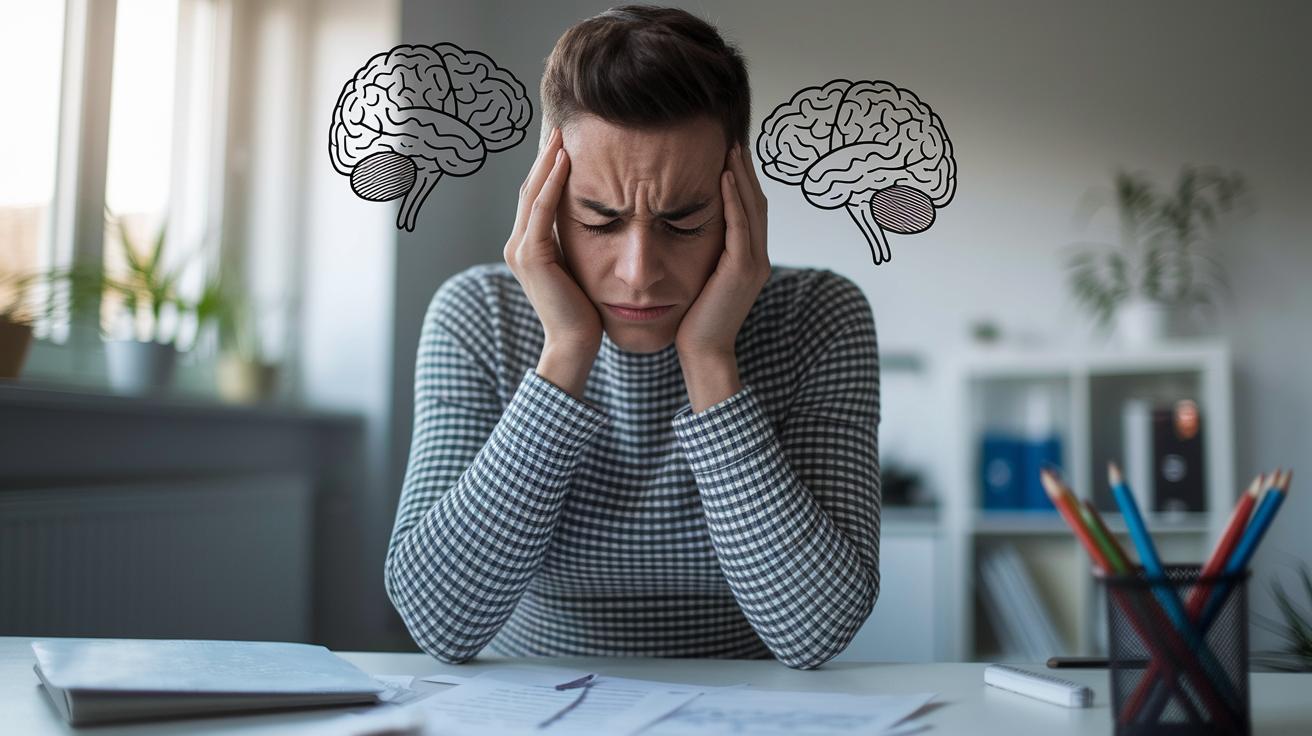

Quick take: Migraines bring heavy, pulsing pain along with nausea and light sensitivity that may need quick action.
If you have any of these signs, seek help now:
• Head pain that gets much worse fast
• Confusion or trouble speaking
• Weakness or numbness on one side
Migraines are more than just a normal headache. They cause a heavy, throbbing pain that can make you feel sick and very sensitive to light. Noticing these signs early helps you decide if it’s time to rest or see a doctor.
It might help to track your symptoms. Write down when the headache starts, how long it lasts, and what makes it better or worse. This simple log can guide you and your doctor in managing your migraine.
Remember, if your symptoms change suddenly or grow severe, don’t wait, seek care or call emergency services.
Identifying Migraine Symptoms: A Comprehensive Overview
Quick Take: Migraine can cause heavy, pulsing head pain along with nausea and sensitivity to light and sound. If you experience sudden, severe symptoms like confusion or weakness, call emergency services now.
Triage Steps:
- Red Flags:
- Sudden, extreme headache unlike any before
- Confusion or trouble speaking
- Weakness, loss of balance, or any signs of a stroke
- Urgent:
- Head pain lasting more than 72 hours or a change in your usual pattern
- Severe nausea with vomiting that prevents you from keeping fluids down
- Self-Care:
- Rest in a quiet, dim room
- Stay well hydrated
- Note the start time and any triggers to share with your clinician
Migraine usually shows up as a throbbing head pain that lasts from 4 to 72 hours. About 15% of Americans have these symptoms, and women get them about three times more than men. The pain often hits one side of the head but can move. Many people also feel dizzy, nauseous, or overwhelmed by bright lights and loud sounds.
Watch for these common signs:
- Pounding head pain that may shift sides
- Nausea, and sometimes vomiting
- Sensitivity to light (bright lights hurt your eyes)
- Sensitivity to sound (everyday noises feel too loud)
Keeping track of your symptoms can help you decide what to do next, like adjusting your routine, resting, or talking to a healthcare provider. If your symptoms change or grow worse, it’s a good idea to seek advice from a clinician.
Prodrome: Early Warning and Premonitory Signs of Migraine
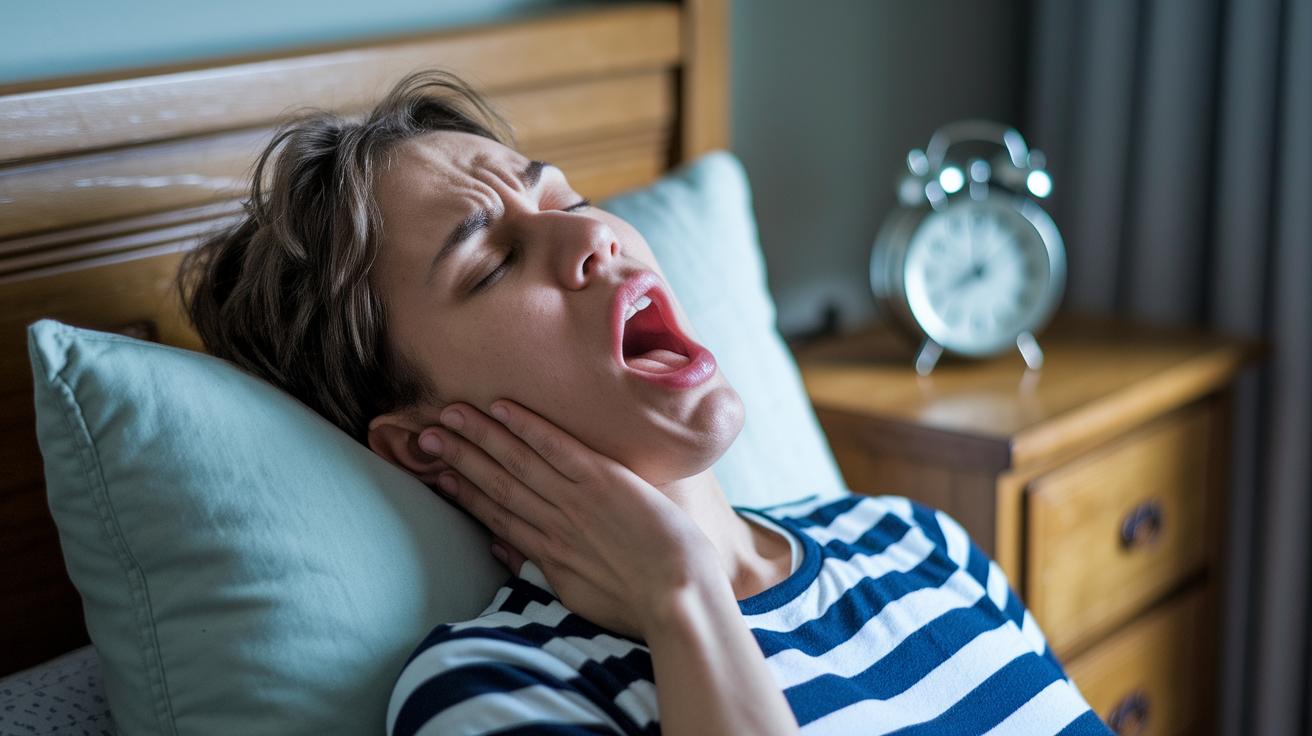
Quick take: Your body may send subtle signals hours or even days before a migraine begins.
If you start feeling unusually low or irritable, experience sudden tiredness, or notice you are yawning more than usual, these may be early alerts. Watch for signs like neck stiffness (tightness in your neck muscles), unplanned food cravings, or extra thirst. These hints are your body's way of trying to warn you, not the trigger itself.
Here are some key points to note:
- Feelings of being down or cranky
- Sudden fatigue and frequent yawning
- Neck stiffness
- Unexpected cravings or skipped meals
- Changes in sleep patterns (for example, little sleep one night and too much the next)
Track your symptoms by writing them down. Note what you feel, the strength of the feeling, and the time it happens. For example: "Felt very tired with lots of yawning around 2 PM; skipped lunch and felt extra thirsty."
Keep watching these early signals. Noticing them can help you adjust your routine, rest more, or increase your water intake before a full migraine develops. Remember, these signs might appear hours to days ahead of the main headache.
Aura Phase: Visual and Neurological Disturbances in Migraine
Quick take: Aura signs are common warnings before a migraine and usually go away on their own.
Triage Box:
- If you notice new or unusual visual changes that feel different from your usual migraine aura, seek urgent care.
- If your aura lasts longer than 60 minutes or you have trouble speaking, call emergency services.
- Otherwise, record your symptoms and keep an eye on how long they last.
About 20% of people with migraines notice an aura. This phase brings warning signs like flashing lights, zigzag lines, blind spots, or shimmering patches. Many people say, "I saw zigzag lines dance across my vision just before my headache began." These signs happen from 5 to 60 minutes before or during your headache.
Along with changes in vision, you might feel odd sensations in your body. You could have trouble speaking, feel a tingling in your arms or legs, or notice numbness in a limb. Some people even feel a strange spreading sensation on the scalp. Rarely, you might have these signs without a headache at all, a situation sometimes called "silent aura."
It helps to note when the aura starts and how long it lasts. Write down details like the type of visual changes and any other unusual feelings. This record can help you recognize patterns, adjust your routine, or seek advice on preventive measures before the headache becomes more severe.
Headache Phase: Pain Patterns and Sensory Sensitivities in Migraine

Quick take: A migraine may give you pounding pain and extra sensitivity to light and sound.
Triage box:
If you have any of these emergency signs, call emergency services now:
- Sudden, severe headache that feels different than your usual migraine.
- Confusion, slurred speech, or weakness.
- Trouble seeing clearly.
Urgent: If your pain or symptoms worsen quickly, seek same-day care.
Watch and Self-Manage: Rest in a dark, quiet room and track your symptoms.
A migraine headache can last from 4 to 72 hours. You may feel a strong, throbbing or pulsating pain. Often, the pain comes on one side of your head, although sometimes it can spread to both sides or the front. Many people describe the pain as pounding, often felt around the temples or in small areas on the scalp. For example, you might feel a sharp pressure near your left temple that makes even simple tasks hard.
Moving around or doing light activity can make your pain worse. Because of this, resting in a quiet, dark space is usually the best option during an attack.
You might also notice extra sensitivity during this phase. Normal indoor light can feel too bright, and everyday sounds may seem overwhelming. Even a gentle touch on your scalp might feel uncomfortable.
Other symptoms like nausea or even vomiting can happen if your pain gets more intense. These signs suggest your head is under stress from the migraine. Note down when the pain starts, where it hurts the most, and any extra sensitivities you experience.
Key points to track:
- Start and end times of your pain.
- Type of pain (throbbing, pulsating, or a sharp, localized pressure).
- Levels of light sensitivity (photophobia) and sound sensitivity (phonophobia).
- Occurrence of nausea or vomiting.
- Specific areas where the pain is strongest (like your temples or scalp).
Keeping a record can help you manage the current attack and give useful information to your clinician during follow-up visits.
migraine symptoms: Elevate Your Awareness
Quick take: Migraine symptoms go beyond head pain. They can affect your balance, stomach, and thinking, so tracking them is key.
Triage Box:
- Emergency: If you suddenly experience stroke-like signs (such as severe speech changes or loss of coordination), call 911 now.
- Urgent: If your dizziness or other symptoms worsen quickly or you have intense pain, seek care the same day.
- Self-care: Monitor and record your symptoms, then share these details with your clinician.
Migraines are more than severe head pain. You might feel dizzy, as if the room is spinning, or notice your balance is off. One person even described feeling like the floor shifted right before the headache started.
Your stomach may also be affected. Many find that nausea, vomiting, or unusual food cravings occur during a migraine attack. For instance, you might suddenly crave chocolate. These stomach issues are part of the overall picture, not always the trigger for the headache.
Some people also experience changes in how they think. Brain fog, memory lapses, or trouble finding the right words are common. Sometimes, speech changes or rare stroke-like signs may occur, which can be especially worrying.
Other areas like your jaw, neck, or sinuses might hurt too. One person explained that a tight feeling in their neck even spread to their jaw during an attack.
Keep a simple record of your symptoms. Write down when you feel dizzy, note any stomach discomfort, and mark the times when brain fog or speech troubles occur. This tracker can help you and your clinician better understand your migraine patterns and guide your next steps.
Postdrome and Interictal Phase: Lingering and Between-Attack Symptoms

Quick Take: After a migraine, you can feel tired and foggy even when the main pain has faded.
Triage Guidance:
• Red Flags: If you develop new neurological signs, like confusion, sudden weakness, or a return of severe headache, call emergency services now.
• Urgent: If these symptoms worsen or you are overly concerned, contact your clinician the same day.
• Self-Care: Track your symptoms and rest. Use this guide to know when to get help.
After a migraine, you might still feel off. You could feel drained, have a heavy head, or find it hard to concentrate. Some people say it feels like a migraine hangover. These feelings can last up to 24 hours after the attack ends.
Between episodes, you may also notice mild hints that remind you of what comes before a migraine. Simple signs like a bit of neck stiffness, slight mood shifts, or changes in your sleep pattern can show up. Even if you are not in real pain, your body might be getting ready for another episode.
Key points to track:
• Tiredness and head heaviness
• Mood changes or difficulty focusing
• Mild pain or sensory shifts that last up to 24 hours
• Subtle early signs like neck stiffness or different sleep patterns
Noticing these signals helps you understand whether you're still recovering or if a new migraine might be on its way.
Differential Diagnosis: Distinguishing Migraine Symptoms from Other Headaches
If you are a woman, your migraines may follow your menstrual cycle and often come with extra visual changes (aura). Men may have shorter but tougher attacks. These differences help show it might be a migraine.
Tension headaches cause a steady, dull pressure on both sides of your head. They usually do not come with light or sound sensitivity. Cluster headaches cause a sudden, very sharp pain near the eyes, but they do not last long.
Migraine pain usually follows clear steps. It often begins with mild warnings (prodrome), may include visual or other changes (aura), then moves to a painful phase, and finally ends with a tired or foggy phase (postdrome). Noticing triggers like food cravings or changes in sleep can be a big clue.
Some people have silent migraines. They might not feel the usual head pain but can see changes in their vision or mood. This shows that migraine signs can vary a lot.
Key points to track:
- Note if attacks are linked to your menstrual cycle.
- Record how long and how strong each headache is.
- Watch for steady pressure (tension headache) or fast, sharp pain near the eye (cluster headache).
Keeping track of these details over time helps your clinician tell if your headaches are migraines or something else.
Final Words
In the action, we broke down migraine symptoms across several phases, from early warning signs and aura disturbances to the headache and post-attack effects. We outlined what to watch for at each stage and highlighted key signals like nausea, light sensitivity, and throbbing pain.
This guide helps you understand trigger events and differentiate migraine symptoms from other headaches. Keep tracking your experiences and stay proactive in your care. Stay confident and take the next steps to manage your well-being.
FAQ
What migraine medicines and treatments are used for relief?
The migraine medicines and treatments include both over-the-counter and prescription drugs that help relieve head pain and reduce sensitivity. Clinicians also suggest rest, avoiding triggers, and sometimes preventive medications.
How do migraine symptoms in females differ?
The migraine symptoms in females often include additional aura or hormonal influences. Women can experience menstrual-related attacks and may have more visual disturbances compared to men.
What migraine symptoms affect the eyes?
The migraine symptoms in the eyes can involve visual auras such as flashing lights, zigzag lines, blind spots, or shimmering effects. These visual signs often occur before or during the headache phase.
How do migraine causes and symptom triggers work?
The migraine causes and symptom triggers usually involve neurological factors and various environmental factors like stress, sleep changes, certain foods, or dehydration that set off the migraine cycle.
What characterizes mild migraine symptoms?
Mild migraine symptoms typically include less intense head pain, slight light or sound sensitivity, and occasional nausea. These symptoms may improve with self-care measures, though tracking them is still important.
What are the 5 C’s of migraines?
The 5 C’s of migraines is a term used by some to summarize common features of migraine but is not widely defined in clinical guidelines. Discuss this concept with your clinician for a clear explanation.
What is the fastest way to stop a migraine?
The fastest way to stop a migraine often involves resting in a dark, quiet room and taking any prescribed or recommended over-the-counter medications promptly. Early intervention can help reduce the intensity and duration.
What are the 4 stages of a migraine?
The 4 stages of a migraine are prodrome (early warning), aura (visual or neurological disturbances), headache (painful phase), and postdrome (recovery phase). Not everyone experiences all stages every time.
What should you do if you have a migraine?
If you have a migraine, rest in a quiet, dark place, take your prescribed medications, and track your symptoms. If you notice any new or worsening signs, seek medical advice promptly.