
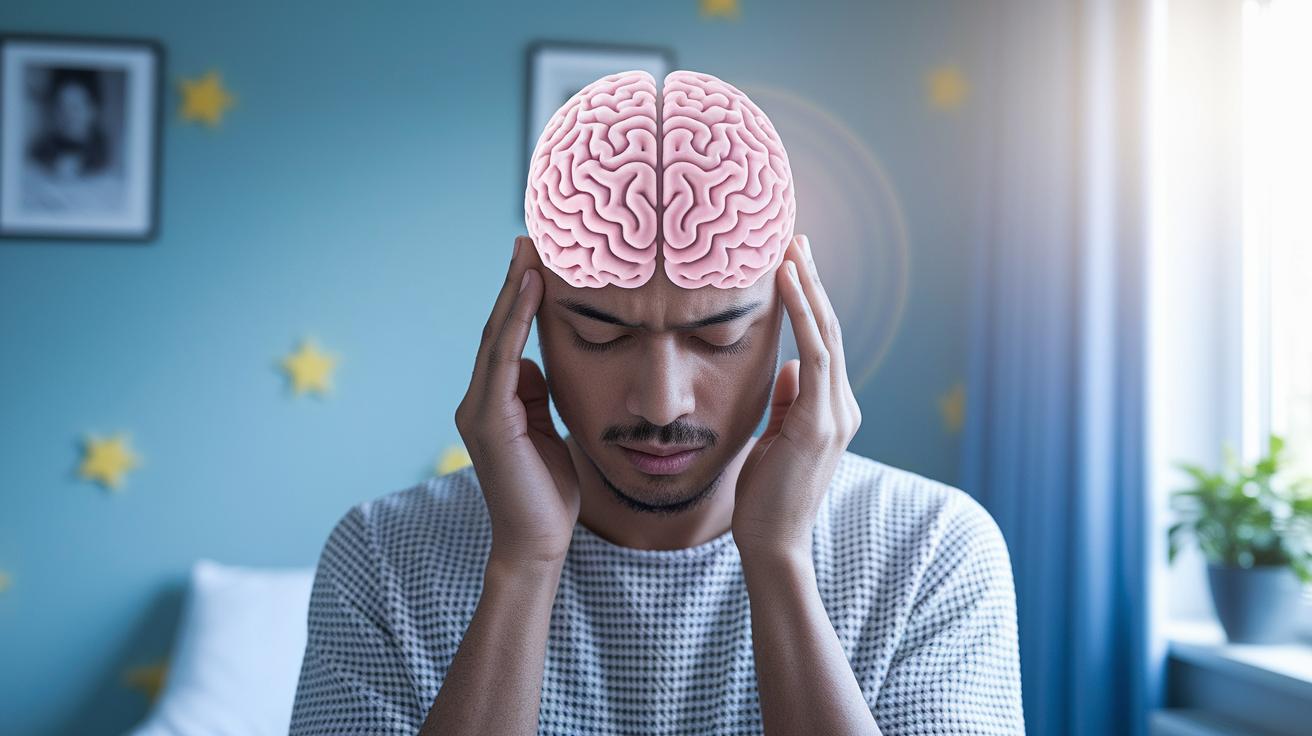

Quick take: One-sided head pain may signal a migraine.
If you have any of these emergency signs, call emergency services now:
• Sudden weakness or numbness on one side of your body.
• Trouble speaking or understanding words.
• Severe pain that gets worse fast.
Many people feel a sharp, pounding pain on the right side of the head. It can become more intense around bright lights or loud sounds. This pain often feels like a heavy drum repeating inside your head. Right-sided migraines can set off a burst of nerve signals, mixing pain with extra sensitivity.
Keep a simple log of your symptoms. Note the time your headache starts, how strong the pain feels (mild, moderate, severe), and any other changes you notice. This record helps your doctor understand what’s happening and decide the next steps.
In this guide, you’ll learn the key signs behind these migraines and get clear ideas to manage them. Stay alert, and if your symptoms worsen or include any red flags, seek help right away.
Explaining Right-Sided Migraine Headache
Right-sided migraines are intense, pounding headaches that hit you on the right side of your head. They can start suddenly and last anywhere from 4 to 72 hours, which can really throw off your day. You might also experience a stiff neck, extra sensitivity to bright lights or loud sounds, nausea, or even see flashes and zig-zag lines. For example, a sharp pain on one side of your head can quickly turn into a relentless throb that makes it hard to focus.
Doctors believe this pain happens when key nerve pathways in the right side (called the trigeminal nerve pathways) get activated. At the same time, a wave of nerve activity known as cortical spreading depression (a burst of nerve cell activity) moves across your brain. This combination triggers the pulsating pain typical of a migraine.
It is important to tell your migraine apart from other one-sided headaches. For instance, cluster headaches tend to be much shorter (15 minutes to 3 hours) and come with very sharp pain around the eyes, often accompanied by tearing and a stuffy nose. In contrast, tension headaches feel like a band of pressure around both sides of your head instead of being focused on one side.
Understanding these differences can help you decide whether you are facing a migraine or another kind of headache. If your symptoms change or become more severe, it may be wise to check in with your healthcare provider.
Recognizing Unilateral Migraine Symptoms on the Right Side

Quick take: A right-sided migraine usually brings a steady, throbbing headache and may include eye pressure, flashing lights, and nausea.
If you experience any of these emergency signs, call emergency services immediately:
- Sudden weakness or numbness
- Slurred speech
- Severe vision loss or confusion
- Loss of balance
Right-sided migraines often warn you before the headache begins. You might feel a pounding pain at your right temple or side of your head. Many people notice the pain gets stronger and feels like a pulsing pressure that makes it hard to concentrate.
Common signs to watch for include:
- Throbbing pain at the right temple or along the side of your head
- Pressure behind the right eye (a feeling of heaviness or tightness)
- Visual changes like brief flashes, zig-zag lines, or sparkles in your vision
- Sensitivity to light and sound, which can make your surroundings feel overwhelming
- Upset stomach that may lead to nausea or sometimes vomiting
Sometimes, your body gives early signals hours or even days before the headache hits. You might feel a stiff neck, notice sudden mood changes, or have strong cravings for foods like sweet or salty snacks. Recognizing these early changes can help you manage the migraine better and decide when you need extra relief or help from a doctor.
Common Triggers for Migraine Headache on the Right Side
Quick take: Right-sided migraine pain can be set off by everyday factors.
Triage Box:
• If you suddenly have a severe headache with vision changes, call emergency services now.
• If you experience weakness, numbness, or confusion along with your headache, seek urgent care.
• Otherwise, note your symptoms and manage them with good self-care.
Knowing what sets off your migraine is a strong step in managing the pain. Use this list to spot patterns and take early action.
• Stress or quick stress relief – Changes in stress can start a migraine. When you feel a surge in stress at work or home, try deep breathing to soothe tension.
• Sleep problems – Not getting enough sleep or having an irregular sleep schedule can lead to a migraine. Stick to a regular bedtime to help keep your body balanced.
• Dehydration – Not drinking enough water can reduce blood flow to your brain, which may trigger an attack. Carry a water bottle throughout the day to stay hydrated.
• Certain foods and drinks – Items like alcohol, caffeine, and aged cheeses have been linked to migraine attacks. Keeping a headache diary can help you see if these foods are a trigger.
• Hormone changes – Shifts in hormone levels, especially during your menstrual cycle, can cause migraines. Tracking these changes may show a link to your headaches.
• Weather or pressure changes – Quick shifts in weather or barometric pressure might start an episode. Stay informed about the forecast and consider resting indoors during rapid changes.
• Environmental factors – Bright lights and loud sounds can make migraine pain worse. Dim the lights or move to a quieter place when needed.
• Bending over – This can increase sinus pressure and make the pain worse during an attack.
Diagnosing Right-Sided Head Pain: Migraine Versus Other Conditions

Quick take: Right-sided head pain can have several causes. If you experience new or worsening symptoms such as numbness, weakness, or changes in vision, seek urgent care.
Triage checklist:
- Call emergency services now if you have sudden numbness, weakness, or vision changes.
- Get urgent help if you notice a persistent and unusual pattern.
- Otherwise, monitor your symptoms and note any changes.
Right-sided head pain might be a migraine or something else. Here’s a quick guide to help you understand what may be happening:
• Cluster headaches cause very sharp pain around the eye. They last from 15 minutes to 3 hours and often come with tearing or a stuffy nose. These headaches are usually shorter and very focused compared to migraines.
• Tension headaches make you feel a band-like pressure across your head, affecting both sides rather than sticking to one side.
• Hemicrania continua is marked by steady pain on one side that gets better with a specific pain reliever called indomethacin (a type of non-steroidal anti-inflammatory drug).
• Paroxysmal hemicrania and SUNCT involve short, frequent bouts of pain. They often come with signs like a red eye or nasal symptoms. These clues help separate them from typical migraine episodes.
• Other conditions may mimic migraine pain. For example, trigeminal neuralgia (sharp facial pain), cervicogenic headache (pain starting in the neck), or sinusitis (worse pain when you bend forward) can cause similar symptoms on the right side.
To help figure out what’s causing your pain, consider these steps:
- Write down details about your pain. Note how long it lasts, how strong it is, and where exactly you feel it. Also, list other symptoms such as nausea, vision changes, or any unusual feelings.
- Have a healthcare provider check your nervous system with a simple exam.
- Watch for red flags. If you have ongoing neurological changes or unusual aura patterns, let your provider know right away.
- Sometimes, your doctor might suggest an MRI or CT scan if the signs are not typical. This helps rule out any structural issues in your brain.
Following these steps will help you and your provider decide if this is a migraine or another kind of headache, so you can get the right care quickly.
Acute Treatment Strategies for Right-Sided Migraine Attacks
Quick Take: Start treatment as soon as you feel a right-side migraine to ease pain and prevent worsening.
Triage Box:
• If you have any of these emergency signs, sudden extreme headache, confusion, weakness, or slurred speech, call emergency services now.
• If your pain persists or new symptoms develop, contact your doctor right away.
• For mild symptoms, use self-care measures like resting, using a cold pack, and staying hydrated.
When you feel migraine pain on the right side, treat it early to stop the headache from growing worse. Quick action can ease your pain and may prevent a full attack. Below is a table with common treatments many clinicians recommend:
| Medication Class | Example | Notes |
|---|---|---|
| NSAIDs | Ibuprofen, Naproxen | OTC, for mild to moderate attacks |
| Triptans | Sumatriptan, Rizatriptan | Prescription, work best within 2 hours |
| CGRP Antagonists | Rimegepant, Erenumab, Eptinezumab | Used for resistant cases |
| Antiemetics | Metoclopramide | Helps control nausea |
Non-drug methods can also give fast relief. For example, placing a cold compress on your right temple can lower swelling and ease pain. Resting in a dark, quiet room helps reduce bright lights and noise that may worsen your headache. Drinking water is key, as even mild dehydration might make your pain stronger. Keeping a headache diary, where you jot down the time, pain level, and possible triggers, can help you manage future attacks.
Try these steps as soon as your migraine starts:
• Apply a cold compress to your right temple.
• Rest in a dark, quiet room for 15 to 20 minutes.
• Sip water slowly to stay hydrated.
• Record your symptoms and any triggers in a diary.
Sometimes, starting treatment at the first sign of pain can really help. One person shared that using a cold compress right away eased their pain until their medication kicked in. Acting fast may mean the difference between a manageable episode and a day overwhelmed by migraine pain.
migraine headache right side of head Brings Clarity

Quick take: Healthy daily habits can lower the number and intensity of your right-sided migraine attacks.
If you notice warning signs such as severe pain or changes in vision, seek care immediately.
Strengthening your routine might help reduce migraine triggers. Try following these simple steps:
• Sleep well. Aim for 7–9 hours each night and stick to a regular bedtime. A steady sleep pattern helps your body stay balanced and may cut down on migraine episodes.
• Stay hydrated. Drinking at least 2 liters (about half a gallon) of water every day keeps you balanced. Keep a water bottle close so you can sip throughout the day.
• Get moving. Spend 30 minutes doing light aerobic exercise, like a walk or short bike ride, three days a week. Exercise improves blood flow and helps reduce stress hormones that may worsen your headaches.
• Manage stress. Practice mindful breathing, meditation, or simple relaxation techniques. Even a few minutes of focused breathing can ease stress when you feel overwhelmed.
• Adjust your diet. Avoid foods that trigger your migraines and work to keep your meals balanced.
• Consider helpful supplements. Many people find these can ease migraine pain:
- Magnesium (around 400 mg daily) may help relax blood vessels.
- Riboflavin (about 400 mg daily) supports energy use in cells.
- Coenzyme Q10 (100–300 mg daily) helps with energy production.
• Keep a migraine journal. Write down the date, time, what you ate, your sleep, exercise, and note any changes in your symptoms. This can help you spot patterns and adjust your routine.
These everyday actions can support your well-being and may help lessen the impact of your right-sided migraines. Remember, if your symptoms get worse or new signs arise, contact your healthcare provider for further advice.
When to Consult a Specialist for Chronic Unilateral Migraines
Quick take: If your one-sided headaches occur often or your usual medicine stops working, it is time to talk to a specialist.
Triage:
If you have any of these red flags, call emergency services or see a doctor right away:
- Aura (warning signals like flashing lights) that lasts more than 1 hour
- New vision problems, weakness, or clumsiness
If you have more than 4 migraine attacks per month or your treatments no longer give relief, you need a specialist’s evaluation. One-sided migraines that continue over time need a closer look. It may signal that your condition is becoming chronic.
Your doctor may order tests, such as an MRI brain scan, to check for any hidden causes. This test helps rule out structural issues that might be making your migraines worse.
New research is leading to promising treatments. Some patients are trying novel medicines like CGRP inhibitors in clinical trials when traditional options do not work well. Your specialist can then design a treatment plan that fits your pattern of attacks, aiming to reduce both the frequency and the pain of your migraines.
Keep track of your symptoms. Write down the dates, times, and any new issues, and share this information with your doctor at your next visit.
Final Words
In the action, we reviewed what causes right-side head pain, pinpointed common symptoms, and listed triggers that often lead to discomfort. We also outlined treatment options, lifestyle fixes, and tips for knowing when to seek a specialist.
Clear checklists and step-by-step directions make it easier for you to decide on the best action. Enjoy feeling empowered to manage a migraine headache right side of head and navigate your next steps with confidence.
FAQ
Q: What does a headache on the right side of the head and eye indicate?
A: A headache on the right side that spreads to the eye often signals a migraine episode. This pain can be accompanied by eye pressure, sensitivity to light, and a pounding sensation.
Q: How is a sharp or throbbing headache on the right side of the head described?
A: A sharp or throbbing headache on the right side typically means you are experiencing migraine pain that can come and go, often paired with light sensitivity and sometimes nausea.
Q: How can I treat or cure a right-sided headache?
A: Treating a right-sided headache generally involves rest, hydration, and over-the-counter pain relievers. If headaches persist or worsen, it’s wise to talk to a clinician for tailored treatment.
Q: What does it mean if I wake up with a headache on the right side of my head?
A: Waking with a headache on the right side may be linked to poor sleep or nighttime stress. Monitoring your sleep patterns and discussing these symptoms with a clinician can be helpful.
Q: What causes migraines on the right side of the head?
A: Migraines on the right side can be triggered by factors like stress, dehydration, dietary choices, hormonal changes, or bright lights. They stem from changes in nerve pathways on one side of the brain.
Q: When should a pregnant person go to the ER for a migraine?
A: Pregnant individuals should seek emergency care for migraines if the pain is severe, accompanied by unusual neurological symptoms, or if the headache does not respond to standard treatments, as this may signal complications.
Q: What are the 5 C’s of migraines?
A: The 5 C’s of migraines refer to a mnemonic some clinicians use to highlight key migraine features. However, its components are not universally standardized, so clarifying it with your healthcare provider is recommended.