
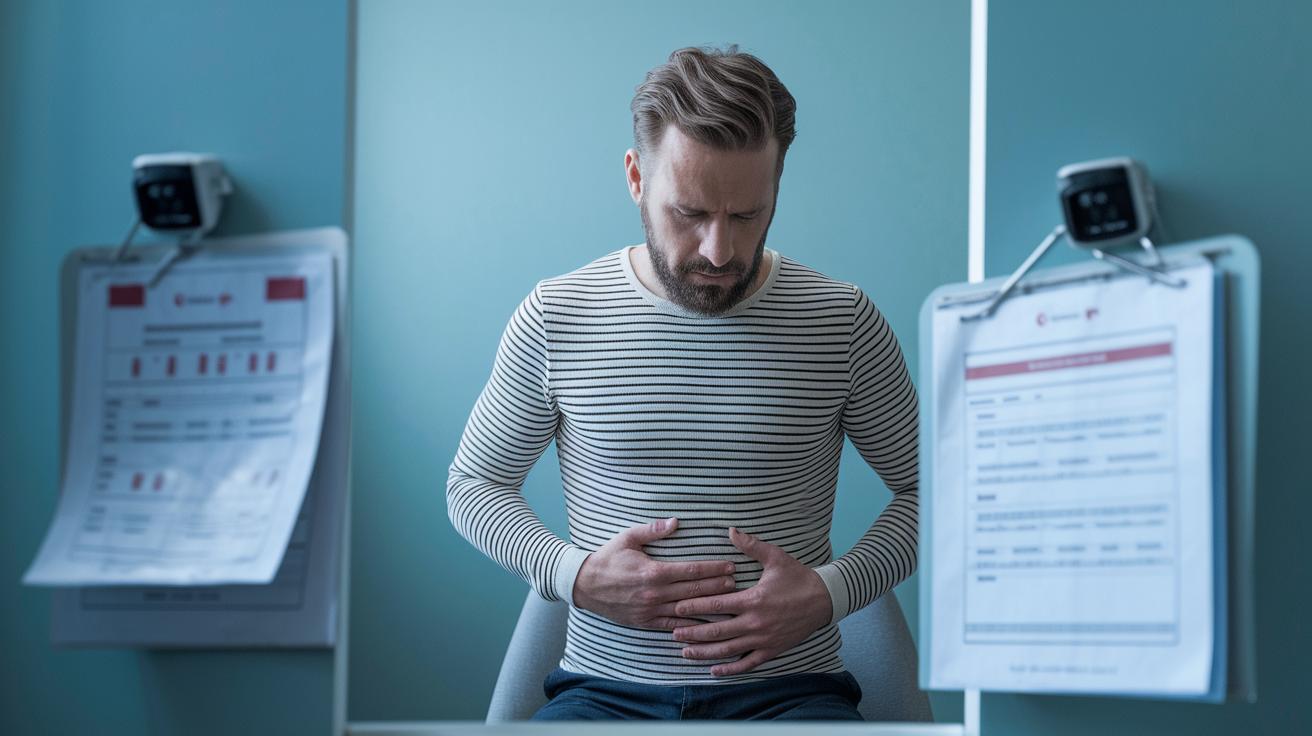

Quick take: A nagging pain in your lower left side can have many causes.
If you notice any of these emergency signs, call emergency services now:
• The pain becomes very severe or sudden
• You develop a fever above 102 F (38.9 C)
• You feel faint, dizzy, or short of breath
If you don’t have these red flags, you may be able to manage the pain at home. This discomfort might come from muscle strain, mild inflammation, or even a tummy upset.
Here’s what you can do today:
- Notice where the pain is and how strong it feels.
- Monitor the pain over the next few hours. Write down what happens and any other symptoms (such as fever or dizziness).
- Rest and try gentle heat or cold packs to ease the pain.
- Ask a trusted clinician for advice if the pain worsens or if new symptoms appear.
This guide explains common causes and clear steps to help you feel better. By knowing which signs to watch for, you can take action quickly and safely so you can return to your daily routine.
Comprehensive Overview of Lower Left Abdominal Pain
Quick take: Lower left side pain can come from many places. Watch for severe signs and act quickly if red flags show up.
If you have any of these emergency signs, call emergency services now:
• Severe, sharp pain that comes on suddenly
• High fever (above 101°F)
• Vomiting that stops you from keeping fluids down
If you have any of these urgent concerns, seek medical attention today:
• Pain that lasts several hours without easing
• Persistent nausea that keeps you from eating or drinking
• New changes in your bowel habits along with pain
For mild symptoms, you can try self-care while keeping a close eye on how you feel:
• Use a warm compress on the area
• Go for short, gentle walks
• Rest and stay well-hydrated
There are several common reasons you might feel pain in your lower left abdomen. One cause is inflamed diverticula (small pouches in the intestine that become irritated). Another possibility is constipation, which might happen if you aren’t drinking enough water or eating enough fiber. Hard stools can cause cramping and discomfort. Also, swallowing extra air or eating certain foods can lead to gas buildup, which may create a sharp, focused pain.
Indigestion (an upset stomach from acid buildup) may cause similar discomfort, and if you are lactose intolerant, dairy can lead to pain along with bloating and diarrhea.
Other digestive issues can also be involved. Chronic conditions like IBS (Irritable Bowel Syndrome, ongoing stomach upset) or IBD (Inflammatory Bowel Disease, inflammation in the gut) often cause recurring pain with changes in how you go to the bathroom. A hernia, which is when part of the intestine pushes through a weak spot in the abdominal muscle, might also produce pain on the lower left side. Sometimes, muscle strains from exercise or quick twisting motions can hurt too.
In rarer cases, shingles might start with pain and tenderness before its red rash appears, or kidney stones might cause very sharp pain along with painful urination and sometimes vomiting.
It’s normal to feel a little discomfort after a big meal. Often, this type of mild pain goes away on its own. However, if your pain grows worse or you notice symptoms like fever, nausea, or vomiting, it’s important to get checked by a healthcare provider. Keeping a simple diary of when the pain happens, how strong it feels, and any other symptoms can help your clinician figure out what’s causing your discomfort.
Typical Gastrointestinal Causes of Left Lower Quadrant Pain
Left lower belly pain can come from several gut problems. It might be due to diverticulitis, constipation, gas buildup, IBS (irritable bowel syndrome), or IBD (inflammatory bowel disease). Your doctor may check you with a physical exam, blood tests (like a white blood cell count), and imaging tests such as a CT scan or ultrasound. For example, a CT scan that shows inflamed pouches usually means diverticulitis, and sometimes a colonoscopy (a look inside your colon) is needed to check for IBD.
Treatment changes based on the cause. Diverticulitis often needs antibiotics and rest. Constipation is mostly managed by drinking more water, eating fiber-rich foods, and using mild laxatives. Gas pain usually improves when you change your diet. IBS is helped with stress and diet management, while IBD may need anti-inflammatory medicines. If you have a fever and left-side tenderness, it is important to seek medical attention quickly.
| Condition | Typical Symptoms | Key Triggers | Diagnostic/Treatment Insights |
|---|---|---|---|
| Diverticulitis | Fever, lower left tenderness, nausea | Low-fiber diet, aging | CT scan, blood tests, antibiotics, possible hospitalization |
| Constipation | Infrequent, hard stools, bloating | Dehydration, inactivity | Dietary changes, increased fluids, fiber supplements |
| Gas | Sharp cramps, belching, bloating | Beans, carbonated drinks | Clinical history review, dietary adjustments, over-the-counter remedies |
| IBS | Cramping, diarrhea/constipation | Stress, trigger foods | Diagnosis by exclusion, dietary and stress management strategies |
| IBD | Persistent pain, blood in stool | Immune-related triggers | Colonoscopy, laboratory tests, anti-inflammatory or immune modulators |
Non-Gastrointestinal and Gynecological Factors in Left Lower Abdominal Pain
Quick take: Your left lower abdominal pain might come from ovarian cysts, endometriosis, an ectopic pregnancy, hernias, or muscle strains.
Triage:
• If you have sudden one-sided pain with heavy vaginal bleeding, call emergency services now.
• If your pain becomes very severe, or you experience new and unusual symptoms, seek same-day medical care.
• Otherwise, monitor your symptoms closely and follow up with your healthcare provider if they worsen.
Ovarian cysts are fluid-filled sacs on your ovaries that can make your pain vary from dull to sharp. You might notice a steady ache or a sudden twinge on your left side, especially during your period when these cysts can become tender.
Endometriosis means small tissues grow outside the normal lining of your uterus (the inner lining). This condition often brings very painful, cramping pain that gets worse around your monthly cycle. It may also cause painful periods or discomfort during sex.
Ectopic pregnancy is a rare but dangerous condition where a pregnancy grows outside the uterus. This leads to one-sided pain together with vaginal bleeding. If you feel these symptoms, it is important to get immediate medical care because the condition can be life-threatening.
An inguinal or femoral hernia happens when a part of your intestine pushes through a weak spot in your abdominal muscle wall. This can cause a noticeable bulge and tenderness that often worsens with movement, like when lifting something heavy.
Muscle strains from exercise, quick twisting, or heavy lifting may also cause pain in the left lower abdomen. This pain tends to get worse with movement or when you press on the area. Rest and avoiding strenuous activities can help ease this pain, at least for a while.
Remember, these causes are different from problems related to your digestive system. If your pain gets more severe, changes in how it feels, or comes with other unusual signs, it’s a good idea to see your healthcare provider for a proper checkup.
Recognizing Red Flags and When to Seek Immediate Care for Lower Left Abdominal Pain
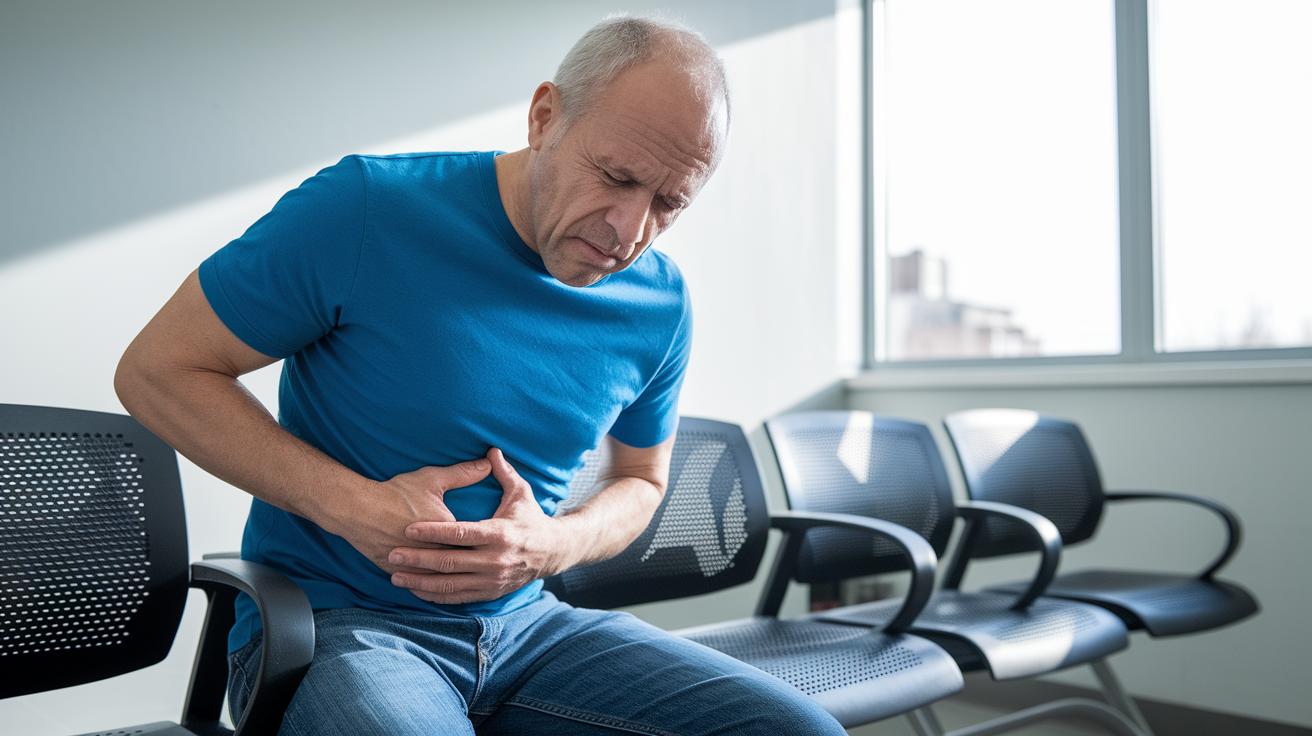
Quick take: Certain signs in your left lower belly may need immediate attention.
If you have any of these emergency signs, call emergency services now:
- Severe pain that stops you from standing or walking
- A high fever over 101°F with chills
- Ongoing nausea or vomiting or trouble keeping fluids down
- Blood in your stool or urine
- Dizziness, fainting, or signs of low blood pressure
- A hard belly when pressed (could mean inflammation inside)
These signs can point to a serious problem like an infection or internal injury. Don’t wait for the pain to go away on its own.
Write down when your symptoms start and note any extra signs. This information helps doctors decide on the right care for you.
Diagnostic Approach: Evaluating Left Lower Abdominal Pain
Step 1: Patient History
Ask when your pain started, how long it lasts, and what type of pain you feel. Find out the exact spot where it hurts and if the pain moves to another area. Ask if you have any belly or pee problems or if your bowel habits have changed. Women should share details about their period or if they might be pregnant. For example, you might say, "I noticed this pain suddenly after dinner and it has stayed steady." This clear history helps guide the next steps.
Step 2: Physical Examination
Next, a careful exam is done. First, check your temperature and heart rate (pulse). Then, the doctor looks at your belly and listens for normal or unusual sounds. They gently press on your belly to find any tender spots. The exam also includes checking for extra pain when pressure is released and looking for signs of a hernia. These findings help decide if the pain comes from muscle strain, inflammation, or something else.
Step 3: Laboratory Tests
Blood tests can help point to an infection or inflammation. A complete blood count (CBC) and tests like CRP or ESR help check for these signs. A comprehensive metabolic panel (CMP) and a test of your urine also look for other problems. For women who may be pregnant, a β-hCG test (pregnancy test) is done to rule out pregnancy-related causes.
Step 4: Imaging Studies
Imaging tests give a clearer picture. An ultrasound can look at your reproductive organs and kidneys. A CT scan with contrast can help spot conditions like diverticulitis or blockages. These tests confirm what was found during the history and exam so that you get the right care.
Home Care Strategies and Over-the-Counter Options for Lower Left Abdominal Discomfort

You may feel mild pain in your lower left abdomen. Simple home care might help ease your discomfort.
Stay well hydrated by drinking 8 to 10 cups of water each day. Keeping track in a diary, like noting "I had 9 cups today," can show you how well you're doing.
Increase your fiber slowly to about 25 to 30 grams daily with fruits, vegetables, and whole grains. Also, try eating small, frequent meals to help your body digest food better.
A heating pad on low for about 15 to 20 minutes can ease muscle cramps. Note in your diary if you feel relief after using it.
For pain, you can take over-the-counter acetaminophen (Tylenol). However, if you suspect diverticulitis (inflammation in a small pouch of the colon), avoid NSAIDs (non-steroidal anti-inflammatory drugs) since they might worsen inflammation.
If you have gas or indigestion, try an antacid or simethicone (a medicine that helps with gas) to reduce bloating. Watch out for food triggers like beans, broccoli or cauliflower (cruciferous vegetables), and dairy if you're lactose intolerant.
Rest and gentle walking may boost your digestion and help you feel better. Keep a simple diary with notes such as "felt less pain after a short walk." This way, if your pain continues, you have useful details to share with your doctor.
Preventing Recurrent Lower Left Abdominal Pain Through Lifestyle Modifications
Quick tip: Small, daily lifestyle changes can ease your pain.
Immediate Action: If you have any of these signs, call emergency services now:
- Severe, sharp pain that does not let up
- A fever over 102 F
- Persistent vomiting or blood in your stool
Simple changes can make a big difference. Eating balanced meals and staying active can help lower your flare-ups. A high-fiber diet (one that includes whole grains, fruits, and vegetables) keeps your digestion smooth and can reduce discomfort. For example, you might add an apple to your lunch to keep things moving naturally.
Daily aerobic exercise, like a brisk 30-minute walk on most days, helps your body digest food and supports a healthy weight. Drinking enough water every day (8 to 10 cups) also keeps your gut in good shape. Eating at regular times helps your body run on a steady schedule, and cutting back on large, fatty, or highly processed foods can ease the strain on your digestive system.
Try these five simple steps:
- Increase your dietary fiber slowly, especially when you aren’t having pain.
- Get at least 30 minutes of aerobic exercise on most days.
- Work on keeping a healthy body weight with balanced food and activity.
- Drink 8 to 10 cups of water every day.
- Ease stress with simple techniques like meditation and try to eat at consistent times.
These practical changes may lower your risk of recurrent left abdominal discomfort over time.
Understanding Pain Patterns: Acute vs. Chronic Lower Left Abdominal Pain
Quick take: Sudden, sharp pain in your lower left belly may signal an emergency, while long-term pain needs careful tracking for proper care.
If you have acute pain, it hits fast and hard. You might feel a sharp stab in your belly that stops you in your tracks. This pain can last a few hours or even a few days. It could point to a serious problem like an inflamed diverticulum (an irritated pouch in your colon) or an obstructed bowel. Because this pain is a warning sign, you should seek medical advice right away.
Chronic pain grows slowly or comes and goes for over 3 months. It may not hurt as intensely as acute pain, but it keeps recurring and can disrupt your everyday activities. Conditions like irritable bowel syndrome or endometriosis (a condition where tissue similar to the inner lining of the uterus grows outside it) often cause this kind of pain. You might notice a constant ache or occasional cramping that lasts for weeks or months.
To help your doctor figure out what’s causing your pain, keep a diary. Note when the pain starts, how long it lasts, and what makes it better or worse. This record can be very helpful when you talk with your clinician about what to do next.
Final Words
In the action, this guide reviewed key causes like diverticulitis, gas, and non-gastrointestinal sources behind lower left abdominal pain. It outlined simple steps for self-care and detailed clear red flags that call for emergency care. You learned how to track symptoms and when to seek professional help. Remember, small lifestyle changes can help prevent repeat episodes. Stay proactive, monitor your signs, and don't hesitate to get follow-up care if needed. Keep taking positive steps toward better health.
FAQ
What causes lower left abdominal pain in females?
The lower left abdominal pain in females often stems from gastrointestinal issues like diverticulitis or gas buildup and gynecological factors such as ovarian cysts, endometriosis, or ectopic pregnancy. Persistent pain needs evaluation.
What causes lower left abdominal pain in males?
The lower left abdominal pain in males usually comes from GI issues such as diverticulitis, constipation, or gas, and it may also be linked to musculoskeletal strain or hernias. Persistent pain should be checked by a clinician.
How does lower left abdominal pain feel when it is sharp?
Lower left abdominal pain that is sharp often presents as sudden, intense, and stabbing discomfort. This type of pain could signal conditions like diverticulitis or severe gas buildup and needs timely attention.
How is lower left abdominal pain during pregnancy different?
Lower left abdominal pain during pregnancy may be related to normal digestive changes or pregnancy-specific problems like ectopic pregnancy. Severe or worsening pain should be promptly evaluated by a health professional.
What do people report about lower left abdominal pain on Reddit?
Reports on Reddit mention a wide range of experiences, from mild cramps and gas pain to sharp, severe discomfort. These user experiences highlight the importance of individual assessment and clinician follow-up if symptoms worsen.
What is located on the lower left abdomen?
The lower left abdomen contains parts of the large intestine (colon) and small intestine, and in females, reproductive organs. It also includes sections of the urinary tract, such as the left ureter, which can be sources of pain when inflamed.
Should I go to the ER for lower left abdominal pain?
If you experience sudden, severe pain, high fever, blood in stool or urine, or symptoms of shock like dizziness, you should call emergency services immediately as these signs may indicate a serious condition.