


Quick take: An itch with red patches, bumps, or blisters might be a sign that your skin is trying to tell you something.
Have you noticed an itch that just won’t go away? Your skin may be signaling an underlying issue. Dry, red patches or raised bumps can indicate irritation or an early skin condition. Check where the itch is and look for any changes in the skin. Use these clues to decide if you can safely care for it at home or if you should call your doctor.
Let’s clear up the confusion with a simple, step-by-step look at your symptoms so you can feel more secure about your next steps.
Itching symptom snapshot: Quick Health Check
Itching can happen anywhere or in just one spot on your body. Look at where it bothers you and check if your skin looks different. For example, dry red patches on your elbows or behind your knees can be a sign of eczema (atopic dermatitis). Raised bumps that turn white when pressed usually mean hives. Cracked, scaly skin between toes might point to athlete’s foot. A ring-like rash with raised edges is common with ringworm, and blisters filled with fluid often show up with chickenpox. Notice the rash’s location, size, color, feel, and if it is swollen or sore. This quick check can help you decide if you need to treat it at home or get help from a doctor.
| Skin Sign | Where It Appears | How Bad It Is | Possible Cause |
|---|---|---|---|
| Dry red patches | Elbows, behind knees | Mild to moderate | Eczema (atopic dermatitis) |
| Raised, white-blanching bumps | Any part of the body | Mild to moderate | Hives |
| Cracked, scaly skin | Between toes | Moderate | Athlete’s foot |
| Circular rash with raised edges | Any spot | Moderate | Ringworm |
| Blisters with fluid | Scattered over body | Moderate to severe | Chickenpox |
Common Triggers in an Itching Symptom Snapshot
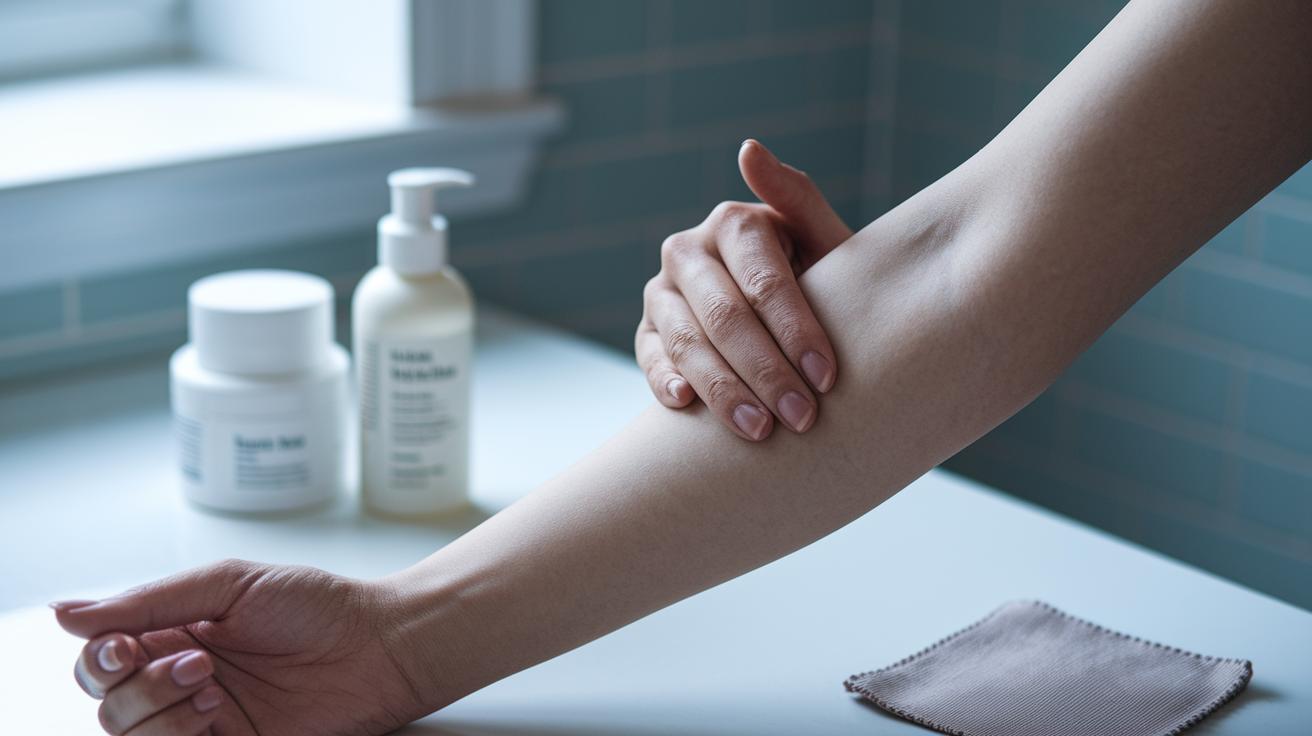
Quick take: Itch can come from your genes, everyday irritants, or allergies.
Triage:
If you notice severe swelling, trouble breathing, or a widespread rash, call emergency services immediately.
Sometimes your genes make your skin extra sensitive. Around 20%-30% of people with eczema (atopic dermatitis) have a change in the filaggrin gene. This change leaves your skin drier and weaker. That means cold or dry air can trigger more itch for you.
Everyday products can also set off itch. Harsh cleansers, strong scents, and certain fabrics may irritate your skin, causing red, scaly patches known as contact dermatitis. Even insect bites, such as those from mosquitoes or bedbugs, can cause a spot of itch. For example, using a new detergent might leave a rash if you are sensitive to its chemicals.
Allergens and your lifestyle also play a part. Pollen, dust mites, and some foods can spark outbreaks of itch. Stress adds fuel to the fire by releasing chemicals that boost inflammation. That makes even a small itch feel much worse.
Serious Health Signals in an Itching Symptom Snapshot
Quick take: Some itchy skin warnings are red flags that need immediate care.
If you experience any of these red signals, call emergency services now:
- Hives with swelling or sudden trouble breathing.
- A rapid onset of red, raised welts accompanied by intense itching.
- Rash with fever, cough, red eyes, or swollen, tender, hot skin.
These signs could mean your body is having a strong allergic reaction or a serious infection. For example, food allergies can sometimes lead to a rapid reaction known as anaphylaxis (a severe allergic reaction), which is very dangerous. Likewise, a quick-beginning rash may be more than just a simple irritation, it could be a warning of a severe allergic event.
Some infections may also cause serious skin symptoms. A rash paired with fever, cough, red eyes, or swollen, tender skin might point to illnesses like measles or cellulitis (a skin infection). An intense, persistent itch in skin folds, especially at night, can be a sign of scabies, which is caused by tiny mites. In addition, a body-wide itch with jaundice (yellowing of skin or eyes) may signal a liver issue, such as biliary obstruction, which needs urgent attention.
Sometimes your skin can offer clues about broader health issues. A butterfly-shaped rash over your cheeks might suggest lupus (an autoimmune disease), while thick plaques from psoriasis could indicate a systemic (body-wide) condition.
These signals are important. If you see any of these warning signs or if your symptoms get worse, don’t wait, contact a healthcare provider immediately to get checked.
Assessing Itch Onset and Pattern in an Itching Symptom Snapshot

Quick take: Track when your itch started, where it is, and how it changes over time.
If you have any emergency signs, such as trouble breathing, swelling of the face or tongue, or severe dizziness, call emergency services now.
• Note when the itch began.
- A sudden itch might mean an allergy or infection.
- If it lasts for days or weeks, it could be eczema (red, itchy skin) or another ongoing issue.
• Check where you feel the itch.
- An itch in one spot, like on an arm, could be from contact irritation (skin reacting to something).
- Widespread itch may signal a body-wide trigger.
• Observe the itch pattern.
- Is it constant or does it come and go?
- Write down any changes in a rash’s size, shape, color, or texture, plus any pain, swelling, or fever. These notes are helpful for your healthcare provider.
Home Care Strategies in an Itching Symptom Snapshot
Quick take: A simple home routine can ease itching and help stop flare-ups.
Triage:
• If you notice signs of infection (redness, swelling, pus), fever, or if the itch spreads widely, contact your doctor now.
• If the itch is worsening quickly or is very painful, seek same-day care.
• Otherwise, follow these self-care steps.
• Soak and seal your skin. Take a warm bath with colloidal oatmeal (finely ground oatmeal that soothes the skin). Right after, apply a thick moisturizing cream to lock in hydration.
• Use cool relief. Place a cool compress on your skin or enjoy an oatmeal bath to lower irritation and calm inflammation.
• Apply over-the-counter remedies. Use hydrocortisone cream (a mild steroid cream) or cooling lotions to ease the itch and soothe your skin.
• Take a non-sedating oral antihistamine if needed. This medicine helps relieve itch throughout the day without making you drowsy.
• Try natural options. Dab on aloe vera gel or use a chamomile compress to gently calm the itch while keeping your skin balanced.
• Stay hydrated and keep your skin clear. Drink plenty of water and, with your doctor’s advice, consider occasional diluted bleach baths to lower bacteria and reduce infection risk.
Monitor your symptoms closely. Record when the itch starts, its severity, and any triggers. Sharing these notes with your healthcare provider can help if your symptoms persist or worsen.
Professional Guidance in an Itching Symptom Snapshot

Quick take: If your itch lasts more than 14 days or affects your sleep, be sure to get checked by a doctor.
If you notice any of these signs, call emergency services now:
- Itch with fever, pus, or yellowing skin (jaundice)
- A rash that spreads quickly
- The rash feels red and hot, showing signs of infection
If you're an infant, older adult, or someone with a weak immune system, it's important to act sooner.
If your itch remains unexplained or gets worse, make an appointment with your healthcare provider. They may send you to a skin specialist (dermatologist) who could run tests like a biopsy or allergy testing. This helps find the exact cause so you can begin the right treatment as soon as possible.
Final Words
In the action, this post reviewed how to identify itch triggers using a quick visual guide. You learned to spot red flags like sudden, severe itchiness that signals the need for medical attention. The discussion covered common causes, tracking your symptoms, and home-care measures to ease discomfort.
Each section built a clearer picture of your itching symptom snapshot, making it easier to note when to seek help. Keep monitoring your symptoms and stay proactive for a healthier tomorrow.
FAQ
Why am I itchy all over but no rash?
Being itchy without a visible rash can result from dry skin, allergies, or underlying organ issues. This type of itch should be tracked and discussed with a healthcare provider if it worsens.
What causes itching that moves around the body?
Itching that moves may be due to an allergic reaction, stress, or an internal condition. Tracking triggers and consulting a doctor can help pinpoint the underlying cause.
Unexplained itching all over body at night?
Unexplained night-time itching might stem from dry skin, allergies, or infestations like scabies. Monitoring when it occurs and discussing it with a clinician is advised.
What cancer can cause itchy skin?
Certain cancers, such as Hodgkin’s lymphoma, can cause itchy skin. This symptom may signal an internal issue and warrants prompt medical evaluation.
What deficiency causes skin itching?
Low levels of nutrients like vitamin D or iron can lead to skin itching. A blood test and dietary review may help determine if a deficiency is causing the itch.
What is neuropathic itch?
Neuropathic itch arises from nerve damage seen in conditions like shingles or diabetic nerve issues. Treating the nerve injury often helps reduce the urge to scratch.
How do I stop itching all over my body?
To ease whole-body itching, try cool compresses, moisturizing regularly, and using over-the-counter antihistamines. Tracking potential triggers and seeking professional advice is important if symptoms persist.
Which infection causes itching all over the body?
Infections such as scabies or certain fungal infections can cause widespread itching. These conditions require targeted treatments to resolve the infection and relieve symptoms.
What disease has itching as a symptom?
Many conditions, including liver disease, kidney failure, allergic reactions, and autoimmune disorders like psoriasis, show itching as a symptom. Documenting symptoms can help guide necessary testing and care.
What is the most common reason for itching?
Dry skin is the most common reason for itching, often triggered by environmental factors and aging. Regular moisturizing and appropriate skin care usually provide relief.
What are the four types of itching?
The four types include dermatologic (skin-related), neuropathic (nerve-related), systemic (internal diseases), and psychogenic (stress-linked), each needing distinct approaches for treatment.