
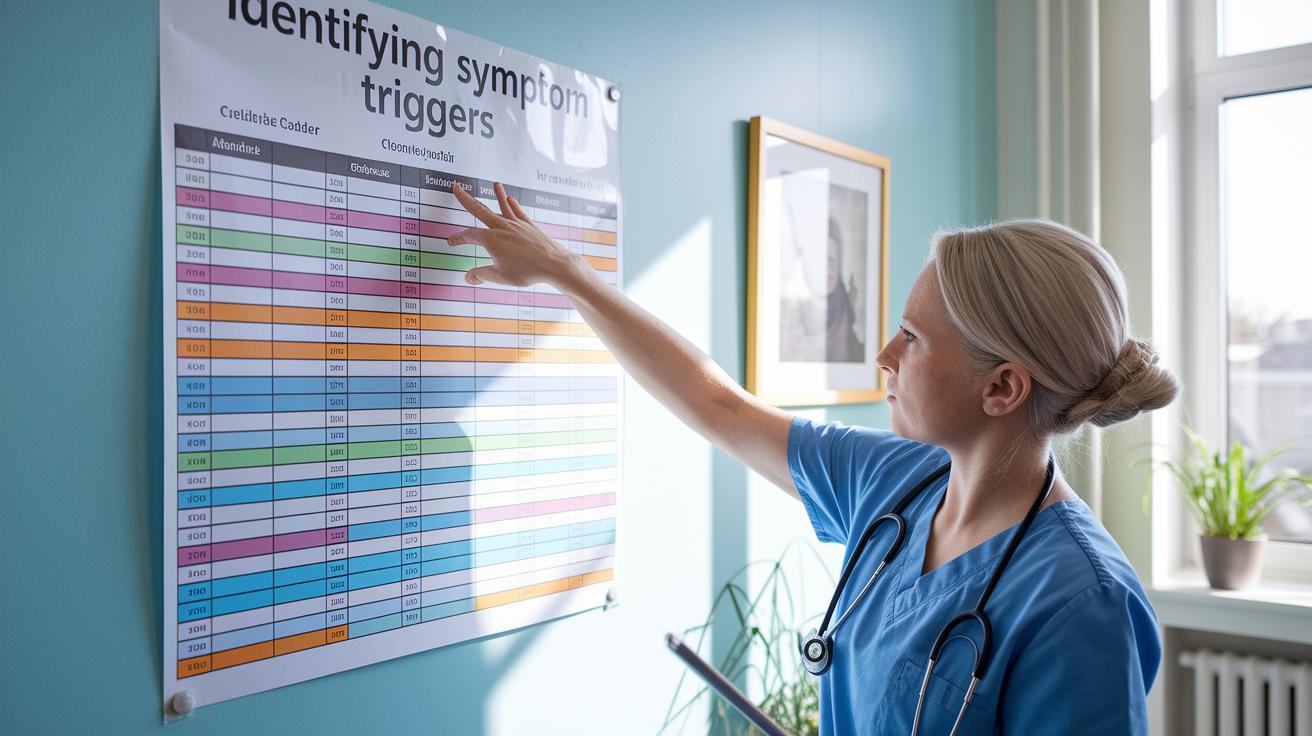

Quick take: Hidden triggers can make your heart race or cause bursts of anxiety.
If you ever experience severe chest pain, feel faint, or have serious shortness of breath, call emergency services right away.
Sometimes, small events or a specific place may set off your body's reaction. You might feel your heart speed up or get suddenly anxious. Understanding what sparks these symptoms can help you feel more in control every day.
Here are some simple steps you can try:
• Keep a daily journal. Write down what happened, how you felt, and the time.
• Use a checklist to note any patterns or recurring events.
• Share your notes with a healthcare provider if your symptoms keep coming back.
By tracking these triggers, you might find clear patterns that help you manage your symptoms better. Remember, if things change quickly or get worse, seek urgent care.
Practical methods for identifying symptom triggers
Quick Take: Noting your triggers helps you manage symptoms better.
Triage Box:
• Red flags: If you experience chest pain, severe shortness of breath, or intense anxiety, call emergency services now.
• Urgent: If you notice sudden, strong physical reactions like a racing heart in familiar settings, seek same-day medical advice.
• Self-care: Track your daily feelings and changes to spot patterns over time.
Everyday events, people, places, or substances can stir up strong feelings or physical changes. These triggers are often linked to past experiences. If you notice your heart racing or feel overly upset in certain spots, it might be a trigger.
Begin by keeping a simple checklist. Write down details like the time, location, and any events or conversations when your symptoms spike. For example, you might jot down:
• At 7:00 PM on Tuesday, felt a burst of anxiety and a tight chest after a heated conversation.
Try a daily routine to monitor your mood and physical feelings. Each day, note things like:
• Your mood at regular times.
• Any unusual changes in your symptoms.
• Specific places or events that might have affected you.
After a few days, look back at your notes. You may see patterns like more symptoms during busy commute times or after certain social encounters. Recognizing these trends is key to managing your triggers.
These simple steps, observing, checking off, and journaling, can empower you to understand what sets off your symptoms, so you can take action and feel more in control.
Monitoring physiological signals as symptom triggers

Quick take: Notice your body's signals to catch stress triggers early.
Watch how your body reacts during stressful or unusual moments. You might see signs like faster breathing, heart palpitations (rapid heartbeat), muscle tension, stomach discomfort, or tightness in your chest and neck. These clues can show that you are experiencing a trigger.
Use a wearable device or a symptom tracker app (https://spiritsocietyofpa.com?p=136) to record this key data. Regularly logging your signs can help you notice patterns you might otherwise miss.
Here are some simple steps:
- Record your breathing rate before and after events.
- Write down if you feel a fast or irregular heartbeat.
- Note any muscle stiffness or minor aches after a stressful event.
- Jot down instances of stomach discomfort or unusual tightness in your chest or neck.
Keep a brief log with the date, time, what you were doing, and your surroundings. A short note on your phone works well. Tracking details like heart rate, skin temperature, and daily activity can help reveal patterns.
Review your log every few days. This may help you see a clear link between specific situations and your body's signals. Recognizing these trends can guide you in managing your reactions when similar conditions occur.
Assessing environmental and lifestyle catalysts for symptom onset
Quick take: Your surroundings and the foods you eat might trigger your symptoms. Tracking them can help you spot patterns and take control.
Triage Box:
• Red flags: If you experience severe trouble breathing on high pollen or pollution days, call emergency services now.
• Urgent: If you have several severe symptoms during episodes of high air pollution, seek same-day medical help.
• Monitor: Keep a daily record of your symptoms, meals, and weather changes to find clear patterns.
Your environment has a big impact. High pollen, pollution spikes, chemical exposures, and changes in the seasons can make your body react. Even certain foods, like spicy meals or dishes with additives, can worsen your symptoms. Knowing what sets off your symptoms can empower you to manage your daily environment better.
Start by tracking how the seasons change. Watch the weather closely, especially in spring and fall when pollen and pollution often shift. Use a simple diary or chart to note details. For example, you might write: "On cloudy days with heavy pollen, my breathing and stomach pain got worse."
Also, keep a record of your meals. Write down what you eat, including portion sizes. Over time, you may see clues that link certain foods with symptom flare-ups. Try a checklist like this:
- Write down the food eaten at each meal.
- Note any unusual reactions within a few hours.
- Rate the severity of your symptoms on a scale from 1 (mild) to 10 (severe).
Check local air quality each day and record the numbers along with how you feel. This can show if high pollution or chemical exposures line up with when your symptoms start. By tracking these factors carefully, you can learn which parts of your environment and lifestyle trigger your symptoms.
Using cause-effect mapping to profile onset initiators

Start your day by drawing a simple timeline. Draw a straight horizontal line and mark the time for each event. For example, note when you have coffee or feel stressed after a meeting. Then, mark the moments when you feel symptoms like a sudden headache or a fast heart rate.
Try making a flow diagram to show how your day unfolds. Write down these three pieces of information:
- Time of the event
- What happened (for example, caffeine at 8:00 AM)
- How strong the symptom was on a scale from 1 to 10
This exercise can show you a clear chain of reactions. You may find that a small trigger, such as a quick burst of anger, can quickly change your mood or physical state. For example, Tom noticed that his daily 8:00 AM coffee often led to a jittery feeling by 9:00 AM even when he only had a small cup.
After you list a few events, look for patterns. Ask yourself if you usually feel physical stress after intense emotions or specific activities. These simple charts can turn everyday details into clues. They can help you see which events might be setting off a chain of reactions in your body.
Creating a personal symptom diary for uncovering adverse catalysts
Quick take: Track your symptoms every day to spot trends and safe steps you can take.
Triage Box:
- Call emergency services immediately if you experience sudden severe symptoms like chest pain, trouble breathing, or fainting.
- Seek same-day care if your symptoms worsen rapidly.
- Keep all your notes handy to share with your doctor.
Keep a daily diary of your symptoms. Write down the exact time you feel them, a short description of what happened, and a score on a scale from 1 to 10 (with 10 being the worst). For example, you might record, "At 10:00 PM, after a long TV session, I had a headache that felt like a 7."
Add a few key details to each entry. Mention how much sleep you got, what meals you ate, or if you felt stressed. Note other factors like bright lighting or loud noise when they seem important.
Additional tips:
- Use a digital app for quick entries or a simple notebook if you prefer writing by hand.
- Write down unusual events. For example, a headache after a long TV session might help you pinpoint what triggers it.
- Review your entries regularly to notice any patterns that you and your doctor can address.
Analyzing data to reveal health instigators and prevent recurrence

Your daily symptom diary gives you clues about what might be causing your symptoms. Simple charts like tally tables, bar graphs, or basic charts can help you see which events line up with the changes in how you feel. Many people find it useful to count how often a trigger happens and rate its strength on a scale from 1 to 10 to pinpoint the main causes.
Wearable devices, such as fitness trackers, can record your sleep, daily activity, and heart rate (beats per minute) automatically. This extra data can reveal patterns without you having to write everything down. For example, you might notice that nights with less sleep are linked to more severe symptoms the next day.
Try these simple steps:
- Enter your diary data into a spreadsheet or use a mobile app.
- Create a bar graph to show how often each trigger occurs.
- Look for trends, such as spikes in symptoms after a short night of sleep or stressful events.
- Check for patterns to see which factors consistently line up with worsening symptoms.
For a ready-to-use tool, consider the symptom tracker template to jumpstart your digital health record review. These basic methods can help guide you toward practical prevention strategies.
Clinical observation techniques and when to seek professional guidance on symptom triggers
When you track your own symptoms, it is important to know when it’s time to see a doctor. Doctors check your symptoms with interviews, physical exams, and scales (tools that rate how bad your symptoms are) to see if what you notice fits common medical patterns.
If you suddenly feel your heart racing, your chest tightening unexpectedly, or your muscles getting stiff, these changes may mean your trigger is affecting you strongly. Also, if your symptoms get much worse quickly or spread to different parts of your body, you should see a doctor. They use your own notes and physical checks to decide if you need more tests or treatment.
When you visit a doctor, they will ask many questions about when your symptoms began and any recent events that might have triggered them. They will compare your observations with what they find during the exam. This careful check helps catch any serious warning signs.
- Red flag: Sudden and severe symptoms
- Red flag: Rapid increase in symptom intensity
- Red flag: Involvement of multiple body systems
For more on these warning signs, see the triage definition medical sidebar.
Final Words
In the action, you learned how to spot and record key changes in your body. You discovered simple self-assessment tactics like logging events and mapping cause and effect. This practical overview focused on identifying symptom triggers, from physiological signals to environmental influences. Using checklists, diaries, and digital logs empowers you to make safe decisions and share focused insights with your clinician. Small steps make a big difference, and your careful tracking can help keep you ahead of troubling symptoms while guiding effective home care.
FAQ
What is a list of emotional triggers PDF?
A list of emotional triggers PDF details specific factors that spark strong feelings, such as past experiences or stressful events. It helps you quickly identify which items may provoke your reactions.
What are 10 common emotional triggers?
Ten common emotional triggers include rejection, criticism, feeling ignored, conflict, loss, disappointment, overcommitment, insecurity, changes, and reminders of past trauma. This list can guide you in recognizing key factors that affect you.
How can I identify emotional triggers?
Identifying emotional triggers means noticing what events, people, or situations cause intense feelings. You can use journaling, self-assessment quizzes, or checklists to track patterns and link reactions to specific events.
What are examples of triggers?
Examples of triggers include specific actions, stressful conversations, noisy environments, or even particular locations. These examples help you pinpoint situations that might set off an emotional or physical reaction.
What is the “What Are My Triggers?” quiz?
The “What Are My Triggers?” quiz is a self-assessment tool that asks you questions about your emotional and physical responses. It guides you in listing and understanding the factors that consistently impact you.
What are some examples of physical triggers?
Physical triggers are signals like rapid heartbeat, muscle tension, stomach discomfort, or headaches. Recognizing these signs can help you connect physical responses to specific events or environments.
What is an identifying triggers worksheet?
An identifying triggers worksheet is a form that prompts you to log events, emotions, and physical reactions. Using it can quickly reveal recurring patterns and the factors that consistently set off your symptoms.
What are personal triggers examples?
Personal triggers can involve unique situations like specific interactions, certain memories, or even familiar environments that cause a strong reaction. Recording these details can help you develop tailored coping strategies.