

Quick take: Hypnic headaches only hit you during sleep and can leave you drained the next day.
Triage Box:
• Red flags: If you wake up with intense pain or new symptoms like confusion or fainting, call emergency services now.
• Urgent: If the headaches get worse or you notice other troubling signs, seek same-day care.
• Monitor: For mild or regular headaches, keep a record of when they occur and discuss them with your clinician.
Have you ever woken up hurting and wondered if it’s just a common headache or something different? Hypnic headaches only show up when you sleep and usually follow a nearly fixed sleep pattern, making them both strange and disruptive. They can disturb your slumber and leave you feeling exhausted the next day. Even though only a few people experience this, learning the facts can help you manage your symptoms better. Keep track of your sleep schedule and any pain patterns, and talk with your clinician if things change.
hypnic headache: Clear Facts for Better Relief
Quick take: Hypnic headaches wake you from sleep and can steal your rest.
Triage Box:
• Red flags: If you experience severe pain with new confusion or trouble walking, call emergency services now.
• Urgent: If your sleep is often disrupted by painful episodes, seek same-day medical advice.
• Self-care: Keep a sleep diary and practice good sleep habits while you monitor your symptoms.
Hypnic headaches only happen when you sleep. They are so rare that fewer than 1% of people get them. Many call them alarm-clock headaches because the pain wakes you at nearly the same time each night. This regular pain can really mess with your sleep and leave you drained during the day.
These headaches usually start after age 50. Still, a few people under 40 have reported them. Experts think the headaches may be linked to your body’s internal clock and a brain area called the hypothalamus (which helps control sleep). Changes in your sleep stages might trigger the headache.
Key features include:
• They happen only at night.
• They wake you at nearly the same time every time.
• They last at least 15 minutes.
• They can occur several times in one week.
• The pain can feel dull, throbbing, stabbing, or burning.
• It often hurts at the front or can feel all over the head.
Waking up with pain night after night can affect your energy, mood, and focus during the day. Poor sleep can hurt your work, relationships, and overall health. Try keeping a sleep diary where you note the time of pain, how long it lasts, and its strength. This record can help your doctor understand what you’re going through.
In short, knowing that these headaches strike only during sleep shows why a focus on better sleep habits and targeted interventions may help you sleep better and feel better overall.
Recognizing Symptoms and Diagnosis of Hypnic Headaches
Quick take: These headaches wake you from sleep and can seriously disrupt your rest.
Triage Box:
• Red flags: If you have sudden, severe pain with weakness, confusion, or slurred speech, call emergency services now.
• Urgent: If the headaches get worse or you notice new neurological signs, seek same-day medical care.
• Watch and self-manage: Track how often the headaches occur, how long they last, and how much they disturb your sleep. Share these details with your healthcare provider.
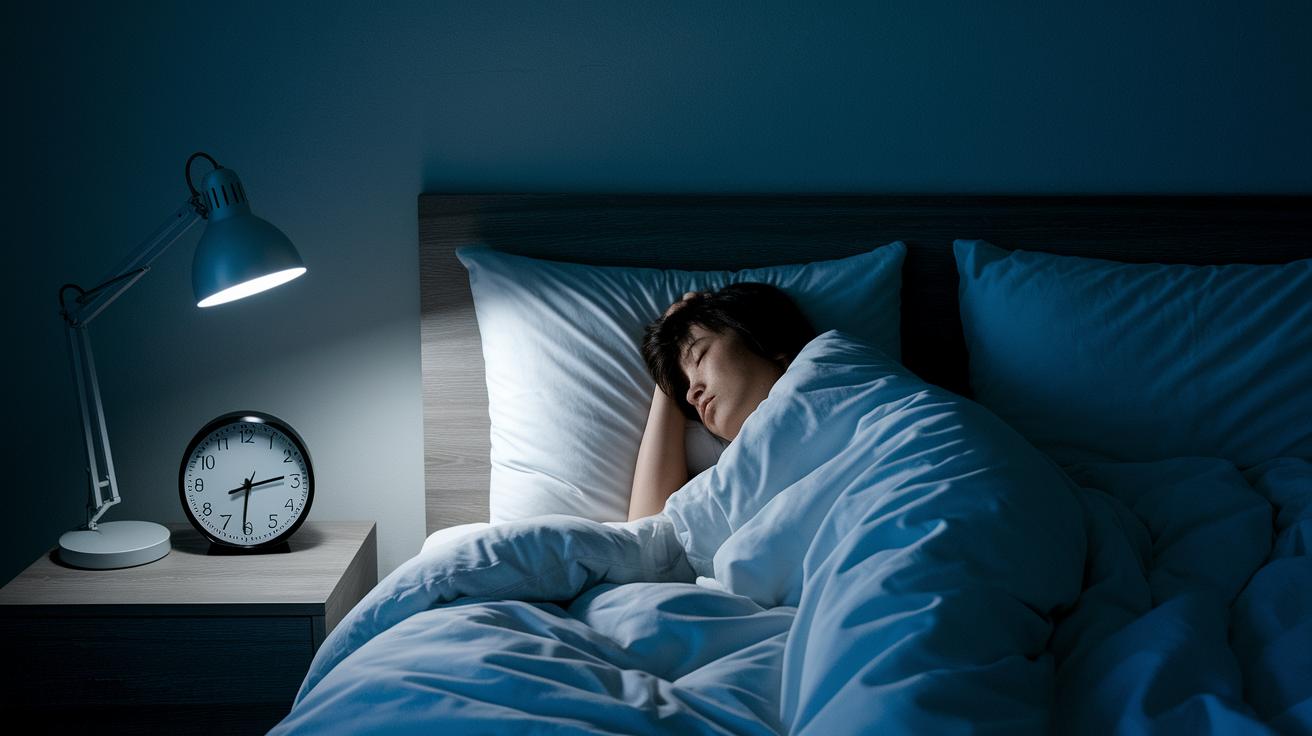
These headaches happen only at night while you sleep. The pain can feel dull, throbbing, pulsating, sharp, stabbing, or burning. It is strong enough to wake you suddenly. Each headache lasts at least 15 minutes and may go on for hours. They often occur daily or several times a week, which can leave you very tired during the day.
Doctors use these clues to diagnose hypnic headaches:
- There are 10 or more attacks that happen only during sleep.
- Each headache lasts between 15 and 180 minutes.
- There are no extra signs such as eye watering or facial sweating (cranial autonomic features).
- No other cause of headache is found.
- Your sleep is clearly affected.
Under ICD-10, these headaches are coded as G44. This means they are recognized as a distinct headache type, separate from others that occur during the day or have extra neurological signs. Paying attention to how often the headaches occur, how long they last, and their impact on your sleep will help your doctor decide on the best treatment plan.
Causes and Risk Factors of Sleep‐Onset Hypnic Headaches
Doctors still do not know the exact cause of these headaches. Most experts think several factors may work together rather than one single reason. This makes it hard to pinpoint why you get these headaches when you sleep.
Some studies show that changes in melatonin (the hormone that helps you sleep) levels can upset your natural sleep cycle. In addition, blood vessels may act abnormally, which can change blood flow to your brain during sleep. Shifts in sleep stages may interrupt the normal cycle of deep and light sleep. The hypothalamus (the part of your brain that keeps your sleep schedule) plays an important role in these changes.
These headaches are most common in people over 50. They are rare in younger adults. This pattern suggests that as you age, changes in your brain’s sleep control systems might increase your risk of getting these nighttime headaches.
Evidence-Based Treatments for Nocturnal Hypnic Headaches

We start with a safe and simple treatment and add more options if needed. The first step is taking 40–60 mg of caffeine by mouth right before bed. This low-risk option is easy to use and works for many people. If caffeine does not reduce your headache, your healthcare provider might try other treatments. For example, they may add sustained-release indomethacin or prescribe lithium carbonate at a dose between 300 and 600 mg. Use lithium with care, especially if you are older, as it can have side effects. Some clinicians also consider medications like topiramate (25–100 mg) or oxetorone (60–120 mg) if the first choices don’t work well. Each of these drugs targets a different process that may be causing your headaches, all with the goal of protecting your sleep while cutting down on painful wake-ups.
| Treatment | Dosage | Notes |
|---|---|---|
| Caffeine | 40–60 mg | First step; low risk before bed |
| Indomethacin | Sustained-release | Second option if needed |
| Lithium | 300–600 mg | Use carefully in older adults |
| Topiramate | 25–100 mg | Alternative option |
| Oxetorone | 60–120 mg | Additional treatment choice |
It’s important to keep track of how well your treatment is working. Use a headache diary to write down the time, intensity (mild/moderate/severe), and duration of your headaches. This record helps your healthcare provider adjust your treatment plan as needed. Also note that quick treatments like subcutaneous sumatriptan or extra oxygen usually do not work for these nighttime headaches. Instead, the focus is on preventing them and managing your symptoms steadily.
Always work closely with your healthcare provider when trying these treatments. If you notice any new or worsening symptoms, contact them right away.
Home Care and Natural Remedies for Hypnic Headaches
If you experience headaches during sleep, you can try some simple home remedies that may help ease the pain. Taking a small amount of caffeine or a melatonin supplement before bed can adjust your sleep cycle and ease nighttime discomfort. Setting a regular bedtime and keeping your room dark, quiet, and cool creates a natural environment for rest. A steady sleep routine may help reduce the number of headache episodes.
You can also support your neck and head with ergonomic pillows. This extra support may lessen any strain that could trigger pain. Before bed, practice deep breathing or gentle stretching. These relaxation techniques can help lower stress, which might further reduce headache attacks.
- Stick to a consistent sleep schedule.
- Reduce nighttime disturbances such as bright lights or loud sounds.
- Use pillows that offer proper head and neck support.
- Do deep breathing or gentle stretching before sleep.
- Keep a diary of your sleep and headache patterns to spot trends.
If these steps do not help or your headaches become more frequent or severe, please talk to your healthcare provider. They can review your sleep habits and overall health to decide if additional treatment is needed.
Differential Diagnosis in Nighttime Head Pain: Hypnic vs Other Headaches
Quick take: Hypnic headaches occur only when you sleep. Knowing your headache type can help you act safely and seek the right care.
Hypnic headaches happen during sleep only, while other headaches like cluster, migraine, or tension-type occur at different times. Understanding these differences helps your doctor decide if you need extra tests or imaging. It also explains why you might feel pain at night but not during the day. Knowing the type of headache can ease your worries and lead to faster relief.
| Feature | Hypnic Headache | Cluster Headache | Migraine | Tension-Type Headache |
|---|---|---|---|---|
| Onset timing | Only at night during sleep | During day or night | Usually during day | No link to sleep |
| Duration | 15–180 minutes | 15–180 minutes | Several hours | Varies |
| Pain quality | Dull, throbbing, stabbing, or burning | Very severe and one-sided | Pulsing, sometimes with aura (warning signs) | Mild pressure on both sides |
| Autonomic signs | Usually none | Often present | Sometimes present | None |
If you see red flags, act now. Watch for big changes in your headache pattern or new symptoms like confusion, weakness, or a sudden, unexplained worsening of pain. These signs could mean there’s another condition at play. If any of these appear, call emergency services immediately or seek medical care as soon as possible.
Current Research and Future Directions in Hypnic Headache Management
Quick take: Sleep cycle issues may trigger hypnic headaches, but more studies are needed.
Recent research shows that problems with your body's sleep clock (circadian rhythm) and a small brain area called the hypothalamus might cause these nighttime headaches. Studies suggest that changing sleep stages can trigger pain that wakes you up. There's evidence that disrupted melatonin patterns (changes in the sleep hormone) may lead to headaches, though clear treatment plans still need to be worked out.
Looking ahead, researchers want to try new treatments and improve current ones. They are exploring non-drug options like light therapy and neuromodulation (methods to change nerve signals) to lessen the pain. More detailed studies on sleep and pain may help find signs that predict when these headaches will occur. Big, well-planned trials are needed to confirm these ideas and sharpen treatment strategies.
Together, these studies could lead to safer and more targeted treatments for people with hypnic headaches and help us better understand why this pain occurs at night.
Final Words
In the action, we explored hypnic headache by defining its key features and linking it to disrupted sleep and circadian control. We broke down typical signs, diagnostic steps, and treatment options. We also shared home-care tips and insights to help monitor and prepare for medical visits. This overview serves as a trusted guide for patients facing sleep-related head pain. Stay calm, track your symptoms, and remember that understanding your condition is a critical step toward better care.
FAQ
Are hypnic headaches dangerous?
The hypnic headache is generally not dangerous though it can disrupt sleep. It is not life-threatening, but you should see a doctor if symptoms worsen or become frequent.
How do you treat a hypnic headache?
The treatment for hypnic headaches may include bedtime caffeine, indomethacin, or melatonin. Some people also benefit from natural remedies and improved sleep hygiene. Always follow your clinician’s advice.
What causes hypnic or night headaches?
The causes of hypnic headaches remain unclear, but disruptions in melatonin levels, vascular changes, and shifts in sleep stages appear to trigger these headaches, especially in people over 50.
What does a hypnic headache feel like?
A hypnic headache typically causes dull, throbbing, or burning pain during sleep, often waking you up at a similar time each night. The pain usually lasts at least 15 minutes and may occur several times a week.
Can hypnic headaches be cured?
While hypnic headaches can be managed with treatments like caffeine or medications, there is currently no known cure. Management focuses on reducing symptoms and improving sleep quality.
How does melatonin work for hypnic headaches?
Melatonin may help by regulating sleep cycles and reducing headache frequency. Although evidence is mixed, some people find that melatonin supplements, along with other treatments, improve symptoms.
What natural treatments are available for hypnic headaches?
Natural treatments include maintaining a consistent sleep schedule, creating a dark and quiet sleep environment, using supportive pillows, and practicing relaxation exercises. These measures can complement medical treatment.
What insights can hypnic headache Reddit posts offer?
Reddit discussions on hypnic headaches share personal experiences and tips, which can be informative. However, they should not replace professional advice; always consult a doctor for proper evaluation and treatment.