


Quick take: Chest tightness can start suddenly and may mean something serious.
If you have any of these emergency signs, call emergency services now:
• Severe chest pressure
• Pain spreading to your arm, jaw, or back
• Shortness of breath or trouble breathing
• Dizziness or feeling faint
If your symptoms get worse quickly or don’t improve, seek care today. For milder discomfort, try resting and note any changes in your symptoms.
Have you ever felt a heavy weight on your chest that makes it hard to breathe? That pressing feeling can hit suddenly and leave you unsure of what to do next. In this guide, we explain safe, simple steps to ease chest tightness and help you feel better right away. Read on for clear actions you can take to manage this symptom and regain control of your well-being.
how to treat chest tightness: Feel Better Today
Quick Take: Chest tightness can feel heavy and sudden. Try these safe, simple steps immediately.
If you have any of these emergency signs, call emergency services now:
- Severe chest pain that spreads to your arm or jaw
- Difficulty breathing or shortness of breath
- Fainting or severe dizziness
If your chest tightness gets worse or does not improve with self-care, seek same-day medical help.
You might suddenly feel a heavy, crushing pressure in your chest. The pain can be squeezing, sharp, or even burning. It may worsen with activity and ease when you rest.
When you feel this tightness, act quickly. Follow these steps:
- Stop your activity and sit or lie down in a safe, comfortable spot.
- Breathe slowly and deeply for 2-3 minutes.
- Place a warm compress on your chest to help relax your muscles.
- Sip water slowly to keep yourself hydrated.
- Try a short muscle relaxation routine.
- Use guided imagery by picturing a calm place and reminding yourself that you are safe.
These simple steps may help ease the discomfort. Remember, if your symptoms continue or worsen, see a doctor right away.
Common Causes of Chest Tightness and How to Identify Them

Quick take: Chest tightness can come from heart issues or other causes, so know your signs and act fast if needed.
If you have any of these emergency signs, call emergency services now:
- A heavy or squeezing pain that does not ease with rest
- Pain spreading to your jaw or arms
- Sweating, nausea, or trouble breathing
If the pain is less intense, watch your symptoms and note when they occur. Then, follow up with your doctor if you do not feel better.
Chest tightness may be a sign of different problems. It might be heart-related or caused by anxiety, asthma, acid reflux, or muscle strain. The feeling can be heavy, burning, or just very tight. Paying attention to how long the pain lasts, what sets it off, and if you have other signs like sweating or nausea will help you figure out the cause. For example, if the pain spreads to your jaw or arms when you exert yourself, it could mean your heart is under stress.
Cardiac-Related Causes
A heart attack or angina (chest pain from reduced blood flow) can feel like a tight, squeezing pressure on your chest. This pain might travel to your arm or jaw. You might also feel very sweaty or sick. It usually does not get better when you rest. If you notice these signs, it is important to get help right away.
Non-Cardiac Causes
Other causes of chest tightness include anxiety or panic attacks, where you might breathe fast and feel tight in the chest. An asthma attack can cause wheezing and similar discomfort. Acid reflux (heartburn) can lead to a burning chest pain after eating. Muscle strain from physical effort or stress can also cause a tight feeling, which often improves with rest. Knowing these differences can help you decide if your symptoms are mild or if you need a medical check-up.
Natural Home Remedies for Easing Chest Tightness
Quick take: These home remedies may ease mild, non-cardiac chest tightness. If you feel severe pain or have trouble breathing, call emergency services right away.
Triage Steps:
• Call emergency services now if you experience crushing chest pain, shortness of breath, or fainting.
• Seek urgent care if your symptoms worsen or you feel additional pressure in your chest.
• Otherwise, try these gentle at-home steps and monitor your symptoms.
Herbal teas like ginger or chamomile can help relax your chest muscles and ease tension. Picture yourself sipping a warm cup as you feel a slow easing of tightness. These teas carry natural compounds that may help your muscles relax for easier breathing.
Another option is a turmeric latte. This warm, spicy drink may gently reduce inflammation that adds to chest pressure. Enjoying a turmeric latte might help lessen the heavy, tight feeling in your chest with each comforting sip.
Heat and steam therapies can also help. A warm compress on your chest may relax stiff muscles. Inhaling steam from a bowl of hot water can open up your airways. Wrapping yourself in a warm towel and breathing in soft steam in a calm setting may ease the constricting pressure.
Aromatherapy offers another natural approach. Diffusing essential oils like lavender or eucalyptus creates a calming atmosphere and may help open your airways. Imagine a room filled with a soft lavender scent that relaxes both your mind and body.
Remember to stay hydrated. Drinking room-temperature water can help relax your muscles and support smooth body function. Over-the-counter antacids or NSAIDs (medications for pain and inflammation) may help if you also experience reflux or mild muscle pain. This balanced approach can help you manage mild chest tightness while you watch your symptoms closely.
Breathing and Physical Exercises to Relieve Chest Tightness
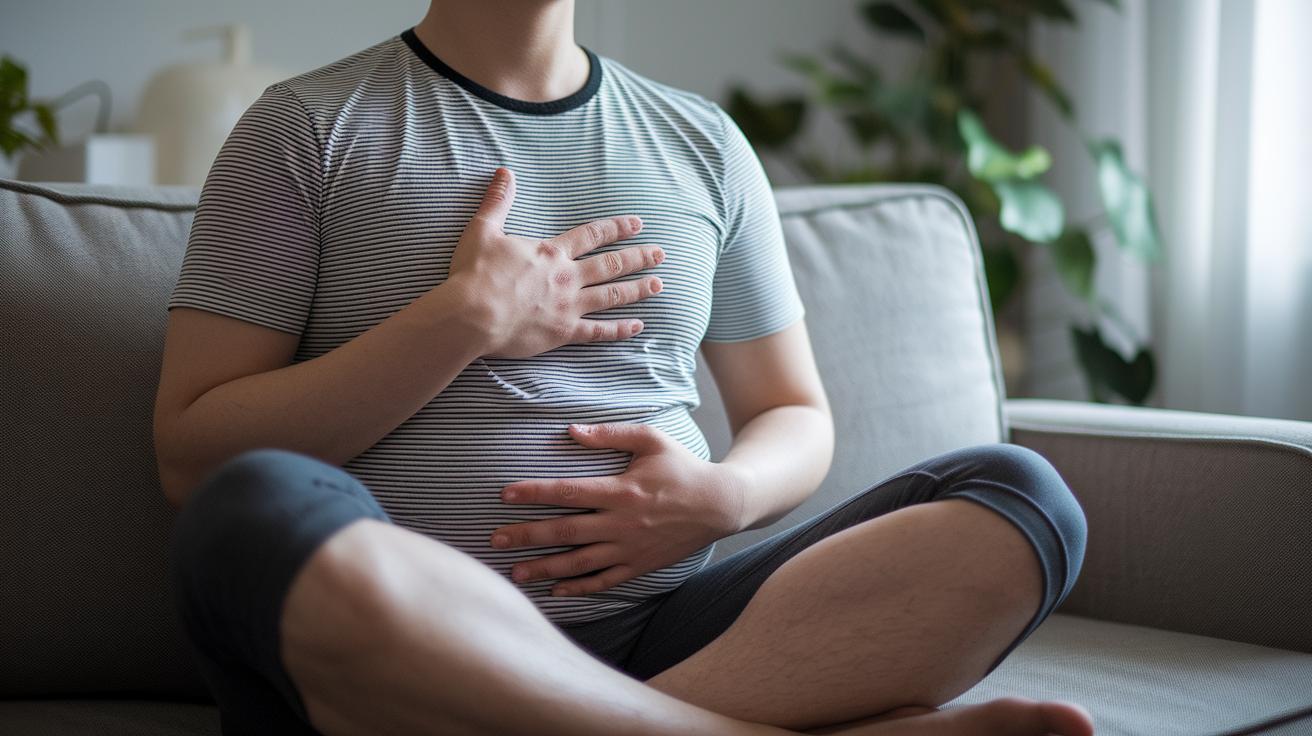
When you feel chest tightness, simple breathing and gentle movements may help open up your chest and ease that heavy feeling. These exercises work by improving air flow and loosening tight muscles so you can feel more comfortable.
Breathing Techniques
Try belly breathing by sitting comfortably and placing one hand on your stomach. Breathe in slowly through your nose for 4 seconds until your stomach rises, then breathe out gently through your mouth for 6 seconds until your stomach falls. You can also try box breathing: breathe in for 4 seconds, hold your breath for 4 seconds, breathe out for 4 seconds, then pause for 4 seconds before starting again. These methods help steady your breathing and ease worry.
Yoga and Stretching Poses
Use yoga poses that open your chest, like a chest opener, child's pose, or cat-cow. Sit or stand with relaxed shoulders and lift your arms to stretch your chest muscles. You can also extend your arms out to the sides and slowly rotate your shoulders to relieve tension. These moves encourage better blood flow and flexibility, helping to ease the tightness.
Doing these breathing and exercise techniques regularly can boost your lung power, reduce muscle tension, and make you feel more at ease, easing the pressure in your chest.
Monitoring Chest Tightness and When to Seek Professional Help
Quick take: Severe chest tightness with extra symptoms needs urgent care.
If you have any of these emergency signs, call 911 immediately:
- Severe, unrelenting chest tightness
- Sweating or nausea
- Pain that spreads to your arm or jaw
- Difficult or marked breathlessness
These signs can mean a serious heart or lung issue. Acting fast can be life-saving.
It can help to keep a diary of your chest tightness. Write down when it starts, how long it lasts, and how strong the discomfort is. Note any triggers like exercise or stress. Record what makes it better or worse and list any changes in your breathing or energy. Sharing this diary with your doctor can show clear patterns and help them understand your condition.
If you have milder, ongoing chest tightness that does not get better with basic care, it’s a good idea to see a doctor. Your clinician might run tests, such as checks of your lung function (tests that measure how well your lungs work), and suggest changes in your lifestyle or other treatments to help manage your symptoms. Regular tracking of your symptoms puts you and your doctor in a better position to manage your respiratory ease safely.
Final Words
In the action from the start, we explored practical steps to relieve chest tightness. We discussed immediate home care steps, common causes, natural remedies, and simple breathing exercises.
You now have a clear checklist to ease symptoms and know when to seek help. Stay alert by tracking your episodes and reviewing your progress.
Remember, if you ever need guidance on how to treat chest tightness, prompt care and monitoring can bring you relief and peace of mind.
FAQ
How to relieve chest tightness from anxiety?
The method to relieve chest tightness from anxiety involves stopping activity, practicing deep breathing, using progressive muscle relaxation, and positive self-talk to ease tension and calm your body.
How to relieve chest tightness with shortness of breath or wheezing?
The method for easing chest tightness with shortness of breath or wheezing includes sitting or lying down, taking slow, deep breaths, using a warm compress, and sipping water to help relax your chest muscles.
How to relieve chest pain at home?
The way to relieve chest pain at home involves stopping activity, resting in a supported position, practicing deep breathing, applying a warm compress, and staying hydrated until you feel relief.
Why does my chest feel tight, heavy, or have a tight pain in the middle?
The feeling of a tight, heavy chest or focused pain in the middle can stem from anxiety, muscle strain, or mild congestion. Monitor your symptoms and seek help if they worsen or are accompanied by other red flags.
What causes chest pain in a woman?
The cause of chest pain in a woman can range from heart-related issues to non-cardiac factors like anxiety, acid reflux, or muscle strain, and differences in symptoms warrant professional evaluation when concerns arise.
How to relieve chest congestion in kids?
The approach to relieve chest congestion in kids includes offering warm fluids, using a humidifier, and encouraging gentle breathing techniques while monitoring for any worsening signs or discomfort.
How to relieve chest tightness during pregnancy?
The strategy to relieve chest tightness during pregnancy consists of gentle rest, slow deep breathing, keeping hydrated, and applying a warm compress, but be sure to consult your healthcare provider to rule out complications.