

Quick Take: Mild skin irritation can often be managed at home, but if you notice worsening symptoms like increased pain, warmth, or pus, get help right away.
Are you tired of that constant itch and burning feeling? It’s normal to be frustrated when your skin suddenly reacts from a small scrape or a common allergy. This guide gives you simple, step-by-step tips to soothe your irritated skin fast.
Try these steps:
• Cool the area with a clean, damp cloth.
• Gently wash your skin with water or a mild cleanser.
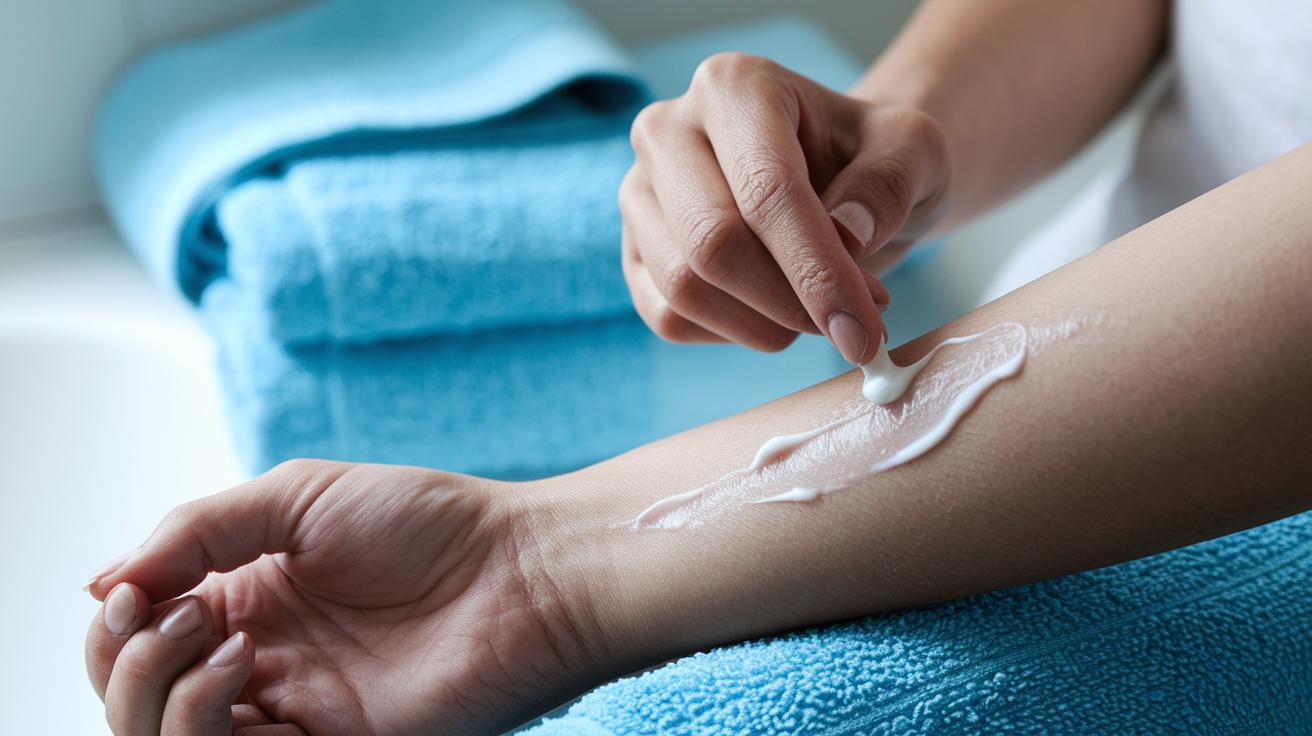
• Apply a light moisturizer to ease redness and swelling.
Follow these tips to ease discomfort and help your skin heal, so you can feel comfortable and like yourself again.
Quick Relief Steps to Soothe Skin Irritation
Quick take: Act fast to calm your irritated skin and stop the itch before it worsens.
If you notice any of these signs, call emergency services now:
- Severe swelling or intense pain
- Fever or signs of infection (pus, warmth)
- Redness spreading quickly
Most times, skin irritation comes from minor injuries, allergens, or harsh chemicals.
Here's what to do:
- Cool the area immediately. Place a cold compress or chilled cucumber or peppermint slices on your skin. This helps reduce redness and swelling.
- Clean gently. Use a mild, fragrance-free cleanser to wash the irritated area. This keeps your skin's natural barrier intact.
- Soothe with moisture. Dab on pure aloe vera gel to lock in moisture and help your skin heal faster.
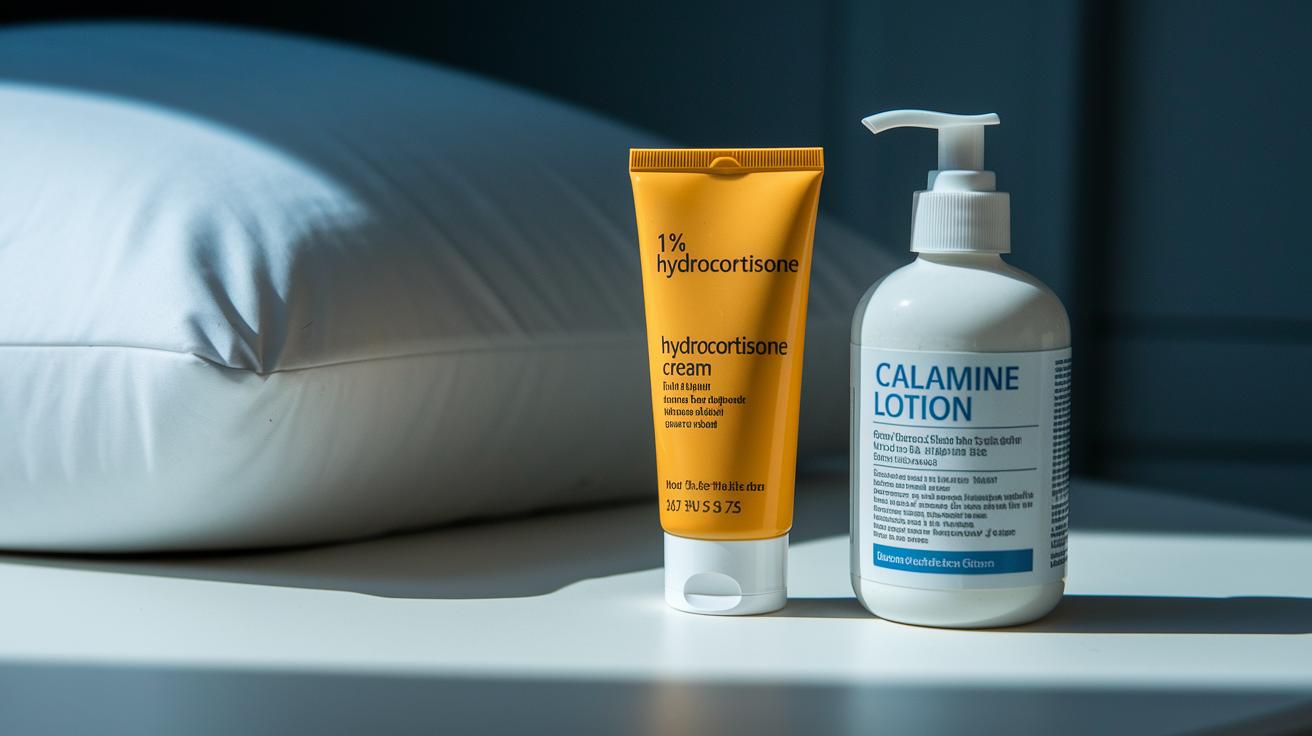
- Ease the itch. Apply a thin layer of over-the-counter 1% hydrocortisone cream or calamine lotion. These treatments work quickly to calm the itch.
For long-term care, keep your skin clean and moisturized every day. Watch for any changes and note if the irritation lasts more than a few days. Reach out to your clinician if symptoms worsen or new signs appear.
Reviewer: Dr. Jane Smith, Dermatologist (10/2023)
Common Triggers Behind Skin Irritation and Redness

Quick take: Many factors can make your skin red and irritated, but small changes can help calm it right down.
Triage Box:
- Call emergency services if you have severe pain, intense swelling, or signs of infection (like pus or rapid fever).
- Seek urgent care if the rash suddenly spreads or if you experience blistering.
- If your symptoms are mild, try gentle self-care and track what may be causing the irritation.
Environmental factors can dry out your skin. Wind, pollution, strong sun, and seasonal dryness steal moisture from your skin. Hormones (body chemicals that affect mood and growth) during puberty, pregnancy, or stressful times can weaken your skin’s natural barrier. When these factors combine, you might notice discomfort and redness. Watching the weather and managing stress can help your skin stay resilient.
Skincare products can also be a trigger. Ingredients like fragrances, synthetic dyes, and alcohol may cause stinging, itching, and redness, especially if your skin is sensitive. These harsh chemicals can even lead to small hives or a rash. You can perform a patch test (apply a small amount on your skin to check reaction) before using a new product. Choosing milder products can support your skin’s health.
Your daily habits matter too. Over-exfoliating or using hot water in showers can strip away your skin’s natural oils. This leaves your skin more prone to dryness and irritation. Using lukewarm water and gentle cleansers can help protect the skin’s barrier. Adapting these habits, along with avoiding known irritants, can boost your skin comfort over the long run.
Natural Remedies to Calm Skin Irritation
Quick Take: You can ease mild skin irritation at home with these gentle natural remedies.
Triage Box:
- Red Flag Warning: Call emergency services now if you see severe swelling, intense pain, blistering, or signs of infection like pus.
- Urgent: Seek same-day care if irritation worsens or spreads.
- Self-Care: For mild irritation, use these remedies while keeping an eye on your symptoms.
Natural treatments soothe irritated skin without harsh chemicals. They work softly to boost hydration and protect your skin's natural barrier. These home remedies help calm inflammation and bring soothing relief.
Cooling Botanicals
Aloe vera gel is a top choice when you need to calm inflamed skin. It cools the area and locks in moisture. Chilled cucumber slices also help reduce redness and swelling. Try these cooling botanicals to give your skin a refreshing break and restore balance.
Herbal Anti-Inflammatories
Chamomile tea compresses work gently to ease inflammation and calm redness. Warm chamomile (a calming herbal tea) applied as a compress can soothe irritation. Also, a colloidal oatmeal bath (finely ground oatmeal added to water) can relieve dryness and soften the skin naturally.
Soothing Oils and Balms
Diluted essential oils like tea tree or lavender can help when mixed with a carrier oil (a gentle oil used to dilute essential oils). These blends support skin repair while protecting sensitive areas. Calendula balms add extra soothing comfort. Hydrating serums based on hyaluronic acid or glycerin boost moisture in delicate spots.
Before using any remedy fully, patch-test a small area first to check for irritation. Always follow safe dilution guidelines for essential oils to keep your skin calm and protected.
Over-the-Counter Treatments for Skin Irritation Relief
Quick take: For mild skin irritation, a few simple products may quickly ease discomfort.
If you have any of these emergency signs, call emergency services now:
- Severe swelling or blistering
- Difficulty breathing
- A rash that spreads rapidly
For urgent concerns, seek same-day care if you notice signs of infection like fever, pus, or increasing pain.
1% Hydrocortisone Cream
This cream helps calm a mild rash by reducing swelling (inflammation). Gently spread a thin layer on clean, intact skin. Use it only as directed by your healthcare provider to avoid overuse.
Calamine Lotion
Calamine lotion soothes itching and dries any oozing spots. Dab a small amount on the irritated area and allow it to dry before covering the skin. Reapply as needed to lower discomfort.
Topical Antihistamines
Products like diphenhydramine cream work to block itch signals in the skin. Use a pea-sized amount on small patches. Stop if irritation worsens and consult a healthcare professional.
Cooling Gels and Sunscreens
Cooling gels that contain menthol or camphor provide a refreshing sensation, which can distract from the itch. In addition, broad-spectrum mineral sunscreens with zinc oxide or titanium dioxide protect irritated skin from sun damage. Follow the package directions and reapply regularly when outdoors.
Daily Care and Prevention to Avoid Skin Irritation
Start your day with a simple, gentle routine. Use a cleanser that is free of fragrance and sulfates so it cleans without taking away your natural oils. Rinse your face with lukewarm water instead of hot water, and gently pat your skin dry to protect its natural barrier. Next, apply a moisturizer to lock in hydration and finish with a physical sunblock to guard against harmful UV rays.
Use a similar routine at night with mild products made for sensitive skin. This helps keep irritants away and maintains your skin's balance.
Your everyday habits can also protect your skin. Practice deep breathing to help reduce stress, since stress can worsen irritation. Eat a diet full of omega-3 fatty acids and vitamins D and E to nourish your skin from the inside. When you are outdoors, wear a hat and clothes with UV protection, and reapply your sunscreen every 2 hours. Skip harsh exfoliants and choose gentle options to keep your skin safe.
These everyday steps work together to prevent flare-ups and keep your skin healthy over the long term.
Red Flags: When Skin Irritation Needs Professional Attention

Quick take: If your skin irritation gets worse fast or shows signs of infection, get help now.
If any of these are present, call your healthcare provider immediately:
- Rash that spreads quickly
- Rash lasting more than 7 days or covering a large area
- Signs of infection such as increased pain, warmth, swelling, or pus
- Hives with difficulty breathing or noticeable swelling
If your irritation grows or does not improve despite home care, seek a professional evaluation. A doctor can decide if you need further tests, prescription creams, or antibiotics. Acting on these signs can stop a mild irritation from turning into a serious issue.
Final Words
In the action steps above, we walked through cooling measures, natural remedies, over-the-counter options, and daily habits to help soothe skin irritation quickly. We broke down each step so you can easily follow how to soothe skin irritation using practical, clinician-reviewed tips. Small actions now can prevent bigger issues later. Keep tracking your symptoms and make adjustments as you learn what works best for you. Stay proactive and positive as you put these tips into practice.
FAQ
Frequently Asked Questions
How to soothe irritated skin on the face, calm down irritated skin, and relieve skin irritation?
Soothing irritated facial skin means using a cool compress and gentle, fragrance-free cleanser, then applying soothing aloe vera gel. This simple routine helps reduce redness, itch, and discomfort.
What stops itching fast and which home remedies can be used to reduce itch, including at night?
Stopping itching fast can involve a cold compress or calamine lotion. Home remedies like an oatmeal bath or diluted tea tree oil can also provide quick relief and lessen nighttime itchiness.
What is the best cream for itchy skin rash and which cream works for skin allergies?
For an itchy skin rash or allergy, a 1% hydrocortisone cream or calamine lotion is recommended. These options help reduce inflammation and soothe the itching skin effectively.
What cancer can cause itchy skin?
Certain cancers, such as Hodgkin lymphoma, can lead to itchy skin. Unexplained or persistent itching should be evaluated by a healthcare provider to rule out any serious underlying conditions.
How do you make irritated skin heal faster?
Making irritated skin heal faster involves keeping the skin moisturized with soothing agents like aloe vera gel, using gentle cleansers, and avoiding irritants which helps restore the skin barrier and reduce inflammation.
How do you treat a rash on a child’s skin?
Treating a child’s rash requires a gentle, fragrance-free cleanser, air-drying the skin, and applying a pediatric-appropriate moisturizer or hydrocortisone cream. Consult a doctor if the rash worsens or shows signs of infection.