


Quick take: Most head pressure from muscle tension can be eased at home with simple steps.
If you have any of these emergency signs, call emergency services now:
- A headache that gets much worse very quickly
- New vision problems
- Weakness or numbness on one side of your body
- Confusion or trouble speaking
Many people feel as if their head is trapped in a vise. A heavy, pressing headache can really disrupt your day. We know this can be worrisome.
You can try these simple techniques at home:
- Use a warm cloth on your head to help relax tight muscles.
- Gently massage your temples and neck to boost blood flow.
- Practice deep breathing for a minute or two to calm your body.
These steps may help ease your head pressure quickly. If your pain worsens or new symptoms appear, seek care from a clinician right away.
Immediate Relief Techniques for Head Pressure: Feel Amazing Now
Quick take: Use these simple home methods to ease head pressure fast.
If you have any of these emergency signs, call emergency services right away:
• Worsening head pain
• Changes in vision
• Severe dizziness
These non-medicated techniques help lower head pressure and relax tight muscles using tools you already have at home. They work in minutes by boosting blood flow and easing tension.
Here are some easy steps:
- Hot compress: Place a warm towel on your forehead for 10 minutes. This helps increase blood flow and reduce tightness.
- Scalp and temple massage: Gently massage or tap your scalp and temples for 60 seconds on each side. This relaxes your muscles.
- Saline nasal spray: Spray 2-3 times into each nostril to clear mucus and open your sinus passages.
- Deep breathing with a cold pack: Take 5 full, deep breaths to relax your blood vessels, then hold a cold pack on your temples for 5 minutes to lower swelling.
Repeat these steps every 2-3 hours as needed. If your symptoms get worse or if you notice any red flags, stop and seek medical care immediately.
Common Causes of Head Pressure and Cranial Tension

Tension headaches happen when the muscles around your skull tighten. You might feel a steady, dull ache that makes your head feel heavy and tight. This pain is often linked to stress or long hours at a desk with poor posture. Try gentle stretches or a light self-massage to relax these muscles. Recognizing that muscle tightness is causing your headache is the first step toward relief.
Sinus headaches feel different. When mucus builds in your sinuses (air spaces in your face), you may experience pain on your forehead, cheekbones, or around your nose. This congestion can create a focused pressure that might last up to 2 weeks if not treated. On the other hand, migraines trigger throbbing pain with extra sensitivity to light and sound. Knowing whether your headache is from sinus pressure or a migraine helps you choose the right treatment.
Barometric pressure headaches are linked to weather changes. Shifts in air pressure, humidity, or altitude can irritate the nerves and blood vessels in your head, triggering pain that comes and goes. Watching your local weather can give you clues if these changes are behind your head pressure instead of muscle strain or sinus issues.
Home Remedies for Sinus-Related Head Pressure
Quick take: You can ease head pressure by clearing your sinuses using warmth and moisture.
I know sinus pressure can be stressful. Warm compresses help open your passages and let mucus drain away. Adding steam inhalation boosts moisture and further clears congestion.
| Remedy | How to Use | Frequency |
|---|---|---|
| Hot Compress & Saline Spray | Place a warm towel on your face for 10 minutes, then spray each nostril 2-3 times to thin mucus | Every few hours as needed |
| Steam Inhalation | Bend over a bowl of hot water and breathe in deeply for 5 minutes | Up to three times daily |
For faster relief, you can also use an over-the-counter nasal decongestant spray. If your symptoms continue or get worse, please call your healthcare provider.
Pressure Point Therapy and Self-Massage for Head Pressure Relief
Quick take: A few gentle pressure techniques can help lower head pressure by easing tension.
Triage Box:
• Emergency: If you experience severe head pain, vision changes, confusion, or other new symptoms, call emergency services now.
• Urgent: If your discomfort worsens or lasts more than 3 days, seek medical advice.
• Self-Care: Use these massage steps carefully, and stop if you feel more pain.
Union Valley
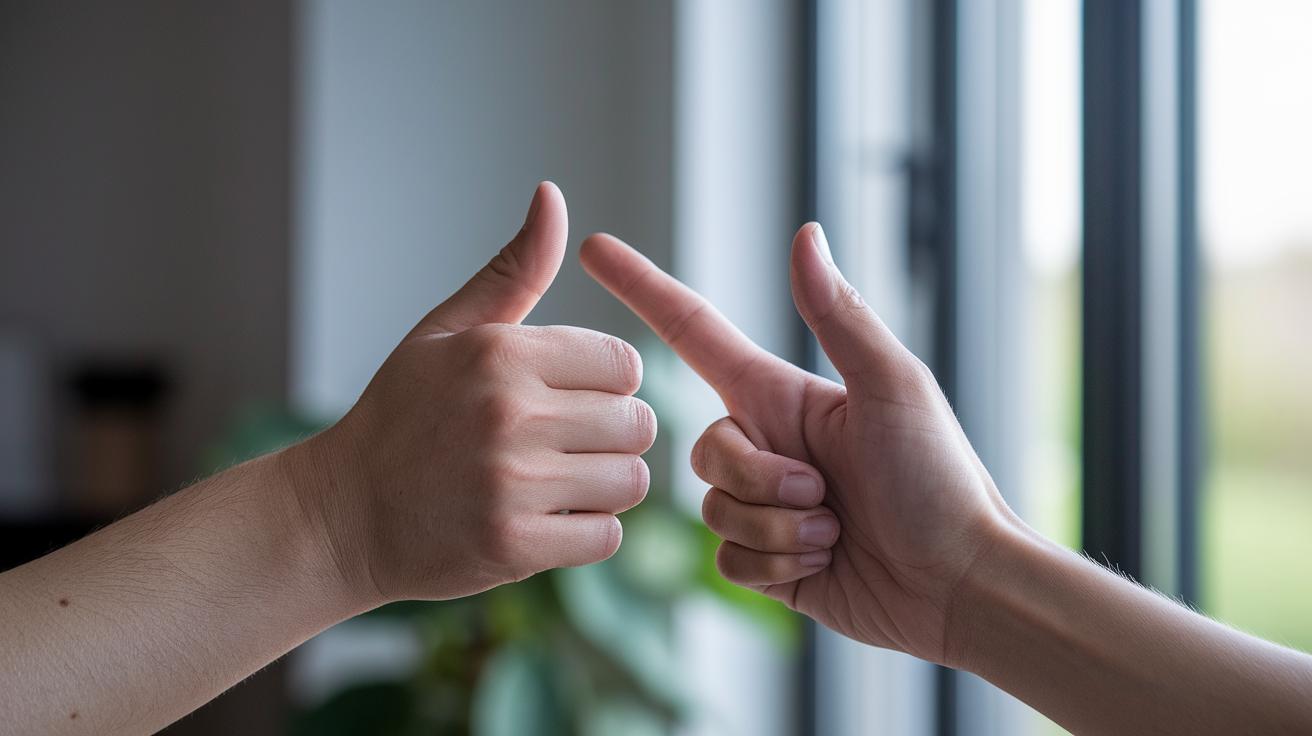
This point is right between your thumb and index finger. Use your opposite hand to press firmly in the webbing for 30-60 seconds. This helps boost blood flow and ease head tension.
Drilling Bamboo
Find the small indentations next to the bridge of your nose under your eyebrows. Gently tap or press here for 30 seconds. This action can lessen sinus pressure if congestion is adding to your discomfort.
Gates of Consciousness
At the base of your skull, in the area between your neck muscles, press firmly and hold for 1 minute on each side. Doing this may reduce nerve irritation that worsens head pressure.
Third Eye
Place your finger between your eyebrows at the bridge of your nose. Massage in slow, small circles for 1 minute. This can soothe sinus pressure and ease the tight feeling at the front of your head.
Shoulder Well
Locate the spot on your upper shoulder, halfway between the edge of your shoulder and the base of your neck. Press on each side for 30 seconds to help ease tension that travels to your head.
Repeat these steps daily for lasting relief. Use gentle pressure, and stop if your discomfort increases.
Lifestyle and Posture Strategies to Reduce Head Pressure
Your desk setup can really affect head pressure. Make sure your monitor is at eye level so you don’t strain your neck or shoulders. Use a chair that supports your lower back. When you sit comfortably, your tension can start to ease.
Add some simple neck exercises to your day. For chin tucks, gently pull your head back while keeping your chin steady for 10 seconds. Then slowly tilt your head to each side for 10 seconds. These moves can help loosen tight muscles and improve blood flow, which may ease head pressure. Try doing these during short breaks.
Improve your sleep and daily activity to keep your head feeling better. Use a supportive pillow that holds your neck well, and try not to sleep on your stomach. Take a quick break every 30 minutes to stand, stretch, or walk around. Drinking enough water throughout the day can also reduce muscle tension. Small changes like these can help manage head pressure and keep discomfort away.
Comparing Over-the-Counter and Natural Treatments for Head Pressure

Quick take: Both OTC drugs and natural remedies may ease head pressure fast, but seek help if your symptoms worsen or last longer than a few days.
Triage Box:
• Call emergency services now if you have severe headache with confusion, vision changes, weakness, or numbness.
• Seek same-day care if your head pressure comes with high fever or lasts more than 3 days.
• For mild symptoms, follow label directions on OTC medications and try natural remedies safely.
When head pressure hits, many people find relief with over-the-counter options. Ibuprofen is a pain reliever (NSAID) that usually works in about 30 minutes. However, it can sometimes upset your stomach. Acetaminophen typically takes around 45 minutes to kick in and is safe for most people. These drugs act fast, giving you quick comfort when every minute counts.
For head pressure linked to sinus issues, decongestants like pseudoephedrine can lessen mucus buildup and swelling in 15 to 30 minutes. These medicines help ease the pressure from congestion, but use them exactly as directed. Overuse may lead to a fast heart rate or jittery feelings.
If you lean toward natural remedies, several options can help. A few drops of peppermint oil on your temples offer a cooling sensation quickly. Drinking 2 cups of ginger tea throughout the day may reduce swelling. Some studies note that feverfew can lower the frequency of migraines. Also, inhaling lavender aromatherapy for about 5 minutes can reduce tension and soothe headaches.
You can safely alternate between OTC medications and natural treatments to manage your head pressure. Just remember: if your symptoms worsen or persist beyond a few days, check in with your healthcare provider. Keep a simple record of your symptoms, what you used, and how you felt to help guide your next steps.
Final Words
In the action, this article covered quick at-home techniques to ease head pressure. You learned that a hot compress, scalp massage, saline spray, and deep breathing can offer fast relief. We walked through common causes, self-care tips, and ways to balance OTC and natural treatments. Practical strategies like proper posture and targeted acupressure support long-term comfort. Remember how to relieve head pressure through these simple, actionable steps. Stay calm, follow safe practices, and keep these tips handy for when you need them most.
FAQ
How to relieve head pressure from cold or flu?
The methods to ease head pressure from a cold or flu include applying a warm or cold compress, using saline nasal spray to clear mucus, and gently massaging the forehead to relieve tension.
How to relieve a tension headache fast using pressure points?
The techniques to relieve a tension headache quickly involve massaging key pressure points like the temple and between brows, tapping the scalp, and using deep breathing to ease muscle tension.
How to stop a headache immediately at home or in 2 minutes?
The strategies to halt a headache promptly include a rapid self-massage on the temples, applying a focused compress, and practicing deep, controlled breathing for quick relief of pressing discomfort.
How can I release pressure in my head?
The approach to release head pressure combines gentle self-massage, targeted tapping techniques on the scalp and temples, and alternating warm and cool compresses to reduce inflammation and relax tight muscles.
What makes head pressure go away?
The likely causes for head pressure subsiding include clearing sinus congestion, reducing muscle tension through massage or compresses, and calming nerves with deep breathing, which together lead to noticeable relief.