


Quick take: When stress, anxiety, or depression make everyday tasks feel like a mountain, small steps can bring back control.
If you feel unsafe or have thoughts of harming yourself, call emergency services immediately. If these feelings get worse or you can’t manage daily chores, seek help from a trusted clinician or mental health professional today. Otherwise, try gentle self-care steps at home.
Some days, even simple chores feel overwhelming. You might feel drained, as if every task is an uphill battle. This can happen when stress or low mood saps your energy. We’ll show you easy, practical tips to help bring light back to your day.
Start by paying attention to your feelings. Write down your thoughts and any physical signs like tiredness or restlessness. These notes can help you see small improvements over time.
Remember, you can take control with small, steady wins. Each little success builds confidence. Stay kind to yourself and keep trying.
How symptoms affect daily life: Brighten Every Day
Quick Take: Mental health struggles can sap your energy and change your daily habits.
If you notice any of these emergency signs, call emergency services now:
- Thoughts of hurting yourself or suicidal feelings
- Severe panic or extreme confusion
If your symptoms are making daily tasks impossible or you feel overwhelmed, seek same-day help from a trusted professional.
Watch and self-manage your symptoms by noting when they occur, their intensity, and any triggers. Share these notes with your clinician to help guide your care.
Stress, anxiety, and depression can change your day in ways you might not expect. These feelings can affect your body and mind, causing fatigue, headaches, or tummy troubles even when nothing seems physically wrong. A tough day can leave you feeling so drained that even simple tasks become hard to handle.
For example, you might plan to go for a morning jog but feel too exhausted, or you may wake up determined to seize the day only to be slowed by a dull headache. Such symptoms can disrupt your routines and lower your productivity.
You might see these changes in your daily life:
- Mood shifts that bring sudden bursts of anger or deep sadness
- Trouble focusing, making decisions, or remembering details
- A general lack of energy that makes it hard to move or complete tasks
Noticing these patterns is a crucial first step. Understanding how your mental and physical symptoms connect can help you take action and plan self-care strategies that support both your body and your mind.
Physical Function Disruptions from Symptoms
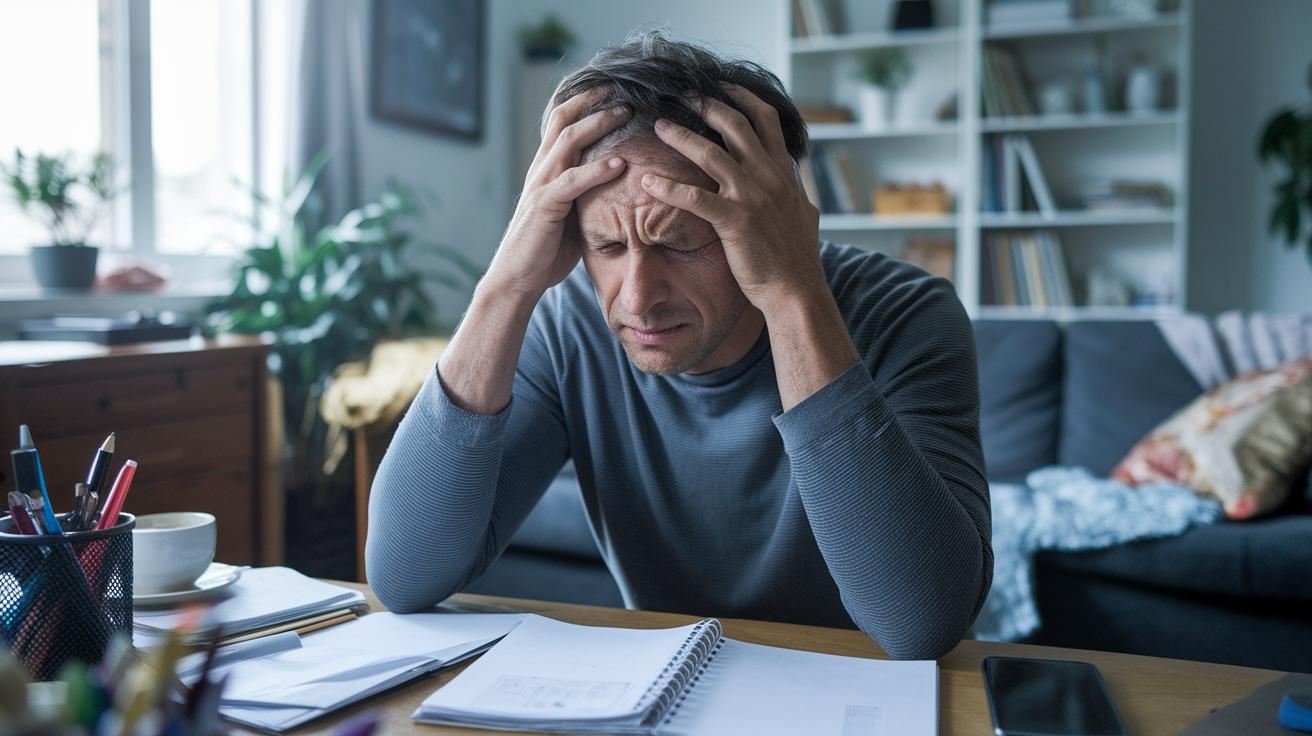
When you feel anxious, stress hormones can change more than just your mood. They can weaken your immune system (your body's defense), which in turn may increase your risk of high blood pressure, heart issues, weight gain, headaches, stomach pain, digestion problems, and ongoing pain. Constant stress makes it harder for your body to fight off bugs and infections.
Everyday tasks can become a challenge when pain and fatigue are not managed well. Many people with long-term pain say they have trouble lifting things, walking even a little, or standing for too long. This can turn simple activities into a real test of strength and gradually make you less active, which further lowers your fitness.
Ongoing discomfort and pain can hold you back from doing normal activities. For example, constant stomach pain or headaches might stop you from going for a walk or doing household chores. Over time, these issues can sap your energy and lower your quality of life.
It is important to keep track of your symptoms. Notice when you feel most limited, as this can help you adjust your daily routine and work on rebuilding your strength despite the ongoing strain on your body.
Cognitive and Emotional Interference by Symptoms
Stress can make it hard for you to concentrate and decide what to do. It can cause small memory slips and sudden changes in your mood.
You might notice:
- Times when your memory or focus doesn't work like usual.
- Moments when even simple tasks take longer to process.
- Quick emotional shifts that lead to reactions you did not expect.
For example, a brief lapse in concentration during an everyday task can set off a chain of small mistakes during the day.
What you can do:
- Write down when these episodes happen.
- Track any changes that seem different from your normal pattern.
- Share these notes with your clinician if they continue.
Keep an eye on these signs to help guide your next steps with your health care team.
Social and Professional Barriers Arising from Symptoms

Quick take: Severe mental stress can hurt your friendships and job, so take note if you see warning signs.
If you feel unsafe, overwhelmed, or like you might hurt yourself, seek help immediately.
Mental stress can make you pull away from friends and skip important work. When you feel weighed down by anxiety or depression, you might not return calls or show up for meetings. It can feel too hard to talk to others, even a friendly chat at work. This pattern can hurt your relationships at home and on the job.
Depression and anxiety can also make it tough to stick to a steady work routine. You may find it hard to focus or keep regular hours. For example, you might arrive late or leave early because your feelings are too strong to manage.
When your mood swings drive you to act on impulse, even financial choices can suffer. Many people with these symptoms say it is hard to keep up with work or school, which can then add stress to your social life.
Watch for these signs:
- Canceling plans with friends again and again.
- Missing work or school without a clear reason.
- Making sudden, impulsive decisions when stress is high.
These changes can start a cycle where less social time and work problems make your feelings of stress even worse.
Sleep and Rest Routine Disturbances from Symptoms
Quick take: Poor sleep can lead to mood swings, memory trouble, and extra health risks.
If you have any of these emergency signs, call emergency services now:
- Sudden fainting or severe confusion
- Extreme sleepiness that puts you at risk when driving or using machinery
- Chest pain or fast heartbeats
If these red flags aren’t present, try these steps:
- Stick to a regular bedtime. This helps train your body for better sleep.
- Track your sleep. Note when you fall asleep, wake up, and how you feel.
- Talk with a trusted healthcare provider if your sleep isn’t improving.
Many people with anxiety, depression, bipolar disorder, or ADHD notice that their sleep patterns change. Trouble falling asleep or sleeping too much can upset your natural cycle and make it hard to feel rested. Poor sleep can also deepen mood issues and make it tough to remember things or make decisions, creating a cycle of fatigue and emotional ups and downs.
Lack of good sleep affects your whole day. You might feel very tired, have trouble focusing, or get irritable. Over time, poor sleep can add to weight gain, high blood pressure, and a weak immune system, making you more likely to face other health problems.
Keep an eye out for these signs:
- Trouble falling asleep at night
- Waking up often during the night
- Sleeping too long but still not feeling refreshed
By tracking your sleep and talking with a healthcare provider, you can start to adjust your routine. Better sleep habits may help you feel more balanced, focused, and energetic.
Adapting Through Coping Strategies and Care Plans

Personal care plans that match your treatments and routines with your lifestyle can help you manage everyday challenges. Creating a plan that fits your unique needs builds a strong base for handling ongoing symptoms on your own.
Begin with a symptom diary. Write down when you feel symptoms, how bad they are, and what seems to help. Note the date, time, feelings, and any triggers. This diary can help you see patterns and share details with your doctor. For more help, check out this step-by-step guide to keeping a symptom diary (https://thequickesttips.com?p=1347).
Add in some relaxation exercises. Even a few minutes of deep breathing or stretching can ease tired feelings and help you reset during tough moments. These exercises work both immediately and over the long term.
Slowly adjust your daily activities. Instead of jumping back into tasks all at once, set small, clear goals. For example, try a 10-minute walk and then add more time as you gain strength. This gradual approach helps you keep your energy steady and makes daily tasks easier.
Talk openly with your doctor. Share your diary and discuss any changes that might be needed in your care plan. This conversation can lead to treatments that work better for you, such as using telemedicine to check on your progress. For more ideas on improving doctor communication using your diary, see this guide (https://thequickesttips.com?p=1371).
Note which activities help you feel better. Adjust them as needed and stay flexible with your schedule. These steps build coping skills that let you take charge of your health each day.
Final Words
In the action, this guide showed you how symptoms affect daily life in many ways. We covered physical discomfort, changes in thinking and mood, social challenges, and sleep issues.
You now have practical tips to manage these effects and build a better care plan. Keep track of your symptoms, stay informed, and lean on simple steps to protect your well-being. Every small adjustment helps you move forward with confidence.