


Quick take: Digital symptom indexes let you check your health fast using smart, trusted computer programs.
Have you ever wondered if you can monitor your health without waiting for a doctor's appointment? Digital symptom indexes let you keep track of your symptoms easily with modern computer programs instead of old paper logs. These tools use methods trusted by millions of calls so you can record any changes in your health right away. They offer fast feedback and create a clear record to share with your clinician. In short, digital symptom indexes are making self-assessment quicker, simpler, and more reliable.
Defining Digital Symptom Indexes and Their Impact on Self-Assessment
Digital symptom indexes are modern tools that let you check your symptoms quickly using smart computer programs instead of old paper logs. They let you record and follow your symptoms with simple, organized online forms. These tools use trusted methods (called Schmitt protocols) that have guided more than 250 million calls in North America over the last 25 years. That means you can rely on them for a safe, evidence-based check of your health. With these systems, you can report your symptoms any time with user-friendly screens that work 24/7, so you don’t have to wait for an in-person evaluation.
These platforms do more than just replace paper logs. They come in versions made for adults, with 3,000 decision points (steps that guide care) and 127 care guides, and also for children, with 170 guides tailored to their needs. You can use them as a chatbot or in a checklist format any time you need. They are easy to add to websites, mobile apps, or existing patient portals, and are built for smartphones so that navigation is simple. Doctors update the tools each year to keep them current with the latest research, and detailed dashboards help track how well the system works and how users engage with it.
Digital symptom indexes transform how you manage your health by giving you control and quick feedback. They help you check your symptoms in a fast and accurate way, while also giving clinicians solid data to guide your care. Fast feedback and clear reports mean that if something is wrong, you can act early and get help quicker. For example, by tracking changes in your symptoms as soon as they happen, you might reduce delays in care and enjoy better health outcomes overall.
Advantages of Digital Symptom Indexes over Traditional Methods

Quick take: Digital symptom tools help your care team spot problems fast and adjust your care quickly.
If you notice sharp changes or feel worse suddenly, call emergency services right away.
Older ways, like paper forms or logs kept only by your doctor, often miss important details. They may not capture your symptoms as they change. This can slow down your care and make it harder to track your health.
A study called the STAR trial, which looked at 766 patients with advanced tumors, found that patients who used digital tools to rate 12 common symptoms on a scale from 0 (none) to 4 (severe) had better survival and quality of life over about 7 years.
Here’s what digital symptom indexes offer:
- More exact symptom data.
- 24/7 access with quick feedback.
- Easy-to-read numbers for your doctor.
- Early alerts when serious symptoms appear.
- Faster check-ins and shorter wait times.
Digital symptom indexes use automatic measurements to give real-time health updates. This lets your care team see clear, data-driven reports. They can spot issues sooner and change your treatment plan faster. This approach cuts down on slow, manual logs and helps improve your overall care.
Core Technologies Powering Digital Symptom Indexes
Digital symptom indexes begin with a mobile-first design. The app lets you check your symptoms quickly with just a few taps, much like checking your daily weather. The clear screens guide you step by step, so you can update your health status easily without needing a computer.
The system also works with sensors you wear that track your heart rate and movement. These devices send data almost instantly, so you can spot trends in your health. If your numbers look unusual, it may be a sign to check in with a healthcare provider sooner.
Behind the scenes, advanced software reviews all the data. It combines your input with sensor details to create an easy-to-understand picture for you and your doctor. This smart setup even fits into telehealth systems like Epic MyChart, making it easier for clinicians to follow your condition and act fast when needed.
Real-World Implementations of Digital Symptom Indexes
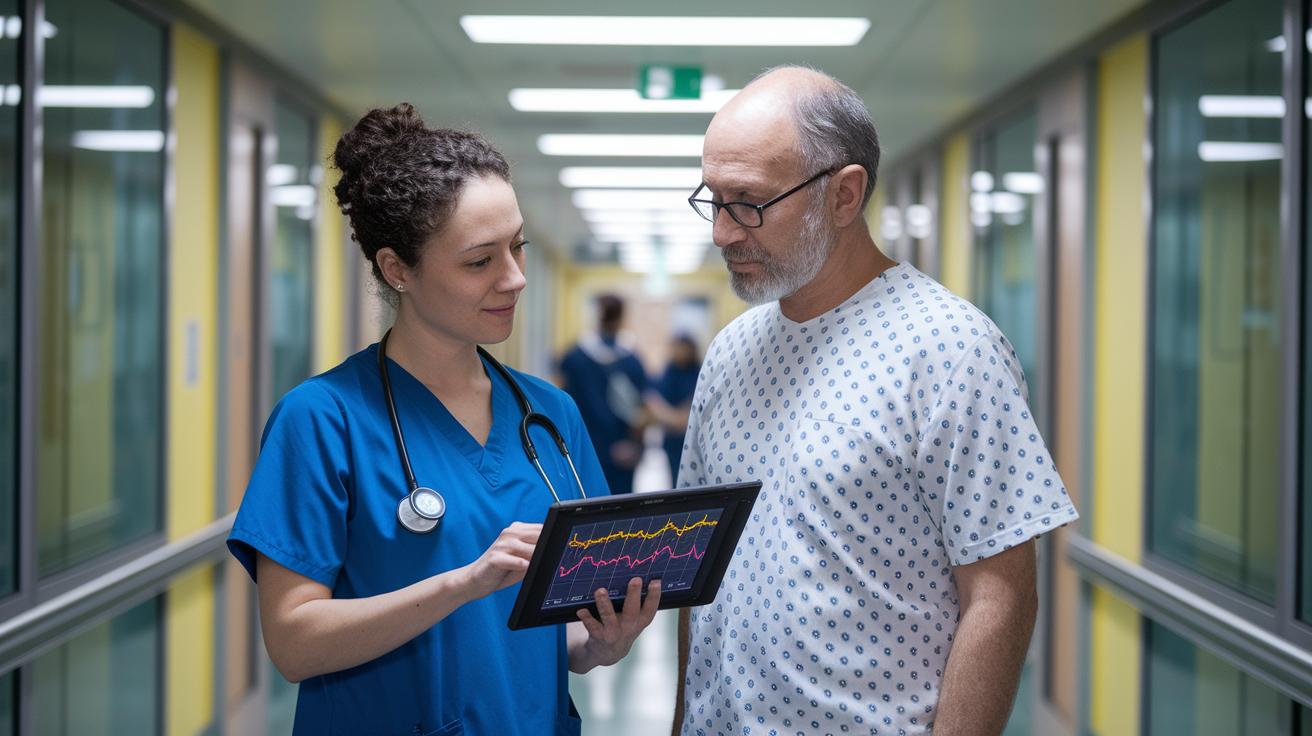
Digital symptom indexes are now used in both hospitals and by everyday consumers. These systems track symptoms in real time and guide care decisions. For instance, hospitals use digital tools to monitor symptoms, offer clear care guides, and help move patients to needed appointments. In one study at Memorial Sloan Kettering, the STAR trial used a web tool to track symptoms in 766 cancer patients, showing how interactive screening can work well in real life. Another example, the Schmitt protocol tool, is now used in 10,000 clinics and 400 nurse advice lines. It has handled 250 million symptom calls, proving it can work on a large scale. These examples show that digital symptom indexes have moved beyond small test projects to become regular parts of healthcare.
| Platform | Clinical Setting | Users | Launch Year |
|---|---|---|---|
| STAR Symptom Tracking & Reporting | Cancer centers | 766 trial patients | 2016 |
| Schmitt Protocol Symptom Checker | North American clinics | 250 million calls | 1995 |
These systems are reliable and work on a large scale. Health teams now get clear and actionable data to keep an eye on patient progress all the time. The steady flow of feedback helps teams spot new issues quickly, so they can change treatment plans when needed. With better tracking of symptoms and patient engagement, healthcare providers can fine-tune care, and hospital leaders can make smarter choices about how to use resources. This means better care and smoother healthcare delivery overall.
Addressing Challenges in Digital Symptom Index Self-Assessment
Quick take: Early digital symptom tools may not capture your full story, which can limit care accuracy.
Many early systems, like the STAR tool, only let you answer fixed questions. You could not add extra details or skip questions. This means the tool might miss how you really feel. It also needs a lot of yearly updates, which takes time and resources. The accuracy of the tool depends on clear information from you, and worries about data privacy can make you hesitant to use it.
Limitations include:
- No option to share your own words
- High effort needed for yearly updates
- Risks related to data safety and privacy
- Inconsistent user input and engagement
Developers are working on more flexible designs. New systems may let you type in your own answers and skip questions when needed. They are also improving update methods and boosting data security. These changes aim to build your trust and make the tool more reliable. Future improvements in how the system analyzes symptoms and listens to your input will help digital self-assessments become safer and more useful.
Next Steps for Digital Symptom Index Evolution
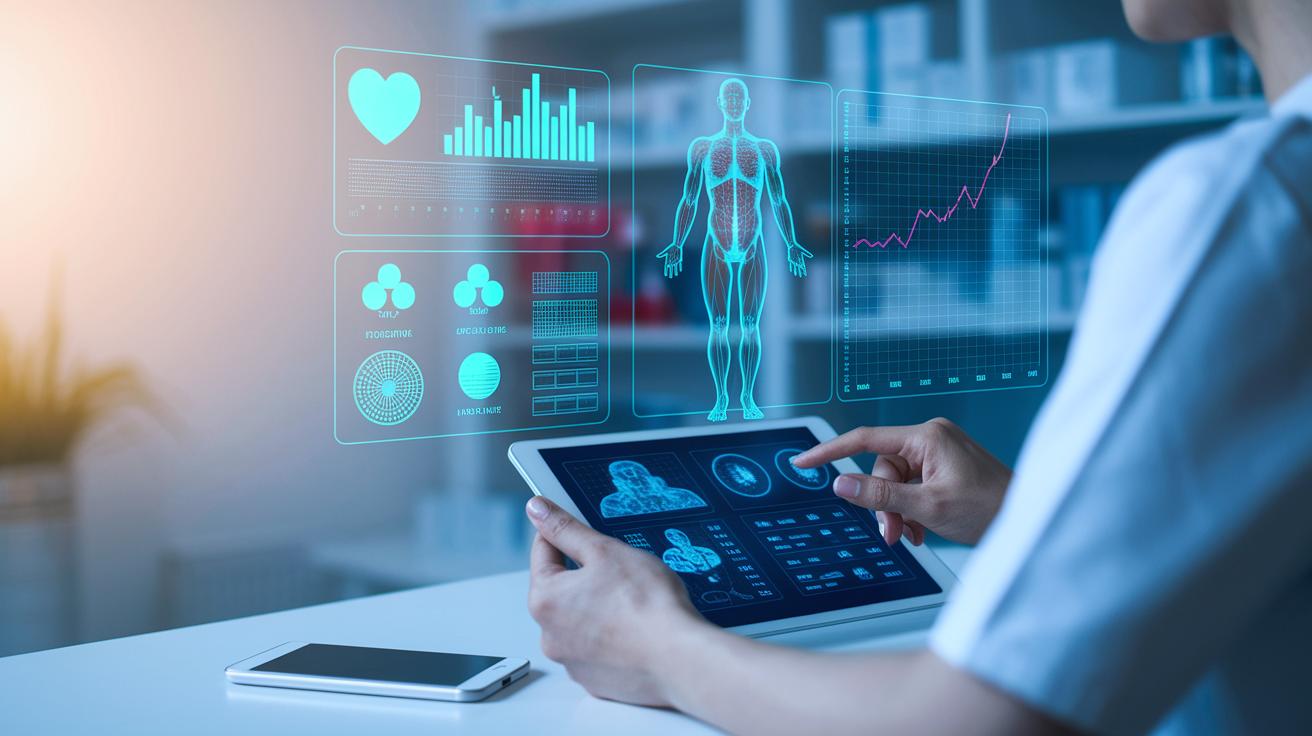
New systems are coming that use smart computer programs to check your symptoms like a digital doctor. They compare your symptom details with trusted data and catch small changes that might matter, helping you decide when to get care. This makes self-checking faster and more personalized, offering clear steps as your condition changes.
The next generation of these tools will add augmented reality features and custom data views. You might see your symptom history shown in live-updating charts and 3D models. These visuals let you spot trends quickly and compare today’s data with your past, giving you a clear picture of what’s happening with your health.
Future tools will lean more on careful data analysis to improve health monitoring. By tracking your personal health over time, these systems offer insights that fit your unique journey. They point out important patterns to help adjust your care plan. In short, smarter use of data promises a digital self-check that feels natural, precise, and truly connected to your needs.
Final Words
In the action, digital symptom indexes unite interactive checklists, mobile apps, and real-time analytics to support safer self-assessment. This post reviewed key features, from algorithm-based self-check tools to real-world applications in clinical settings. It also outlined clear benefits over traditional methods, such as improved accuracy and continuous monitoring.
By showing how digital symptom indexes are transforming self-assessment, these tools empower you to track symptoms confidently and share focused information with your clinician. Stay informed and safe.
FAQ
What is harnessing digital phenotyping for early self detection of psychological distress?
Harnessing digital phenotyping for early detection uses data from your devices, like smartphone usage and wearables, to spot changes in behavior that may signal psychological distress and prompt timely self-care.
How accurate are digital symptom assessment apps for suggesting conditions and urgency advice as compared to GPs?
Digital symptom assessment apps have shown close accuracy in condition screening and urgency advice through clinical vignettes, though they are best used as a supportive tool alongside a clinician’s expertise.
What are examples of digital health interventions?
Examples of digital health interventions include digital symptom checkers, mobile wellness questionnaires, wearable sensor integrations for real-time monitoring, and telemedicine diagnostic tools that streamline health management.
How can self-assessment help you improve your health?
Self-assessment helps you track symptoms, recognize patterns early, and communicate more effectively with your clinician, which empowers you to manage your health before issues develop into serious problems.