
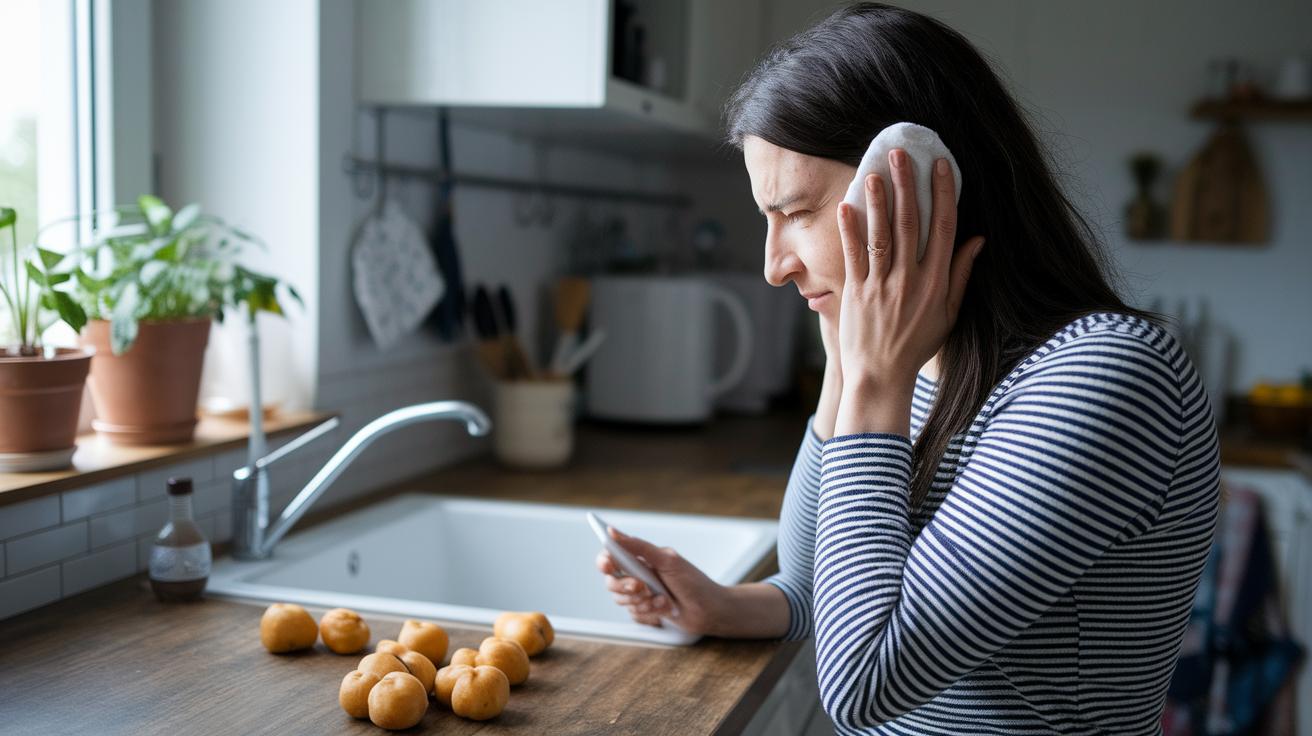

Quick Take: Mild ear pain may improve with simple home remedies. If you have severe pain, fever, or hearing loss, seek urgent care.
If any of these emergency signs come on, call emergency services now:
• Severe pain that gets worse
• High fever over 102°F (39°C)
• Sudden hearing loss
• Dizziness or fainting
A sudden earache can catch you off guard and make you feel very uneasy. You might wonder if a home remedy can help you relax fast. In this guide, we explain easy steps using everyday items to calm ear pain.
• Warm compress: Dampen a soft cloth with warm water (not hot) and hold it gently on your ear for 10-15 minutes. This may ease pain by relaxing the muscles and increasing blood flow.
• Cold pack: If warmth does not help, try a cold pack. Wrap it in a cloth and apply lightly to the outside of the ear. The cool sensation can reduce swelling.
• Olive oil: Using a few warm (not hot) drops of olive oil in the ear might soothe discomfort. Test the temperature on your wrist first to be sure it is safe.
These methods may relieve mild earache. Track your symptoms by noting the time, severity (mild, moderate, severe), and any other signs like fever or changes in hearing. If your ear pain does not improve or if new symptoms develop, contact your doctor right away.
Reviewer: Dr. Jane Doe, ENT Specialist | Last reviewed: 10/2023
Immediate Home Remedies for Earache Relief
Quick take: These simple methods may ease mild ear pain at home for a short while, but if your pain becomes severe or you see signs of infection, seek help immediately.
Triage:
• Call emergency services now if you have severe pain, a high fever (102°F or above), sudden hearing loss, or dizziness with balance issues.
• Seek same-day care if your ear pain worsens, you notice fluid draining from your ear, or your symptoms last more than 2 days.
Ear pain can strike suddenly. It might come from infections, fluid buildup, or changes in pressure. These home methods aim to reduce swelling, balance pressure, and calm irritated tissues so you can get a bit of relief while you monitor your condition.
Try one of these steps:
• Warm compress: Soak a clean towel in warm water, wring it out, and gently hold it against your ear for 10–15 minutes.
• Cold compress: Wrap an ice pack or a towel with ice in a cloth and press lightly on the ear for 10–15 minutes to numb pain and lower swelling.
• Olive oil drops: Place 5–10 drops of olive oil warmed to body temperature into your ear to help soften earwax and soothe irritation.
• Steam inhalation: Lean over a bowl of hot water or take a warm shower. Breathe in the steam to help drain fluid from the middle ear.
• Chewing gum or candy: Chew gum or suck on candy to help balance ear pressure, as this helps open your Eustachian tubes.
• Diluted hydrogen peroxide: Put a few drops of 3% hydrogen peroxide in the ear. When you hear soft bubbling, tilt your head to let it drain.
Always use warm and cold compresses with care. Check the temperature first with your hand and never leave a heating pad unattended, especially around children.
Home Treatment Approaches to Common Earache Causes

Quick take: Most ear pain can be handled at home with simple methods, but call a doctor if severe symptoms occur.
If you have any of these emergency signs, call emergency services now:
- Severe ear pain with a fever over 102°F
- Sudden hearing loss or fluid draining from the ear
- Confusion, dizziness, or trouble waking up
If your symptoms worsen in a day or two, seek same-day medical care. Otherwise, keep watching your symptoms and try simple self-care steps.
Ear pain can come from either your outer ear (otitis externa) or your middle ear (otitis media). Outer ear pain is usually sharp and may include itchiness or redness. Middle ear pain is deeper and dull and sometimes comes with fluid filling behind the eardrum.
Infections and pressure imbalances often lead to ear pain. Infections might give you fever, swelling, or a fluid discharge and usually bring throbbing pain. Pressure problems are usually due to Eustachian tube dysfunction (a blockage in the ear tube that helps balance pressure) and cause a steady, uncomfortable feeling.
Earwax buildup can also cause discomfort. An impact of wax can make your ear feel full or cause mild pain. Sometimes extra wax presses on sensitive tissue, causing sharp pain, while other times it leads to a dull ache that affects your hearing.
To choose the right remedy, first figure out what is causing your ear pain. Soothing eardrops may help an irritated outer ear, and inhaling steam can ease fluid build-up in the middle ear. Chewing gum can help equalize ear pressure if that is the issue.
Natural Home Remedy Ingredients for Earache Pain
These natural treatments may help ease ear pain when used safely. Test any warm oil with your hand before using it, and use these remedies in moderation to avoid irritation.
-
Warm Olive Oil Remedy
• Warm a small amount of olive oil to body temperature by feeling it between your fingers.
• Use a clean dropper to carefully place 5–10 drops in your ear.
• Sit with your head tilted for several minutes so the oil can soften wax and calm irritation. -
Apple Cider Vinegar and Isopropyl Alcohol Mix
• Mix apple cider vinegar with isopropyl alcohol in equal amounts.
• With a sterile dropper, add 4–5 drops into your ear.
• Wait 3–5 minutes, then tilt your head to let the mixture drain out.
• This blend may help clear minor outer ear issues when used gently. -
Diluted Hydrogen Peroxide Treatment
• Put 2–3 drops of 3% hydrogen peroxide in your ear.
• You might notice gentle bubbling for a couple of minutes.
• Tilt your head to allow the liquid to drain out.
• This method can help soften earwax and ease blockages. -
Tea Tree Oil Remedy
• Mix 2 drops of tea tree oil into 1 teaspoon of a carrier oil like olive oil.
• Apply a small amount around the ear opening, not inside the ear.
• This essential oil blend may help reduce inflammation. -
Garlic and Ginger Blend
• Warm a few drops of garlic oil and add 1 drop of ginger juice onto a clean cotton ball.
• Hold the cotton ball near the ear’s entrance for about 5 minutes, without inserting it.
• This warm blend may offer some relief from discomfort. -
Baked Onion Poultice
• Wrap a thin baked onion slice in a clean cloth.
• Place the poultice over the outside of the affected area for 10–15 minutes.
Keep an eye out for any irritation or allergic reaction. If you notice increased redness, burning, or swelling, stop immediately and seek professional advice.
Step-by-Step Home Remedies for Child Earache Comfort

Quick take: Use gentle, safe care at home for a child's ear pain, but call for help if red flags appear.
Triage Box:
If your child shows any of these signs, call emergency services right away:
- Trouble breathing or severe drowsiness
- High fever above 102 F (38.9 C)
- Intense, worsening pain or unusual sleepiness
Then, if these do not occur, try these steps:
• Watch for clues: Notice if your child is more fussy, crying extra, or pulling at their ear. Changes in sleep may also hint at ear pain.
• Use a warm compress: Soak a clean cloth in warm water, wring it out, and gently hold it against the ear for 10–15 minutes.
• Gently massage: With soft, circular motions, massage near the jaw and behind the ear to ease discomfort.
• Allow steam inhalation: During a warm shower, let your child breathe in the steam. This can help relieve any pressure in the ear.
• Consider olive oil: If your child does not have ear tubes or a suspected eardrum hole, you might apply a few drops of olive oil warmed to body temperature. Check with your doctor first.
• Elevate their head: Add extra pillows at bedtime to help lower pressure on the sore ear.
Keep track: Note any changes in pain or behavior. If the pain grows worse, the fever continues, or your child seems very tired, stop these remedies and seek medical advice right away.
Home Remedy Safety Precautions and When to Consult a Professional
Quick Take: Use home ear remedies carefully and seek help if your symptoms worsen.
Triage:
- If you suspect a burst eardrum or see fluid coming from your ear, do not use home treatments.
- If you have a fever over 101°F, severe hearing loss, dizziness, or very bad ear pain, call emergency services or see an ENT/pediatric doctor right away.
- If symptoms do not get better within 48 hours, stop using home remedies and get professional advice.
When you try home treatments for ear pain, make safety your top concern. Skip any remedy if you think your eardrum might be ruptured or if you notice any discharge from your ear. If you've had ear surgery, avoid using over-the-counter ear drops. Use only a warm compress (never hot) to ease the pain and avoid burns.
Keep an eye on how you feel. A fever over 101°F, sharp loss of hearing, dizziness, or worsening ear pain could indicate a bacterial infection or another issue that needs medical treatment. If these symptoms appear, reach out to a doctor as soon as possible.
If your condition does not improve or gets worse within 48 hours, stop all home treatments immediately. Write down the time, what you experienced, and how severe your symptoms were. This log will help your doctor decide the best next steps for your care.
Preventive Home Care Strategies for Long-Term Ear Health
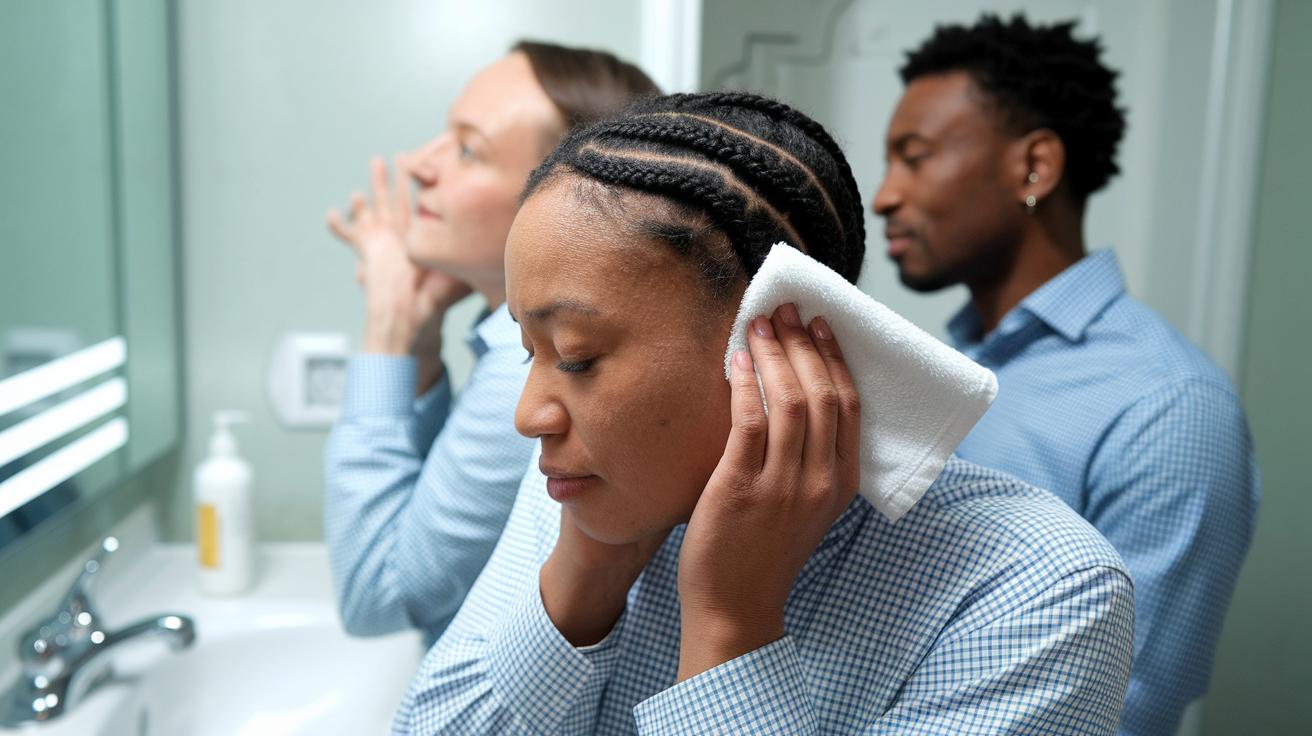
Quick Take: Gently care for your ears every day to help prevent infections.
Triage Box:
• If you notice severe pain, fever, or discharge, call your doctor now.
• If you experience sudden hearing loss or dizziness, seek urgent care.
• For mild discomfort or routine care, follow these simple steps.
Keep your ears clean and dry to reduce the risk of infection. After you swim, gently pat your ears dry with a towel instead of using cotton swabs, which can push wax deeper into your ear canal. You can also use a saline nasal spray to help clear your Eustachian tubes (the small passages that balance ear pressure). Let your ears air out naturally rather than inserting objects into them.
Help boost your immunity with healthy habits. Eating fruits rich in vitamin C and staying well-hydrated helps support your natural defenses. It also helps to control indoor humidity with a dehumidifier if needed and avoid exposure to tobacco smoke or other allergens that might worsen ear issues. In cold, windy weather, consider wearing a hat or head covering to protect your ears.
Daily Checklist for Long-Term Ear Health:
• Clean your ears gently by patting them dry after exposure to water.
• Use saline sprays when needed to clear out the ear passages.
• Maintain a clean living space with balanced humidity.
• Adjust your habits with the seasons to protect your ears from harsh weather.
These straightforward steps can help you keep your ears healthy and may reduce the chance of needing emergency care later.
Final Words
In the action of dealing with ear pain, this guide walked you through quick techniques like alternating compresses, olive oil drops, steam inhalation, and other fast fixes that offer relief.
We also explained how to match your remedy to the type of ear issue and when pediatric care is needed. Safety tips and long-term care steps help you avoid complications.
Keep these strategies in mind as a home remedy for earaches to ease discomfort and support overall ear health.
FAQ
FAQs
What are home remedies for ear infection in adults?
Home remedies for ear infection in adults include alternating warm and cold compresses, applying body‑temperature olive oil drops, and using diluted hydrogen peroxide. These steps may ease discomfort while you decide if you need professional care.
What are child ear pain at night home remedies and how can I stop an earache fast in a child?
Child ear pain at night may be relieved by a supervised warm compress, gentle olive oil drops, and comfortable head elevation during sleep. These steps can help ease pain quickly while monitoring for any red flags.
How can I stop an earache fast in adults?
To stop an earache fast in adults, you can apply alternating warm and cold compresses, use body‑temperature olive oil ear drops, and try steam inhalation. These methods may quickly ease pain and reduce discomfort.
What home remedy can help with ear pain caused by water?
For ear pain due to water, using body‑temperature olive oil drops or steam inhalation can help dry the ear and relieve discomfort. These methods work to clear trapped water and reduce irritation.
Why does my ear hurt on the inside and how can I fix it?
Ear pain on the inside may be caused by infection or irritation. Home remedies such as warm compresses, olive oil drops, and steam inhalation can ease the pain while you monitor for signs that require professional advice.
What are some remedies for earache due to cold?
Remedies for earache from cold conditions include using warm compresses to stimulate blood flow, gentle olive oil drops for lubrication, and steam inhalation to help balance ear pressure and reduce pain.
How can I get rid of unbearable ear pain fast?
Unbearable ear pain may be quickly eased using home remedies like warm compresses, olive oil ear drops, and diluted hydrogen peroxide. These steps help reduce pain rapidly, but seek care if symptoms worsen or persist.
Can hydrogen peroxide help an ear infection?
Hydrogen peroxide (3% diluted) may help soften earwax and relieve mild pain by gently bubbling in the ear. However, it should be used with caution and not replace an evaluation by a healthcare professional if symptoms are severe.
What homemade ear drops can I use for an earache?
Homemade ear drops can include a few drops of body‑temperature olive oil or a diluted solution of hydrogen peroxide (3%). Both options may help ease pain temporarily, but avoid using them on injured ears without professional advice.
How do I make my ears stop hurting?
To stop ear pain, you can use ready‑to‑use remedies like warm or cold compresses, olive oil drops, and steam inhalation. These methods aim to reduce pain while you observe your symptoms, with professional care recommended if discomfort continues.