

Quick take: Heart attack signs differ between men and women, so knowing the red flags can save your life.
If you have any of these emergency signs, call emergency services now:
- Severe chest pain or pressure
- Shortness of breath
- Heavy sweating
- Sudden, extreme weakness
Men usually show clear signals such as crushing chest pain and lots of sweating. Women, on the other hand, often experience less obvious signs like unusual tiredness or nervousness. Knowing these differences can help you act fast when every minute counts.
Track your symptoms. Note the time they started and how you feel. Then, share this information with your doctor. Stay alert and take action if these signs worsen.
Comparative Heart Attack Warning Signs in Men vs Women
Quick take: Heart attack signs can be different in men and women, so act fast if you notice any serious symptoms.
If you have any of these emergency signs, call emergency services now:
• Intense chest pain
• Severe shortness of breath
• Pain spreading to the arms, neck, or jaw
Men often experience clear, strong signs. You might feel crushing chest pain, heavy sweating, and pain that moves to your arms, neck, or jaw. Women, however, might face more subtle issues like tiredness, shortness of breath, nervousness (feeling anxious), and trouble sleeping. Sometimes, women do not even have chest pain.
Men usually describe their pain as strong and in one area. Women might say the pain feels vague and mixed with other discomforts. This difference can slow down treatment for women because the symptoms are not as dramatic as expected.
| Symptom | Common in Men | Common in Women |
|---|---|---|
| Chest Pain | Yes | Sometimes |
| Shortness of Breath | Yes | Yes |
| Pain in Arms/Jaw | Yes | Yes |
| Fatigue or Nausea | Sometimes | Yes |
| Other Atypical Signs | Rare | Common |
Noticing these differences early can be life-saving. Keep track of any changes you feel, note the date and time, and record how bad the pain is (mild, moderate, or severe). Share these details with your clinician right away. Remember, quick action matters, whether you see the dramatic signs often seen in men or the subtler warnings more common in women.
Classic Male Heart Attack Warning Signs

Quick take: Men may show heart attack signs that go beyond chest pain, making early action very important.
If you have any of these emergency signs, call emergency services now:
• Severe chest pressure or pain
• Shortness of breath that gets worse quickly
• Sudden, intense cold sweat or clamminess
• Unexplained, extreme fatigue or anxiety along with other symptoms
Recent studies show that many men associate heart attacks only with chest pressure. However, about 25% of male heart attack patients also experience other signals like unusual tiredness, light activity causing shortness of breath, or a sudden wave of anxiety. Many men dismiss these signs as stress, which can delay getting help. One man, 58 years old, felt very weak after climbing stairs and did not realize until later that this weakness was a heart attack warning.
In addition to chest pain, cold sweats and stomach discomfort can also indicate heart distress. A local study found that nearly 30% of men reported episodes of cold sweat or pain resembling indigestion before the chest pain got worse. One patient said he ignored an odd stomach ache until a friend noticed he was sweating, which finally prompted him to seek care.
Noticing these less familiar signs can help you act quickly. Keep track of any symptoms and share the details with your doctor so you can get the care you need.
| Symptom | Reported Prevalence |
|---|---|
| Traditional Chest Pressure | 70% |
| Cold Sweats/Diaphoresis | 30% |
| Digestive Discomfort/Indigestion | 25% |
Atypical Female Heart Attack Warning Signs
Triage Box:
• Emergency: If you experience crushing chest pain, severe shortness of breath, or loss of consciousness, call emergency services right away.
• Urgent: If you notice new or worsening fatigue, jaw or back pain, or breathing and sleep problems that get worse quickly, seek medical attention today.
• Monitor: Track any subtle changes, like mild aches or unusual tiredness over a few days, and contact your doctor if they persist.
Women may not feel the heavy chest pain many expect during a heart attack. Instead, signs may come on slowly and be less obvious. Many women report small changes, such as a gentle ache in the back or jaw that builds up gradually. These symptoms can easily be mistaken for less serious issues.
Unlike the intense chest pain often seen in men, women might feel shifting discomfort that comes and goes. You could feel constantly tired, have mild trouble breathing, or notice changes in your sleep over several days. One patient even explained, "I felt unusually tired every day." This kind of slow, ongoing change may delay getting the help you need.
Because quick treatment is so important, it's vital to pay attention to even minor changes. Tests like imaging scans and blood work (which checks for heart damage) can help tell a heart attack apart from other problems. Keeping track of symptoms like ongoing fatigue, occasional jaw or back pain, and sleep issues may lead to faster, life-saving care.
Gender-Specific Risk Factors and Heart Attack Prevention
Quick take: Knowing your unique risk factors can help you act fast if heart troubles arise.
Triage Box:
• If you experience crushing chest pain, pain spreading to your left arm or jaw, or sudden shortness of breath, call emergency services immediately.
• If you feel severe pain with sweating or fainting, seek immediate care.
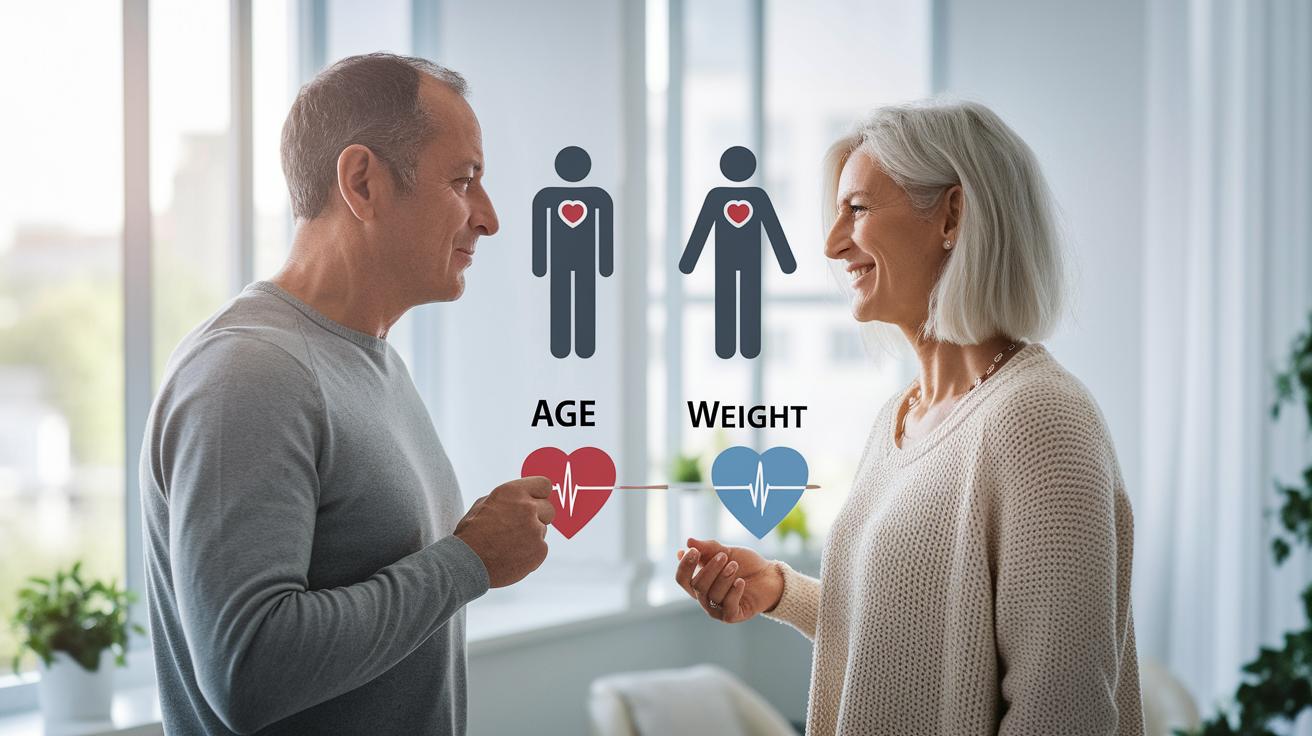
Both unchangeable factors (such as your age, gender, or family history) and changeable factors (like obesity, high blood pressure, smoking, and not enough exercise) affect your heart attack risk. Studies show that men and women face different risks. This means warning signs and when they appear can vary. Addressing these risks early makes it easier to spot heart distress.
Risk Factors in Men:
Men often show clear heart attack signs. High blood pressure, high cholesterol, and a history of heart problems are common. Many men report intense chest pain and pain that spreads to the left arm. These conditions can trigger classic symptoms sooner. Ignoring risks like obesity or smoking increases danger. Regular check-ups and monitoring help you notice issues before they worsen.
Risk Factors in Women:
Women may experience more subtle signs. Hormonal changes after menopause and conditions like diabetes or obesity might lead to unusual tiredness, breathing problems, or discomfort that is not centered in the chest. These signs can be less obvious, sometimes causing delays in treatment. Yet, the modifiable risks affect both genders. Recognizing them early is key to taking action.
Prevention Strategies:
• Monitor your blood pressure, cholesterol, and weight regularly.
• Avoid tobacco and try to stay active with regular exercise.
• Talk with your doctor about your family history and any symptoms you notice.
Stay aware and take charge of your health by keeping these tips in mind.
Immediate Actions for Heart Attack Warning Signs in Men vs Women
Quick take: Heart attack signs are serious, and acting fast can save a life.
If you experience any of these emergency symptoms, call 911 right away:
- Severe chest pain (a crushing or squeezing feeling)
- Sudden shortness of breath (difficulty breathing quickly)
- Fainting or feeling very lightheaded
- Persistent pain in your arm, back, neck, jaw, or upper stomach
- Unexplained sweating or unusual fatigue
When you call 911, explain clearly where you feel the pain, when it started, and how quickly the symptoms came on. Stay calm, follow the operator’s instructions exactly, and keep the phone line open until they tell you it’s safe to hang up.
If you are with someone who shows these signs, stay nearby to reassure and assist them. Watch for any changes like increasing weakness or changes in breathing, and note these details. Tell the emergency responders about every change when they arrive, as this information can help them treat the situation more quickly.
Final Words
in the action, you have learned how heart attack warning signs can differ by gender. The post compared classic male symptoms like crushing chest pain with the subtler signs many women may experience such as unexplained fatigue and anxiety.
It is clear that recognizing these differences is key to acting quickly and safely. Remember, heart attack warning signs (men vs women) vary, knowing what to look for can save lives. Stay informed and positive while you protect your health.
FAQ
How do heart attack rates compare between men and women in the world?
Research shows that men tend to have slightly higher heart attack rates globally, partly due to lifestyle and biological differences. However, both genders remain at high risk, and unique symptom presentations can affect treatment.
How do heart attack symptoms differ between men and women according to the American Heart Association?
The American Heart Association explains that men often experience classic crushing chest pain with radiating arm pain, while women more frequently report subtler signs such as shortness of breath, fatigue, and nausea, which can delay treatment.
What are the silent signs of a heart attack?
Silent signs can include unexplained fatigue, indigestion-like discomfort, dizziness, and shortness of breath that occur days before a full-blown heart attack. Recognizing these early symptoms is key to seeking prompt care.
How do stroke symptoms differ between men and women?
Studies indicate that men typically have sudden numbness and weakness, while women might experience less obvious signs like confusion and general weakness. Both cases require immediate medical attention.
How do heart attack symptoms in women, especially arm pain, differ from men?
Evidence shows men often have classic radiating arm pain, whereas women may experience arm discomfort less frequently or in different patterns. This variation highlights the need for tailored symptom awareness in both genders.
What does a mini heart attack feel like?
A mini heart attack, often called unstable angina, feels like milder chest discomfort or pressure similar to indigestion and signals heart stress that needs medical evaluation, even if the pain seems less severe.
What is the lazy W position for a heart attack?
The lazy W position describes a posture where shoulders slouch in a W-like shape during chest discomfort. It can indicate heart distress, so noticing this change in posture should prompt a medical assessment.
Why do women sometimes ignore heart attack symptoms?
Women may ignore symptoms because they are often less dramatic and can be mistaken for less severe issues like indigestion or anxiety. This underlines the importance of awareness and immediate evaluation when symptoms occur.