
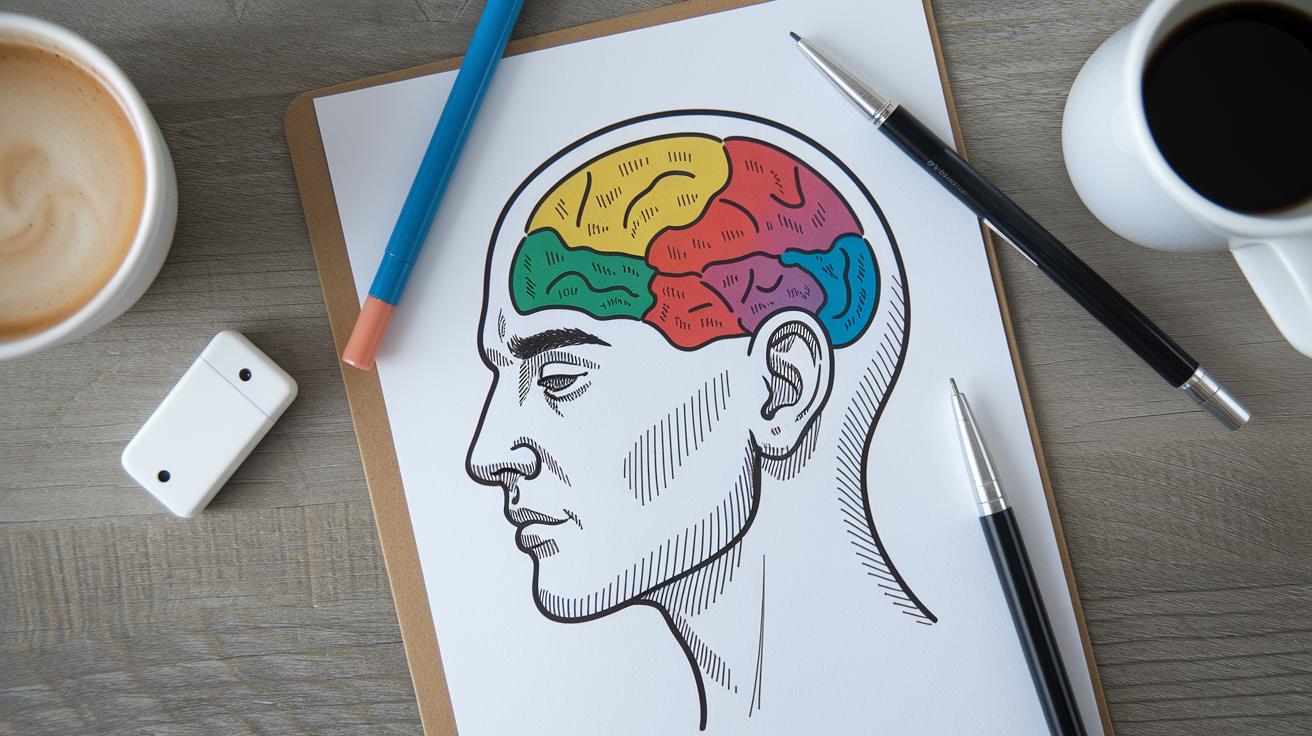

Quick take: A headache map can help you spot your pain and connect it with common triggers.
Have you ever asked why your headache seems so unpredictable? Imagine a tool that shows you exactly where your pain is, like a treasure map guiding you to hidden clues about your discomfort. This guide breaks down 20 types of headache pain using clear images and easy icons. It links specific pain spots to common triggers such as dehydration, missing your usual caffeine, or heavy exercise.
This simple tool can help you figure out what type of headache you might have and gives you clear, practical steps to ease your pain. A tap on this map might be your first step toward finding relief.
Using a Headache Map to Pinpoint Pain Regions
Quick take: This tool helps you match your headache type and gives clear tips for care.
The interactive map lets you explore 20 headache types with simple, clickable images. Each image shows a clear icon for different headache zones. One icon might show chronic migraine (15+ headache days per month) while another shows quick, one-sided pain. This easy-to-read map helps you see if your headache comes from exercise, dehydration, or even stopping caffeine.
When you click or hover on an image, a pop-up appears with details about that headache. It lists key symptoms like nausea (feeling sick), vomiting, and confusion. It also points out possible triggers such as heavy exercise, long fasting, or quitting caffeine abruptly. For example, if you choose the rapid-onset headache icon, the tool shows that the pain reaches its peak in 5–10 minutes.
A surprising fact: Some users said one tap on the map revealed warning symptoms they had ignored until that moment.
Each section of the map also gives treatment ideas right away. You can see tips that range from taking over-the-counter pain relievers and drinking plenty of water to seeking urgent care if you notice red flags like severe confusion or unrelenting pain. This mapping tool not only helps you find the source of your pain but also links each headache profile directly to simple steps you can take at home.
Interpreting Headache Map Zones by Head Region
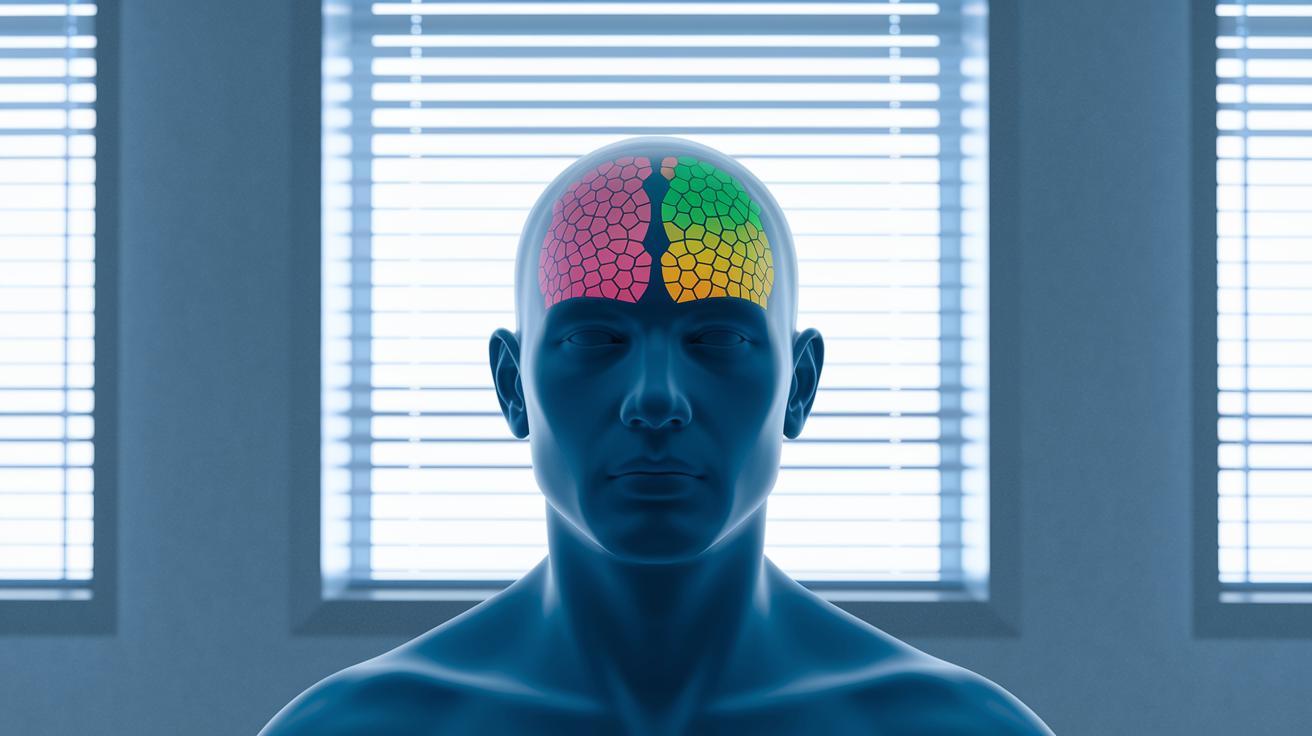
Quick take: Where you feel your headache can give clues about its cause.
If your headache comes on suddenly with severe pain, vision loss, or confusion, call emergency services immediately.
This map breaks your head into easy-to-see areas. It helps you match where the pain is with common headache triggers. That way, you know whether to try self-care or get help from a doctor.
Forehead and Sinus Region
Headaches in the front of your head or behind your eyes often come from tension, sinus pressure (stuffy feeling in the face), or eye strain. You may feel extra sensitivity to light or nausea, similar to a migraine. Not drinking enough water can make the pain get worse too.
Temples
Pain at your temples is usually linked to stress and bad posture. It can also come from muscle tightness or problems with your jaw joint (TMJ). In rare situations, very bad pain in this spot might mean a more serious condition. If you experience extra strange symptoms, it’s important to seek help.
Vertex (Top of the Head)
When your pain is on the top of your head, it might be from muscle tiredness or hard physical effort. Not having enough fluids or a slight misalignment in your neck (cervical spine) can also cause discomfort here. This pain feels like a heavy pressure that builds slowly.
Occiput and Neck
Pain in the back of your head or the back of your neck is often from issues in your neck or nerves (occipital neuralgia). Sitting at a desk for long hours or high blood pressure can add to this sharp, radiating pain. Adjusting your posture and taking breaks may help.
Whole Head Coverage
Sometimes, headache pain covers the entire head. This diffused pain might come from caffeine withdrawal, changes in hormones, or simply stress and tiredness. The pain is usually a steady, throbbing sensation rather than a sharp ache.
| Region | Common Causes | Key Symptoms |
|---|---|---|
| Forehead/Behind Eyes | Tension, sinus pressure, eye strain, dehydration | Light sensitivity, nausea |
| Temples | Stress, poor posture, TMJ issues, serious inflammation | Localized pressure, aching pain |
| Vertex (Top) | Muscle fatigue, overexertion, dehydration, neck misalignment | Heavy, spreading pressure |
| Occiput and Neck | Neck strain, nerve issues, poor posture | Sharp, radiating pain |
| Whole Head | Caffeine withdrawal, hormonal shifts, stress, fatigue | General throbbing, overall heaviness |
Using the Headache Map to Outline Migraine Zones and Top Triggers
Quick take: Use this guide to map your migraine pain and spot common triggers so you can take action early.
Triage Box:
• If you suddenly have a very severe headache, or you experience confusion, trouble speaking, weakness, or vision loss, call emergency services right away.
• If your migraine symptoms get worse or last much longer than usual, seek urgent medical help.
• For familiar migraine patterns, use this guide to monitor and manage your triggers.
Migraines often bring a throbbing pain on one or both sides of your head. Many also experience nausea, vomiting, and extra sensitivity to light or sound. Some people even see flashing lights or zigzag lines (auras) before or during the attack.
This headache map shows you exactly where the pain usually happens. It lays out the common areas affected by migraine and helps you spot patterns that may point to what triggered your episode.
Common triggers include:
| Trigger | What It Means |
|---|---|
| Hormonal changes | Shifts in body hormones |
| Barometric pressure shifts | Changes in the weather or air pressure |
| Dehydration or fasting | Lack of fluids or skipped meals |
| Sleep issues | Poor or irregular sleep patterns |
| Dietary triggers | Foods like aged cheese or processed meats |
Mapping out these triggers on your headache diagram can help you pinpoint where to focus on prevention. This way, you can work to avoid the triggers that might be starting your migraine and take simple steps to better manage your symptoms.
Charting Tension Headaches with the Headache Map

Quick Take: Tension headaches often come from stress, poor posture, or long hours at a desk.
If you have any of these warning signs, call emergency services now:
• Sudden, very severe headache
• Headache with fever, neck stiffness, or confusion
• Vision changes or weakness
Common causes include tight muscles in the forehead, back of the head, and neck. This tight band-like pain is common after long hours sitting or enduring stress.
Here’s what you can do now:
• Adjust your workspace to ease neck strain and improve your posture.
• Use over-the-counter NSAIDs (pain relievers like ibuprofen) if needed.
• Do gentle stretches and take regular breaks to relax your neck and shoulders.
Using the Headache Map for Cluster and Hormonal Headaches
This map shows two different headache types so you can match your pain and symptoms quickly.
Cluster Headaches
Cluster headaches bring fast, one-sided pain, usually around your eye or temple. The pain peaks in 5–10 minutes and lasts from 15 to 180 minutes. On the map, these pain points are marked near the eye and temple. They are most common in men aged 20–50 and often show up at certain times of the year. Clicking on the area gives you quick tips on easing the pain and when to seek further care.
Hormonal Headaches
Hormonal headaches cause pain on both sides of your head and usually line up with your menstrual cycle, pregnancy, or menopause. The map shows a wide pain area covering both sides of the head. Hover over this section to see how the headache’s timing with hormonal changes can help you tell it apart from migraines. You’ll also find advice on tracking your symptoms and self-care steps for quick relief.
Identifying Urgent Red Flags on Your Headache Map

Noticing certain warning signs with your headache is key to getting care quickly. These signs could mean a serious problem that needs immediate help. If your headache map shows any of these signals, don’t wait, get emergency help right away.
| Warning Sign | Associated Symptom | Recommended Action |
|---|---|---|
| Thunderclap Onset | Sudden, severe headache | Call emergency services now |
| Neurological Deficits | Weakness or vision changes | Seek immediate evaluation |
| Fever and Stiff Neck | Possible signs of an infection | Get urgent medical care |
| Severe Hypertension/Brain Tumor Signs | Ongoing headache with other body symptoms | Undergo diagnostic imaging |
If you see any of these red flags on your headache map, act now. It’s important to get help or arrange tests immediately to keep yourself safe.
Integrating Self-Care Zones into the Headache Map
The headache map does more than show where you feel pain. It marks special self-care zones where simple steps can bring relief. The map ties your pain areas to actions like gentle temple massages, neck stretches, cool forehead compresses, water breaks, and rest. It also reminds you to manage stress and get enough sleep.
If you feel pain around your temples, try a soft massage to ease tension from stress or long screen time. When your neck feels tight, gentle stretching can loosen stiff muscles and reduce headache pain. A cool compress on your forehead may lower swelling or irritation if your pain is forward. Drinking water regularly can help keep dehydration (low body fluids) at bay, which may cause headaches. This clear layout helps you use the right remedy to ease your headache right where it starts.
Leveraging a Headache Map for Professional Diagnosis

Quick Take: Use a headache map to track your pain and take action if red flags appear.
Triage:
If you have any of these signs, seek help immediately:
- Sudden, strong increase in pain
- A clear change in where the headache is felt
- Pain that lasts longer than usual or spreads
- New visual changes or numbness
- Confusion or seizure activity
When you create your headache map report, write down exactly where your pain hurts, how strong it feels, how long it lasts, and what might have triggered it. Note any changes in the pain pattern and mark them on your map. This clear record helps your doctor pinpoint the source of your pain and plan your care.
Share details about recent changes in your routine, such as differences in sleep, drinking enough water, or increased stress. Also, mention any new symptoms that match the areas on your map. Keep this information handy so your healthcare provider can decide if you need further tests or a referral to a specialist.
Final Words
In the action, we walked you through using a headache map for pinpointing pain areas and understanding key triggers. We described clickable zones that reveal symptom profiles, outlined region-specific clues, and detailed self-care steps along with when to seek urgent care. Each section helped break down your headache type, from tension to cluster headaches, and provided clear guidance for next steps. Keep using your headache map as a trusted tool to monitor symptoms and make decisions that put you on a path to feeling better.