
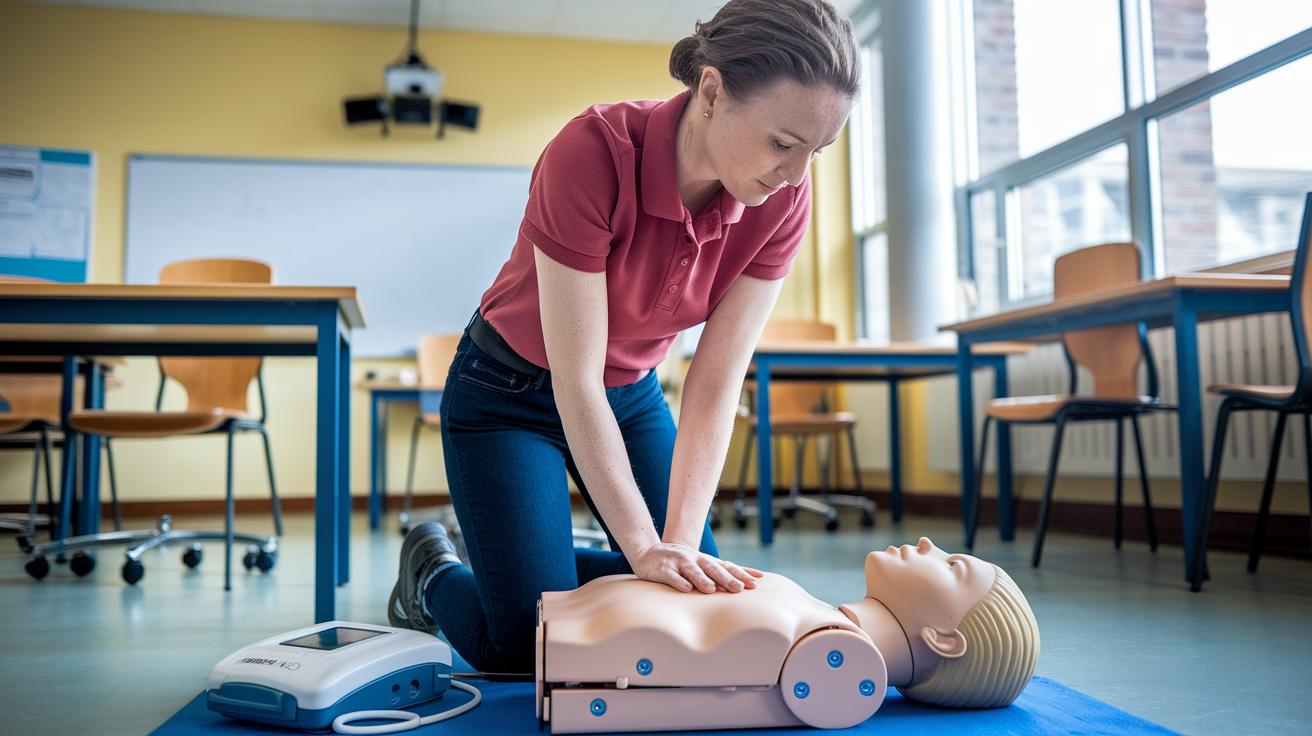

Quick Take: Basic first aid skills can save lives.
In an emergency, every second counts. Knowing simple first aid steps can be the difference between a safe recovery and a tragedy. When you learn how to stop bleeding or perform CPR (a method to help restart a stopped heart), you gain the confidence to help immediately. Our guide shares clear, step-by-step advice from experts so you can act safely and surely when it matters most.
Mastering First Aid Skills: A Complete Overview of Life-Saving Principles
Quick take: Knowing basic first aid can make a life-saving difference during emergencies.
If you see any of these warning signs, call emergency services immediately:
- Unconsciousness or no breathing
- Severe chest pain or trouble breathing
- Sudden weakness or slurred speech (possible stroke)
- Rapid swelling or trouble breathing during an allergic reaction
Every year, about 350,000 Americans have a heart stopping event outside a hospital. Only around 10% survive, but swift CPR started within 3 minutes can double or triple those chances. Strokes happen every 4 seconds in the U.S., and nearly 25% of these affect people under 65. These numbers show you why simple first aid skills are so important.
Knowing how to use an EpiPen correctly is also critical. Anaphylaxis (a severe allergic reaction) sends someone to the emergency room every 3 minutes. When an allergic reaction occurs, act quickly. Following proper guidelines, using masks, and keeping your hands clean can lower the risk of spreading infection during emergency care.
A ready-to-use first aid kit is essential. Keep one at home or in your car. A good kit should include:
- Bandages and sterile gauze for covering cuts
- Antiseptic wipes to clean wounds
- Medical tape to secure dressings
- Scissors and tweezers for removing debris
- Disposable gloves to protect yourself and the patient
- A list of emergency numbers
Taking a certified first aid course builds your confidence and sharpens your skills. Imagine a bystander who cleans a cut, applies pressure to stop bleeding, and covers the wound properly. That quick action can be the difference between a crisis and a safe recovery.
Basic Safety Procedures: First Aid Skills for Cuts, Scrapes, and Bleeding Control
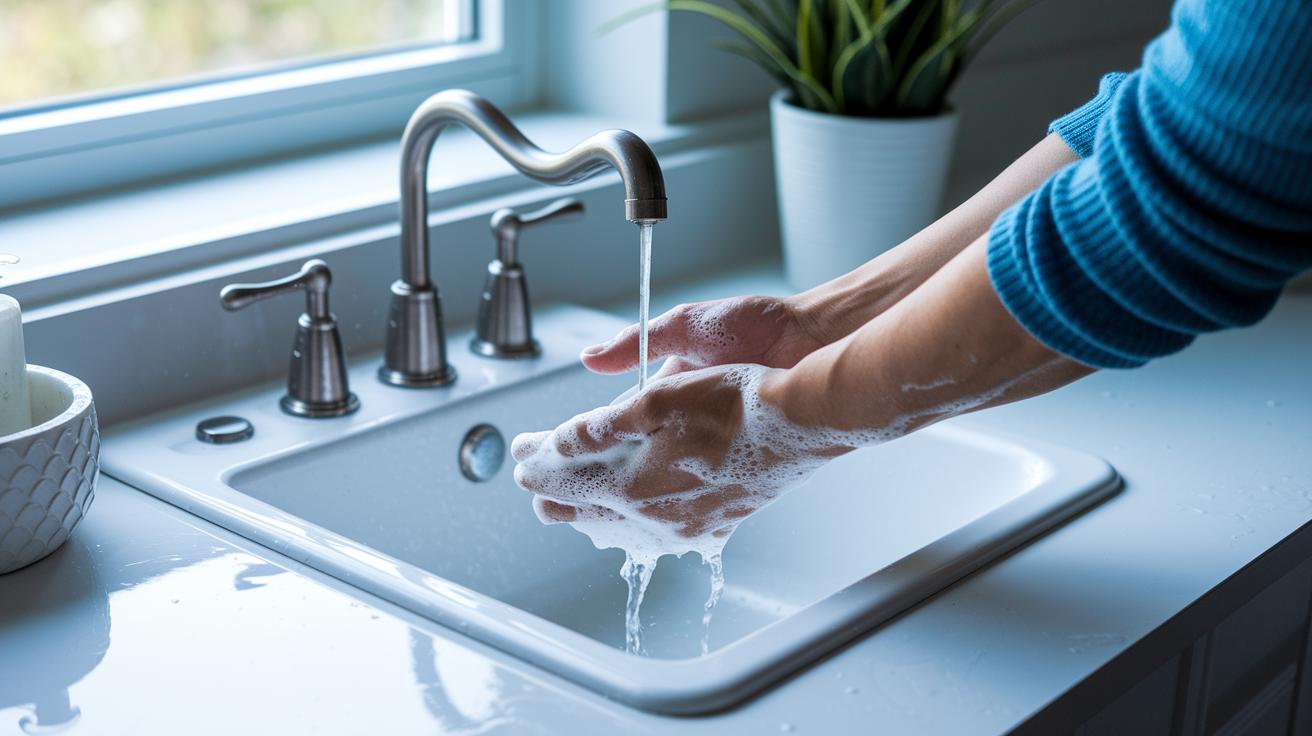
Quick take: Clean your hands, rinse and press the wound, then dry, treat, and cover it.
Start by washing your hands with soap and water. This step keeps germs away from your cut or scrape. For example, before treating a scrape, Jake scrubbed his hands for 20 seconds. That extra care helped keep the wound safe from infection.
Next, gently rinse the cut or scrape under cool running water with a little mild soap. This washes away dirt and debris without hurting the skin. Once you’ve cleaned the area, press down firmly with a clean cloth or bandage to slow the bleeding. Keep the pressure on until you see the bleeding slow down or stop. If the bleeding is heavy, be ready to wrap a tourniquet (a band used to stop blood flow) if needed.
After the bleeding is under control, pat the area dry with a clean cloth. Then, spread a thin layer of antibiotic ointment to fight germs and cover the wound with a sterile dressing. If you’re in a high-risk area for infection, like during a Yellow Alert, wear disposable gloves and a mask to stay safe.
- Wash your hands with soap and water.
- Rinse the wound with cool water and mild soap.
- Press on the wound until bleeding slows or stops.
- Dry the area, apply antibiotic ointment, and cover with a sterile dressing.
- Be ready to use a tourniquet for heavy bleeding.
Following these steps helps control bleeding and reduces the chance of infection.
Essential First Aid Skills: CPR, Resuscitation, and Airway Management
Quick take: When someone is unresponsive, call 911 immediately and begin CPR within 10 seconds to give them the best chance.
If you notice any of these signs, call emergency services right away:
- No response when you tap or call their name
- Not breathing normally
First, check if the person is awake by tapping and speaking. If there is no reaction, dial 911 without delay.
Next, start CPR. Do 30 strong chest compressions at a rate of 100-120 per minute. Push down about 2 inches on an adult’s chest. Think of a familiar song to keep a steady beat, such as "Stayin’ Alive."
If you aren’t trained to give rescue breaths, keep doing hands-only CPR by continuing with strong, steady compressions. When you know how to give rescue breaths, open the airway using the head tilt, chin lift method (this helps clear the airway for breathing).
Also, as soon as you have access to an automated external defibrillator (AED), turn it on and follow its clear voice instructions.
Remember, acting quickly and calmly can make all the difference until professional help arrives.
Immediate First Aid Skills: Managing Burns, Sprains, and Strains
Quick take: Act fast with these simple steps. If your burn, sprain, or strain looks worse or you have severe pain, call emergency services right away.
Triage Box:
• Red flags: A large burn, deep pain, charring, or injury on the face or joints needs emergency care.
• Urgent: If swelling or pain from a sprain or strain grows quickly, seek same-day medical attention.
• Watch and self-manage: For mild burns or joint injuries, follow the steps below and monitor your symptoms closely.
When you get a burn, act quickly to reduce damage. For first- or second-degree burns, run cool water over the area for at least 10 minutes. If you do not have water, gently press a cool, damp cloth against the burn. Do not pop any blisters, as this can lead to infection. Once the burn has cooled, cover it with a clean, sterile non-stick dressing.
For example, when Maria accidentally touched a hot pan, she immediately cooled her burn under running water and then applied a clean dressing.
For sprains and strains, use the RICE method (Rest, Ice, Compression, Elevation):
• Rest the injured limb completely to limit further damage.
• Apply ice for 20 minutes to reduce swelling and numb the pain.
• Use an elastic wrap to compress and support the injury.
• Elevate the injured area above your heart to help lessen the swelling.
Watch your injury closely. Look for signs of worsening pain, increased swelling, or changes in skin color. These could signal complications that need urgent care. Over-the-counter pain relievers like acetaminophen or ibuprofen can help manage the discomfort if you follow the label directions. Acting quickly and carefully gives you important support until you can get more advanced medical help.
Trauma First Aid Skills: Choking Relief, Shock Management, and Fracture Stabilization
Quick take: Act quickly if someone is choking, showing signs of shock, or has a suspected fracture.
If you see any of these emergency signs, call emergency services immediately:
- The person stops breathing or loses consciousness.
- Their skin turns blue or feels very cold.
- They have a weak, rapid pulse or shallow, irregular breathing.
For choking, if the person can still breathe or cough, help them with the Heimlich maneuver. Stand behind them and wrap one arm around their waist. Make a fist with your other hand and place it just above their belly button. Give quick, firm, upward thrusts until you see the blockage start to come out. If they lose consciousness, begin CPR and look in the mouth for any remaining object.
When you suspect shock, act fast. If you notice pale and clammy skin, a rapid, weak pulse, or shallow breathing, lay the person flat on their back. Raise their legs about 8 to 12 inches to help blood flow. Cover them with a blanket or coat to keep them warm. Then, immediately call emergency services if you haven’t already.
For a suspected fracture, do not try to move the injured area. Keep it in the position you found it. If you have a splint or even rolled-up magazines, gently pad and support the area without putting pressure on the injury. Lightly secure it with a bandage. Always check the pulse in the area before and after you support the fracture to ensure blood flow is not cut off.
Stay calm, act quickly, and follow these steps to help stabilize the victim until professional help arrives.
Advance Your First Aid Skills: Assembling Kits and Certification Training
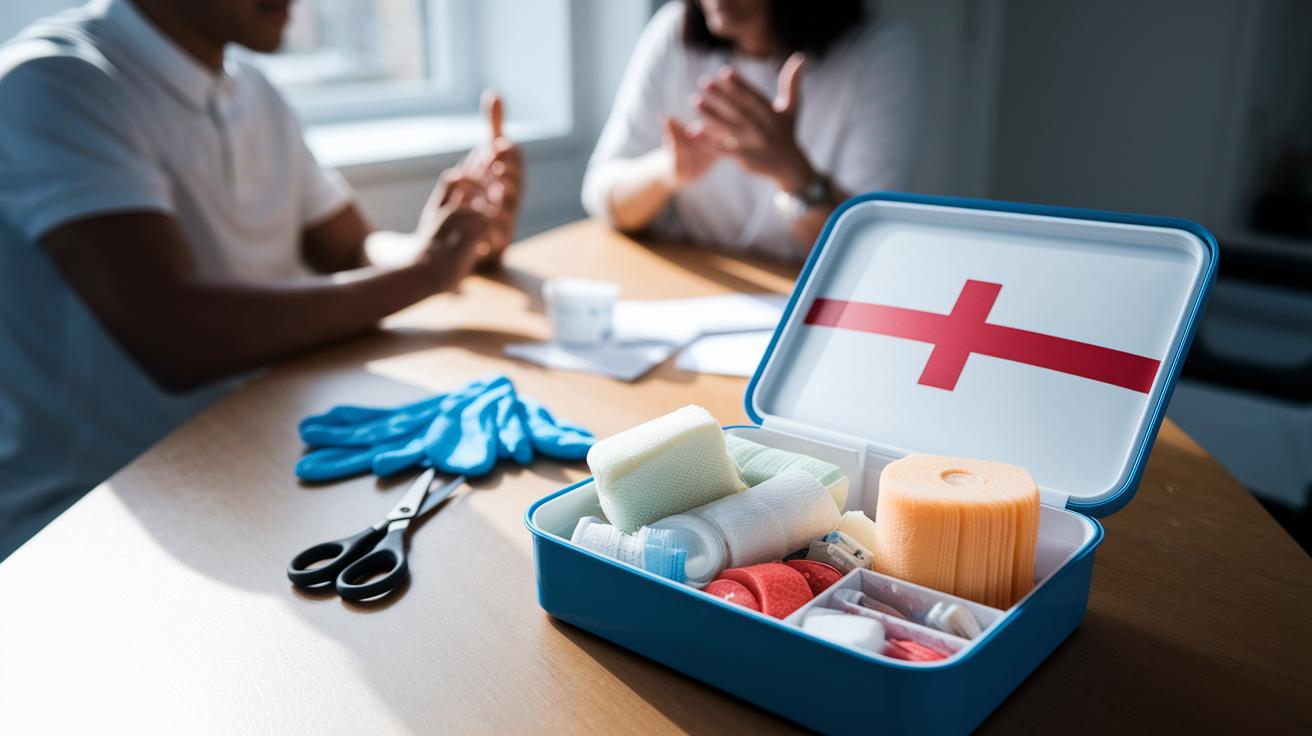
Quick take: A ready first aid kit and proper training let you act fast when needed.
Triage Box:
• Emergency: If you see heavy bleeding or severe injury, call emergency services now.
• Urgent: For deep cuts or suspected broken bones, use your kit and call for help.
• Watch and manage: For small wounds like scrapes, clean and cover them, then monitor for signs of infection.
Start by building a basic first aid kit that has what you need to handle minor injuries. Your kit should have bandages, sterile gauze, antiseptic wipes, elastic wraps, scissors, tweezers, gloves, a mask, a cold pack, a CPR face shield, an emergency blanket, and a first aid manual. Think of it like this: when John put his kit together, every tool had its place so he could quickly care for a small cut during an unexpected emergency.
If you work or play in high-risk areas, upgrade your kit with portable trauma supplies. These portable kits include tourniquets, special gauze to stop bleeding (hemostatic gauze), chest seals to cover injuries, and a SAM splint to hold broken limbs in place until help arrives.
Training is just as important as your kit. Look for courses approved by trusted groups like the American Red Cross or American Heart Association. In a 4- to 8-hour hands-on class, you learn CPR, how to use an AED (an external defibrillator), wound care, and how to handle real-life emergency drills. Remember, your certification needs renewal every 2 years to keep your skills sharp.
Community programs and workplace drills also build your confidence. These short training sessions let you practice life-saving techniques in a supportive setting. They help you remember the steps to take during an emergency and encourage teamwork when it really counts.
- Build a basic kit with essential supplies.
- Upgrade with portable trauma tools for higher risks.
- Take an accredited first aid course to hone your skills.
- Practice regularly in community and workplace drills.
Keep your first aid skills fresh by combining a well-stocked kit, proper training, and ongoing practice.
Final Words
In the action, you learned key life-saving principles, from quick response to cardiac arrest and choking to careful wound and burn care. Each section built your ability to handle emergencies with clear, practical guidance. You gained essential first aid skills that help you act decisively and safely when seconds count.
Review your kit and training often. Practice builds confidence and readiness every day for a safer tomorrow.
FAQ
What first aid skills should students learn and what is included in a first aid skills list?
The first aid skills for students include basic wound care, CPR, choking relief, burn management, and calling emergency services. Such a list outlines simple, life-saving actions that everyone should know.
What does first aid skills CPR involve?
The first aid skills CPR involves performing chest compressions at a set rhythm, possibly adding rescue breaths, and using an AED to increase survival chances during cardiac arrest.
What does first aid skills training cover and how can you become certified?
The first aid skills training covers practical techniques like CPR, wound care, and emergency response. It usually comes as instructor-led courses from organizations such as the American Red Cross requiring hands-on practice and periodic recertification.
What are the 10 basic first aid skills or tips everyone should know?
The 10 basic first aid skills range from proper wound cleaning, bleeding control, burn care, and CPR to managing choking, shock, sprains, fractures, chemical exposures, and recognizing when to call emergency services.
What are the 5 most important first aid skills and what skills are needed overall?
The five most important first aid skills include CPR, bleeding control, choking relief, burn treatment, and fracture stabilization. They form the core actions required for quick, effective emergency care.
What are the 5 most important survival skills?
The five most important survival skills include basic first aid, finding safe shelter, sourcing clean water, building a fire, and effective navigation. These skills help keep you safe in an emergency situation.
Where can I find a basic first aid skills PDF and what should a first aid skills resume include?
The basic first aid skills PDF provides a step-by-step guide to managing emergencies. A first aid skills resume should include certified training, hands-on experience, and clear details of key life-saving techniques learned.
What does “First Aid skills WoW Classic” refer to?
The term “First Aid skills WoW Classic” refers to the in-game profession in World of Warcraft Classic that lets players create bandages and perform healing actions within the game.