


Quick take: Learn clear, simple steps to act fast and safely in an emergency.
If someone is choking, bleeding heavily, or burning, call emergency services immediately.
This first aid guide shows you exactly what to do when seconds count. It breaks down lifesaving moves like CPR (pushing on the chest to keep blood moving), stopping serious bleeding, treating burns, and clearing a blocked airway into easy, step-by-step actions. The advice follows trusted 2024 guidelines so you can feel confident during an emergency.
Whether you’re looking for peace of mind or want to build lifesaving skills, this guide supports you with clear, down-to-earth instructions. It’s like having a caring clinician by your side, ready to help you act quickly and safely when it matters most.
Mastering First Aid Book Basics: Step-by-Step Procedures
Before you begin, always check that the scene is safe. Put on your gloves and mask, and call 911 right away. This advice follows the latest 2024 guidelines from the Red Cross and the American Heart Association.
This guide covers four key steps: performing CPR, stopping heavy bleeding, treating burns, and clearing a choking airway in both children and adults.
For CPR, first check if the person is unresponsive and not breathing normally. If they are not reacting, call 911 immediately. For an adult, press hard on the center of the chest with the heel of one hand (or both hands together) at a rate of 100-120 times per minute, letting the chest come up completely after each push. For children, use gentler pressure. Give 30 compressions followed by 2 rescue breaths, with each breath delivered softly yet effectively. Continue until professional help arrives or you see signs of recovery.
When stopping severe bleeding, use firm direct pressure. If needed, apply a tourniquet following clear step-by-step instructions. Always look for hazards, use your protective gear, and act quickly.
For burns, first assess the injury and then dress it using proper first aid techniques. Follow easy, step-by-step guidelines to protect the burn and prevent infection.
When helping someone who is choking, clear the airway immediately. Use established procedures for both children and adults to relieve the blockage and restore normal breathing.
Remember, careful attention to safety and following proven methods can make all the difference. Stay calm, act decisively, and help save a life.
Comparing Top First Aid Books: Reviews and Recommendations
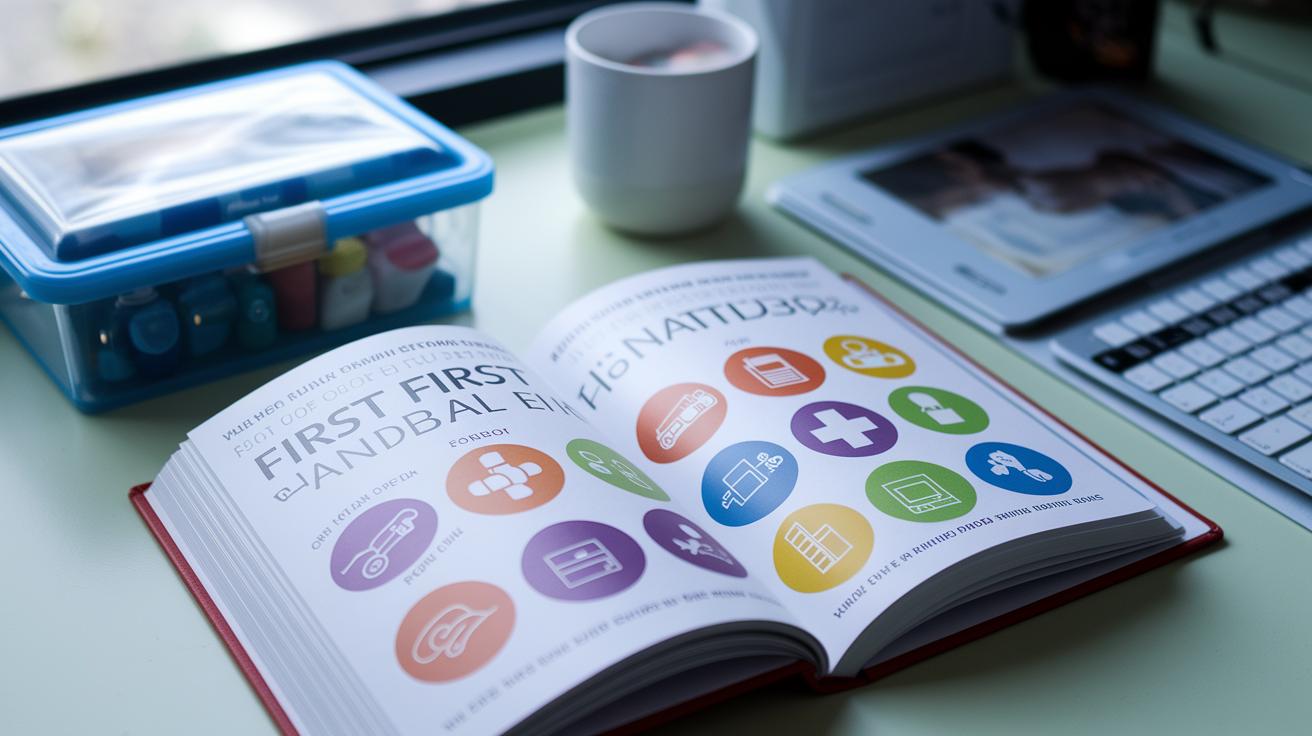
These first aid books give you clear, step-by-step advice for common emergencies. They use simple language, bright images, and instructions updated to 2024 standards. Each manual comes with a special ISBN number so you know you are getting trusted information. The design makes these books easy to carry when you are on the move.
Below is a comparison of four top books:
| Title | Format (Print/Digital) | Key Features | Price Range |
|---|---|---|---|
| American Red Cross First Aid & Safety Handbook | Easy layout, full-color pictures, 2024 updates, tough cover | $20-$30 | |
| St. John Ambulance First Aid Manual | Step-by-step guides, clear visuals, rescue instructions | $15-$25 | |
| Wilderness First Aid Field Guide | Short instructions, small size, rugged build for outdoors | $10-$20 | |
| Pocket First Aid & Survival Gear | Quick tips, tear-out pages, light for easy carrying | $5-$15 |
Every book has its own strong points. Pick the one that best fits what you need, whether it is detailed steps, small size for carrying, or picture guides. This choice will help you feel more ready when you face an emergency.
Specialized First Aid Book Options for Medical Students
Many first aid books for preclinical students are built to help you remember emergency steps fast. They include quick-reference tables, color-coded memory aids, and clear step-by-step guides for actions like CPR (a lifesaving chest compression technique), stopping bleeding, and caring for burns. This smart layout helps you find important information even when you're under exam pressure.
Some guides come with built-in self-test questions similar to USMLE practice scenarios. These quizzes let you face realistic emergency cases while sticking to the basic first aid actions. The book works double duty as both a rescue manual and a study aid, so you feel ready for real emergencies and exam challenges.
Using these study aids every day can boost your memory and exam skills. Try to mix in hands-on drills with quick guides and practice questions. Keeping the recall tables handy and practicing the steps often will help you link your study habits to real-life emergency care.
Must-Have Features in a First Aid Book

When every second counts, you need a first aid book that is clear and tough. This guide should be easy to use when you need fast help in an emergency.
Look for these top features:
- A waterproof or sturdy cover that stands up to wet and rough conditions.
- Bright, clear pictures that show you each step of the process.
- Chapters sorted by injury type so you can quickly find the help you need.
- Laminated reference cards or tabs that won’t fall apart in a crisis.
- Simple flowcharts to guide you through tricky steps.
- A pocket-size edition with tear-out sheets for quick access anywhere.
These must-have details turn a first aid book into a reliable tool. When every move matters, a book that can handle tough conditions, is easy to navigate, and offers clear visuals boosts your confidence and helps you act fast.
Digital Versus Print First Aid Guides
Quick take: Digital guides update fast and help you search quickly, while printed handbooks work even when power is low.
Digital first aid guides come as mobile apps with offline access and free PDF manuals. You can find instructions fast with a search function. They update quickly and sometimes include real-time alerts or video instructions. However, you need a charged device and safe storage for them to work well.
Printed guides, on the other hand, require no battery. They are a reliable option when technology fails or power is out. They may not update often and they can be heavier to store, but they remain a steady resource in tough conditions.
Think about your situation when choosing one. If you work in a well-equipped place with reliable power, a digital guide might suit you best. But if you enjoy outdoor adventures or have limited access to technology, a printed handbook gives you trusted, battery-free help when you need it most.
Keeping Your First Aid Book Up to Date

Regular updates make your first aid book a trusted lifesaver. New guidelines come from groups like the AHA (American Heart Association) and the Red Cross each year. They bring fresh steps for CPR, bleeding control, burn care, and choking relief.
Check for new updates often. Review official announcements from trusted organizations. Mark changes in your book by adding the new procedure dates in the margins. Use a simple checklist to note which pages have been revised so you know what’s current.
Set a reminder every 3 months to review your book. Combine reading new chapters with hands-on drills. Practice key skills like CPR and wound care while following the latest instructions. These drills help you link what you learn in your book with what you do when it really counts.
Final Words
In the action, we broke down the essentials of a first aid book. We explored clear, step-by-step CPR, bleeding control, burn care, and choking relief. We compared top titles, discussed must-have features, and weighed digital versus print options. You now have practical checklists, update tips, and review pointers to help you act safely in emergencies. This guide helps you quickly decide on the best first aid book to keep you prepared. Stay confident and ready to handle any emergency safely.