

Quick Take: A few simple steps can protect you during exercise and help you get the most from your workout.
If you have any of these emergency signs, stop immediately and call emergency services now:
• Sharp pain that doesn’t go away
• Dizziness or fainting
• Sudden shortness of breath
If you notice ongoing pain or discomfort, seek same-day medical advice.
Here’s your checklist for a safer workout:
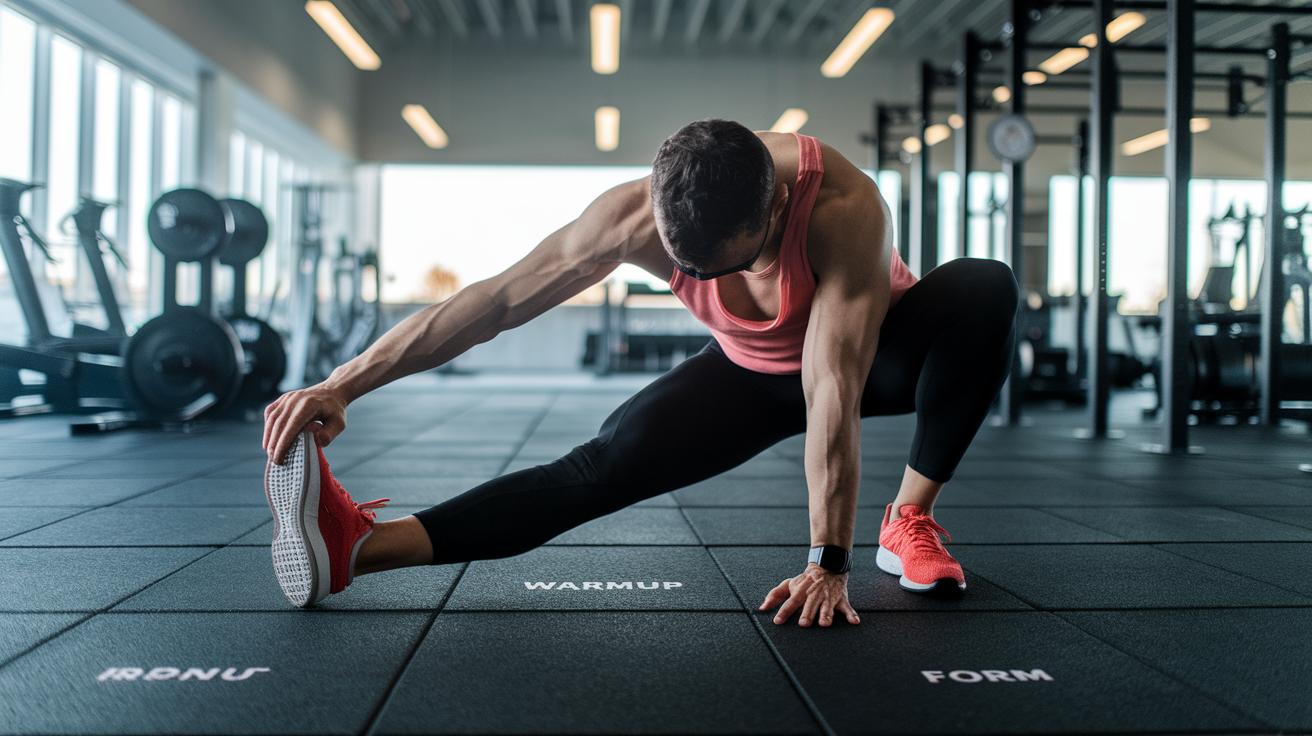
• Warm up properly – Do light stretching or a slow walk for about 5 minutes to get your muscles ready.
• Keep good form – Use the right technique to avoid strain and injury.
• Stay hydrated – Drink water before, during, and after exercise.
• Cool down – Stretch gently after your session to help your muscles recover.
Remember, if something feels off, pause and check in with your body. Keeping these steps in mind can make your workouts both safe and effective.
Exercise Health Checklist Essentials
Quick Take: Use this checklist to warm up, keep your form and hydration in check, watch your effort, and recover properly after your workout.
Triage: If you experience any of the following, stop immediately and seek help:
- Severe dizziness or nausea
- Sudden sharp pain
- Very rapid or irregular heartbeat
Start each session with a warm-up. Spend 5–10 minutes on dynamic movements (like arm circles or leg swings) to get your blood flowing and loosen up your joints.
Check your technique throughout your routine. Make sure you keep a straight back (neutral spine) and that your knees line up with your toes. Use a mirror or a video to spot any misalignments that could lead to injury.
Keep hydration a priority. Drink 16–24 oz (480–720 ml) of water about 2 hours before you begin. Then, take small sips of 7–10 oz (210–300 ml) every 10–20 minutes during your workout to maintain energy and help regulate your body temperature.
Monitor your workout intensity. Pay attention to your heart rate and be alert for signs of overexertion such as dizziness or nausea. If you notice these red flags, reduce your effort immediately.
After your workout, follow a recovery routine. Cool down with static stretches, foam rolling, and enjoy a nutritious snack that has a 3:1 carb-to-protein ratio within 30 minutes to help your muscles recover.
Checklist:
• Warm-up: 5–10 minutes of dynamic movements
• Technique: Keep your posture straight and knees aligned with toes
• Hydration: Drink water before, during, and after your workout
• Intensity: Monitor heart rate and stop if you feel unwell
• Recovery: Cool down with stretches, foam rolling, and a healthy snack
• Injury Prevention: Adjust your routine for your fitness level and any chronic concerns
Warm-Up Checklist for Exercise Health

Before you dive into a heavy workout, spend 5–10 minutes warming up. This quick session gets your blood flowing and loosens your muscles and joints to help you avoid injury.
Try these movements:
- Leg swings (10 each leg)
- Arm circles (15 in both forward and backward directions)
- Hip openers (10 on each side)
- Shoulder rolls (10 in each direction)
- Torso twists (12 on each side)
- Foam roll your quads and glutes (30 seconds per area)
After these moves, check on your joint stability. Focus on your ankles, knees, hips, and shoulders to ensure they're ready for more intense activity. This simple routine prepares your body for any challenge ahead.
Technique Verification in an Exercise Health Checklist
Check your form to stay safe and avoid injuries. Use this list before and during your workout:
- Keep your back in a natural position (avoid deep curves).
- Make sure your knees line up with your toes.
- Keep your shoulders pulled back.
- Use a mirror or your phone to watch for a very arched lower back during squats or shoulders that round forward during push-ups.
- Have a trainer or health expert review your form every 4 to 6 weeks.
Watch your alignment closely so you can fix small mistakes before they become bigger problems.
Hydration and Intensity Monitoring in an Exercise Health Checklist
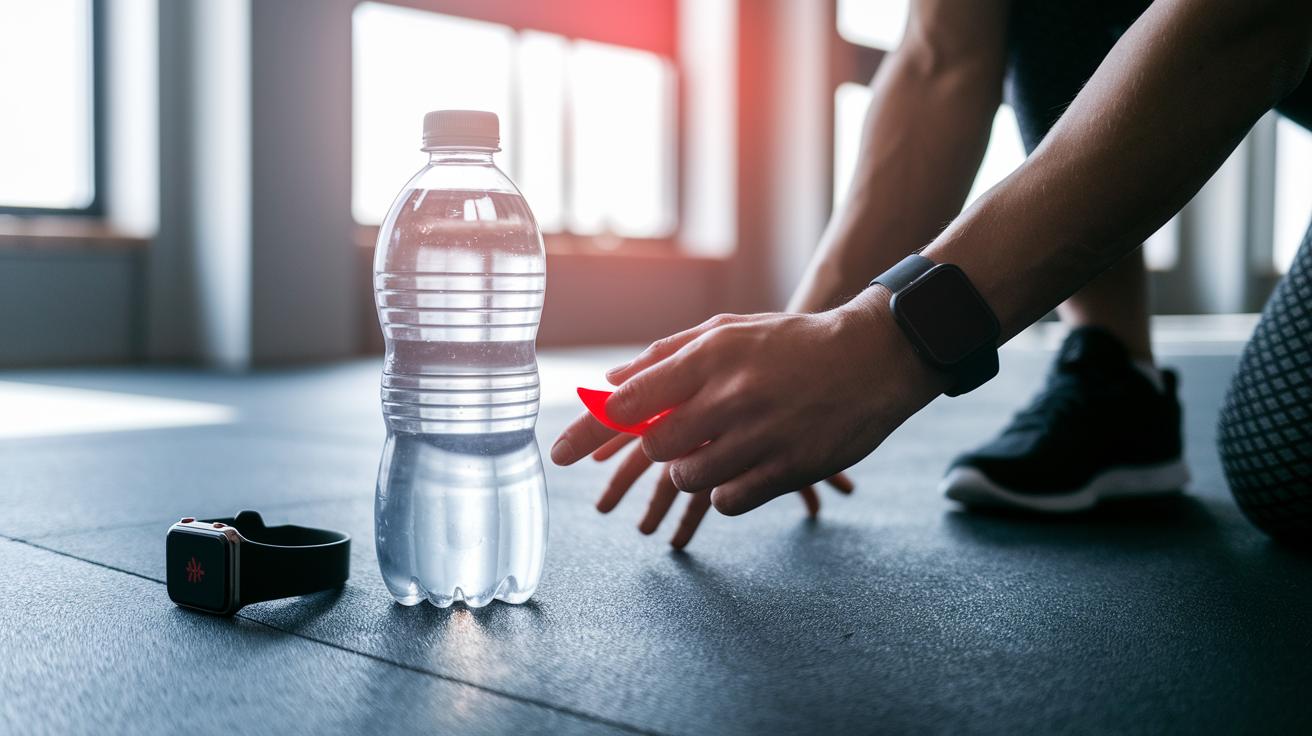
Before you start any workout, it’s important to drink enough water and check your heart rate. Staying hydrated helps your muscles work, keeps your body cool, and gives you steady energy.
Drink 16–24 oz of water about 2 hours before you exercise. During your workout, sip 7–10 oz every 10–20 minutes. After exercising, finish with another 16 oz. This routine supports your body in managing heat and muscle function.
Keep track of your workout by checking your heart rate. Aim for 50–60% of your maximum heart rate (the highest beats per minute your heart can safely manage) during light exercise, 60–75% for moderate effort, and 75–85% for high intensity. If you feel dizzy, start breathing quickly, or have chest discomfort, slow down right away.
| Intensity Level | Target %HRmax | Signs of Overexertion |
|---|---|---|
| Low | 50–60% | Little or no fatigue |
| Moderate | 60–75% | Mild dizziness, faster breathing |
| High | 75–85% | Dizziness, rapid breathing, chest discomfort |
• Follow the water guidelines and adjust based on how hard you work out.
Post-Exercise Recovery Checklist for Exercise Health
Quick take: After exercising, cool down, refuel, and rest well to help your muscles recover safely.
Triage box:
• If you feel sharp pain or extreme soreness that does not improve, seek medical advice.
• If you notice swelling, numbness, or unusual weakness in your muscles, contact your clinician right away.
After your workout, spend 5–10 minutes doing light activity like walking or slow cycling. This easy movement helps your heart rate drop slowly and warms down your muscles. After that, do static stretches that focus on the muscles you worked. This simple routine eases tightness and tells your body it’s time to relax.
Next, pay attention to nutrition and sleep. Try to have a snack with a 3:1 ratio of carbs to protein (for example, a piece of fruit with a bit of yogurt) within 30 minutes. Drinking water and replacing lost electrolytes are also key steps. Aim for 7–9 hours of sleep each night because good sleep helps with muscle repair and boosts your energy.
Finally, check your muscles each day using a simple 1-to-10 scale. Write down what you feel so you can see if your soreness is getting better or worse. This daily check can help you decide if you need to lower the intensity in your next session, keeping you safe and ready for your next workout.
Equipment and Environment Readiness in Your Exercise Health Checklist
Quick take: Check your gear and space first to keep injuries at bay.
If you spot any issues, act now:
- If equipment shows wear, repair or replace it.
- If the workout area has obstacles or hazards, clear them.
- If the room feels too hot or cold (should be 60°F to 75°F), adjust the temperature.
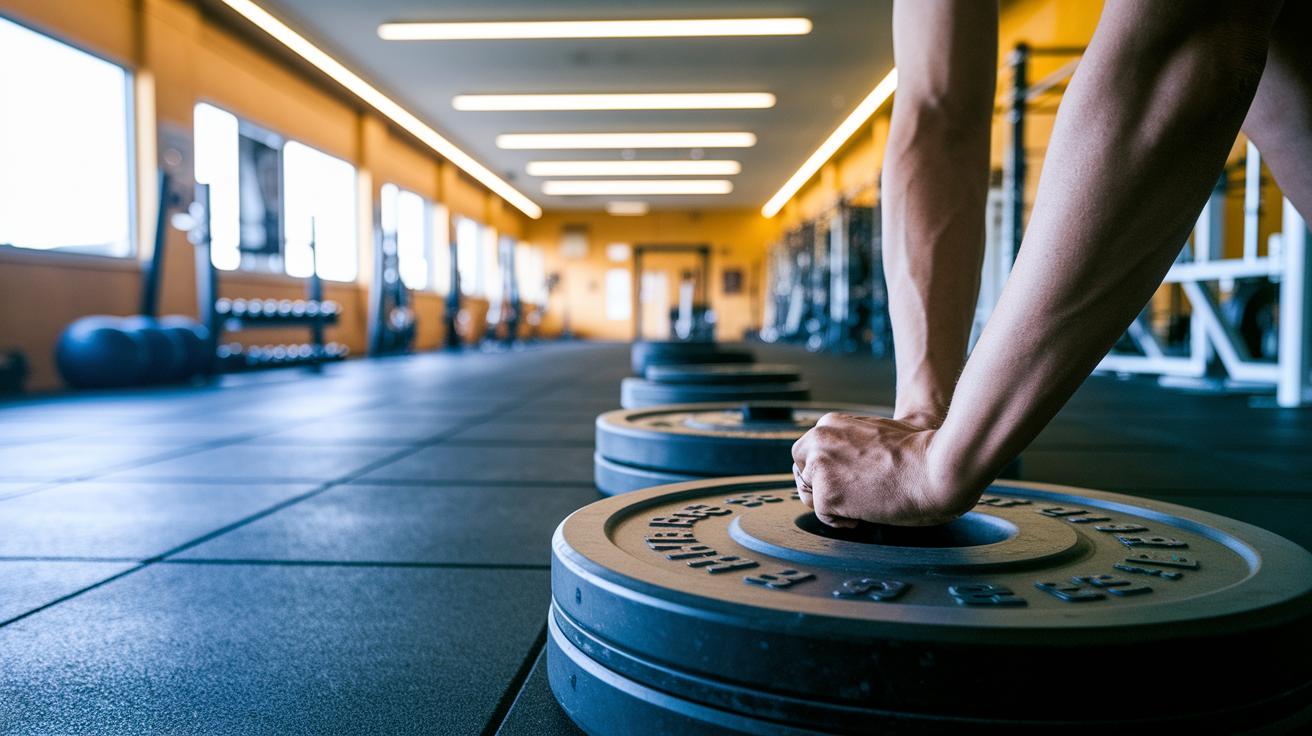
Before you exercise, look over all your equipment. Make sure weight plates are tight in place and that cables do not have any fraying or damage. Check that safety gear you plan to use, like mats or wrist supports, is in good shape. This careful check helps keep you safe during your session.
Next, inspect your workout area. Clear away any obstacles that might cause you to trip. A floor with good grip supports your movements and reduces slips. Also, make sure the environment stays within a comfortable range of 60°F to 75°F so you can perform at your best.
Finally, plan your session so you don’t overdo it. Wear shoes that fit well and offer support. Organize your exercises to build up intensity gradually. Following these simple steps boosts your performance and lowers the risk of injury while you focus on your workout.
Logging and Tracking in an Exercise Health Checklist
Quick Take: Tracking your workouts daily helps you see progress and adjust your routine easily.
Keep a daily workout log. Write down the date, the exercises you did, the number of sets and reps, the weight or load you used, how long you exercised, and your perceived effort (how hard you felt you were working). This simple record helps you notice trends and improvements.
After each session, jot down a quick note about how you felt. These brief comments make it easier to spot any changes in your performance over time.
Every week, review your log to make sure your workouts mix cardio, strength, and flexibility exercises. Look at numbers like your total weekly volume, average heart rate, and effort trends. This review can show you which parts of your routine are working well and which might need a tweak. By checking your records, you can fine-tune your workouts and avoid overtraining.
Keep your log updated daily to stay on track with your fitness goals.
Customizing Your Exercise Health Checklist for Fitness Levels

Beginner Adaptations
If you're just starting out, try to do 2–3 low-impact sessions each week. Keep it simple by focusing on basic movements and learning proper form (the right way to move). Choose easy activities like walking, light cycling, or simple bodyweight exercises that are gentle on your joints. Take a slow pace so your body can adjust and grow stronger. Make sure to rest longer between sessions to avoid feeling too tired. This gradual plan helps you build endurance and confidence while lowering your risk of injury.
Advanced Adjustments
If you're more experienced, plan a routine that mixes high- and low-intensity workouts over several weeks. For example, include sessions with plyometrics (jump training) and high-intensity intervals along with mobility drills (exercises that keep you flexible). Try different exercises like circuit training, swimming, or cycling to improve performance and avoid repetitive strain. If you're managing a chronic condition, think about reducing how far you move during an exercise or get a professional to guide your sessions. Adjust your advanced plan by varying the workout intensity, scheduling rest days, and checking your goals regularly. Balancing challenging workouts with proper recovery helps you improve safely while pushing your limits.
Progress Evaluation and Professional Input in Exercise Health Checklist
Quick take: Set clear, measurable goals, track your progress every month, and ask a professional for help when needed.
Triage:
- Red flags: Sharp pain, swelling, or severe discomfort lasting more than 3 days.
- Urgent: Sudden weakness, dizziness, or trouble breathing during exercise. Seek help right away.
- Watch and self-manage: Mild soreness or fatigue is common. Monitor and adjust if it worsens.
Setting clear SMART goals (specific, measurable, achievable, realistic, and time-bound) is a smart way to track your gains. For example, aim to boost your squat weight by 10% within 8 weeks. Use a monthly log to record details like max reps, distance run, or your best 5K time. If your numbers fall short, you know it’s time to tweak your workout.
When you have ongoing issues or need advice on changing your workouts, it’s a good idea to talk to a certified trainer or doctor. They can check your form and suggest changes to improve your safety and efficiency. Regular performance tests help you see improvements and guide any needed adjustments.
Remember to use reminders, find an accountability partner, and keep a structured tracking system. Regular check-ins with a professional can help you stay focused and adjust your exercise intensity safely. These steps build a strong habit, keep you on track, and help prevent injuries while you work toward your long-term goals.
Final Words
In the action, this article broke down key steps to build a safe routine. You learned about a proper warm-up, checking your form, staying hydrated, cooling down, and ensuring your gear is safe. The guide also underlined the need for logging, customizing your workouts, and seeking progress checks. With this exercise health checklist in hand, you can keep your routines safe and effective. Stay focused on your health and keep moving forward with confidence.