
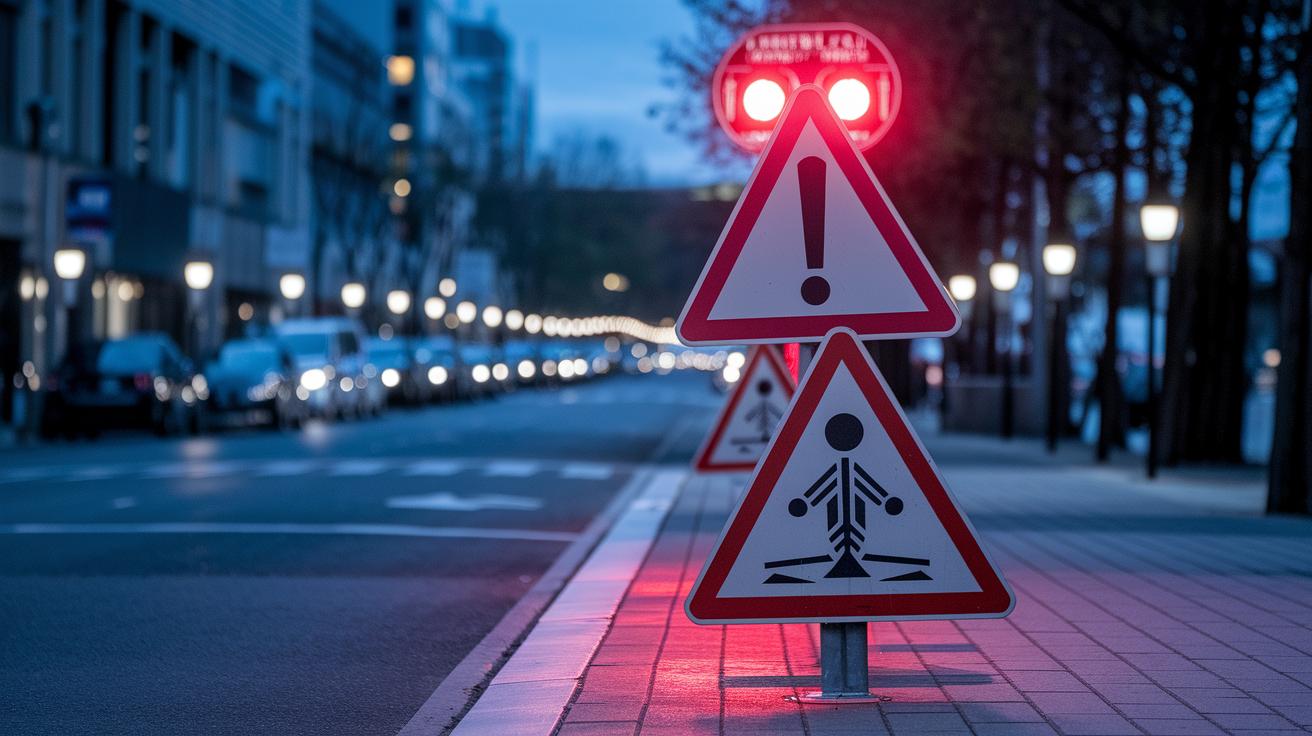

Quick take: Noticing warning signs early can help keep you safe.
Every day, you might see a note on a wall or a text alert on your phone that hints at danger. These signs are more than just little signals, they could save your life. In this post, we break down the key emergency warnings, explain how they occur, and show you why it is important to stay alert when it matters most.
Recognizing Emergency Warning Signs: Types and Meanings
Emergency warning signs help you stay safe by warning you of nearby dangers. They come as placards, stickers, or labels that you see in public places and work sites. Messages can also come to you by SMS, cell broadcasts, email, social media, radio, or TV. This way, everyone in harm’s way gets the alert. Tools like geo-location (tracking your position) and geo-fencing (setting virtual boundaries) help target alerts only to those at risk. These methods meet strict safety rules from DOT, OSHA, and state guidelines.
• Public alert markers – Signs in community areas that tell you immediately if there is a threat.
• Urgent safety alerts – Warnings using sounds, lights, or digital signals to notify you of fast-changing hazards.
• Protocol warning cues – Standard signals that start the right emergency steps in places like factories or offices.
• Fire alarm cues – Signals that tell you to evacuate right away when there is a fire.
• Digital alert platforms – Systems that send quick messages through SMS, cell broadcasts, email, or social media.
• Medical alert signals – Visual or audible signs that show you need quick medical help.
• Disaster early warnings – Alerts that let you prepare for natural hazards before they hit.
Rules and guidelines play a big role in these warning systems. By using many alert methods, organizations boost safety and follow the standards from DOT, OSHA, and state agencies. This mix of physical signs and digital messages helps prevent mistakes during emergencies while protecting both the public and workers.
Medical Alert Signals and Critical Health Warnings

Quick take: These signals may mean you are in a crisis. Act fast if you notice any of them.
If you have any of these emergency signs, call 9-1-1 immediately:
- Heavy chest pressure that may spread to your arm or jaw
- Shortness of breath even with light activity
- Unexplained nausea or excessive sweating
- Persistent pain in your jaw, back, or arm
- Sudden facial drooping, arm weakness, or slurred speech
Heart Attack Signals
- Chest pressure – A heavy, squeezing pain that can move to your arm or jaw (when to seek emergency care for chest pain).
- Shortness of breath – Feeling winded, even after little effort.
- Nausea – A queasy feeling that can come with sweating.
- Jaw or back pain – Ongoing discomfort in your jaw or upper back.
- Lightheadedness – A dizzy, weak feeling that may come with cold sweats.
Stroke Symptom Alerts
- Facial droop – One side of your face may look uneven.
- Arm weakness – Suddenly finding it hard to lift one arm.
- Speech difficulty – Slurred or garbled words that make talking hard.
- Time – Every minute counts. Recognize these signs and act now.
Training materials like manuals and posters help teach everyone how to spot these signs. Knowing the symptoms of heart attacks and strokes means you can react fast and guide others correctly. Quick action offers the best chance to minimize damage during a crisis. Regular training sessions and clear posters in public areas serve as reminders to stay alert and safe.
Environmental and Disaster Early Warning Signals
Emergency weather signals help you act fast when conditions turn dangerous. You might see these on signs, posters, or in handbooks. Right now, you can even get a 20% discount until 4/30/26 with free ground shipping when you qualify.
These signals are used in many areas like construction, industrial sites, hospitals, and food facilities. They deliver clear messages during natural disasters and severe weather so you can stay alert and safe.
• Flood risk alerts – Watch out for signs that warn about potential flooding; avoid areas that may be submerged.
• Earthquake precaution signals – Look for markers that point to safe zones during earthquakes.
• Wildfire notifications – These alerts warn you of wildfires and guide safe evacuation.
• Severe storm warnings – They signal coming dangerous winds and heavy rain.
• Heatwave advisories – Notices meant to prepare communities for extreme, high temperatures.
• Blizzard alerts – Warnings designed to help secure property and plan for travel interruptions.
Industries depend on these signals to hit strict safety standards. On construction sites, clear signs let workers spot risks right away. In healthcare and food service, early alerts reduce accidents and keep everyone informed as conditions change. By combining physical signs with digital alerts, businesses create a strong safety net that meets DOT, OSHA, and local rules. Clear, accessible disaster signals are key to lessening hazards and ensuring a quick, organized response when emergencies hit.
Digital Alert Platforms and Rapid Response Cues

These systems send emergency alerts quickly using many different methods. They use text messages, cell tower broadcasts, internet protocols (TCP/IP means the language computers use), satellite, WiFi, and even radio voice messages to reach people fast. They also send updates via email, social media, and long-range acoustic devices (LRAD), making sure all devices get the alert without needing to sign up first.
- Guaranteed reach: Alerts go out on several channels to every device.
- Geo-fencing precision: Messages are sent only to people in specific high-risk areas.
- Interoperability: They work with many systems, such as TCP/IP, satellite, and WiFi.
- Automated scheduling: You can set alerts to trigger at certain times or follow a planned schedule.
- Regulatory compliance: They meet safety standards like EECC, which help ensure high performance.
Following rules like EECC means these platforms work safely and reliably. Real-time data and detailed monitoring let safety officers adjust responses quickly. This makes emergency management smoother and more effective.
Emergency Warning Signs in Home and Workplace Safety
Quick Take: These signs help you act fast in a crisis.
Triage Box:
• Red Flags: Faded, outdated, or missing signs.
• Urgent: Replace and update any damaged warnings.
• Basic Steps: Check signs often and train everyone on what they mean.
Products like inspection reports, placards, labels, stickers, and safety posters warn you about dangers at home and work. They follow strict safety rules so families and employees know exactly what to do when an emergency hits.
| Setting | Warning Sign Type | Purpose |
|---|---|---|
| Home | Fire Alarm Cue | Prompt evacuation |
| Warehouse | Chemical Spill Placard | Immediate hazard awareness |
| Fleet | Rescue Vehicle Signal | Ensure right-of-way |
| Office | Evacuation Route Poster | Guide to exits |
Keeping your safety signs current is very important. Signs like fire alarm cues meet guidelines while helping everyone leave safely. In warehouses and on the road, messages such as chemical spill warnings and rescue vehicle signals alert you to dangers quickly.
Regular checks, prompt replacement of damaged or old signs, and ongoing training make sure these warnings work when you need them. Using both physical markers and digital alerts increases the chances that everyone hears the call to act during an emergency. This active approach not only meets safety rules but also builds a strong culture of care at home and work.
Response Strategy Guidelines and Rapid Intervention Cues

Quick take: Follow these steps to act fast and keep everyone safe when danger signals appear.
Standard procedures help agencies act quickly during emergencies. A central dashboard shows alerts and lets you send clear messages right away. Cloud records store warning details, the actions taken, and lessons learned after each event. Expert consultants also guide agencies in setting up these steps to lower risk. When an alert comes in, you need easy, step-by-step actions that everyone understands.
- Check the type and seriousness of the alert.
- Confirm affected areas using location data.
- Send out alerts through digital channels, sirens, or voice messages.
- Begin evacuation or shelter plans immediately.
- Log the incident in the system and review what happened afterward.
Regular drills and scenario exercises are key to improving these plans. Ongoing training and careful review of incident records help keep safety measures strong and ready for new challenges.
Final Words
In the action, this guide explained warning signals that help you spot crises fast. We broke down definitions and examples, from placards and digital alerts to clear checklists for rapid intervention. Key points included how multi-channel alerts and geo-targeting reach those in need and the steps to follow when danger looms.
Each section aimed to make safety guidelines easy to follow while boosting confidence in urgent decisions. Stay alert and prepared for emergency warning signs.
FAQ
What are emergency signs and symbols and their names?
The emergency signs and symbols offer visual cues like icons with specific names that alert people to hazards. They provide clear guidance to help you respond quickly during critical situations.
What does an emergency sign for car indicate?
The emergency sign for car indicates potential roadside hazards such as a breakdown or accident. It alerts drivers to slow down, look for safety instructions, and follow proper protocols.
What is the purpose of an emergency hospital sign?
The emergency hospital sign guides patients and visitors to urgent care areas. It ensures that individuals can quickly locate essential medical services during health emergencies.
What are emergency traffic signs used for?
The emergency traffic signs are used to notify drivers of temporary hazards like detours or accidents on the road. They help maintain safety and guide traffic flow during crises.
How do I access a Shelter in Place sign printable?
Accessing a Shelter in Place sign printable means downloading a ready-made template online. These templates clearly instruct occupants to stay indoors during emergencies to meet safety guidelines.
What does an emergency sign mean?
The emergency sign means that immediate attention and action are required. It serves as a direct signal to follow safety procedures and avoid potential hazards in the area.
What is an In Case of Emergency sign template used for?
An In Case of Emergency sign template is used to display vital emergency contact information and instructions. It ensures that anyone in crisis knows how to reach help quickly.
What are the 7 types of safety signs?
The 7 types of safety signs include hazard warnings, mandatory instructions, prohibitions, emergency exits, fire instructions, evacuation maps, and informational signs, each designed to promote safe practices.
What are the 5 P’s of emergency?
The 5 P’s of emergency refer to priority, protection, preparedness, promptness, and planning. They form a checklist that guides effective and coordinated responses during a crisis.
What are the five danger signs?
The five danger signs typically include sudden, severe symptoms, rapid deterioration, high fever, unexplained severe pain, or altered mental status. They signal when immediate action and medical help are needed.
What are the three types of emergency alerts?
The three types of emergency alerts are broadcast alerts for mass notification, targeted alerts using geo-fencing, and digital alerts sent via SMS or social media. They work together to ensure everyone in a crisis area gets informed.