


Quick Take: A clear emergency plan can save lives by helping you act quickly when every second counts.
Have you ever wondered what you would do in a crisis? An emergency plan is like a safety net that protects you. When danger appears, check your surroundings and call for help. These simple actions can make all the difference.
Our guide gives you clear, step-by-step instructions so you can stay calm and focused. A well-practiced plan turns chaos into order and gives you and your team a clear path through a life-threatening situation.
Defining Emergency Protocols and Key Immediate Actions
Quick take: In a true emergency, act fast by checking your surroundings, calling for help, and starting life-saving steps until professionals arrive.
If you have any emergency signs such as unresponsiveness, trouble breathing, or severe symptoms, call emergency services right away.
• Red flags:
- Unresponsiveness
- Trouble breathing
- Severe chest pain
- Seizures or sudden collapse
• Urgent steps:
- Look around for any dangers and know what is happening.
- Call 911 or hit your building’s alarm to get help fast.
- If the person is not responding or not breathing, start CPR or other basic life support.
- Follow your pre-planned emergency action steps exactly.
- Clearly tell the responders what is happening so they can be ready.
Having a ready emergency plan helps you stay calm and organized. Fast checking, quick action, and clear instructions can make a big difference until help arrives.
Developing Workplace Emergency Protocols for Safety and Compliance
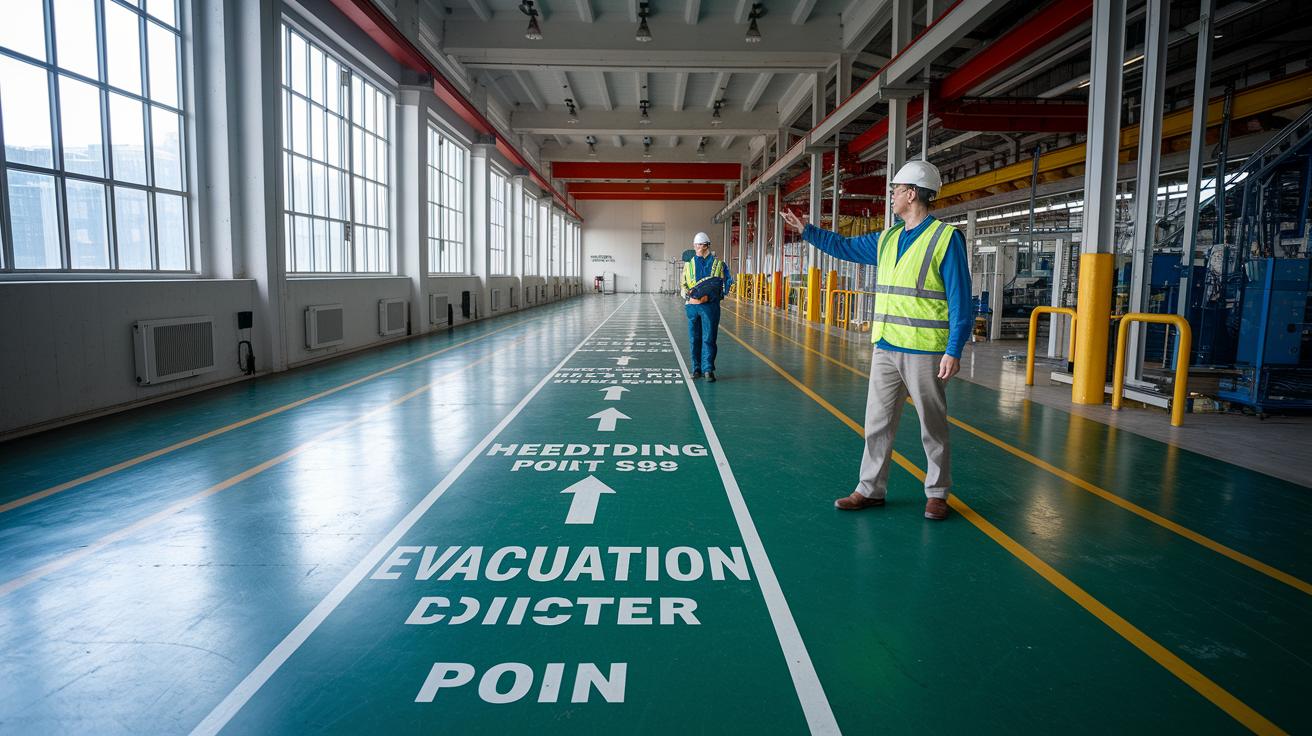
Having an emergency plan can save lives. OSHA requires you to have a written plan that shows how to keep everyone safe during a crisis. This plan must include marked evacuation routes, a clear meeting spot, and a trusted person in charge for emergencies.
A well-made emergency plan helps each worker know what to do when time is short. Regular checks for dangers and practice drills build confidence and reduce confusion. Updating your plan often and checking that safety gear works properly keeps your facility ready for anything.
Here are seven key steps to create an effective emergency plan:
- Assess risks around your workplace.
- Write a clear emergency plan.
- Draw clear evacuation maps.
- Choose and train emergency leaders.
- Set up a simple way to share important messages.
- Plan regular drills and keep records.
- Check and maintain all safety equipment.
Following these steps will not only meet OSHA rules but also boost the safety culture at your work. Practice the plan regularly and review updates so everyone knows how to act calmly and quickly during an emergency.
Implementing Hospital and Medical Emergency Protocols in Clinical Settings
Quick take: Clear protocols help your team act fast when every second matters.
In hospitals, fast and clear steps can save lives. Every moment counts when a patient faces a life-threatening event. AED machines (automatic external defibrillators) can cost between $800 and $1,500. They have proven successful outside hospitals, so having a plan is key. Most family doctors have basic life support (BLS) training. However, advanced skills such as advanced cardiovascular life support (ACLS) and pediatric advanced life support (PALS) are less common. That’s why having a solid set of protocols is so important.
Medical teams need to act quickly in tense situations like cardiac arrest or stroke. They must also be ready to deal with severe allergic reactions, shock, or responses to IV contrast allergies. It is all about assessing the situation quickly and using the right treatment without delay.
| Condition | Triage Category | Key Protocol Step |
|---|---|---|
| Cardiac Arrest | Emergency | Begin CPR and use AED |
| Stroke | Urgent | Perform rapid neurological assessment and imaging |
| Anaphylaxis | Emergency | Administer epinephrine and support airway |
| Shock | Urgent | Stabilize vitals and restore circulation |
| IV Contrast Allergy | Urgent | Discontinue contrast and treat reaction with antihistamines |
These protocols help your team decide quickly how serious a case is and take action immediately. Regular drills and ongoing training in BLS, ACLS, and PALS help ensure everyone on your team is ready. Clear communication and consistent practice help turn these plans into everyday, life-saving actions.
Establishing School and Public Facility Emergency Protocols with Standard Response Protocol

Quick take: This plan helps school and facility staff act calmly and clearly during an emergency.
Triage Box:
Red Flags: If you face immediate danger or a life-threatening situation, call emergency services now.
Urgent: If you see a strong threat, follow established safety steps right away.
Watch and Self-Manage: In less clear situations, use these steps to keep everyone safe until help arrives.
The Standard Response Protocol (SRP) is a clear emergency plan for schools and public buildings. It helps everyone know what to do quickly when a crisis happens. The plan is updated every 2 years, with the next update in 2025. This update makes sure that all staff, from administrators to front-line workers, use the same straightforward words during emergencies. It comes with detailed guides (version 4.2 for K-12 and version 5.0 for higher education) and reminds everyone to do regular drills and reviews so that you are ready. Following clear steps reduces confusion and helps you respond quickly and calmly under pressure.
• Hold: Stop what you are doing immediately. Take a moment to look around before acting further.
• Secure: Block off dangerous areas fast and make sure people at risk are moved to safe spots.
• Lockdown: Start the lockdown process to keep unwanted people out and protect everyone inside.
• Evacuate: If needed, help people leave along the planned routes to a safe spot outside.
• Shelter: If leaving is unsafe, move everyone to a nearby secure place that shields them from the threat.
Following these five steps is key to keeping order during unpredictable events. Regular drills help everyone know their role, which builds confidence during a real emergency. This preparation makes sure that when a crisis happens, responses are quick, coordinated, and effective, protecting both lives and property.
Emergency Protocol: Swift Steps for Calm Success
Quick take: A solid family plan and local support team help you stay safe when emergencies strike.
If you feel unsafe or if there is an urgent danger, call emergency services now.
A family plan combined with community support keeps you and your loved ones prepared. When you have a ready home and nearby help, you create a network that shares supplies, vital information, and assistance exactly when you need it.
- Gather water, long-lasting food, and first-aid kits.
- Keep your medications and health items current and easy to reach.
- Pack tools like flashlights, batteries, and a portable radio.
- Write down emergency contacts, including family, friends, and local services.
- Set up a system such as text or phone alerts for quick emergency updates.
- Pick a safe meeting spot for everyone in your home.
- Work with neighbors or local agencies to share resources and help.
- Print and review your checklist regularly to keep your supplies and contacts up-to-date.
Following these eight steps helps you meet urgent needs and strengthens local bonds. Regular updates and shared duties make sure everyone knows what to do and where to go when it matters most.
Coordinating Multi-Agency Response and Incident Management Procedures
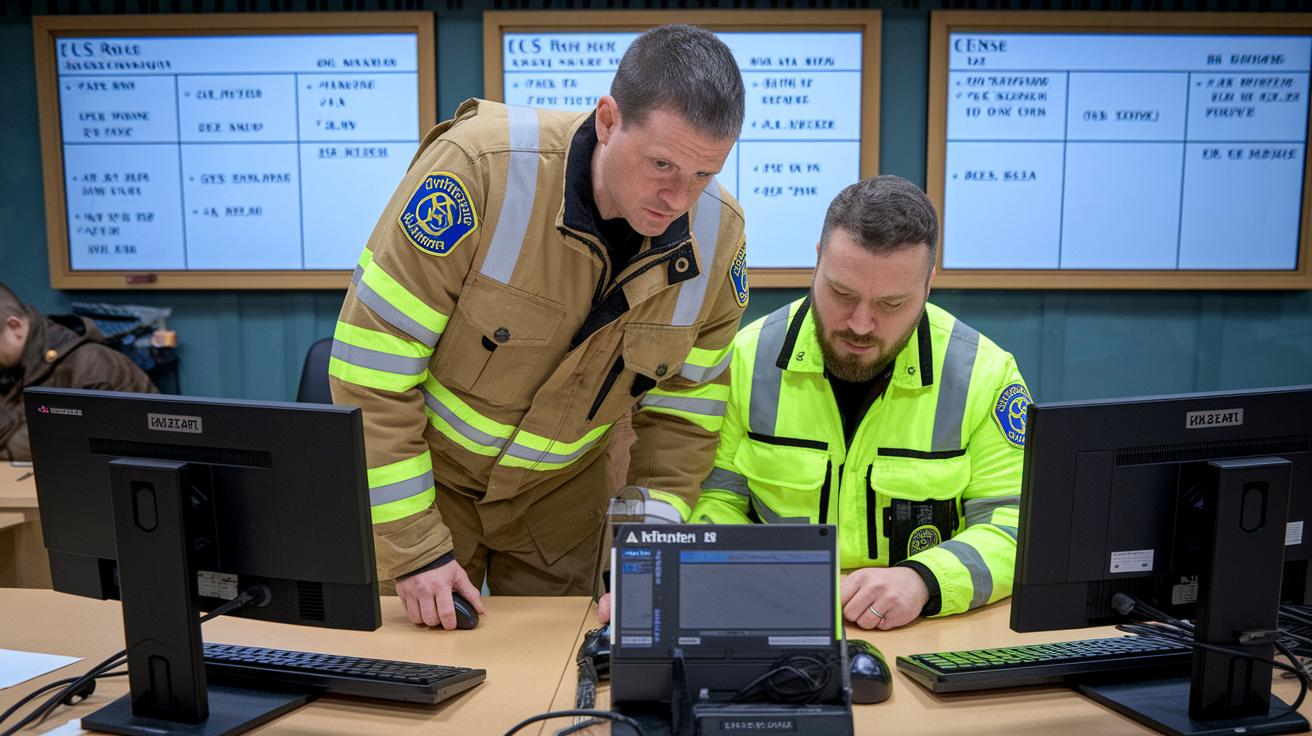
When a big emergency happens, teams need to work together fast and clearly. The Incident Command System (ICS) gives each group a clear role so everyone knows what to do.
If you have any of these emergency signs, call emergency services now.
Key team roles include:
- Incident Commander: Leads the overall effort and assigns tasks.
- Operations: Manages on-site actions to keep things safe and efficient.
- Planning: Gathers updates, predicts what might happen, and makes plans.
- Logistics: Finds and shares resources like supplies and tools.
- Finance: Keeps track of costs and manages spending.
Here is what happens when an incident starts:
- The Incident Commander gets updates and sends out the first teams.
- The Operations team takes immediate action.
- The Planning team keeps the plan fresh with new information.
- The Logistics team makes sure resources are available.
- The Finance team watches the spending all through the incident.
This clear order helps everyone act quickly and work together until the crisis is over.
Ensuring Protocol Effectiveness: Training, Drills, Review, and Continuous Improvement
Keep your emergency plan fresh and ready. Regular training makes your team confident so that actions come naturally during a crisis. If you see any gaps in training or guidelines, update them right away.
Follow these safety steps:
- Call on your team to review protocols regularly.
- Schedule training sessions so everyone knows what to do.
- Run drills that mimic real scenarios so you can practice clearly.
- Check and document each drill’s results. This helps you improve step by step.
Remember:
• BLS (Basic Life Support) needs renewal every 1 year.
• Advanced skills like ACLS (Advanced Cardiac Life Support) and PALS (Pediatric Advanced Life Support) should be refreshed every 2 years.
• Run simulation drills with real-world scenarios to boost readiness.
• Review your operational guidelines at least twice a year.
| Training Type | Recommended Frequency |
|---|---|
| BLS | Annually |
| ACLS | Every 2 years |
| PALS | Every 2 years |
| SRP Drill | Regularly with real scenarios |
| Evacuation Drill | Regular sessions |
Regular emergency drills and training build clear steps for safe action when an emergency strikes. Make it a habit to review every learning point after each drill. This way, both new team members and seasoned staff stay sharp and confident when the unexpected occurs.
Final Words
In the action, this article mapped out clear steps for creating and following an effective emergency protocol. It reviewed key actions, from initial response and regulatory workplace plans to hospital procedures and school or community safety measures.
We explored how a family plan complements multi-agency efforts and underscored the need for regular drills, training, and reviews. These guidelines help you act confidently and safely during urgent events.
Stay prepared and keep practicing these steps for renewed peace of mind.
FAQ
What does “emergency protocol” mean?
The term “emergency protocol” means a set of clear, ready-to-use steps that guide immediate actions during critical events in hospitals, workplaces, or home settings.
What are the 5 emergency protocols?
The 5 emergency protocols include assessing the scene, calling 911 or activating an alarm, starting basic life support, following the written action plan, and communicating with incoming responders.
What are the 7 steps in an emergency?
The 7 steps in an emergency often involve evaluating the situation, contacting emergency services, applying first aid, activating the emergency plan, maintaining clear communication, monitoring conditions, and following up with professional care.
What are the 5 P’s of emergency?
The 5 P’s of emergency stress that proper prior planning prevents poor performance by focusing on planning, preparing, practicing drills, protecting life and assets, and proceeding with established protocols.
What is an emergency protocol template or PDF?
An emergency protocol template or PDF offers a structured guide that outlines key steps, designated roles, and communication procedures to help organizations quickly establish a reliable response plan.
What is a medical or hospital emergency protocol?
A medical or hospital emergency protocol details clear procedures and defined roles to manage life-threatening situations like cardiac arrest, stroke, or severe allergic reactions, ensuring rapid and effective care.
What is a family emergency plan PDF?
A family emergency plan PDF is a ready-to-use document that lays out essential steps, meeting points, contact information, and supply lists to help households organize a swift response during emergencies.