
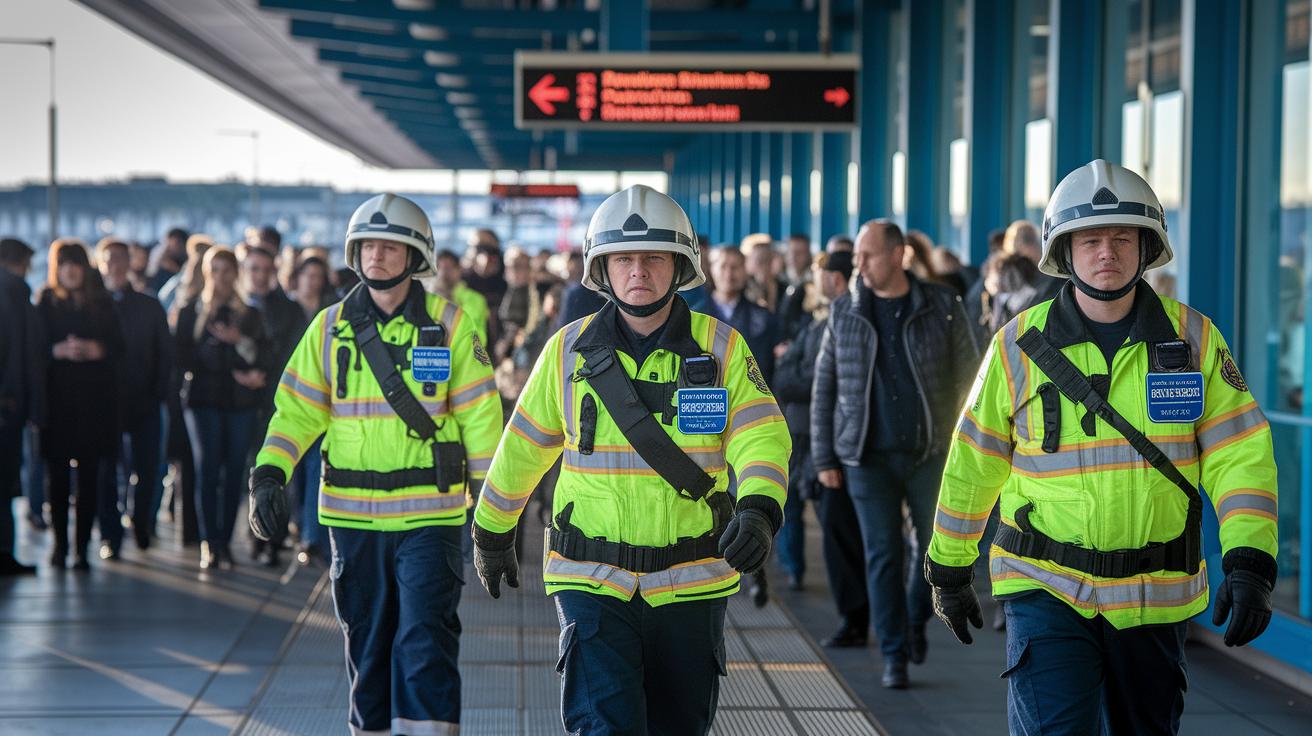

Quick Take: When danger strikes, act fast to keep everyone safe.
If you notice any fire, exposed wires, or other hazards, call emergency services now. If someone is hurt, call for help right away. Then move yourself and others to a safe spot.
In a crisis, every second matters. You might see flames or loose wires when you least expect them. Follow these simple steps: check the situation, call for help, and assist anyone who is injured. This clear plan helps you stay calm and in control during emergencies.
Core Emergency Protocol Steps for Immediate Response
Quick take: In an emergency, act fast, check your surroundings, call for help, and care for anyone hurt.
If you have any of these emergency signs, call emergency services now:
• See flames, sparks, or smoke.
• Notice exposed live wires.
• Spot other clear dangers that could hurt you or others.
When danger strikes, every second counts. Follow these steps to keep yourself safe and help someone in need:
- Check your scene. Look around for hazards like fire, live wires, or other dangerous risks. Make sure you are safe before helping others.
- Call 911 or your local emergency number. Do this right away once you know it is safe and if you can get consent from the injured.
- Care for anyone hurt. Use basic first aid until professional help arrives. Focus on both immediate needs and longer-term care.
By sticking to these steps, you reduce risk for yourself and anyone affected. This clear, step-by-step plan helps you act quickly and keep everyone as safe as possible.
Emergency Risk Assessment and Protocol Planning Steps

Risk assessment is the first step to keep you safe in an emergency. It helps you see what could go wrong so you can plan a quick and clear response.
Start by spotting hazards. Think of things like fire, chemical spills, or even cyber attacks. Watch for clues such as odd smells, computer alerts, or visible damage. These simple checks can reveal hidden dangers early on.
Then, consider how each hazard might affect people and daily operations. Ask yourself if a hazard could cause injuries, interrupt work, or lead to financial losses. This helps you decide which issues need immediate attention versus those that might create problems later.
Finally, put protection measures in place to reduce risks. This might mean installing fire suppression systems, updating safety equipment, or enhancing digital security. These steps turn your risk assessment into an active plan that helps keep people safe and operations running smoothly.
Emergency Communication Plan Steps and Alert Protocols
In an emergency, clear and quick communication can save lives. A strong communication plan uses trusted alert systems to reach staff, first responders, and key people fast. Setting up these steps helps everyone feel more confident during tough times.
Use both old and new methods to share messages. Traditional ways like PA systems and phone trees work well with modern tools such as push notifications, mobile apps, and social media. This mix means that if one method fails, another will still send the update. For example, a community center may call residents through a phone tree while also sending alerts through a mobile app.
Set simple rules for starting alerts and for moving to higher levels of warning if things get worse. Clear roles and coordination with local emergency services are key. This helps everyone know exactly what to do and stops confusion during critical moments.
Emergency Evacuation Protocol Steps and Routing

Quick take: In an emergency, follow clear, marked pathways to exit safely.
Triage Box:
• If you see heavy smoke or fire, call emergency services immediately.
• If your usual exit is blocked, use your backup route.
• Stay calm and follow all posted signs.
Primary and Secondary Escape Routes
Plan both your main and backup exit paths. Use large, easy-to-read signs and floor markings. These clear routes help everyone leave safely. For example, make sure corridors and stairwells have always-lit exit signs during power outages.
Designated Mustering Points
Choose safe meeting spots well away from danger. These areas should be open, easy to reach, and free of obstacles. Check them regularly to ensure they stay safe as conditions change.
Role Assignments for Evacuation
Make sure team members have clear jobs during an emergency. Fire wardens and first aiders help guide people, assist anyone with special needs, and report any problems. Their goal is to keep order and help everyone follow the safe routes.
| Evacuation Component | Key Actions |
|---|---|
| Primary Routes | Plan, mark, and keep clear |
| Secondary Routes | Identify as backup exits |
| Muster Points | Choose safe areas for assembly |
Emergency Training and Drill Steps for Protocol Implementation
Quick take: Regular drills help your team act calmly and correctly when emergencies arise.
Regular practice drills lay the groundwork for clear and steady actions in an emergency. Scheduling training sessions like workshops, simulations, and drills ensures every team member understands their role. With regular practice, everyone becomes more confident and knows exactly what steps to follow when facing a crisis.
Simulation Exercises
Run both paper-based (tabletop) and live drills that mirror real emergency situations. For example, set up a scenario where a fire disrupts normal routines and team members must follow specific safety steps. These exercises help everyone use what they’ve learned in real time and reduce mistakes under stress.
Staff Debrief and Feedback Sessions
After each drill, gather the team for a short meeting to talk about what worked well and what could be improved. Review each step of the response, point out any problems, and decide on changes for next time. These talks build awareness and sharpen everyone’s understanding of the safety plans.
Continuous training and frequent drills make sure your team is ready to act quickly in an emergency. Regular practice builds trust, ensures clear communication, and keeps every member prepared. Remember, frequent drills and thoughtful reviews create a team that can respond with calm and purpose when it counts.
Emergency Command Framework and Resource Allocation Steps

When an emergency strikes, a clear plan is vital. Knowing who leads helps everyone act fast and safely.
Start by naming leaders. When you assign clear roles, each person understands their duty. This simple step cuts down on confusion during stressful times.
Next, set up a central control center. This is where leaders and communication officers work side by side. It should have reliable phones and computers so that messages and updates are shared in real time.
Plan how you will use your resources. List the team members, tools, and backup plans each must have. Use digital systems to track supplies and assignments. This lets you adjust quickly if the situation changes.
Working with a strong command structure brings confidence. When every part of the plan works together, you can handle emergencies more effectively.
Emergency Post-Incident Recovery and Protocol Review Steps
After an incident, take time to recover and learn from what happened. This period helps you review events and get feedback from everyone involved. Hold a structured debrief to note what worked well and find areas for improvement. This process helps you act more safely next time.
Review your emergency plan right away. Compare what really happened with what you expected. Use the feedback to spot any gaps in the plan. Update your steps based on lessons learned and any new rules or guidelines. This keeps your plan clear, usable, and ready for future challenges.
Plan for business continuity as you review your plan. Do a damage check and set up steps to keep your work going. Notify your insurer if needed. These actions help you get back on track quickly and lower the risk of future incidents.
Final Words
In the action, the article outlined immediate response measures, from a clear set of emergency protocol steps (check, call, care) to detailed risk assessments.
We broke down communication plans, evacuation routes, and regular training drills to help you act quickly and confidently.
Each section guides you on staying safe, organizing resources, and reviewing your plan for continuous improvement.
By following these simple steps, you can reduce risk and respond effectively during critical moments.
FAQ
What are the main phases and steps in emergency management?
The emergency management approach covers phases such as prevention, preparedness, response, and recovery. Some models add steps like mitigation or review to create a safe, systematic framework for handling crises.
Where can I find downloadable emergency plan and checklist templates?
You can find emergency plan PDFs, including family and workplace templates, on government and safety websites. These resources offer ready-to-use checklists and documents to guide your preparation.
What are the key steps or protocols during an emergency?
The key protocols involve assessing hazards, calling for help, ensuring safety through evacuation or sheltering, and providing immediate aid. Some models also highlight the 5 P’s: people, plan, process, place, and preparedness.