

Quick Take: In an emergency, every second counts. Follow these 6 steps to stay safe and act fast.
Triage Box:
• Call emergency services immediately if you see dangerous signs like heavy smoke or flames.
• Get to a safe spot right away if the situation escalates.
• Follow your pre-planned steps and stay calm.
Have you ever wondered what you would do when an emergency strikes? Seconds can make all the difference. A clear plan gives you the confidence to act quickly and protect yourself and others.
In this guide, you’ll learn 6 easy steps you can follow during events like fires or severe weather. These steps show you how to spot danger and respond calmly. By practicing your plan with regular drills, you can be ready when it matters most.
Read on to learn how to take charge during a crisis and keep yourself safe.
Overview of Essential Emergency Procedures
Quick take: Act fast and follow these clear steps to keep everyone safe.
If you see a dangerous situation, call 911 immediately. Check for hazards around you, and if you spot flames, smoke, or other clear dangers, dial 911 without delay.
Employers set up plans so all staff know how to act during a fire, earthquake, or power loss. They keep emergency exits clear and marked and ensure that warning sirens and first aid supplies are ready to use.
Follow these steps when an emergency happens:
- Dial 911.
- Look around for any immediate dangers.
- Alert people nearby.
- Decide whether you need to leave the building or find a safe place inside.
- Use tools like a fire extinguisher or first aid kit only if you know it is safe.
- Report your status to the designated command center.
Everyone has an important role in an emergency. Your employer trains you and others on what to do so you can act calmly and correctly. Regular drills keep this training fresh, so in a crisis you can work with your team to manage the situation and keep clear communication from start to finish.
Fire Emergency Procedures and Response

Quick take: Fire spreads fast. If you see flames or heavy smoke, call emergency services immediately.
• Call emergency services now if you see large flames or thick smoke.
• Use a fire extinguisher only if it is safe.
• Follow your planned evacuation route.
Fire starts when fuel, heat, and oxygen come together. Many everyday items can catch fire quickly. For example, paper can ignite in less than 3 seconds at about 451°F, wood burns in roughly 300 seconds (5 minutes), and iron takes about 3,000 seconds (50 minutes) to burn.
Fires are grouped by the type of material burning:
• Class A covers items like wood and paper.
• Class B is for flammable liquids such as gasoline.
• Class C involves electrical fires (fires from devices or wiring).
• Class D is for combustible metals.
• Class K is used for cooking oils in kitchens.
Different types of fires need different extinguishers. In the table below, you can see which extinguisher works best for each fire type:
| Fire Class | Common Fuel | Extinguisher Type |
|---|---|---|
| A | Wood, paper | Water or foam |
| B | Flammable liquids | CO2 or dry chemical |
| C | Electrical fires | CO2 |
| D | Combustible metals | Dry powder |
| K | Cooking oils | Wet chemical |
In commercial kitchens, special fire suppression systems are used in high-risk areas like above charbroilers and deep fat fryers. Regular fire drills and safety checks help everyone know how to act fast. Also, secure all flammable liquids and keep escape routes clear. These steps help make sure you and others can leave safely when every second counts.
Earthquake Emergency Procedures and Safety Tactics
Quick take: When an earthquake happens, drop, cover, and hold on; then watch for aftershocks and move to a safe open area.
• If you are indoors when the quake starts, drop immediately.
• Get under sturdy furniture or stand in a doorway for extra support.
• Cover your head and face with your arms or a cushion.
• Hold on until the shaking stops.
Imagine ducking under a strong table during tremors to protect yourself from falling objects. This DROP-COVER-HOLD method can lower the risk of injury from debris.
After the quake, be ready for aftershocks. Check your surroundings and move to an open space away from windows and external walls. Use a simple safety checklist to make sure you are in a secure spot. Regular earthquake drills can help you act quickly and correctly if aftershocks occur.
Once the shaking ends, inspect the building for any damage. Keep your emergency kit close by. Your kit should include items like water, food, and a flashlight. Practicing safety drills and retrofitting your building can help you feel confident and secure during an earthquake emergency.
Medical Emergency Procedures and Critical First Aid Steps
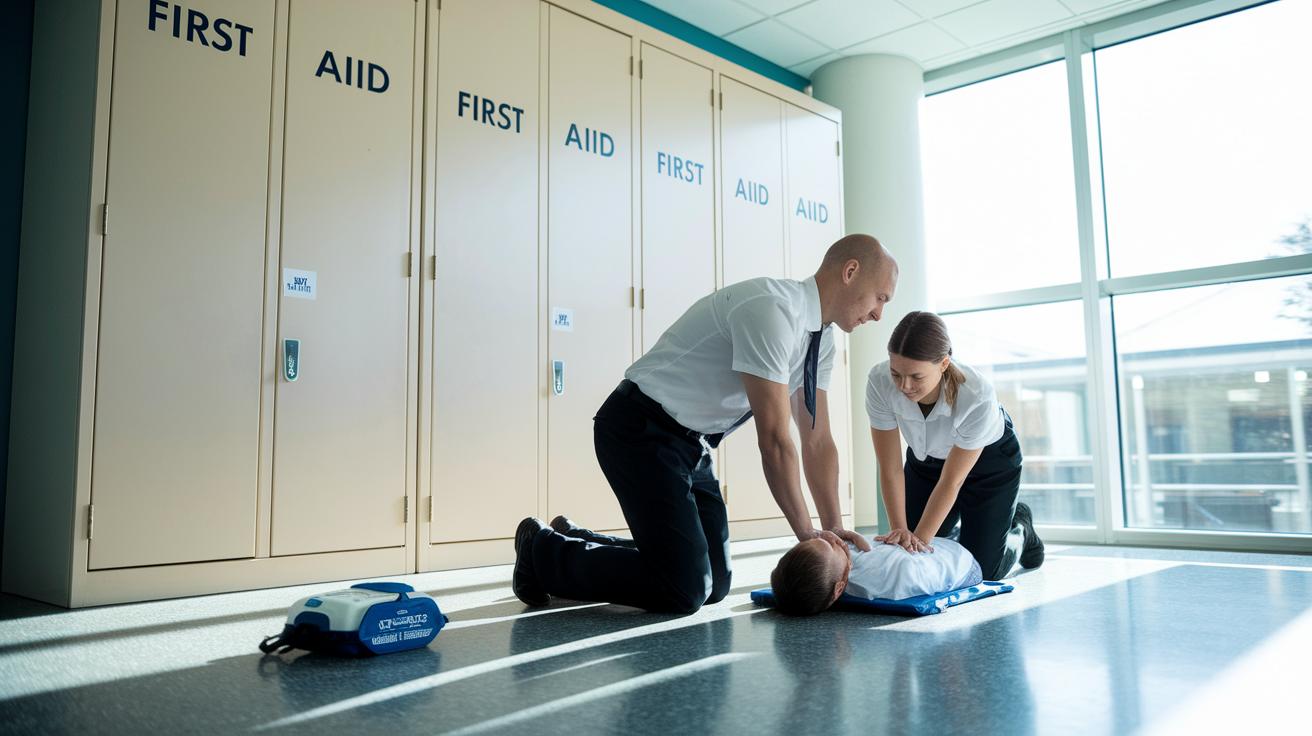
Employers need to clearly provide emergency supplies onsite. This means having first aid kits that are easy to access and designated staff trained in basic first aid. In small workplaces, a well-stocked kit might be enough. In larger organizations, trained personnel should be available to help. For example, a workplace might keep its first aid cabinet in a common area so help is close at hand for minor injuries or urgent care needs.
In a crisis, every second counts. Life-saving tools like AEDs (devices that help restart a stopped heart) should be within reach. Staff should know CPR (chest compressions and breathing help) and basic life support. Picture a situation where someone's heart stops, and a trained responder quickly uses an AED and performs CPR. Fast action like this can save a life. It is very important to know when to help onsite and when to call 911.
If dangerous chemicals are involved, quick cleanup is a must. Emergency wash stations and eyewash showers should be positioned near areas with corrosive or cleaning agents. If chemicals touch the skin or eyes, use these facilities immediately and then call 911. Regular training and drills help everyone feel ready to act confidently during a crisis.
Workplace Evacuation Procedures and Exit Route Planning
Quick take: Stay calm and know your exit routes well so you can act fast in an emergency.
If you spot any dangerous signs like smoke or a loud alarm, leave right away. Here’s what to do:
- Use clearly marked emergency exits and accessible stairs.
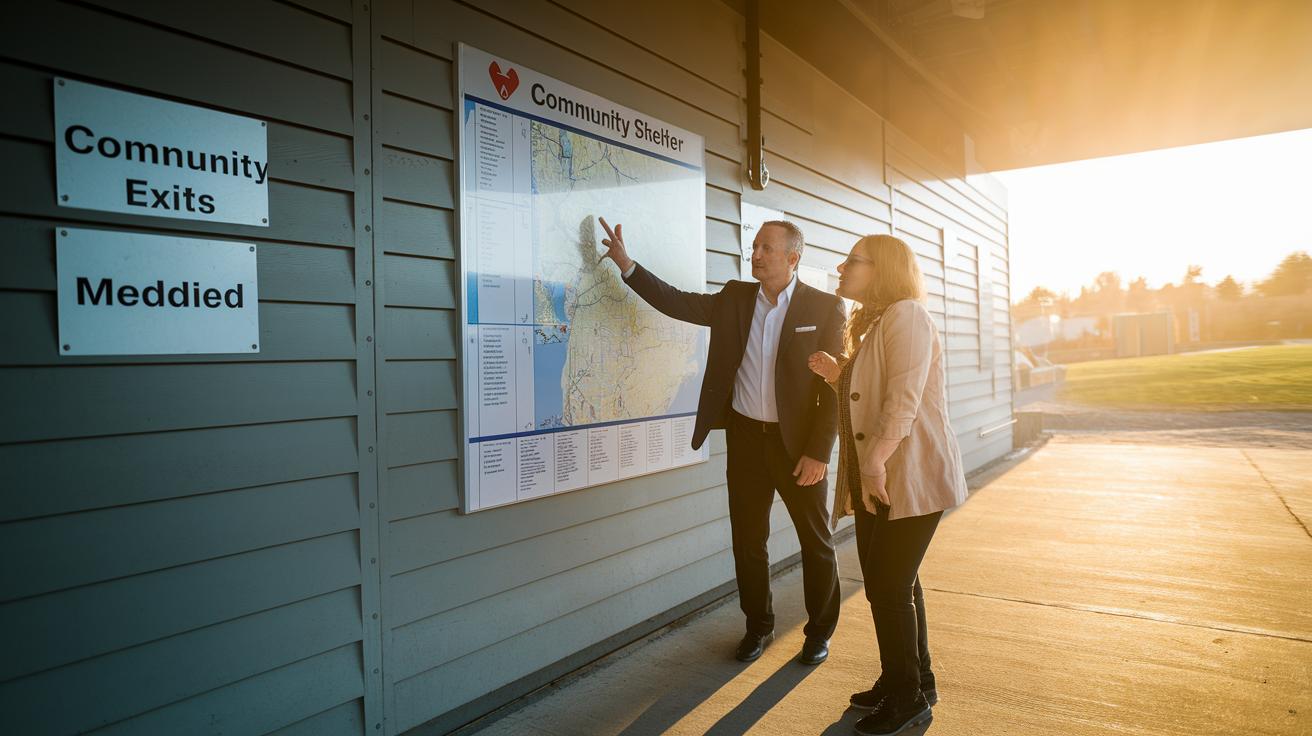
- Follow posted exit maps and signs to find the nearest safe route.
- Avoid elevators during an emergency or fire drill.
Regular checks keep these routes safe. Employers test the paths and ensure corridors stay clear. Fire alarms ring for over 3 minutes to alert everyone, and routine fire drills help everyone practice exiting quickly. They also update signs if any changes occur in the building layout.
If you can’t evacuate immediately, follow these steps:
- Shelter in a lockable room and notify dispatch.
- If there’s a gas leak or flood, stop work right away and contact the designated center.
- If you become trapped, try using an alternate exit and wait for professional help.
These clear steps help you respond quickly and safely in any emergency.
Natural Disaster Emergency Procedures and Crisis Management Plans
Flood Response Planning
Quick take: When heavy rain and rising water threaten, act fast and head to safe, higher ground.
If you notice flooding signals, here’s what to do:
• Listen to local weather alerts and warnings.
• Follow your pre-planned evacuation routes to safe, high areas.
• Use practiced alert signals so you know exactly when to leave.
• Stick to your community’s emergency roles and clear communication plans.
Also, have backup supplies ready. Keep extra power sources, food, water, and an emergency kit on hand. These steps help lessen water damage and speed up recovery.
Tornado Shelter Procedures
Quick take: In a tornado, quickly move to a secure, window-free interior space.
When a tornado is near, follow these steps:
• Listen for sirens and official guidance.
• Get into a strong interior room or basement away from windows and exterior walls.
• Lock doors and turn off utilities if possible.
• Follow local emergency plans with clear roles, so everyone knows where to go.
Practicing these steps ensures that first aid and emergency supplies are at hand when needed, protecting you from flying debris and helping you recover faster.
Hurricane Preparedness
Quick take: Prepare early, secure your home and stock up on supplies before a hurricane hits.
Before a hurricane, do the following:
• Follow evacuation orders if given.
• Protect your home by installing storm shutters or similar barriers.
• Stay connected with local agencies and disaster alerts for timely warnings.
• Stock up on essentials such as water, food, and flashlights.
• Keep a clear plan for post-storm recovery and resource management.
These steps, woven into your community’s overall emergency plan, keep you safe and help you bounce back quickly when the storm passes.
Training, Drills, and Compliance Standards for Emergency Procedures
Regular training and practice drills keep your team ready for an emergency. Employers schedule these sessions often so everyone knows exactly what to do when a crisis happens. Each session uses a checklist that spells out the immediate steps, meeting spots, and rules for reporting. For example, Tippecanoe County tests its sirens at 11 a.m. on the first Saturday every month to make sure they work well. Practice drills and simulation software create a realistic setting that builds confidence and teamwork.
Drill Scheduling and Checklists
Drills are held at set times to keep skills sharp. Checklists help ensure that every key action is covered. They include steps like:
- Confirming everyone knows the nearest emergency exit.
- Identifying safe assembly points.
- Assigning roles, such as managing communication and accounting for all personnel.
Regular refreshers help both new and seasoned staff stay prepared. For instance, during a fire drill, one group checks that corridors are clear while another verifies that fire extinguishers are easy to access.
Compliance Audits and Reviews
Compliance audits play a big role in upholding safety standards. Employers use incident reports, safety audits, and routine reviews to see if everyone follows the emergency procedures. This documentation meets legal requirements and helps improve the process over time. Regular audits, along with feedback from drills, allow management to spot any training gaps and update the procedures. This organized system makes the emergency response framework stronger and safer for everyone.
Final Words
In the action, this guide outlined key response steps for different emergency scenarios, from fire safety and earthquake tactics to first aid and workplace evacuations. It provided clear checklists, practical first-response actions, and a focus on training and compliance.
The blog emphasizes staying prepared and using emergency procedures to keep everyone safe. Rely on these straightforward tips and repeated drills to be ready for any crisis. Every small step you take adds up to better protection when it matters most.
FAQ
What are examples of emergency procedures?
The emergency procedures examples include actions such as calling 911, assessing hazards, alerting nearby personnel, evacuating or sheltering in place, using trained interventions like a fire extinguisher or first aid, and reporting to incident command.
What are emergency procedures in the workplace?
The emergency procedures in the workplace guide you to safely respond to events like fires, earthquakes, or utility failures by providing clear exit routes, designated assembly points, and staff training for quick, effective action.
What are the emergency procedures for aviation and private pilots?
The emergency procedures for aviation, including protocols for the Cessna 172 and private pilots, require following specific checklists, communicating with air traffic control, and executing safe landings through practiced actions during flight emergencies.
What are 5 emergency procedures?
The five key emergency procedures involve calling 911 immediately, assessing immediate hazards, alerting nearby personnel, evacuating or sheltering in place, and using trained interventions when safe to do so.
What are the 7 most common medical emergencies?
The most common medical emergencies include chest pain, stroke symptoms, heavy bleeding, breathing difficulties, severe allergic reactions, loss of consciousness, and high fevers, each requiring prompt evaluation and, if needed, immediate 911 activation.
What are the 5 emergency situations?
The five typical emergency situations are fire outbreaks, medical crises, natural disasters, transportation or aviation incidents, and workplace accidents, where clear, immediate action plans help ensure safety.